
Textured Soy Protein (TSP), also commonly known as Textured Vegetable Protein (TVP), is a highly versatile, nutritious, and economical ingredient derived from defatted soy flour. Its unique porous and fibrous structure, created through an extrusion process, allows it to mimic the texture and mouthfeel of ground meat, making it a cornerstone of plant-based and extended-meat food products worldwide.
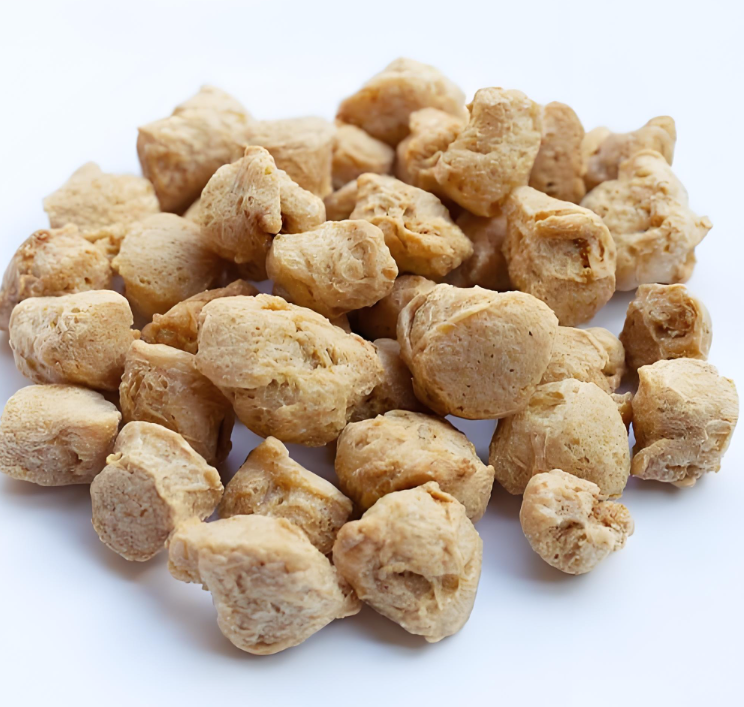
1. Primary Application: Meat Replacement & Analogue
This is the most significant and widespread use of TSP, leveraging its excellent ability to absorb flavors and its meat-like texture upon rehydration.
- Ground Meat Substitute: Rehydrated TSP granules are the ideal, one-to-one replacement for ground beef, pork, or poultry in a vast array of dishes. Common applications include:
- Sauces: Bolognese, chili con/sin carne, taco fillings, sloppy joes.
- Casseroles & Stuffings: Lasagna, shepherd’s pie, stuffed peppers, or bell peppers.
- Dumplings & Patties: As the base for vegetarian burgers, meatballs, and patties.
- Chunk-Style Meat Analogue: Larger TSP chunks or strips are used to mimic the texture of stewed meat, chicken pieces, or pork in:
- Curries, stews, and pot pies.
- Asian-inspired stir-fries and “mock duck” dishes.
- Fajitas and kebabs.
2. Application: Meat Extender & Cost-Reduction Agent
In conventional meat products, TSP is widely used to improve yield, reduce cost, and enhance nutritional profile (by increasing protein and fiber while reducing fat and cholesterol).
- Extended Meat Products: It is blended with ground meat (beef, pork, turkey) in products like:
- Meatballs, meatloaf, and sausages.
- School, military, and institutional food service items.
- Frozen prepared meals.
3. Application: Protein Fortification & Functional Ingredient
Beyond texture, TSP serves as a concentrated source of plant protein and fiber, adding functional benefits to various foods.
- Bakery & Snacks: Added to breads, crackers, and protein bars to boost protein content and add a subtle, nutritious crunch.
- Breakfast Cereals & Granolas: Incorporated to increase protein and dietary fiber.
- Nutritional Supplements: Used in specialized foods for high-protein dietary needs.
4. Application in Specialized Diets & Markets
TSP’s inherent properties make it a staple in specific dietary frameworks and global cuisines.
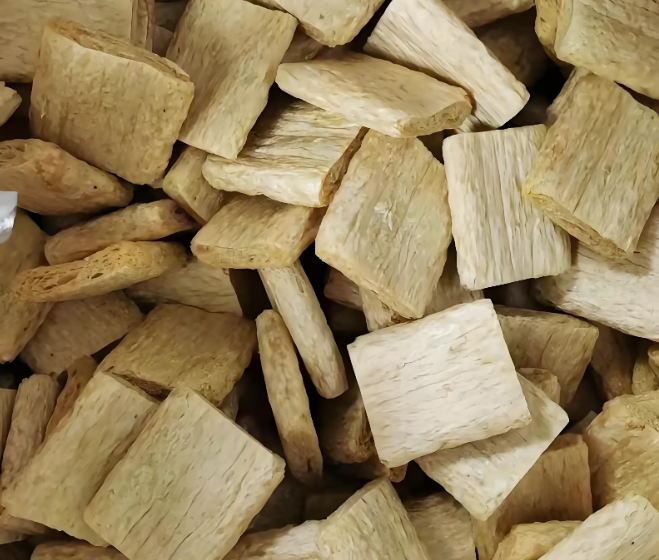
- Vegetarian & Vegan Cuisine: The foundational protein source for countless home-cooked and commercial vegan products.
- Health-Conscious & Weight Management Foods: Its high protein and fiber content promotes satiety, while being low in fat and calories.
- School & Institutional Feeding Programs: An economical way to provide high-quality, sustainable protein on a large scale.
- Global & Traditional Foods: Adapted into local dishes worldwide, from South Asian “soya chaap” to Western vegetarian roasts.
Key Advantages Driving Its Application:
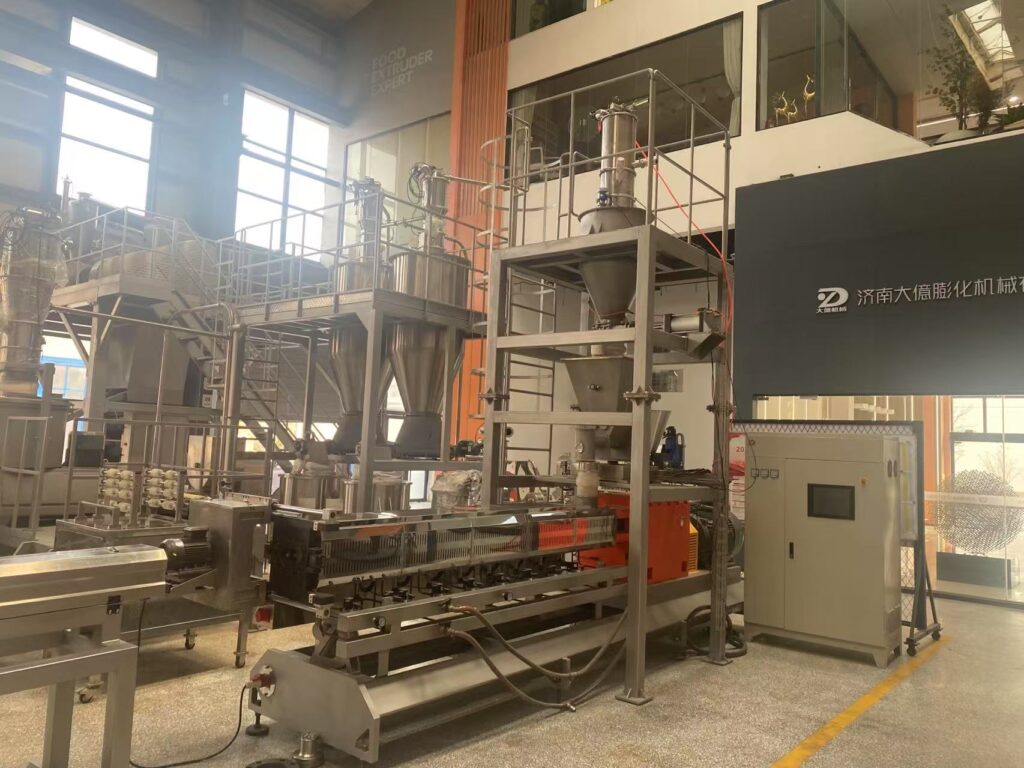
- Texture & Mouthfeel: Provides the satisfying, chewy texture central to meat-like experiences.
- Neutral Flavor & High Absorbency: Readily adopts the taste of spices, sauces, and broths it is cooked with.
- Nutritional Profile: An excellent source of complete protein, dietary fiber, and is cholesterol-free.
- Economic & Supply Chain Efficiency: Cost-effective, shelf-stable (dry), lightweight, and has a long shelf life, reducing food waste.
- Sustainability: Requires significantly less land, water, and energy to produce than animal protein, with a lower carbon footprint.
Conclusion
Textured Soy Protein is far more than a simple meat substitute. It is a multifunctional food ingredient that serves critical roles across the food industry—from enabling the plant-based food revolution and making protein affordable in institutional settings to improving the nutritional profile of everyday foods. Its adaptability, cost-effectiveness, and functionality solidify its position as an indispensable ingredient for the future of sustainable, protein-rich food systems.
 German
  English
  Russian
  Spanish
  Italian
  Arabic
  Portuguese
  French
  Japanese
  Moroccan Arabic
  Persian
  Belarusian