
Starch is one of nature’s most abundant and versatile biopolymers, derived from sources such as corn, potato, tapioca, wheat, and rice. In its native form, however, starch has inherent limitations—it is sensitive to heat, prone to breakdown under acidic conditions, and tends to undergo retrogradation (which leads to texture deterioration and water separation) during storage. To overcome these shortcomings and tailor its properties for specific applications, starch undergoes modification through physical, chemical, or enzymatic treatments. The resulting product—modified starch—is a highly functional ingredient with an astonishing range of uses across the food, pharmaceutical, cosmetic, paper, textile, and industrial sectors.
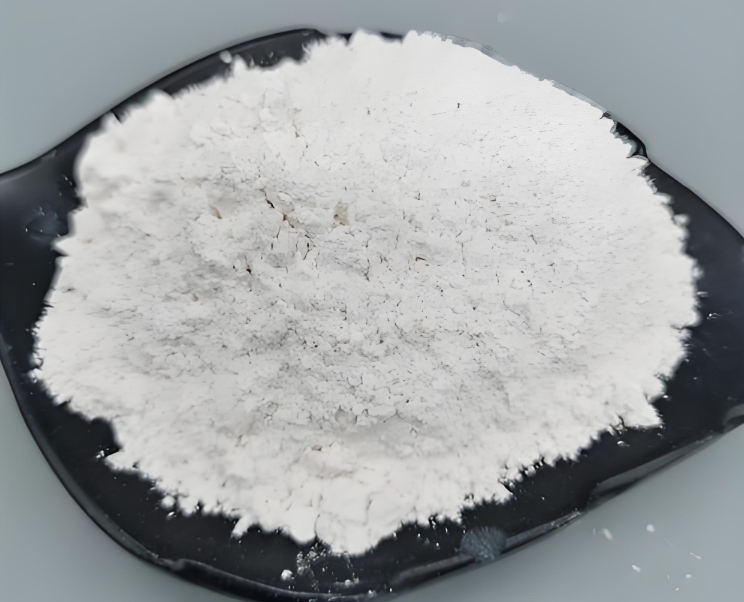
1. Food Industry Uses
The food industry is the largest consumer of modified starches, where they serve as indispensable functional ingredients that enhance texture, stability, appearance, and overall product quality.
Thickeners and Stabilizers:
Modified starches are widely used to thicken and stabilize liquid and semi-liquid foods. In sauces, gravies, soups, and puddings, they provide the desired viscosity and mouthfeel while resisting the high temperatures and shear forces encountered during processing. Cross-linked starches, in particular, offer exceptional heat and acid resistance, ensuring that products maintain their consistency even under harsh conditions. In salad dressings and mayonnaise, modified starches act as stabilizers, preventing oil-water separation and creating a smooth, creamy texture.
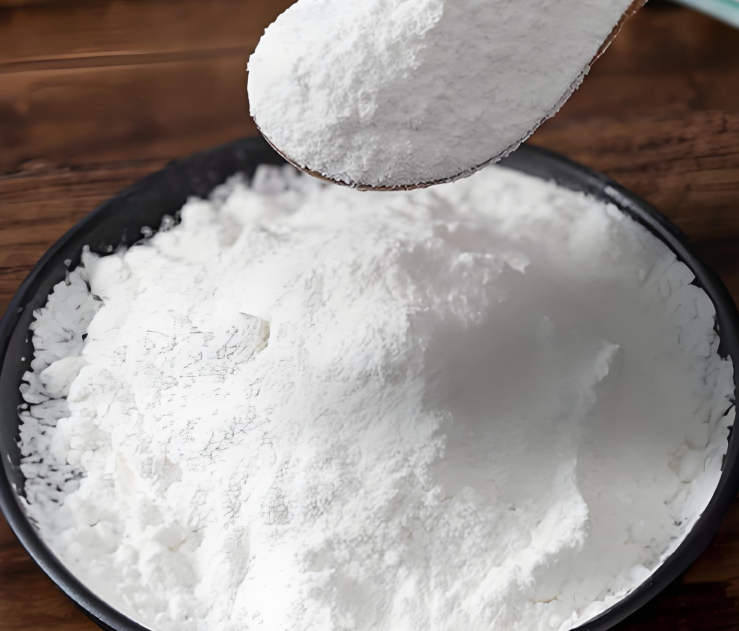
Emulsifiers and Encapsulating Agents:
Octenyl succinic anhydride (OSA) starch is a specialized modified starch with emulsifying properties. It is commonly used in beverages, coffee whiteners, and flavor emulsions to stabilize oil-in-water systems. Additionally, modified starches serve as excellent encapsulating agents for flavors, vitamins, and essential oils, converting liquid extracts into free-flowing powders that protect sensitive ingredients from degradation and control their release during consumption.
Texture Enhancers in Baked Goods and Snacks:
In the baking industry, modified starches improve the texture, volume, and moisture retention of cakes, muffins, breads, and pastries. They can also function as fat replacers, allowing for the production of lower-calorie baked goods without compromising sensory qualities. In extruded snacks, modified starches enhance expansion, creating a light, crispy texture. For batters and breadings used in fried foods, they contribute to a crispier coating that absorbs less oil.
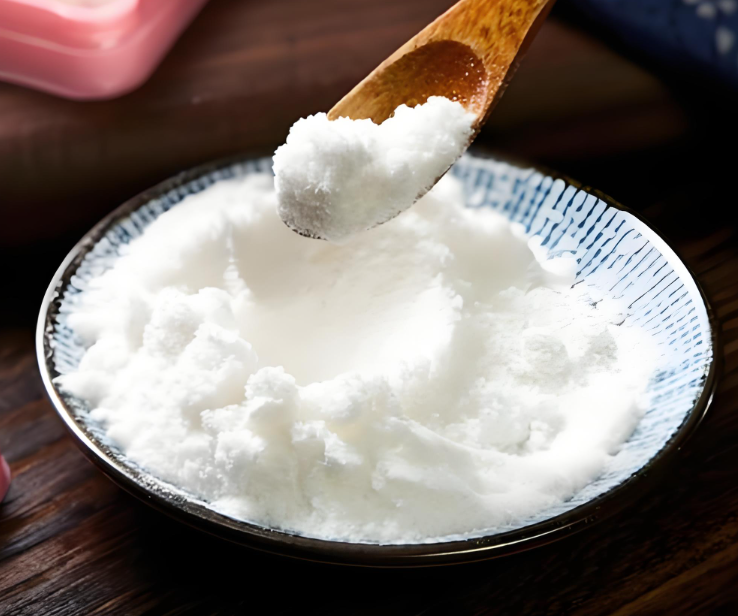
Freeze-Thaw Stabilizers:
One of the most valuable properties of certain modified starches—particularly cross-linked and hydroxypropylated varieties—is their ability to withstand freeze-thaw cycles. In frozen foods such as pies, vegetables in sauce, and ice cream, these starches prevent water separation (syneresis) and maintain a smooth, homogeneous texture even after freezing and thawing.
Nutritional Applications:
Resistant starches represent a category of modified starches that resist digestion in the small intestine, functioning as dietary fiber. They promote gut health by serving as prebiotics that feed beneficial gut bacteria, help regulate blood sugar levels, and contribute to feelings of fullness. These starches are increasingly used in low-glycemic foods, weight management products, high-fiber cereals, and functional snacks.
Meat and Seafood Products:
In processed meats such as sausages, ham, and surimi (imitation crab), modified starches improve water retention, enhance texture, and provide a smoother mouthfeel. They help bind ingredients together while preventing moisture loss during cooking and storage.
2. Pharmaceutical and Biomedical Uses
The biocompatibility, non-toxicity, and functional versatility of modified starch have made it an invaluable excipient and active component in the pharmaceutical and biomedical fields.
Tablet Excipients:
Modified starches are widely used as pharmaceutical excipients in tablet formulations. They serve multiple roles:
- Binders: To hold tablet ingredients together and provide mechanical strength.
- Disintegrants: To promote rapid tablet disintegration in the digestive tract, enabling timely drug release.
- Diluents/Fillers: To achieve the appropriate tablet size and weight.
Drug Delivery Systems:
Advanced modified starches are employed in the development of controlled-release drug delivery systems. Starch-based hydrogels, nanoparticles, and microparticles can encapsulate active pharmaceutical ingredients and release them at specific sites in the body over a predetermined period. This improves drug bioavailability, reduces dosing frequency, and minimizes side effects.
Wound Healing and Medical Devices:
Certain modified starches have demonstrated efficacy in wound care applications. For example, succinylated starches have been used to create wound dressings that promote healing. Additionally, cross-linked starches serve as biodegradable alternatives to talc for medical gloves and other disposable medical products.
3. Cosmetics and Personal Care Uses
The cosmetics and personal care industry utilizes modified starches for their sensory-enhancing and functional properties.
Skin Care Products:
In lotions, creams, and sunscreens, modified starches act as thickeners, stabilizers, and film formers. They contribute to a smooth, non-greasy feel and can provide a protective barrier on the skin. Certain modified starches with small particle sizes serve as effective emulsifiers for Pickering emulsions, which are increasingly popular in premium topical formulations.
Hair Care Products:
Modified starches are used in shampoos, conditioners, and styling products to improve viscosity, enhance texture, and provide hold without leaving residues that weigh hair down.
Absorbents and Powders:
In dry shampoos, body powders, and deodorants, modified starches such as aluminum starch octenyl succinate are prized for their ability to absorb excess oil and moisture. They provide a silky, smooth feel and serve as natural alternatives to mineral-based powders like talc.
Color Cosmetics:
In foundations, blushes, and eyeshadows, modified starches improve spreadability, enhance adhesion to the skin, and contribute to a smooth, even finish.
4. Paper and Textile Industry Uses
Modified starches have long been essential components in papermaking and textile processing.
Paper Industry:
In paper manufacturing, modified starches serve multiple critical functions:
- Sizing agents: Applied to paper surfaces to improve strength, smoothness, and resistance to ink penetration, enhancing printability.
- Coatings: Used in coated papers to create a smooth, uniform surface for high-quality printing.
- Binders: Help retain fine fibers and fillers within the paper sheet, improving formation and strength.
Textile Industry:
In textile processing, modified starches are primarily used as warp sizing agents. They coat yarns before weaving, providing strength and abrasion resistance to prevent breakage during the weaving process. After weaving, the starch is easily removed through desizing operations.
5. Industrial and Adhesive Uses
The adhesive and film-forming properties of modified starches make them valuable in a variety of industrial applications.
Adhesives:
Modified starches are key components in numerous adhesive formulations:
- Corrugated board adhesives: Used in the production of cardboard boxes and packaging materials.
- Wallpaper pastes: Provide strong adhesion while remaining water-soluble for easy removal.
- Paper bag and tube adhesives: Used in the manufacture of paper-based packaging products.
Construction Materials:
In the construction industry, modified starches serve as binders in gypsum board, cement, and drywall compounds. They improve workability, adhesion, and overall product performance.
Biodegradable Plastics and Packaging:
As the world seeks sustainable alternatives to petroleum-based plastics, modified starches have emerged as key components in biodegradable and compostable plastics. They are used to produce:
- Compostable bags and food service items
- Agricultural mulch films
- Biodegradable packaging materials
These starch-based materials help reduce environmental pollution and reliance on non-renewable resources.
Biofuel Production:
Starch serves as a primary feedstock for bioethanol production. Modified starches are broken down into fermentable sugars, which are then converted by microorganisms into ethanol—a renewable fuel that reduces greenhouse gas emissions compared to fossil fuels.
6. Oil and Gas Industry Uses
In the oil and gas industry, modified starches play a critical role in drilling fluids (also known as drilling muds). They function as:
- Viscosifiers: To maintain proper fluid thickness and carrying capacity.
- Fluid loss control agents: To prevent the loss of drilling fluid into permeable formations.
- Shale stabilizers: To inhibit the swelling and dispersion of shale formations, ensuring wellbore stability.
7. Animal Feed Uses
Modified starches are also incorporated into animal feed formulations. In pet food (as discussed in previous essays) and livestock feed, they serve as:
- Binders: To hold feed ingredients together, maintaining pellet integrity.
- Viscosity modifiers: To control the texture and consistency of liquid or semi-liquid feeds.
- Energy sources: To provide readily digestible carbohydrates for optimal animal growth and performance.
Conclusion
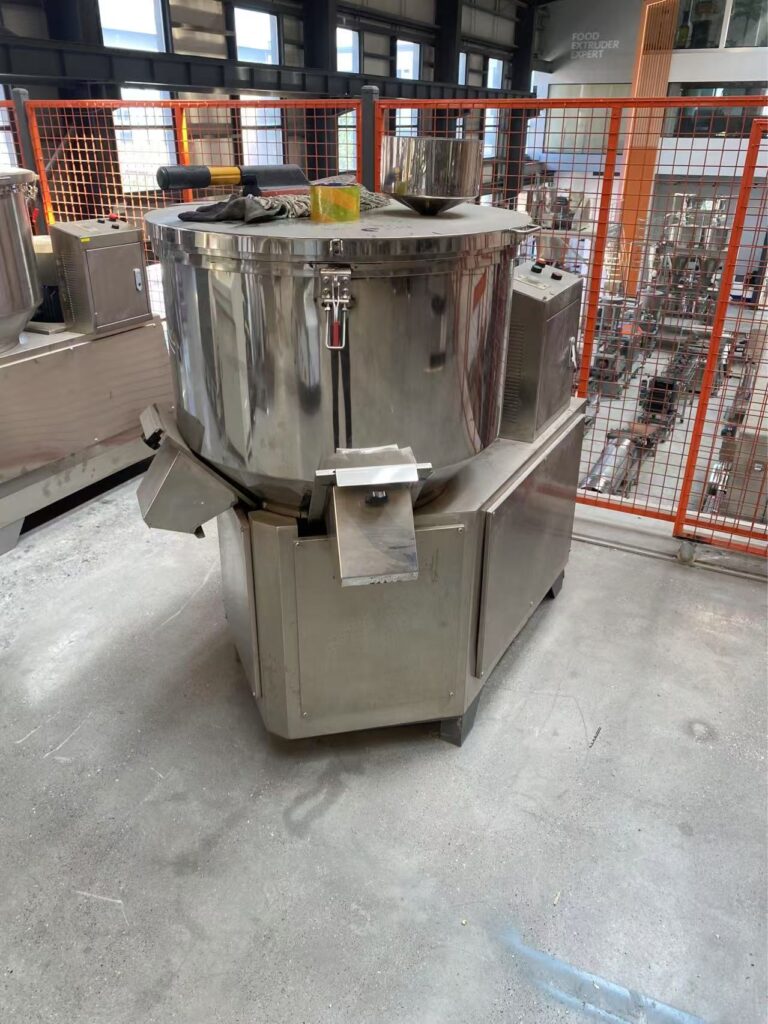
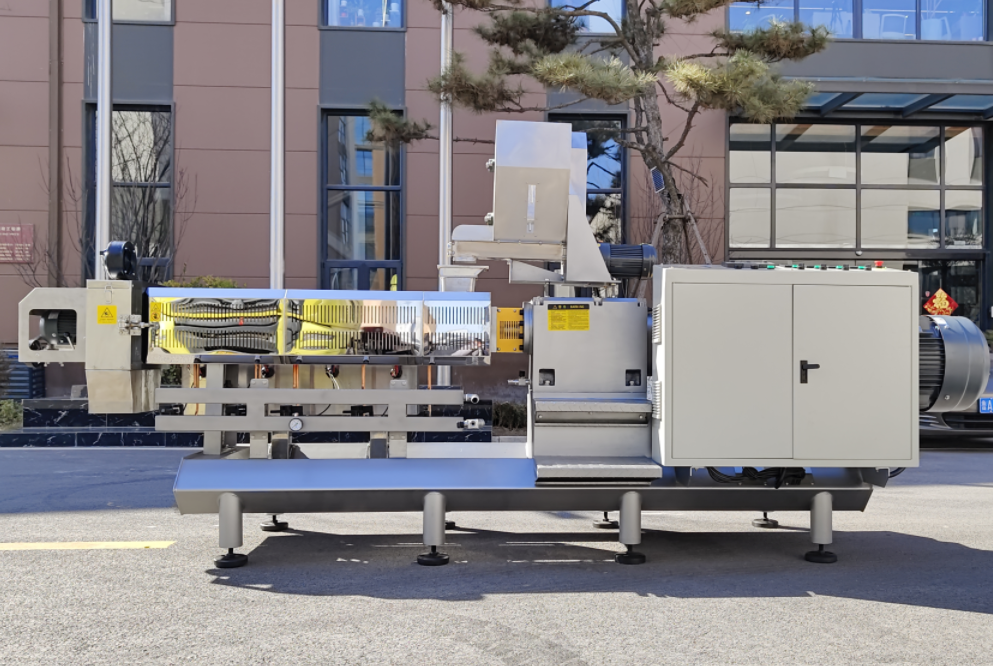
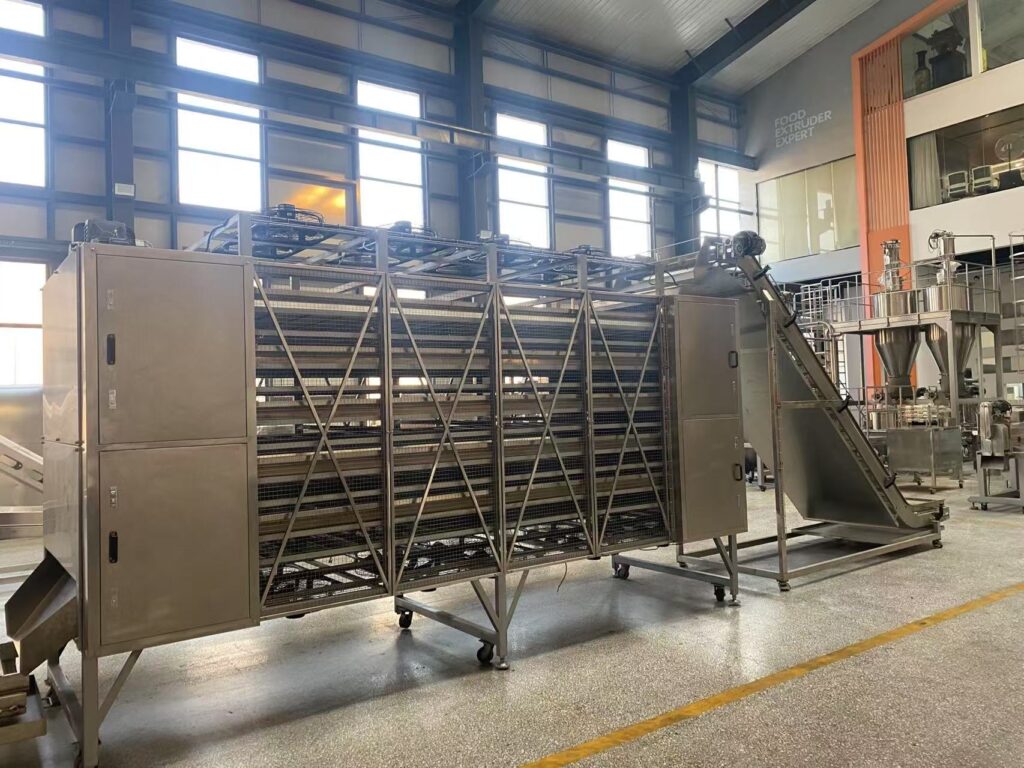
Modified starch is a true workhorse ingredient that transcends industries and applications. From thickening sauces and stabilizing pharmaceuticals to sizing paper and creating biodegradable plastics, its versatility stems from the ability to tailor its properties through precise modification techniques. As consumer demand grows for clean-label products, sustainable materials, and functional ingredients, the development of next-generation modified starches—produced through physical and enzymatic methods rather than traditional chemical processes—is accelerating. Whether in our food, our medicines, our personal care products, or the materials that build our world, modified starch remains an indispensable component of modern life. If you are interested in the modified starch machinery , you can contact me , i will give you good advice and solutions .
1.Will you help us with the installation ?
Yes , We will send engineers to install and debug the equipment, and assist in training your staff.
2.Are you a factory or trading company?
We are a factory.
3.What certificate do you have?
We have ISO and CE certificate.
4.How long is the warranty period?
All of our machines have one year warranty.
5.What’s the main market of your company?
Our customers all over the world.
6.How much production capacity of your company one year?
This depends on your needs.
 German
  English
  Russian
  Spanish
  Italian
  Arabic
  Portuguese
  French
  Japanese
  Moroccan Arabic
  Persian
  Belarusian