
The production of enriched rice is a critical public health intervention aimed at combating micronutrient deficiencies in populations reliant on rice as a staple food. However, the process involves significant technical, nutritional, and operational challenges. Ensuring the final product is effective, safe, and acceptable requires meticulous attention to several key factors.
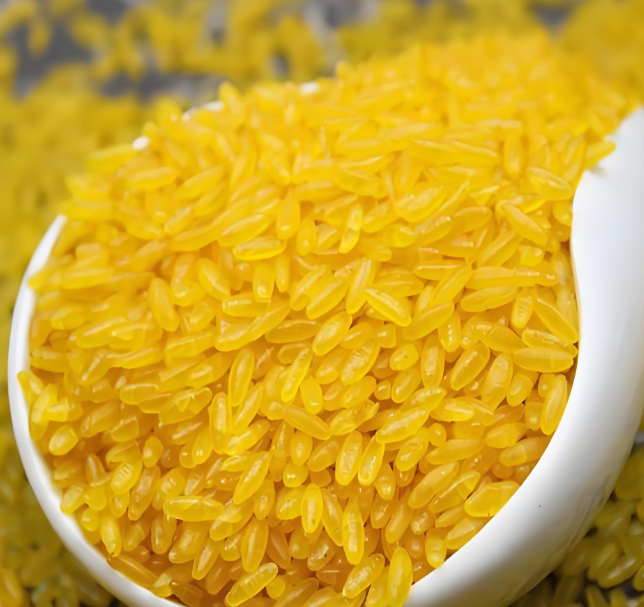
1. Nutrient Selection and Bioavailability
The choice of nutrients and their chemical forms is paramount.
- Appropriate Forms: Micronutrients must be selected for their stability during processing, storage, and cooking, as well as their bioavailability in the human body. For example, iron compounds like ferric pyrophosphate or encapsulated ferrous sulfate are often chosen over more reactive forms to minimize color change and off-flavors while ensuring absorption.
- Nutrient Interactions: The premix formulation must account for potential negative interactions between nutrients (e.g., certain forms of iron can oxidize vitamins) that could reduce shelf life or efficacy.
2. Selection of Fortification Technology
Choosing the right production method balances cost, effectiveness, and consumer practice.
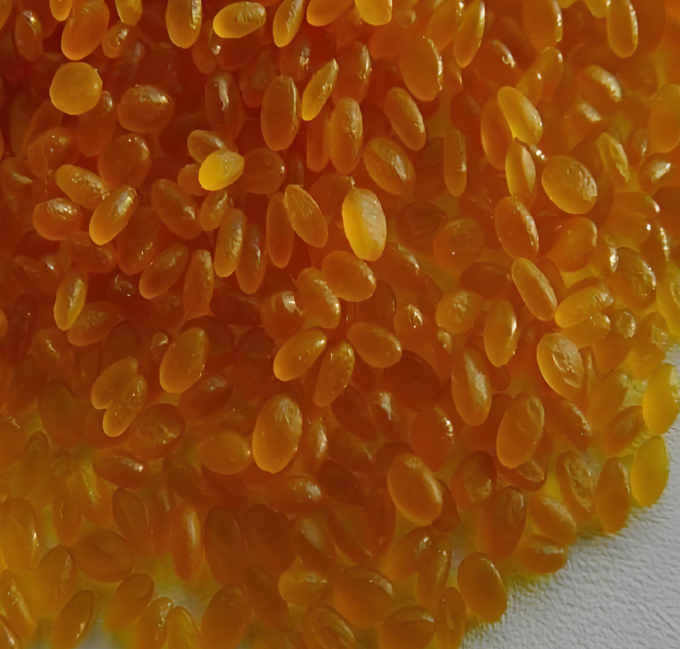
- Coating/Dusting: This method is low-cost but results in surface-level enrichment. The major risk is nutrient loss during rinsing or washing by consumers. A sealing agent is often required, and uniformity can be a challenge.
- Hot or Cold Extrusion: This method creates artificial, nutrient-dense grains. It is superior for nutrient retention as vitamins and minerals are embedded within the grain structure, making them resistant to washing and cooking losses. However, it requires higher capital investment and technical expertise. Precise control of grain shape, size, and density is crucial to prevent segregation from regular rice during transport.
- Key Decision: Producers must understand local culinary practices. If rinsing is universal, extrusion is necessary for impact. If the cost is the primary barrier, coated rice may be the only viable option.
3. Achieving and Maintaining Uniformity
Uniform distribution is non-negotiable for public health impact.
- Mixing Precision: Whether blending a coating or mixing extruded grains, the equipment and process must guarantee that every single serving (e.g., every 100 grams) contains the mandated level of nutrients. Poor mixing renders the fortification ineffective.
- Preventing Segregation: Due to differences in size, shape, or density, fortified grains can separate from regular rice during packaging, transport, or handling. Particle matching and anti-segregation packaging designs are critical considerations.
4. Stability and Shelf-Life Management
Nutrients degrade over time. The process must maximize stability.
- Protecting Sensitive Nutrients: Vitamins like Vitamin A and some B vitamins are sensitive to heat, light, and oxygen. Processing parameters (e.g., extrusion temperature) and packaging (opaque, airtight materials) must be designed to protect them.
- Realistic Shelf-Life Testing: Nutrient levels must be guaranteed not just at production but throughout the declared shelf life under expected storage conditions (e.g., high humidity, tropical heat).
5. Sensory Preservation (Taste, Color, Smell)
Consumer acceptance is vital. The fortified product must be indistinguishable from regular rice in everyday use.
- Avoiding Off-Notes: Certain iron compounds can cause a metallic taste or catalyze lipid oxidation, leading to rancidity. Nutrient forms and possible encapsulation must be tested for sensory impact.
- Color Match: The fortified rice must maintain the bright, white appearance of polished rice. Any discoloration (e.g., yellowness from some vitamins) will lead to consumer rejection.
6. Rigorous Quality Assurance and Control (QA/QC)
A robust QA/QC system is the backbone of successful production.
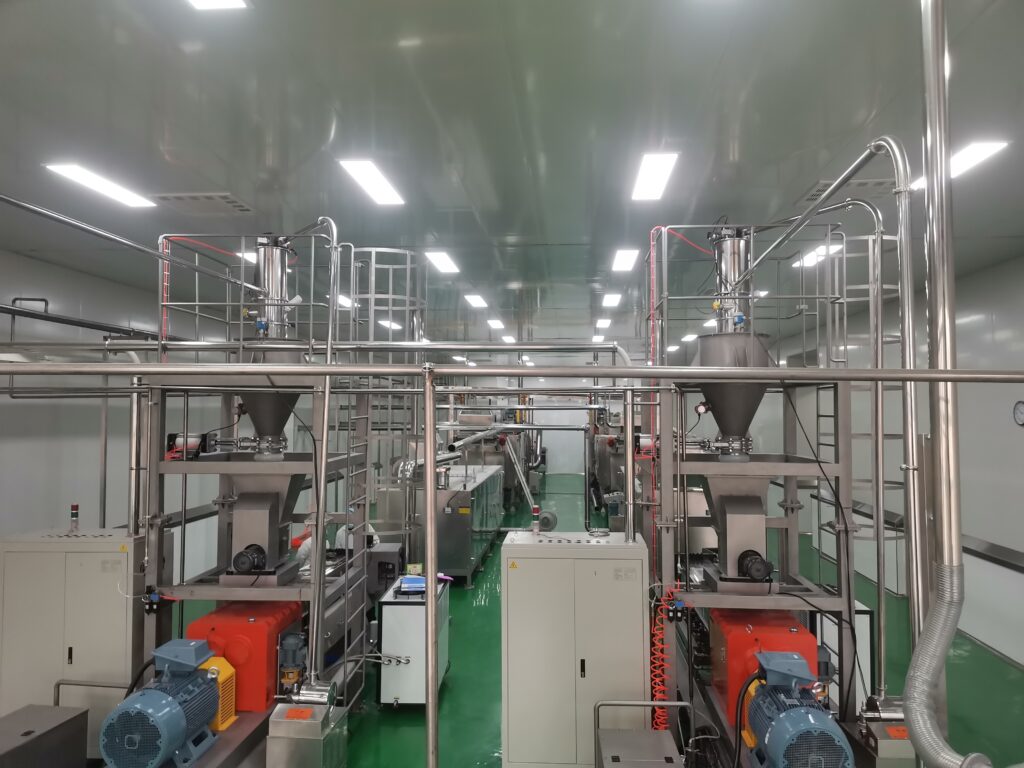
- Incoming Raw Material Checks: Testing rice and premix for quality and potency.
- In-Process Controls: Monitoring mixing uniformity, coating levels, extrusion parameters, and blend ratios in real-time.
- Finished Product Testing: Mandatory laboratory verification of micronutrient content against national standards, sensory evaluation, and cooking tests.
- Traceability: Full batch traceability from raw materials to final package is essential for recall capability and accountability.
7. Regulatory Compliance and Labeling
The product must comply with national food fortification standards.
- Accurate Labeling: Declarations of added nutrients must be precise and truthful.
- Consumer Instructions: Packaging should include clear preparation instructions, specifically advising “Do Not Rinse” for coated rice to preserve nutrients.
Producing enriched rice successfully is not merely a technical task; it requires a holistic system approach. It intertwines food science, engineering, regulatory affairs, and consumer behavior insight. Attention must span from the molecular level (selecting the right nutrient compound) to the practical level (ensuring the rice cooks properly in a household pot). Neglecting any single link in this chain—from bioavailability and uniformity to stability and sensory quality—can compromise the entire public health objective. Therefore, meticulous planning, continuous monitoring, and a deep understanding of the end-user are the essential pillars of effective enriched rice production.
 German
  English
  Russian
  Spanish
  Italian
  Arabic
  Portuguese
  French
  Japanese
  Moroccan Arabic
  Persian
  Belarusian