
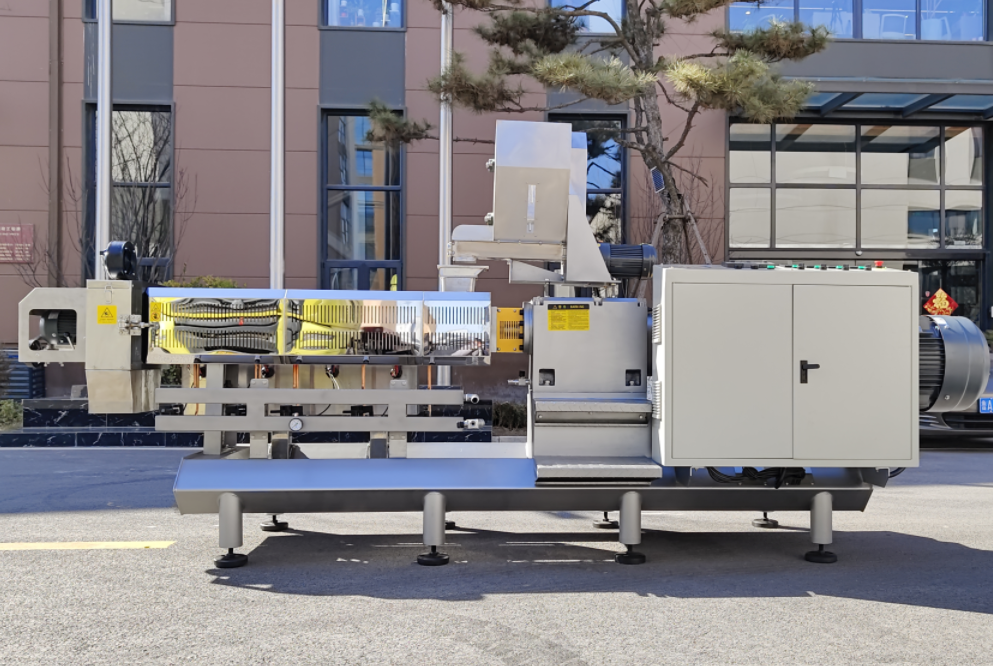
A food extruder is a sophisticated piece of equipment used to produce a wide range of products—from breakfast cereals and snacks to pasta and textured vegetable protein. Proper adjustment is critical to achieving consistent product quality, maximizing efficiency, and minimizing downtime. Below is a step-by-step guide to tuning your food extruder for optimal results.

1. Understand Your Extruder Configuration
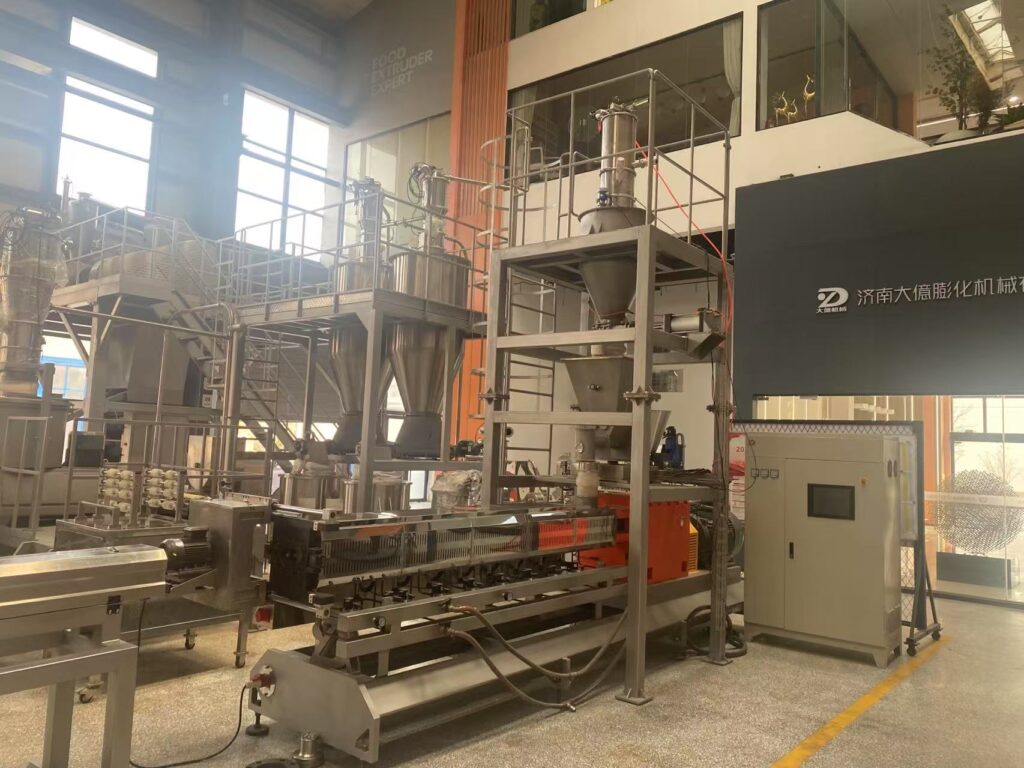
Before making any adjustments, familiarize yourself with the extruder’s key components:
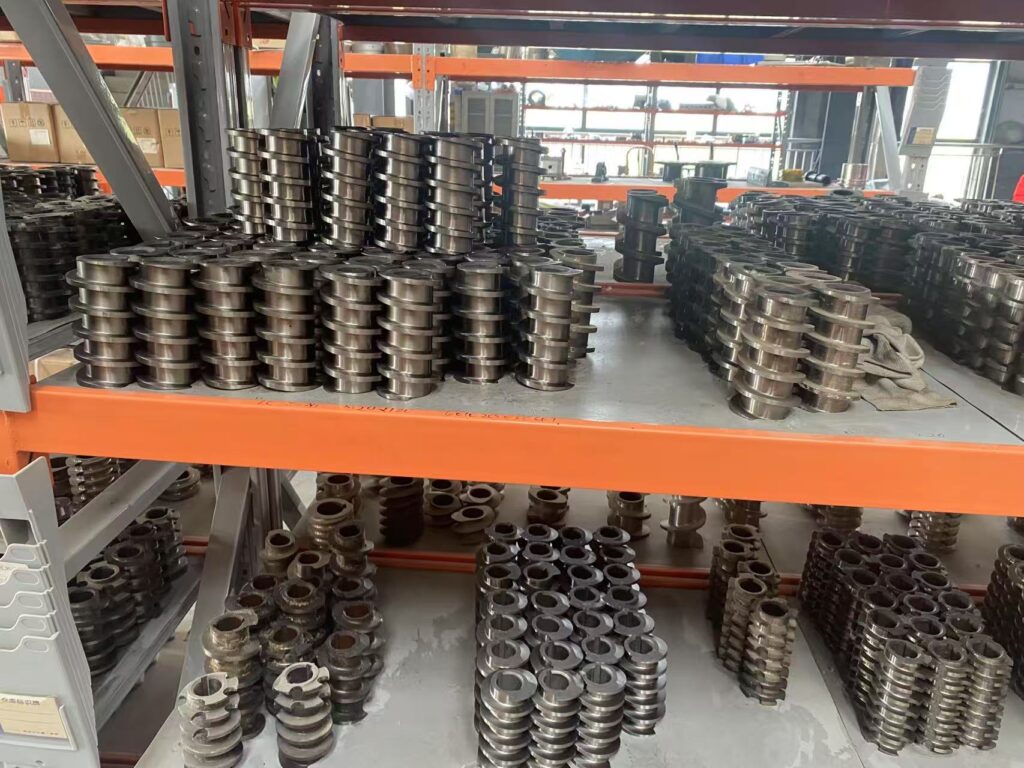
- Screw profile: The arrangement of screw elements (conveying, mixing, shearing, and reverse elements) dictates the mechanical energy input and residence time.
- Barrel temperature zones: Typically 5–10 independently controlled heating/cooling zones.
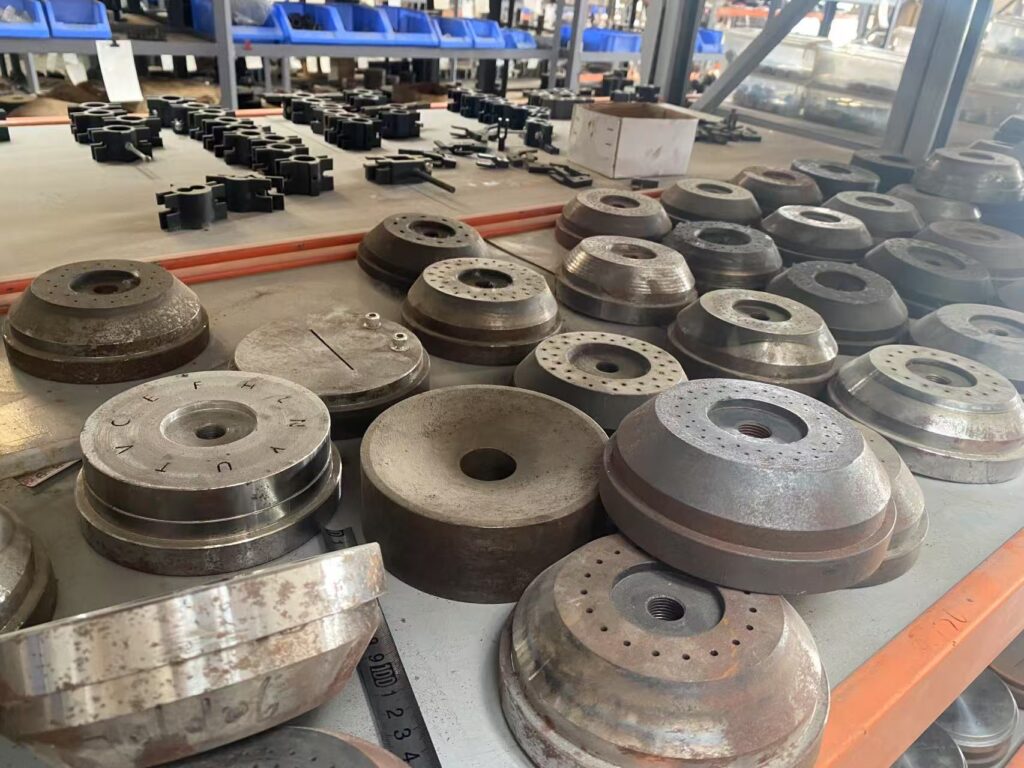
- Die assembly: Determines product shape, backpressure, and expansion characteristics.
- Feeder system: Controls throughput rate and consistency.
- Water injection: Used for moisture adjustment and temperature control.
2. Start with the Recipe and Feed Rate
The formulation sets the foundation. Ensure raw materials are consistently ground and mixed. Begin with a moderate feed rate—typically 60–70% of the extruder’s rated capacity—to establish a stable baseline. Gradually increase throughput once stable operating conditions are achieved.
3. Set Barrel Temperature Profiles
Temperature profiles vary by product type:
- Low-shear, high-moisture products (e.g., pasta): Moderate temperatures (40–70°C) with uniform profile.
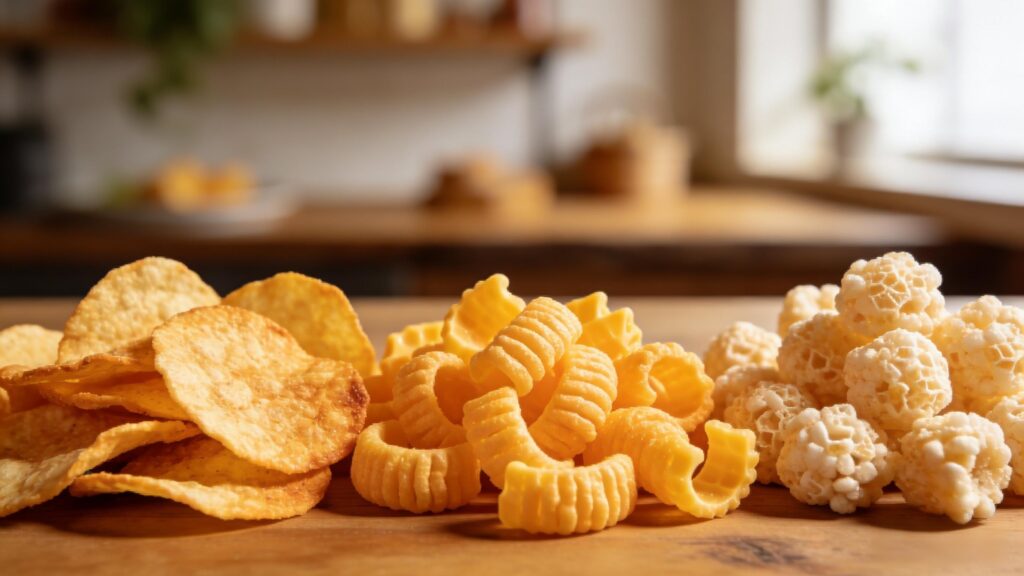
- High-shear, low-moisture products (e.g., snacks, cereals): Stepped profiles, often starting cooler at the feed zone (20–40°C) and increasing toward the die (100–160°C).
Tip: Use the “reverse temperature profile” approach for certain expanded snacks—cooler at the die to control expansion and prevent burn.
4. Adjust Screw Speed
Screw speed directly affects:
- Residence time: Higher speed reduces residence time, which can lower cooking degree.
- Mechanical energy input: Increased speed raises specific mechanical energy (SME), affecting viscosity, expansion, and texture.
Start at a moderate speed (300–500 rpm for twin-screw extruders) and adjust in small increments (10–20 rpm). Monitor motor load—aim for 70–85% of rated torque for stable operation.
5. Control Moisture Content
Moisture is a critical control parameter:
- Low moisture (12–18%): High friction, high expansion, suitable for snacks and cereals.
- High moisture (25–40%): Lower expansion, denser products like pasta or meat analogs.
Add water through barrel injection ports. Start with the recipe target and fine-tune based on product appearance and texture. Too much water results in soft, poorly expanded products; too little causes excessive wear, surging, and burnt flavors.
6. Optimize Die Configuration
The die determines backpressure, which influences expansion and product density:
- Smaller die openings or higher restriction increase backpressure, leading to greater expansion at the exit (for snack-type products).
- Larger openings reduce backpressure, suitable for denser, non-expanded products.
If using a die plate with multiple holes, ensure even flow distribution. Adjust cutter speed to match extrudate velocity for consistent pellet or piece length.
7. Monitor Key Operating Parameters
Real-time monitoring is essential. Track:
| Parameter | Target Range | Impact |
|---|---|---|
| Motor load (torque) | 70–85% | Overload risks; underload indicates poor fill |
| Melt temperature | ±5°C of recipe | Affects viscosity, expansion, flavor |
| Die pressure | Stable ±5–10% | Fluctuations indicate surging or blockages |
| Throughput | Consistent | Variability leads to quality issues |
8. Fine-Tune Through Trial Runs
After reaching steady state, produce a small batch and evaluate:
- Expansion ratio: Measure diameter vs. die opening.
- Texture: Crispness, hardness, or chewiness.
- Color: Uniformity and degree of cooking.
- Shape integrity: Straightness, no warping or deformities.
Make incremental adjustments—change only one variable at a time (e.g., temperature, screw speed, or moisture) and observe effects.
9. Troubleshooting Common Issues
| Problem | Likely Cause | Solution |
|---|---|---|
| Surging (unstable flow) | Inconsistent feed or moisture | Stabilize feeder, check water injection |
| Burnt product | Excessive SME or high melt temp | Reduce screw speed, lower barrel temps |
| Poor expansion | Low melt temp or low moisture | Increase temperature, reduce moisture |
| Excessive wear | Abrasive ingredients or low moisture | Increase moisture, use wear-resistant materials |
| Die blockage | Large particles or improper startup | Clean die, ensure proper grind size |
10. Document and Standardize
Once optimal parameters are identified, document them in a standardized operating procedure (SOP). Include:
- Screw configuration
- Barrel temperatures (each zone)
- Screw speed range
- Feed rate
- Moisture addition settings
- Die specifications
- Startup and shutdown procedures
Consistent documentation ensures repeatability across shifts and operators.
Final Thoughts
Properly adjusting a food extruder requires a balance of formulation knowledge, machine understanding, and careful observation. By systematically controlling temperature, screw speed, moisture, and die configuration—and by monitoring real-time data—you can achieve consistent, high-quality results while maximizing equipment life and production efficiency.
Always prioritize safety: allow the barrel to cool before making mechanical changes, and never exceed rated torque or pressure limits. With practice and disciplined process control, extrusion becomes a reliable and highly versatile manufacturing operation. If you are interested in the double screw extruder machine , you can contact me , i will give you good advice and solutions .
1.Will you help us with the installation ?
Yes , We will send engineers to install and debug the equipment, and assist in training your staff.
2.Are you a factory or trading company?
We are a factory.
3.What certificate do you have?
We have ISO and CE certificate.
4.How long is the warranty period?
All of our machines have one year warranty.
5.What’s the main market of your company?
Our customers all over the world.
6.How much production capacity of your company one year?
This depends on your needs.
 German
  English
  Russian
  Spanish
  Italian
  Arabic
  Portuguese
  French
  Japanese
  Moroccan Arabic
  Persian
  Belarusian