
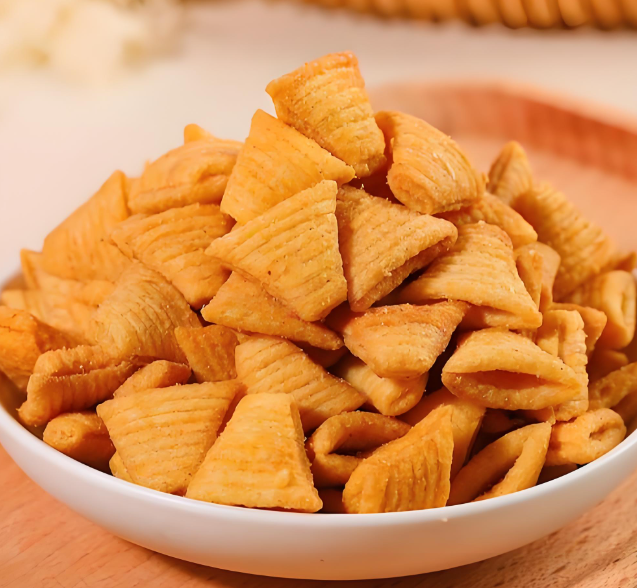
The iconic horn-shaped snack, Bugles, stands at a crossroads. A staple of 20th-century pantries, its market prospects are now shaped by a complex interplay of nostalgic strength, formidable challenges, and potential paths to reinvention. Its future hinges on the strategic choices of its parent company (currently General Mills) to adapt a classic product for a new generation of consumers.
Current Market Position: Strengths and Liabilities
Bugles enjoys a unique, albeit niche, position. Its core strengths are powerful but specific:
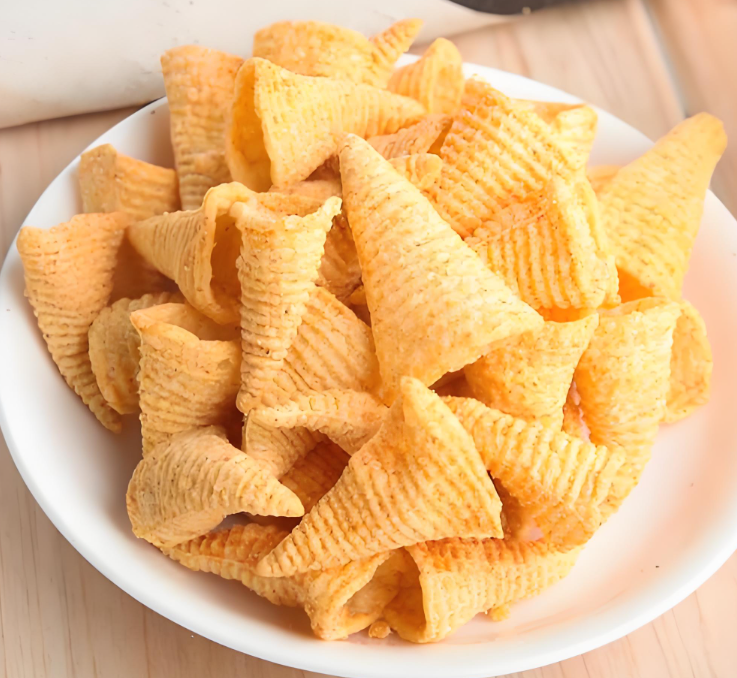
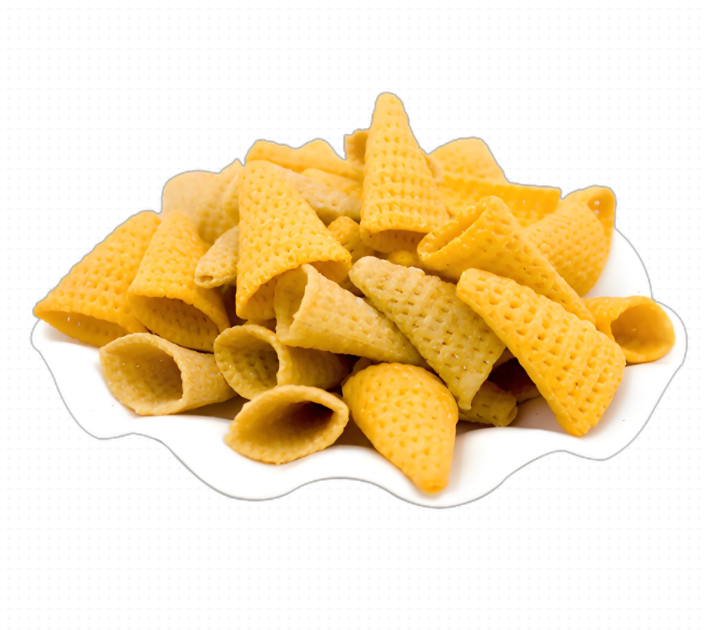
- High Nostalgia & Brand Recognition: For Gen X and Millennials, Bugles evoke strong childhood memories. The unique finger-fitting shape is a proprietary sensory experience no other snack offers, creating instant brand recall.
- Unique Texture & Form: The light, airy crunch and three-dimensional shape differentiate it from dense tortilla chips, flat potato crisps, and even other extruded snacks. This is a defendable product attribute.
- Versatility: Perceived as both a standalone snack and a mixable component (e.g., in Chex Mix), it has functional flexibility.
However, these strengths are counterbalanced by significant headwinds:
- Perceived as “Outdated”: To younger Gen Z consumers, Bugles can seem like a snack from their parents’ era, lacking the artisanal, authentic, or bold brand storytelling they often seek.
- Health & Ingredient Concerns: The traditional fried preparation and ingredient list (degerminated cornmeal, refined oils, artificial flavors in some varieties) clash directly with dominant trends toward baked snacks, whole grains, clean labels, and simple, recognizable ingredients.
- Limited Flavor Innovation: While classic flavors like Original and Nacho Cheese have loyalty, the line has not kept pace with the explosive, trend-driven flavor innovation seen in the chip and pretzel aisles (e.g., everything bagel, spicy mango lime, gourmet herb infusions).
Future Market Opportunities: Pathways for Growth
To secure its future, Bugles must leverage its nostalgia while aggressively addressing its weaknesses. Key opportunities include:
- Premiumization & Ingredient Reinvention:
- “Crafted” Line: Launch a premium sub-brand using whole-grain corn, avocado or olive oil, and baked (or air-fried) preparation methods. Highlight a “clean label” with no artificial colors or flavors.
- Flavor Exploration: Partner with popular chefs or leverage food-trend insights to launch limited-edition, sophisticated flavors (e.g., “Black Truffle & Parmesan,” “Smoked Paprika & Lime,” “Sweet Chili Gochujang”).
- Leveraging Nostalgia with a Modern Twist:
- Co-Branding & Collaborations: Partner with nostalgic but relevant media franchises (video games, animated series) for limited-edition packaging and themed flavors targeted at adult fans.
- “Retro-Futurism” Marketing: Acknowledge the snack’s heritage in advertising with a wink, while clearly showcasing any new, improved recipes. Position it as “The Original Fun Shape, Reimagined.”
- Format and Occasion Expansion:
- On-the-Go Packaging: Develop smaller, portion-controlled bags tailored for lunchboxes and convenience stores.
- “Mixology” Kits: Capitalize on the snack mix trend by selling Bugles-centric “Make-Your-Own-Mix” kits with complementary nuts, seeds, and seasoning packets.
- Culinary Integration: Promote Bugles as a creative topping for soups, salads, and casseroles in digital recipe content, targeting home cooks.
Threats and Competitive Landscape
The competitive environment is fierce. Bugles competes not only with other extruded snacks but with the entire better-for-you snacking category:
- Alternative Snack Brands: Brands like Pirates’ Booty (baked, “natural” positioning), Hippeas (plant-based, high-protein), and Simply Pop cater to health-conscious parents and younger consumers.
- Tortilla Chip & Pretzel Giants: Brands like Late July (organic, simple ingredients) and Siete (grain-free) have captured significant market share by aligning with wellness trends.
- Private Label: Retailer brands are rapidly improving quality and offering cheaper alternatives for budget-conscious shoppers.
Conclusion: A Conditional Future
The market future for Bugles is not about extinction, but about evolution. Its strong nostalgic equity provides a valuable safety net and a platform for revival. However, long-term viability depends on a strategic pivot.

The most promising path forward is a dual-strategy approach:
- Maintain the Core: Continue selling the classic, fried Original version to its loyal base, leveraging its retro appeal.
- Innovate Aggressively: Introduce a new, clearly differentiated product line that addresses modern health and ingredient preferences head-on.
By doing so, Bugles can transform from being seen as a relic of the past into a bridge brand—one that offers comforting nostalgia to older consumers and a novel, improved snack experience to a new generation. The shape is iconic; now, the substance inside must resonate with the tastes of today. The brand that can successfully marry its unique form with contemporary substance will find a clear, if competitive, path to growth in the modern snack market.
 German
  English
  Russian
  Spanish
  Italian
  Arabic
  Portuguese
  French
  Japanese
  Moroccan Arabic
  Persian
  Belarusian