
The global appetite for plant-based protein is reshaping the food industry. At the heart of this transformation is Textured Vegetable Protein (TVP), a highly versatile ingredient used in meat alternatives, snacks, and prepared meals. With the market projected to grow from $1.8 billion in 2025 to $3.7 billion by 2035, establishing a TVP production facility presents a significant business opportunity . This article outlines the step-by-step process of building a factory to produce this in-demand product.
Phase 1: Market Research and Product Definition
Before breaking ground, a clear understanding of the market and your place within it is crucial.
1. Identify Your Niche and Raw Materials
The first decision is selecting your primary protein source. While soy has traditionally dominated the market, there is a strong shift toward diversification.
- Soy: The conventional choice, but faces challenges related to allergens and sustainability perceptions .
- Pea and Faba Bean: Growing rapidly due to being non-GMO, hypoallergenic, and favored in European and North American markets .
- Emerging Sources: Press cakes (by-products of oil production from sunflower, flaxseed, or pumpkin seed) are gaining traction for upcycling and creating a meat-like texture . Blends like faba bean with sesame and amaranth can also create superior amino acid profiles .
2. Define Your Product Format and Application
TVP is not a one-size-fits-all ingredient. Your extruder setup will depend on the final shape and texture required.
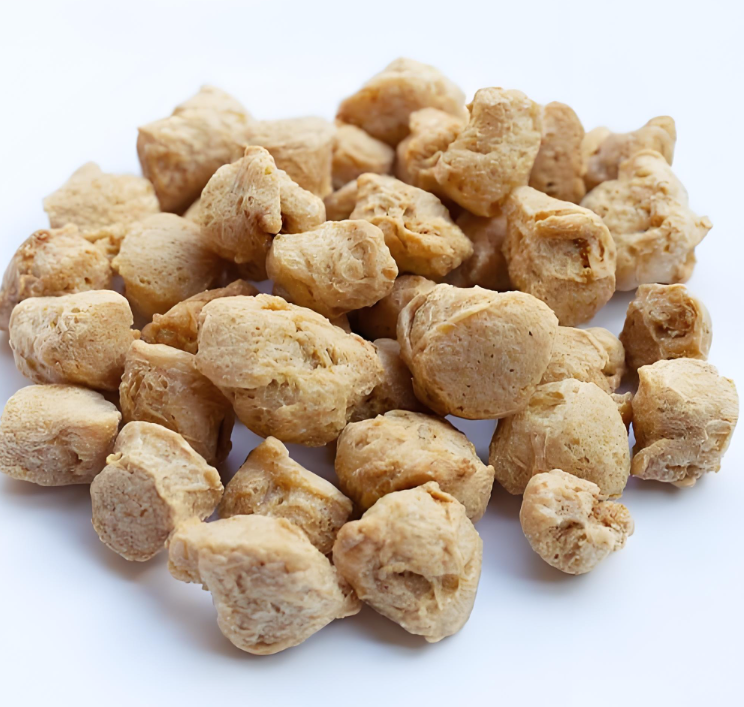
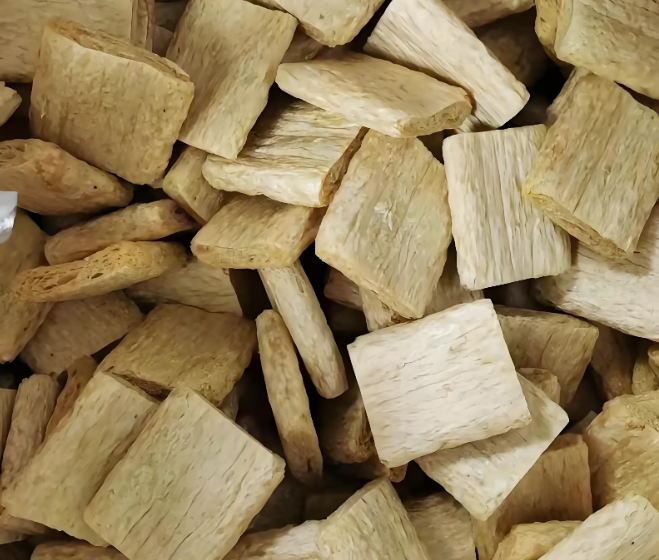
- Formats: Chunks, granules, flakes, slices, or minced textures .
- Applications: Meat analogues (burgers, mince), meat extenders (for hybrid products), snacks, or prepared meals .
Phase 2: The Core Technology – Extrusion
The heart of any TVP factory is the extrusion system. This process uses heat, pressure, and shear to transform powdered protein into a fibrous, meat-like matrix.
1. Selecting the Right Extruder
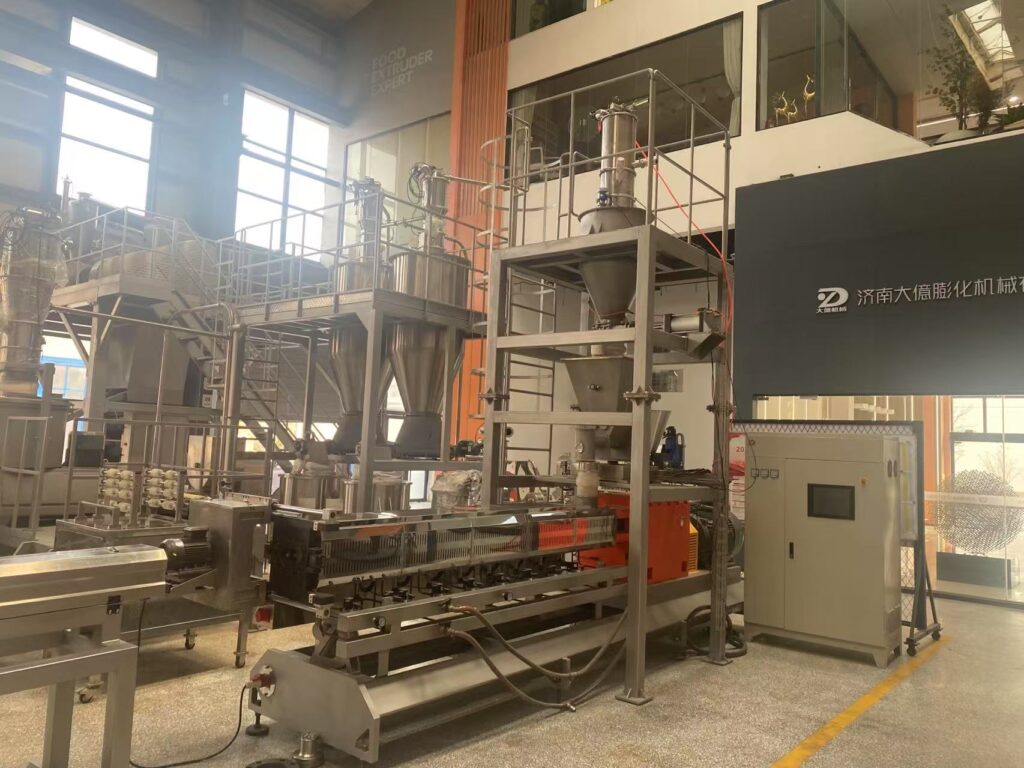
A co-rotating twin-screw extruder is the industry standard for its flexibility and control .
- Process Types: You can produce both low-moisture (dry) TVP (the most common, shelf-stable product) and high-moisture (wet) TVP (which has a fibrous, “chicken-like” texture) on modern systems .
- Scale: Extruders are available for every production scale, from lab units processing 1-20 kg/h for R&D to large-scale production machines capable of up to 4.5 tons per hour . Equipment suppliers like Leistritz offer a range of extruder sizes (ZSE 12 to ZSE 110) to match your capacity needs .
2. Mastering the Extrusion Variables
The quality of your TVP depends on precise control of several parameters. Research on faba bean extrusion shows how these variables impact the final product :
- Feed Moisture: Higher moisture content (e.g., 40%) reduces mechanical energy and creates TVPs with lower density. It also increases hardness and chewiness .
- Temperature: Barrel temperatures typically range from 110°C to 170°C. Higher temperatures can increase the bulk density of the product .
- Screw Speed: Measured in RPM (e.g., 200-400), this affects the specific mechanical energy (SME) input, which in turn influences water and oil holding capacity .
Phase 3: The Production Workflow
A standard TVP production line follows a logical, continuous flow:
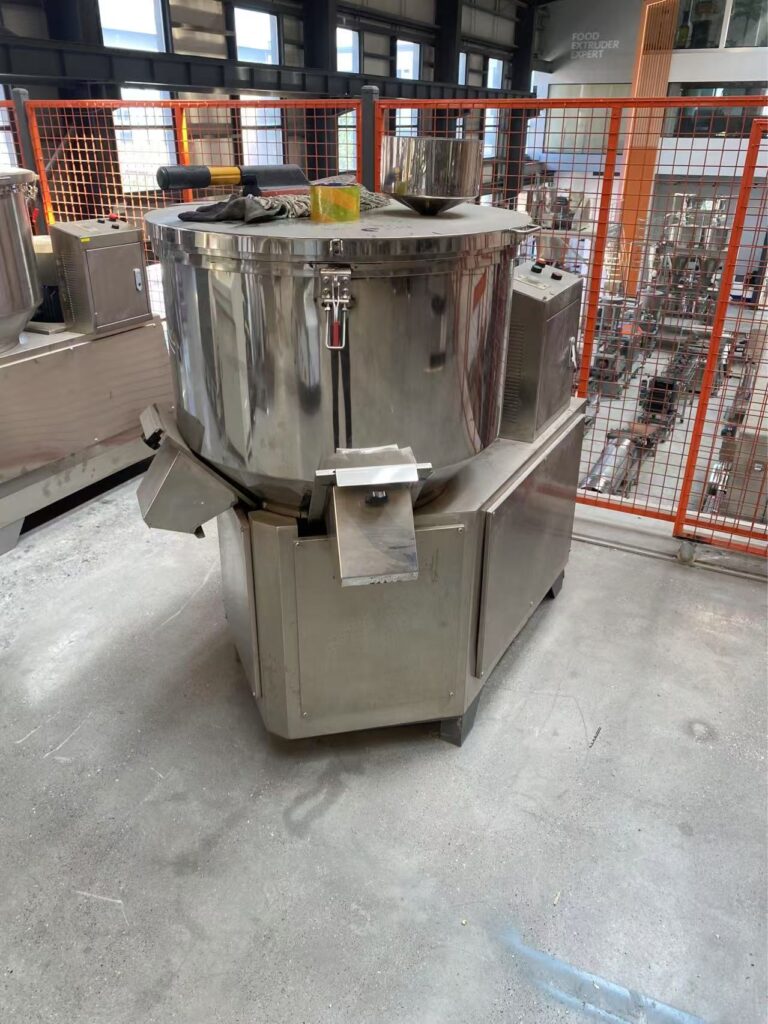
- Raw Material Handling and Mixing: Protein flours or concentrates are received, stored in silos, and precisely metered. They are often mixed with other dry ingredients (like starches or flours) and steam or water to condition the mixture before entering the extruder .
- Extrusion (The Texturization Step): The preconditioned mix enters the twin-screw extruder. Inside, it is subjected to intense mechanical shear and thermal energy. This denatures the proteins and aligns them into a layered, fibrous structure .
- Die and Cutting: The molten, pressurized protein mass is forced through a die (a plate with holes of a specific shape). As it exits, the sudden drop in pressure causes it to expand and instantly solidify. A rotating knife cuts the extrudate to the desired length (chunks, granules, etc.) .
- Drying and Cooling: The freshly extruded TVP has a high moisture content (20-40%) and must be dried immediately to a stable level (below 10%) to prevent spoilage. Dryers can be electric, gas, or steam-heated . After drying, the product is cooled to ambient temperature.
- Screening and Packaging: The dried TVP is passed through vibrating screens to separate any fines or undersized/oversized particles. The final product is then conveyed to a packaging line for bagging or bulk container loading. A typical line requires only 2-4 skilled workers to operate .
Phase 4: Facility Design and Key Considerations
1. Facility Layout
Your plant must be designed for hygienic food processing. Key areas include:
- A dedicated raw material receiving and storage area.
- A separate production hall for the extruder and dryer.
- A finished goods warehouse.
- A quality control laboratory.
- Utility rooms (for boilers, compressors, and electrical panels).
Equipment must be easy to clean. Modern extruders are designed with selected materials for maximum hygiene and can be cleaned without residue using standard food industry procedures .
2. Sourcing and Sustainability
Modern consumers and investors value sustainability.
- Innovation: Consider technologies like the one-step dry extrusion process, which uses only heat and pressure. This eliminates the need for chemical extraction (like hexane), reduces water usage, and avoids the off-flavors associated with traditional protein isolates .
- Raw Materials: Sourcing regionally available flours (like faba bean in Europe) can strengthen supply chains, reduce costs, and appeal to “locally sourced” trends . Using upcycled ingredients like oilseed press cakes can also be a unique selling point .
Phase 5: Quality Control, Compliance, and Go-to-Market
1. Establishing a Quality Assurance Program
Consistency is key in the food industry. Your QA lab should regularly test for:
- Physical Properties: Bulk density, rehydration ratio, water holding capacity (WHC), and oil holding capacity (OHC) .
- Texture: Using a texture analyzer to measure hardness, chewiness, gumminess, and springiness to ensure your product meets specifications .
- Nutritional Profile: Verifying protein content, amino acid profile (PDCAAS), and fiber content .
- Food Safety: Microbial testing and monitoring for any residues.
2. Leveraging Technology for Formulation
The industry is increasingly using AI-enabled tools to optimize TVP formulations. These tools help model extrusion conditions, predict texture, and analyze amino acid profiles to accelerate product development and ensure precision .
3. Market Positioning
With production costs being a challenge in the plant-based sector, efficiency is your path to profitability . Position your product based on your chosen differentiator: cost-effectiveness (using simple flours and efficient processes), superior nutrition (using protein blends), or sustainability (using upcycled or regionally sourced ingredients) .
Building a TVP factory is a complex but rewarding venture that sits at the intersection of food science, mechanical engineering, and market trends. By carefully selecting your technology, mastering the extrusion process, and aligning with the global shift toward sustainable, high-quality plant-based nutrition, you can establish a successful and future-proof manufacturing operation.
 German
  English
  Russian
  Spanish
  Italian
  Arabic
  Portuguese
  French
  Japanese
  Moroccan Arabic
  Persian
  Belarusian