
Why Is It Called Fortified Rice?
In the realm of food science and public health, certain terms are chosen with precision to convey a specific technological or nutritional function. The term “fortified rice” (often also referred to as “enriched rice”) is no exception. It is not merely a marketing label; it is a descriptive name that derives from a long-standing nutritional concept: fortification. Understanding why this product is called “fortified rice” requires examining the definition of fortification, the historical context of food enrichment, and the unique role rice plays in the global diet.
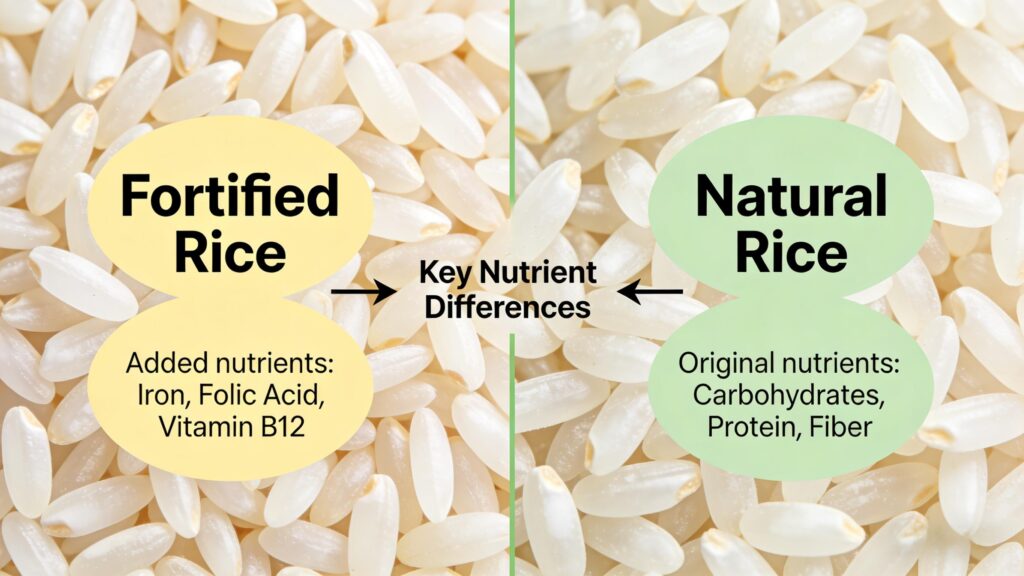
1. The Definition of “Fortification”
At its core, to “fortify” means to strengthen or reinforce. In food science, the World Health Organization (WHO) and Codex Alimentarius define food fortification as the practice of deliberately increasing the content of essential micronutrients (i.e., vitamins and minerals) in a food to improve the nutritional quality of the food supply and provide a public health benefit with minimal risk to health.
Therefore, “fortified rice” is rice that has been strengthened nutritionally. Just as a military fort is reinforced to withstand attack, rice is reinforced with vitamins and minerals to withstand the “attack” of dietary deficiencies. The name directly communicates that the product is not in its natural state; it has been enhanced to provide more than just basic calories and starch.
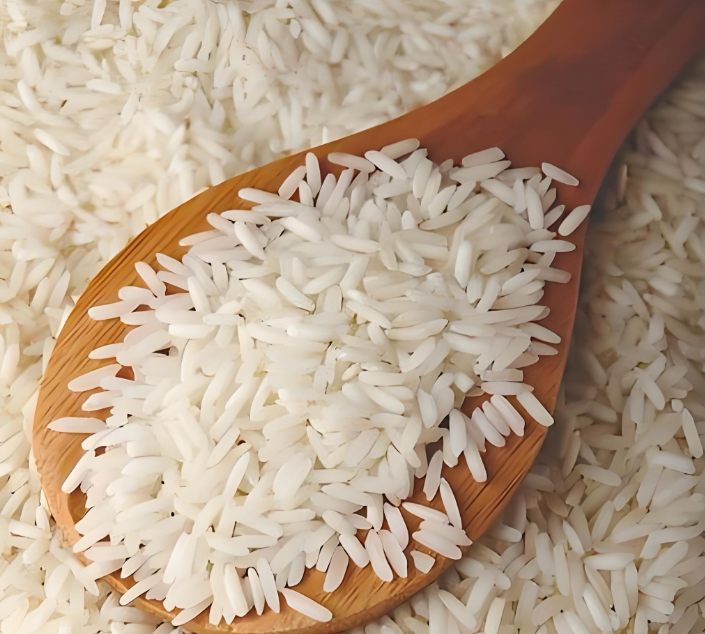
2. The Analogy to “Enriched” Grains
The naming convention for fortified rice follows a historical precedent set by other staple grains, particularly wheat flour. In the early 20th century, as milling technologies advanced, producers began removing the bran and germ from wheat to produce white flour. While this improved shelf life and texture, it stripped away essential nutrients like iron, thiamine (B1), riboflavin (B2), and niacin (B3). In response, governments mandated that these lost nutrients be added back to the flour. This process was termed enrichment (to “enrich” means to improve or enhance the quality of something by adding something else).
Fortified rice operates on the same principle. Natural milled white rice is poor in many micronutrients, especially iron, zinc, and folic acid. By adding these back, we are fortifying (or enriching) the grain. In many countries, the terms “fortified” and “enriched” are used interchangeably. However, “fortification” is often the broader term, covering the addition of nutrients not originally present (e.g., adding Vitamin A to rice, which never originally contained it), while “enrichment” refers specifically to restoring nutrients lost during processing.
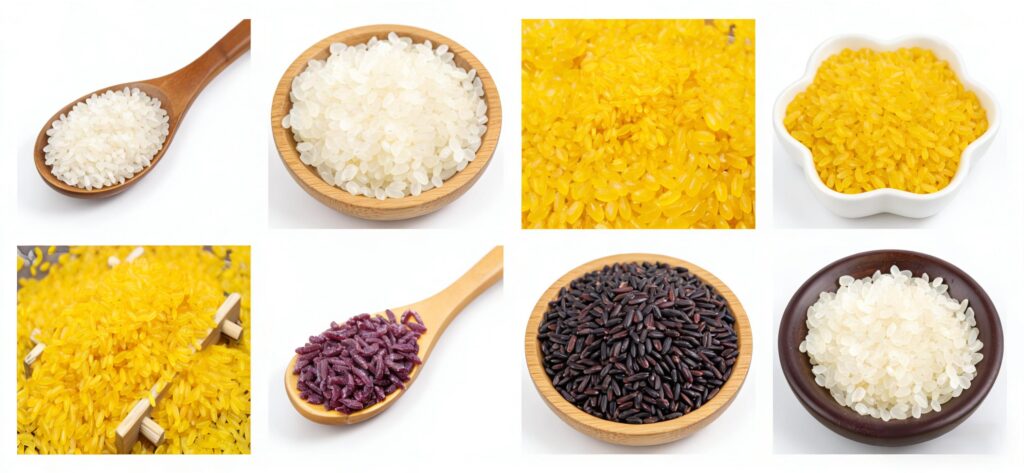
3. The Need for a Specific Name: Distinguishing from Natural Rice
The name “fortified rice” is also crucial to distinguish the product from ordinary, non-fortified rice. Visually, high-quality fortified rice looks nearly identical to natural rice. Without the “fortified” label, a consumer would have no way of knowing that the grains they are cooking contain added micronutrients. The name serves as a critical communication tool:
- For consumers: It signals that the product offers additional health benefits beyond basic sustenance. It also implies a potential difference in handling (e.g., do not over-wash, as this might wash away the added vitamins).
- For policymakers: It identifies a public health tool. When a government distributes “fortified rice” through social safety nets (e.g., school meals or food aid), the name guarantees that the rice meets specific nutritional standards.
- For manufacturers: It defines the production process—whether using extrusion technology to create artificial fortified kernels or coating methods—which differs from simply milling and polishing rice.
4. The “Kernel” of the Name: How Fortification is Achieved
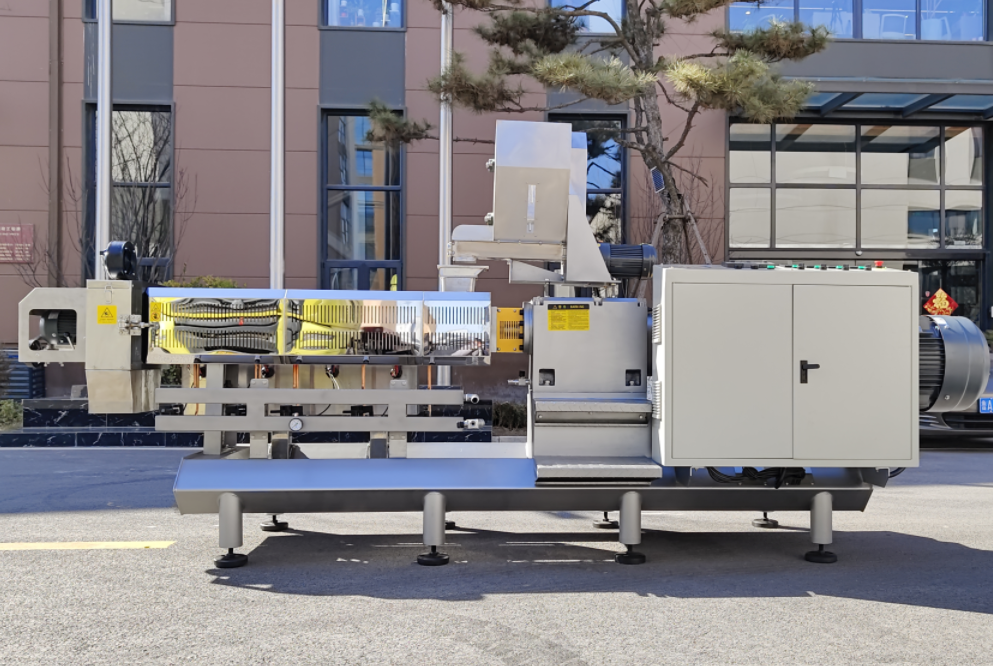
The name is further justified by the technology used to create it. Unlike wheat flour, where powdered vitamins can be simply mixed in, whole rice grains are difficult to fortify because nutrients applied to the surface are easily washed off. Most modern fortified rice is produced via extrusion: rice flour is mixed with a vitamin-mineral premix, water, and dough is forced through a die to create kernel-shaped particles that mimic natural rice. These artificial kernels are then blended with natural rice (usually at a ratio of 1:100).
Because these kernels are made with the nutrients inside them, they are “fortified” by design. The name reflects this intrinsic reinforcement, as opposed to a simple external coating.
Conclusion
In summary, rice is called “fortified rice” because the name accurately describes the process of deliberately adding essential micronutrients to strengthen its nutritional value. The term draws from the established scientific and regulatory concept of food fortification, aligns with the historical practice of enriching staple grains, and serves a vital communicative function. It clearly tells consumers, policymakers, and producers that this rice is not just a source of calories, but a fortified tool for building better health. Just as a fort protects a city, fortified rice helps protect a population from the hidden hunger of micronutrient deficiencies. If you are interested in the fortified rice making machine, you can contact me , i will give you good advice and solutions .
1.Will you help us with the installation ?
Yes , We will send engineers to install and debug the equipment, and assist in training your staff.
2.Are you a factory or trading company?
We are a factory.
3.What certificate do you have?
We have ISO and CE certificate.
4.How long is the warranty period?
All of our machines have one year warranty.
5.What’s the main market of your company?
Our customers all over the world.
6.How much production capacity of your company one year?
This depends on your needs.
 German
  English
  Russian
  Spanish
  Italian
  Arabic
  Portuguese
  French
  Japanese
  Moroccan Arabic
  Persian
  Belarusian