
Perhaps the most surprising role of modified starch is in the construction industry. It is a key, though invisible, ingredient in many modern building materials. When you walk into a room with perfectly level walls, or admire a precisely placed tile, modified starch helped make that possible.
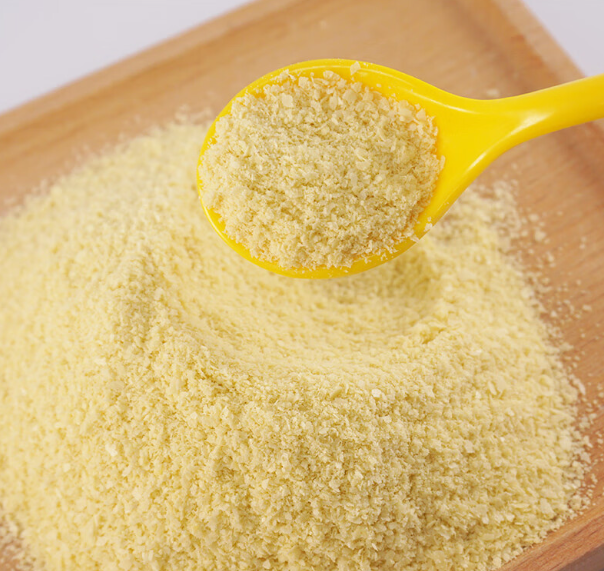
Starch ethers, a type of chemically modified starch, are added to dry mortars, tile adhesives, and plasters. In tile adhesives, they prevent the heavy tiles from slipping down the wall after application, improving “anti-slip” properties and extending the “open time” (the time the adhesive remains workable) . In gypsum plasters and cement-based renders, they act as rheology modifiers and water-retention agents. They improve the workability and consistency of the wet mix, making it easier for workers to apply smoothly, while also ensuring the water doesn’t get sucked out too quickly by the porous wall, which would cause the plaster to crack and not cure properly .
The High-Tech Frontier: Bioplastics and Beyond
Driven by the global push for sustainability, modified starch is at the forefront of developing biodegradable materials. It is a primary feedstock for bioplastics, where it is combined with other biopolymers to create films and molded items. However, this is not a simple swap. Native starch makes for brittle, water-sensitive plastic. Therefore, modification is essential to improve its mechanical strength, thermal stability, and barrier properties to create a viable alternative to petroleum-based plastics .
Emerging technologies are also leveraging modified starch. In pharmaceuticals, it is engineered for controlled drug release and regenerative medicine . In the field of bioelectronics, researchers are exploring its potential . Even 3D and 4D printing are recognizing the versatile potential of this engineered biomaterial .
Exposing the Hidden Costs: The “Dirty Secrets” of Modification
To truly expose the industrial use of modified starch, one must also look at the methods of its creation, which have their own environmental and health “secrets.”
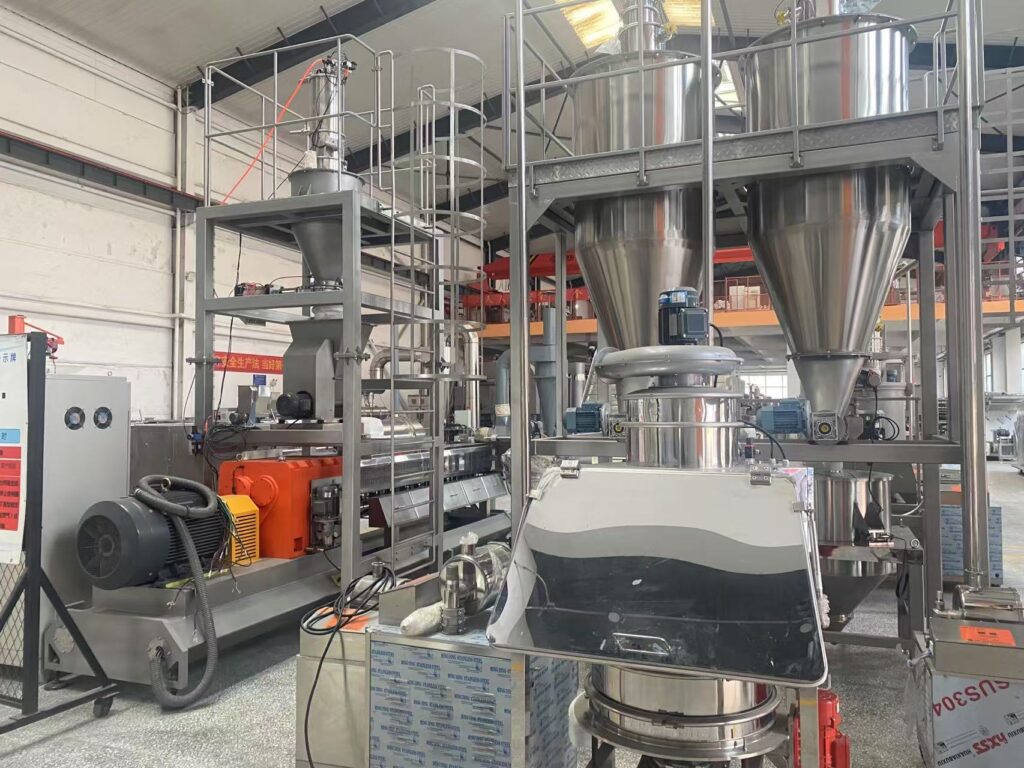
- The Chemical Legacy: The most common and cost-effective method is chemical modification, using processes like esterification, oxidation, or acid hydrolysis. The “dirty secret” here is the use of toxic reagents, the generation of harmful by-products, and the creation of chemical wastewater that requires extensive treatment . This raises concerns about consumer safety and environmental pollution .
- The Consumer Deception: There is a notable lack of long-term research on the health effects of consuming chemically modified starches . Furthermore, their presence in food products must be labeled, which often deters health-conscious consumers, pushing manufacturers to seek “cleaner” alternatives .
- The High Cost of “Green”: In response, the industry is pivoting towards enzymatic and physical modification methods, which are considered more environmentally friendly and specific . The exposé, however, reveals that these “green” methods come with their own set of challenges—they are often significantly more expensive, slower, and difficult to scale up for mass production . The production of enzymes themselves also has an environmental footprint.
In conclusion, an exposé of modified starch’s industrial reveals a substance of dualities. It is an invisible hero, essential for the strength of our paper, the efficiency of our textile production, the quality of our buildings, and the promise of sustainable bioplastics. Yet, its creation often relies on harsh chemical processes with hidden environmental costs. The ongoing revolution in starch modification is therefore not just about creating new functions, but about reconciling its industrial necessity with the demand for a cleaner, more transparent, and truly sustainable future.
 German
  English
  Russian
  Spanish
  Italian
  Arabic
  Portuguese
  French
  Japanese
  Moroccan Arabic
  Persian
  Belarusian