
Producing high-quality fish food is both an art and a science, essential for the health, growth, and vibrant coloration of aquarium fish, farmed species, or ornamental koi. Superior nutrition directly impacts fish immunity, vitality, and water quality. Here is a detailed guide on the key principles and steps involved in manufacturing premium fish food.
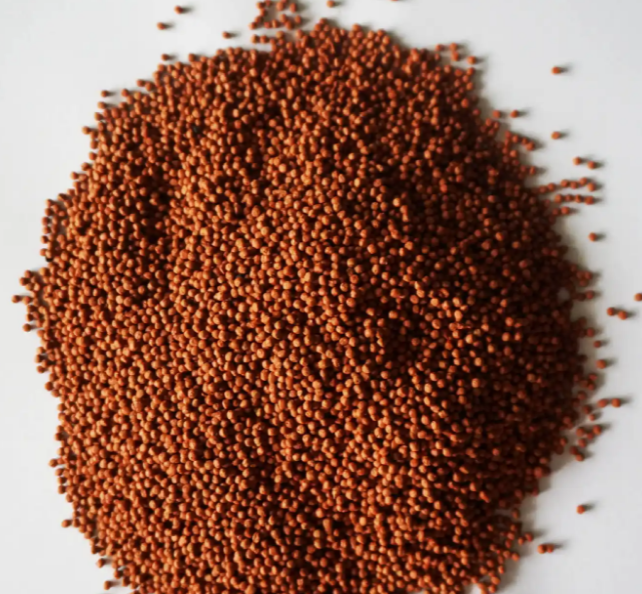
1. Formulation: The Foundation of Nutrition
A balanced formulation caters to the specific dietary needs of the target species (e.g., herbivorous, carnivorous, or omnivorous). Key components include:
- Protein Sources: High-quality, digestible proteins are crucial. Use fish meal (from sustainable sources), squid meal, shrimp meal, spirulina algae, and plant proteins like soybean meal. The protein level should match the species’ natural diet.
- Fats and Oils: Provide energy and essential fatty acids (like Omega-3 and Omega-6). Marine fish oils, krill oil, and plant oils (such as wheat germ oil) are excellent. fish feed making machine Proper stabilization with antioxidants (e.g., vitamin E) is vital to prevent rancidity.
- Carbohydrates: Use in moderation from digestible sources like wheat flour, starch, or algae. Excess can hinder digestion, especially for carnivorous fish.
- Vitamins and Minerals: Incorporate a precise premix including Vitamins A, C, D, E, K, and B-complex, along with calcium, phosphorus, and trace elements. Vitamin C (L-ascorbyl-2-polyphosphate) and vitamin E are particularly important for immunity.
- Binders and Additives: Natural binders (e.g., agar, gelatin, wheat gluten) hold pellets together. Optional beneficial additives include probiotics, natural color enhancers (astaxanthin for reds, spirulina for blues/greens), and immune stimulants like beta-glucans.
2. Ingredient Sourcing and Quality Control
The quality of the final product cannot exceed the quality of its ingredients. Source raw materials from reputable suppliers with certificates of analysis. Implement strict incoming inspections for:
- Freshness and absence of rancidity
- Purity (low levels of ash, moisture, and contaminants)
- Nutritional profile (protein/fat content)
- Absence of pathogens (like Salmonella) and heavy metals
3. Processing Methods
The chosen method affects nutrient retention, digestibility, and pellet stability in water.
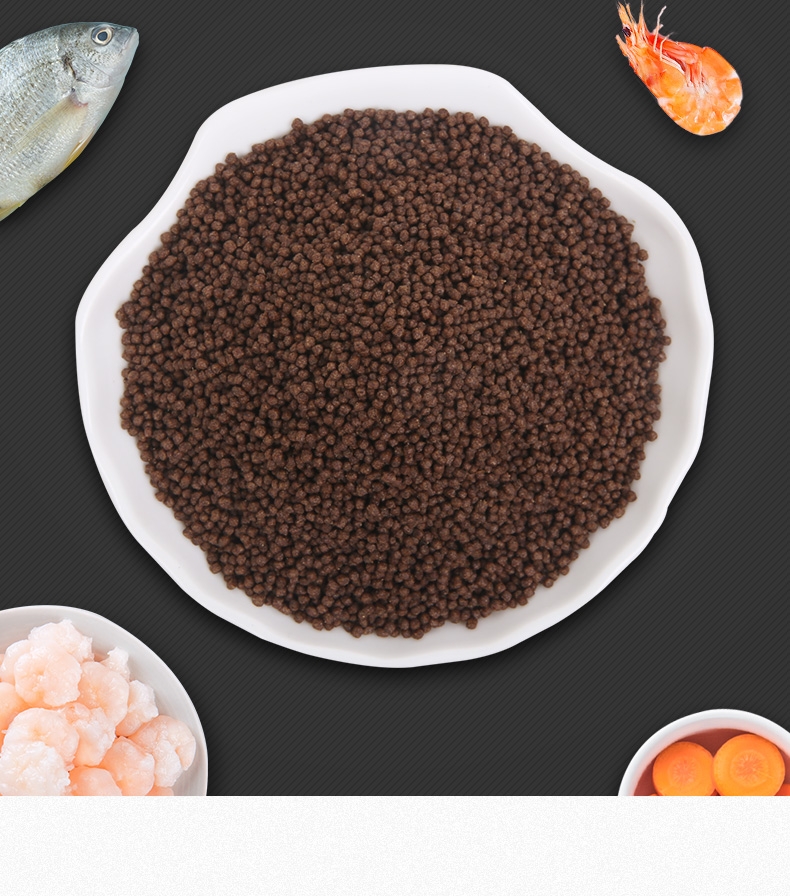
- Extrusion: The most advanced method for producing floating or slow-sinking pellets. Ingredients are mixed, cooked under high temperature and pressure, and pushed through a die. This process:
- Gelatinizes starches, improving digestibility.
- Destroys anti-nutritional factors and pathogens.
- Allows control over pellet density (float vs. sink).
- Must be carefully controlled to avoid overheating and destroying heat-sensitive vitamins.
- Cold-Pressing: Ingredients are mixed and pressed into pellets at lower temperatures (usually below 70°C). fish feed making machine This better preserves heat-sensitive nutrients but may result in less water-stable pellets and require stricter microbial control.
- Baking: A gentler process than extrusion, producing highly digestible and water-stable pellets, often used for premium foods.
4. Drying and Cooling
After shaping, pellets must be dried to a safe moisture level (below 10%) to prevent mold growth and extend shelf life. Proper cooling follows drying to prepare the pellets for coating and packaging. Fluidized bed dryers are efficient for this stage.
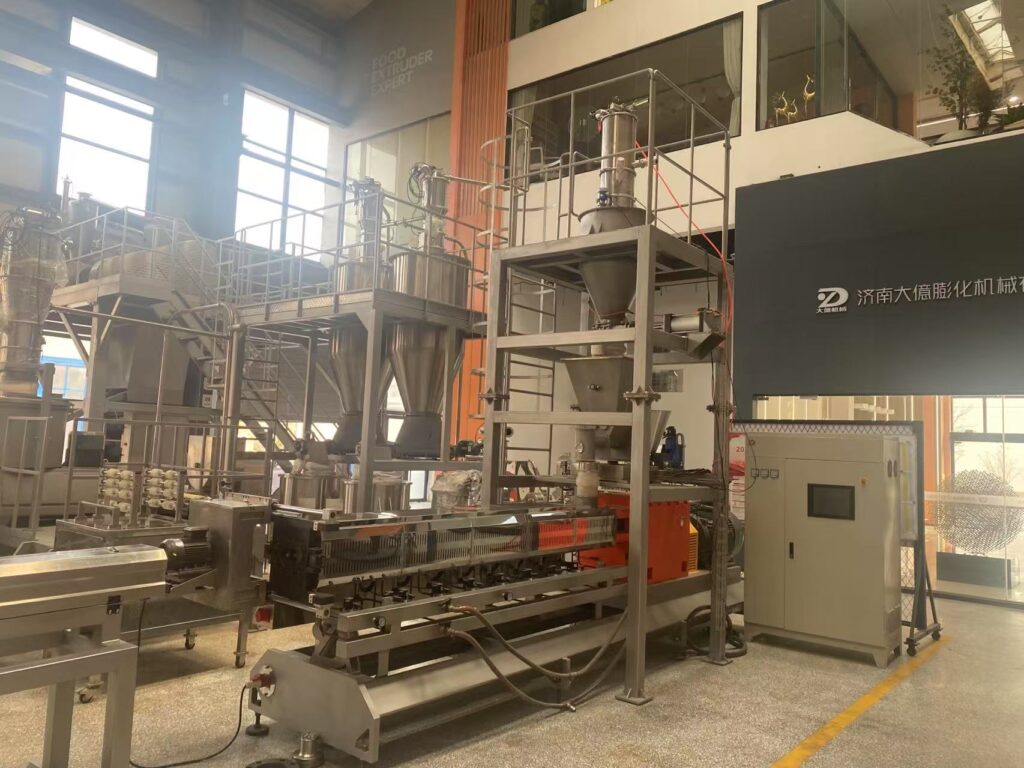
5. Post-Processing: Coating and Enrichment
After drying, heat-sensitive nutrients (like certain vitamins, probiotics, and oils) can be added via vacuum coating or spray coating. This ensures these critical components remain active in the final product.
6. Quality Assurance and Testing
Rigorous QA is non-negotiable. This includes:
- Laboratory Analysis: Regular testing for guaranteed nutritional levels (proximate analysis), vitamin/mineral content, and contaminants.
- Physical Tests: Checking pellet durability (low fines), water stability (how long it holds together without clouding water), and sink/float rate.
- Digestibility Trials: Assessing how efficiently fish absorb nutrients.
- Feeding Trials: The ultimate test. Observing fish health, growth rates, coloration, and waste production over time.
7. Packaging
Use opaque, airtight, and moisture-proof packaging (often with nitrogen flushing) to block light and oxygen – the main enemies of nutrient integrity. Clear resealable bags are inferior for long-term storage.
Conclusion
Producing high-quality fish food requires a holistic commitment: species-specific formulation, premium raw materials, gentle yet precise processing, and unwavering quality control. fish feed making machine The end goal is a highly palatable, nutrient-dense, and digestible food that supports optimal fish health while minimizing waste, thereby contributing to a cleaner aquatic environment. By investing in these steps, manufacturers can ensure their product truly enhances the well-being of the fish it feeds.
 German
  English
  Russian
  Spanish
  Italian
  Arabic
  Portuguese
  French
  Japanese
  Moroccan Arabic
  Persian
  Belarusian