
The Multifaceted Magic of Breadcrumbs: A Culinary Workhorse
Often underestimated, breadcrumbs are a powerhouse ingredient found in nearly every cuisine. Far more than just a coating for fried foods, they serve as a binder, extender, texturizer, and flavor carrier, bringing structure, crunch, and depth to an astonishing variety of dishes. Their inherent ability to absorb moisture and fat, crisp when heated, and provide a neutral yet toasty base makes them indispensable in both home kitchens and professional settings.
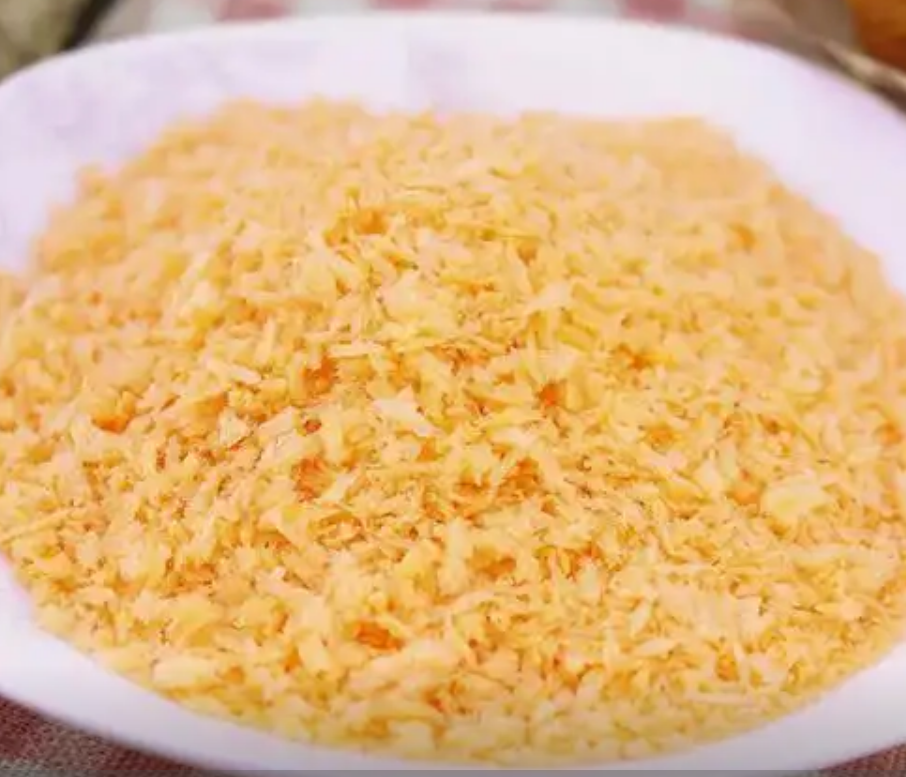
Here is a comprehensive look at the diverse applications of breadcrumbs.
1. The Classic Role: Creating the Perfect Crust
This is the most iconic use for breadcrumbs, where they are employed to form a delicious, protective, and crispy exterior.
- Crispy Coatings: Used for pan-frying, deep-frying, or baking foods like chicken cutlets, fish fillets, pork chops, eggplant Parmesan, and mozzarella sticks. The crumbs create a golden barrier that seals in juices.
- Oven-Baked “Frying”: A healthier alternative for creating a satisfying crunch. Items like oven-baked chicken tenders or zucchini fries are tossed with oiled or spiced breadcrumbs and baked until crisp.
- Toppings for Gratins & Casseroles: Mixed with melted butter, herbs, garlic, and cheese (especially Parmesan), breadcrumbs form an irresistible golden-brown crust on dishes like macaroni and cheese, scalloped potatoes, or baked pasta.
2. The Essential Binder: Holding It All Together
Breadcrumbs are masters of absorption, providing structure to moist mixtures by soaking up excess liquid and fat.
- Meatballs, Meatloaf & Burgers: They prevent these dishes from becoming overly dense, ensuring a tender, cohesive texture that holds its shape during cooking.
- Veggie Burgers & Patties: Crucial for binding ingredients like beans, lentils, mushrooms, or shredded vegetables, allowing them to be formed into firm patties.
- Stuffings & Fillings: They form the absorbent base for stuffings inside poultry, vegetables (like bell peppers or tomatoes), or as a binding component in dumpling and ravioli fillings.
3. The Texture Transformer: Adding Crunch & Mouthfeel
Breadcrumbs can be strategically used to introduce contrasting texture to a wide array of dishes.
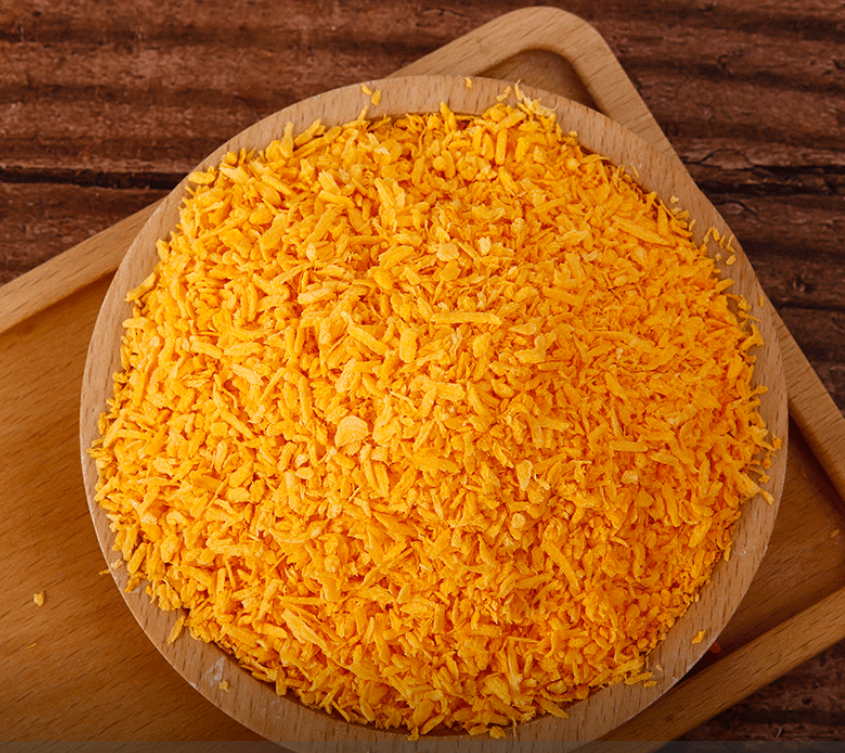
- “Poor Man’s Parmesan” (Pangrattato): In Italian cuisine, coarse breadcrumbs are toasted in olive oil with garlic and herbs until golden and crunchy. This “pangrattato” is sprinkled over pasta (like spaghetti aglio e olio), soups, or steamed vegetables as a flavorful, textured garnish.
- Salad & Soup Garnish: A sprinkle of toasted, seasoned breadcrumbs adds a welcome crunch to creamy soups, chowders, or simple green salads.
- Fritters & Croquettes: They provide structural integrity and a delicate crust to items like zucchini fritters, crab cakes, or potato croquettes.
4. The Flavor & Thickening Agent
Beyond texture, breadcrumbs act as a vehicle for flavor and can modify the consistency of sauces and fillings.
- Flavor Base: Toasting breadcrumbs with spices (paprika, cumin), citrus zest, nuts, or dried mushrooms creates a potent seasoning blend for finishing dishes.
- Thickening Agent: They can be used to thicken and add body to soups, stews, and sauces. A classic example is the Spanish cold tomato soup, salmorejo, which uses bread as a primary thickener.
5. The Practical Extender
Breadcrumbs provide an economical way to add volume and stretch more expensive ingredients without sacrificing quality.
- Extending Meat: Adding breadcrumbs to ground meat mixtures increases yield and can improve texture by preventing toughness.
- Bulking Agent: They add substance to stuffed vegetables or seafood mixtures, ensuring a satisfying portion.
6. Creative & Global Applications
- British Bread Sauce: A classic holiday sauce where breadcrumbs are gently cooked with milk infused with onion and cloves.
- Spanisch Migas: A dish where day-old bread (or coarse crumbs) is the star, pan-fried with garlic, paprika, and often chorizo or grapes.
- Dessert Applications: Fresh, soft breadcrumbs form the base of bread puddings, summer puddings, and can be used in certain pie crusts or as a topping for baked fruit crisps.
- Breading for Baking: A layer of breadcrumbs can prevent wet fillings (like in a quiche or pie) from making the bottom crust soggy.
Choosing Your Crumb: A Quick Guide
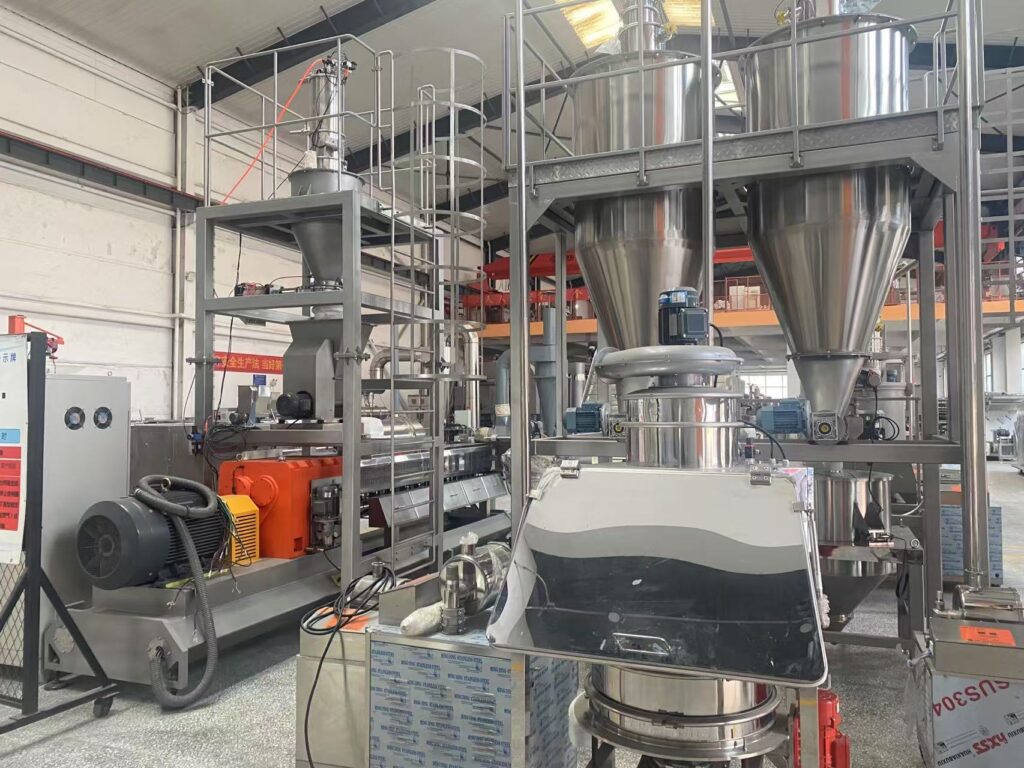
- Dry Breadcrumbs: Finely ground, uniform, and dry. Best for even coatings, binders, and toppings. They provide a consistent, fine crunch.
- Panko: Japanese-style, flaky crumbs. Create an extra-crispy, airy, and light crust as they don’t compact like traditional crumbs and absorb less oil. Ideal for ultra-crunchy coatings.
- Fresh Breadcrumbs: Made from fresh, soft bread. They have a tender, moist texture perfect for stuffings, binders in delicate items, and bread puddings.
- Seasoned Breadcrumbs: Pre-mixed with herbs, salt, and sometimes cheese. Convenient for quick coatings but offer less control over flavor.
Conclusion
The humble breadcrumb is a testament to culinary ingenuity and resourcefulness. Its roles as a texturizer, binder, extender, and flavor enhancer make it one of the most versatile and essential tools in cooking. From creating the perfect crispy coating to adding the final textural flourish to a pasta dish, understanding the full spectrum of breadcrumb applications empowers cooks to build better texture, structure, and flavor in countless recipes. It is truly a quiet workhorse of the culinary world.
 German
  English
  Russian
  Spanish
  Italian
  Arabic
  Portuguese
  French
  Japanese
  Moroccan Arabic
  Persian
  Belarusian