
The global commercial dog food market, valued at approximately USD 55-60 billion in 2023, is a resilient and dynamic sector within the broader pet care industry. Driven by deep emotional bonds, humanization trends, and rising disposable incomes, the market is projected to grow at a Compound Annual Growth Rate (CAGR) of 5-7% through 2030. However, this growth is no longer linear. The industry is undergoing a fundamental transformation shaped by consumer demand, technological innovation, and heightened competition.
1. Primary Growth Drivers: Beyond Basic Nutrition
- The Humanization Megatrend: Dogs are increasingly considered family members. This translates directly into spending where owners seek products mirroring human food trends: premiumization, functional benefits, and transparent sourcing. “Food as love” is a powerful purchasing motivator.
- Demographic Shifts: Millennials and Gen Z, now the primary pet-owning cohorts, are digital natives who deeply research products. They prioritize ingredient integrity, sustainability, and brand ethics, fueling demand for niche and direct-to-consumer (DTC) brands.
- Rising Global Pet Ownership: Post-pandemic adoption booms, particularly in Asia-Pacific (the fastest-growing region) and Latin America, are expanding the addressable market. dog food machinery Urbanization and smaller household sizes further contribute to this trend.
- The Premiumization Flywheel: Growth is increasingly concentrated in the super-premium, natural, and therapeutic segments. Owners are trading up from economy to premium and from premium to ultra-specialized diets (e.g., fresh, freeze-dried, vet-formulated).
2. Key Market Segments & Evolving Demand

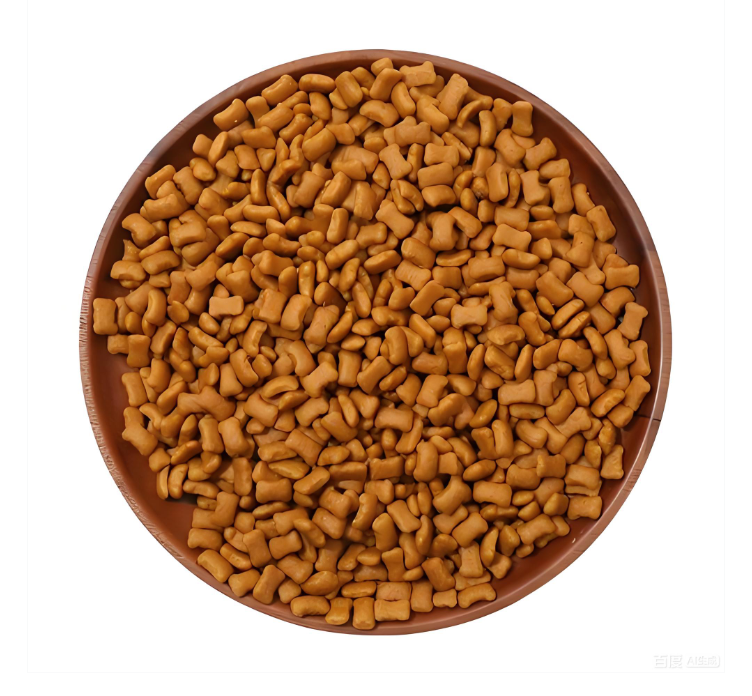
- Dry Kibble: Still dominates volume share (>60%) due to its convenience and cost-effectiveness. However, growth here is in high-value kibble—grain-free, limited-ingredient, recipes with ancient grains, or fortified with functional supplements (e.g., for joint, cognitive, or gut health).
- Wet Food: Gaining share as it is perceived as more palatable and “closer to real meat.” Innovation focuses on gourmet recipes, complementary toppers, and convenient formats like trays and pouches.
- The Explosive Alternatives:
- Fresh/Refrigerated: The highest-growth segment, embodying the human-grade, minimally processed ideal. Brands like The Farmer’s Dog and Nom Nom lead this DTC-centric model.
- Freeze-Dried & Dehydrated: Positioned as a convenient bridge between kibble and raw, offering nutritional density and shelf stability.
- Veterinary Diets: A high-margin, science-driven segment with strong brand loyalty, typically sold through clinics.
3. Critical Challenges & Industry Headwinds
- Ingredient Inflation & Supply Chain Volatility: The cost and availability of key proteins, grains, and logistics remain a persistent pressure on margins.
- Hyper-Competition & Channel Fragmentation: The barrier to entry for niche brands is low. Competition comes not only from legacy giants (Mars, Nestlé) but also from agile DTC startups, private label offerings from premium retailers, and even human food brands expanding into pet care.
- Regulatory Scrutiny & “Greenwashing” Claims: Regulators (e.g., FDA, FTC) are increasingly examining claims like “natural,” “human-grade,” and “sustainable.” dog food machinery The 2019 link between certain grain-free diets and Dilated Cardiomyopathy (DCM) heightened consumer scrutiny of formulation science, moving the conversation beyond marketing to nutritional biochemistry.
- Sustainability as a Non-Negotiable: A product’s environmental pawprint is now a purchase factor. Demand is rising for alternative proteins (insect, single-cell, plant-based), recyclable packaging, and carbon-neutral claims.
4. Future Trends Shaping the Next Decade

- Personalization & Technology: The future lies in algorithm-based diets. Using data on a dog’s breed, age, activity, health metrics, and even DNA, companies will offer tailored meal plans and subscription boxes, blurring the lines between food, tech, and healthcare.
- The “Health & Wellness” Integration: Dog food will increasingly be viewed as preventative medicine. Functional ingredients like probiotics, omega-3s, CBD (where legal), and adaptogens will become mainstream. Collaboration with veterinary professionals will be key for credibility.
- Omnichannel Dominance: The winning model will seamlessly integrate subscription DTC convenience with strategic retail partnerships (especially in specialty pet stores and vet clinics) for discovery and trust-building.
- Transparency as Currency: Brands will leverage blockchain for traceability, live-feed manufacturing videos, and detailed sourcing stories to build trust. “Farm-to-bowl” narratives will be standard for premium brands.
Conclusion: A Market of Diverging Paths
The dog food market is bifurcating. On one path, value-driven, mass-market products will compete on price and efficiency. dog food machinery On the other, the premium, personalized, and purpose-driven segment will compete on brand story, scientific innovation, and proven outcomes. Success will depend on a brand’s ability to authentically connect with evolving consumer values, invest in robust nutritional science, and build agile, transparent supply chains. The era of one-size-fits-all kibble is over; the future belongs to segmented, sophisticated, and solution-oriented nutrition.
 German
  English
  Russian
  Spanish
  Italian
  Arabic
  Portuguese
  French
  Japanese
  Moroccan Arabic
  Persian
  Belarusian