
For decades, breakfast cereal giants have marketed cornflakes as a wholesome, simple start to the day—a “sunshine in a bowl.” The reality of their industrial manufacturing process, however, is a far cry from this rustic image. corn flakes machine It’s a journey of extreme processing designed for shelf life, crunch, and addictive taste, often at the expense of nutritional value.
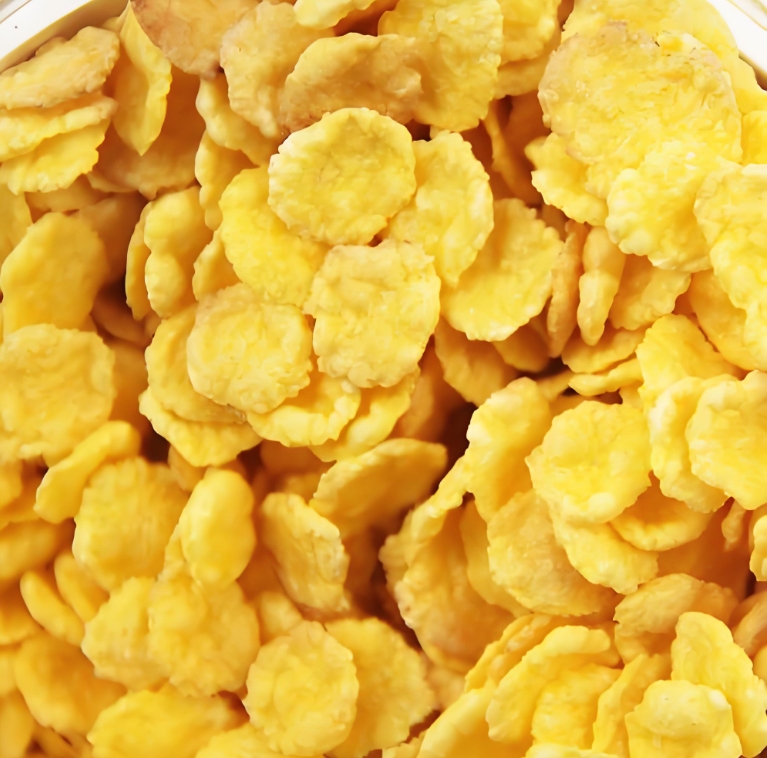
From Kernel to “Flake”: A Process of Transformation
- The Base Ingredient: It begins not with sweet, fresh corn, but often with #2 yellow dent corn, a commodity crop typically genetically modified for pest resistance and high yield. This corn is first milled to remove the fibrous hull and nutrient-rich germ, leaving mostly the starchy endosperm. This creates degermed cornmeal, already stripped of healthy fats, fiber, and key vitamins.
- The Cooking Concoction: The cornmeal is then mixed with a slurry of water, sugar (or high-fructose corn syrup), salt, and malt flavoring (for that distinctive, slightly sweet taste). Vitamins and minerals (like niacin, iron) are added back in a synthetic form—a process called “fortification” meant to replace what was stripped away. Preservatives like BHT may also be included to prevent rancidity.
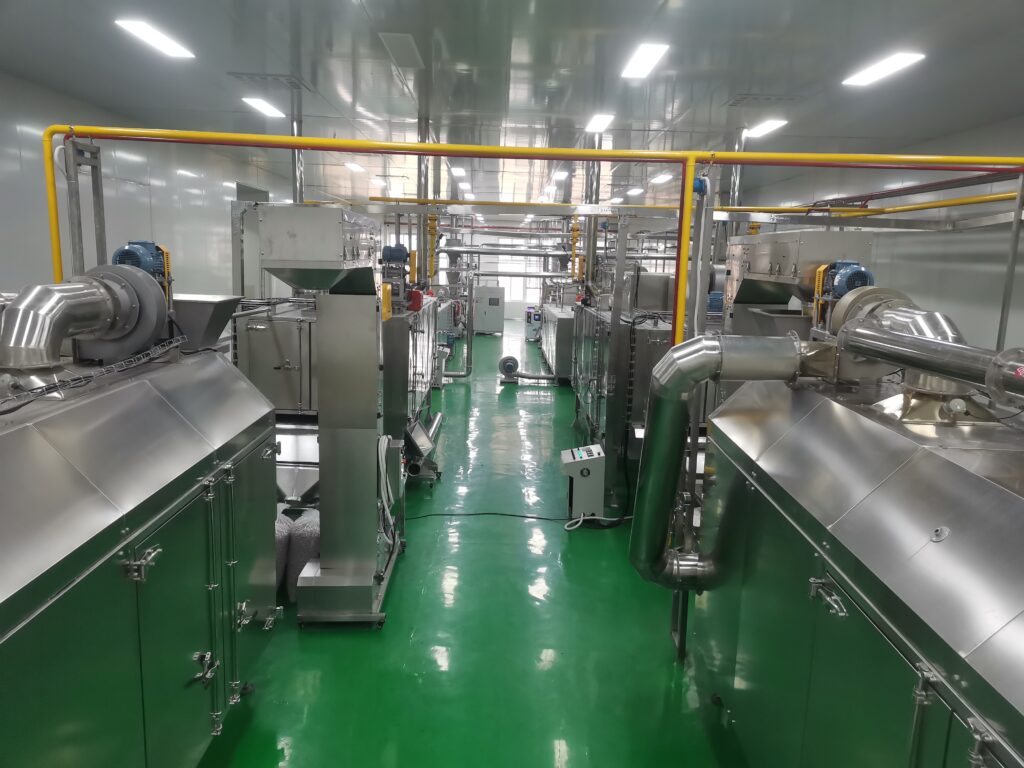
- High-Pressure Extrusion & Flaking: This cooked, sticky dough is forced through powerful extruders—machines that use high heat and immense pressure to shape the product. The dough is pressed between massive metal rollers to create the familiar thin flakes. This intense thermal and mechanical processing significantly alters the structure of the native corn starch and proteins.
- The Drying & Toasting (The “Dehydration”): The wet flakes are then conveyed through giant drying ovens or toasters. Here, they are blasted with hot air to remove nearly all remaining moisture, achieving the dry, crispy texture. This high-temperature step can further degrade heat-sensitive nutrients and may even create advanced glycation end-products (AGEs), compounds linked to inflammation when consumed in excess.
- The Coating (The Flavor Fix): As the flakes cool, they are often sprayed with a fine mist of more sugar, vitamins (which can be damaged by the earlier heat), and artificial or “natural” flavors to ensure every bite is uniformly sweet and flavorful. This is where a cereal promising “lightly sweetened” can end up with sugar as its second or third ingredient.
The Nutritional Paradox: Fortified, Yet Highly Processed
The final product is a triumph of food engineering: uniform, shatteringly crisp, and able to float in milk without immediately turning to mush. However, corn flakes machine this comes with consequences:
- High Glycemic Impact: The extensive processing pre-digests the starches, causing them to spike blood sugar rapidly.
- Low Satiety: Stripped of natural fiber and protein, cornflakes do little to keep you full, often leading to hunger and overeating soon after.
- Sugar Load: The added sugars, sometimes hidden under multiple names, contribute empty calories and can promote cravings.
- A Synthetic Shield: The cocktail of added vitamins creates a “health halo,” masking the fact that you are eating a fundamentally refined carbohydrate with minimal whole food value.
The Illusion of Wholesomeness
Marketing emphasizes the fortification (“an excellent source of vitamins!”) and the idyllic farms on the box, skillfully diverting attention from the industrial reality. corn flakes machine The simple corn kernel is fragmented, rebuilt, and manipulated into a hyper-palatable, shelf-stable format that our bodies recognize more as a processed food substance than as “corn.”
A Healthier Path Forward
Understanding this process empowers better choices. For a truly wholesome start, consider:
- Whole Grain Alternatives: Choose cereals where the first and only ingredient is “whole grain corn” or another whole grain, with minimal added sugar.
- The Ultimate Whole Food: Opt for old-fashioned rolled oats or steel-cut oats, which undergo minimal processing.
- DIY: Make your own granola or muesli from whole oats, nuts, seeds, and a touch of natural sweetener.
The journey of the cornflake is a potent symbol of modern food processing. That satisfying crunch is not the sound of simplicity, but of complex engineering—a truth often drowned out by the splash of milk.
 German
  English
  Russian
  Spanish
  Italian
  Arabic
  Portuguese
  French
  Japanese
  Moroccan Arabic
  Persian
  Belarusian