
Fish feed processing is a critical link between feed formulation and farm performance. fish food making machine Even with an excellent recipe, poor processing can reduce nutrient availability, pellet integrity, and water stability, leading to higher feed waste and inferior growth. The following key points summarize what matters most when manufacturing high-quality fish feed, especially pelleted and extruded products used in aquaculture.
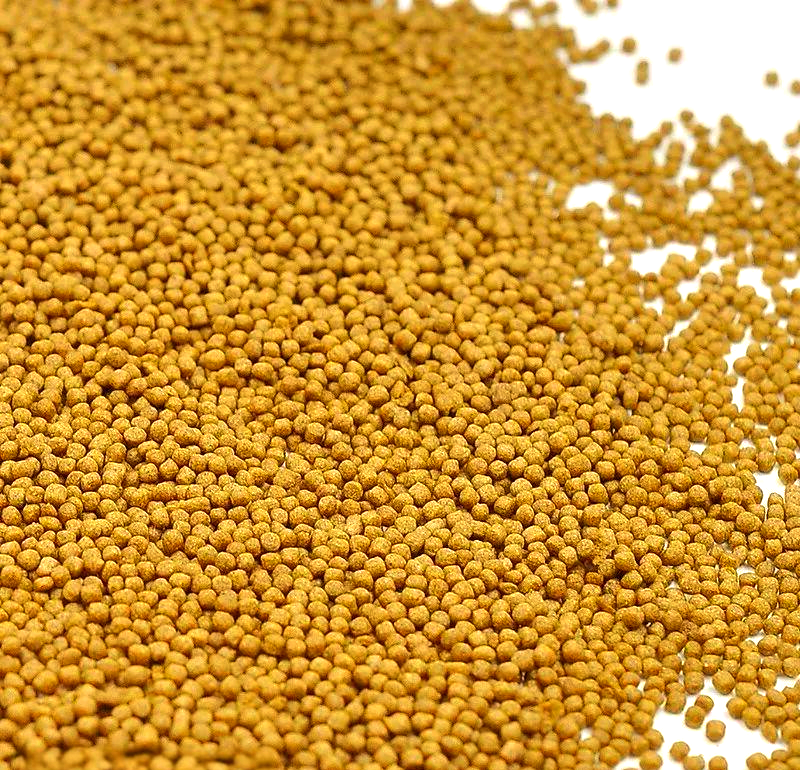
1. Ingredient Selection and Quality Control
Consistent raw materials are the foundation of consistent feed. Fish meal, soybean meal, wheat flour, corn gluten, oils, vitamins, and minerals should be evaluated for:
- Moisture content (to reduce spoilage risk and improve processing stability)
- Protein and lipid variability (affects extrusion behavior and energy density)
- Contaminants such as mycotoxins, heavy metals, and oxidation products (rancidity)
- Particle size and flowability (affects mixing and pellet formation)
Incoming quality checks and supplier audits help prevent production issues and protect fish health.
2. Grinding and Particle Size Management
Grinding improves digestibility and pellet binding, but the optimal particle size depends on species, pellet size, and processing method.
- Fine grinding improves pellet durability and uniformity.
- Overly fine particles can reduce throughput, increase energy use, and cause dust issues.
A controlled milling system (hammer mill or roller mill) and routine sieve analysis are essential for maintaining stable performance.
3. Accurate Batching and Efficient Mixing
Correct dosing of macro-ingredients and micro-ingredients (vitamins, trace minerals, enzymes, pigments, attractants) ensures nutritional targets are met.
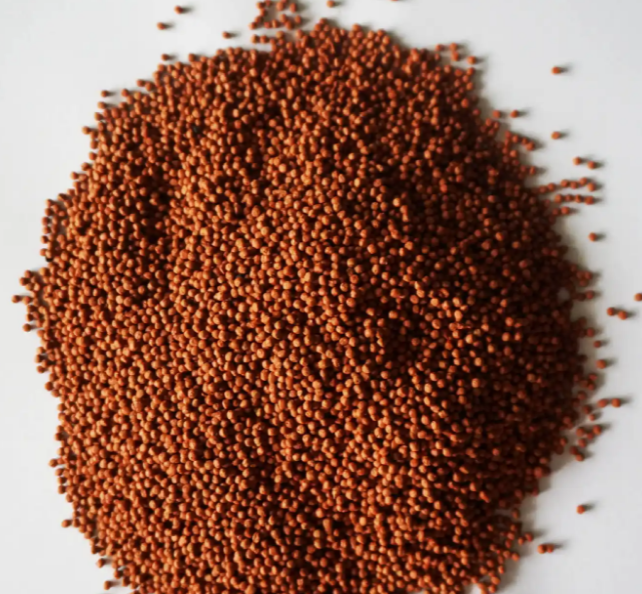
Key practices include:
- Calibrated scales and feeders
- Proper mixing time and mixer loading rate
- Pre-blending of micro-ingredients to improve distribution
- Verification through tracer tests when necessary
Uniform mixing is especially important in aquafeed because small deviations can affect growth, immunity, and water quality.
4. Conditioning: Moisture and Heat Control
Conditioning is often the most influential step before pelleting or extrusion. fish food making machine Steam and/or water are used to raise temperature and moisture, which:
- Improves starch gelatinization and binding
- Enhances pellet durability and water stability
- Reduces microbial load in some cases
Control targets should include:
- Conditioner temperature
- Retention time
- Added moisture level
- Steam quality (dryness fraction and pressure stability)
5. Pelleting vs. Extrusion: Choosing the Right Technology
Pelleting typically produces sinking feed with moderate expansion and good density control. It is energy-efficient and widely used.
Extrusion is preferred for floating or slow-sinking feed because it enables expansion and precise control of bulk density. It also supports higher oil addition through post-coating and can improve cooking effects.
The choice depends on species requirements (floating vs. sinking), farm practices, and desired pellet properties.
6. Control of Starch, Protein, and Fiber Functionality
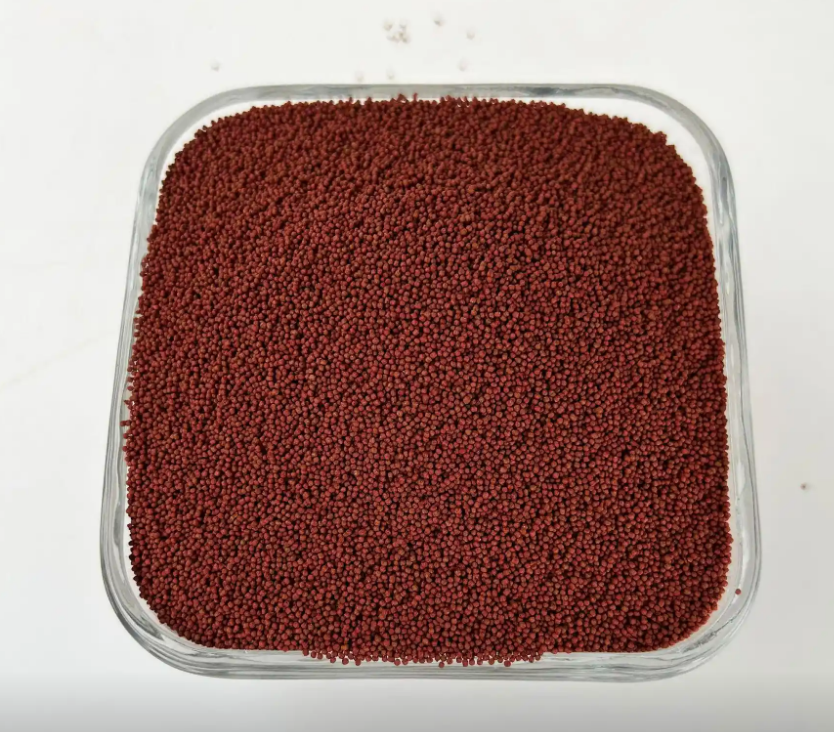
In aquafeed, starch acts as a functional binder, especially for extruded feed. Insufficient or poorly cooked starch reduces pellet strength and increases fines.
- Proteins contribute to structure but can denature with excessive heat.
- High fiber materials can reduce expansion and weaken pellets.
Balancing functional ingredients is as important as meeting nutrient specifications.
7. Pellet Properties: Durability, Water Stability, and Density
Aquafeed must remain intact in water long enough to be consumed, fish food making machine while minimizing nutrient leaching. Key quality indicators include:
- Pellet Durability Index (PDI) to evaluate breakage resistance
- Fines percentage after handling and transport
- Water stability and leaching loss (especially for shrimp and bottom-feeders)
- Bulk density and sinking/floating behavior
Process adjustments (conditioning, die selection, screw configuration, moisture) are often more effective than changing the formula.
8. Drying and Cooling: Preventing Mold and Preserving Nutrients
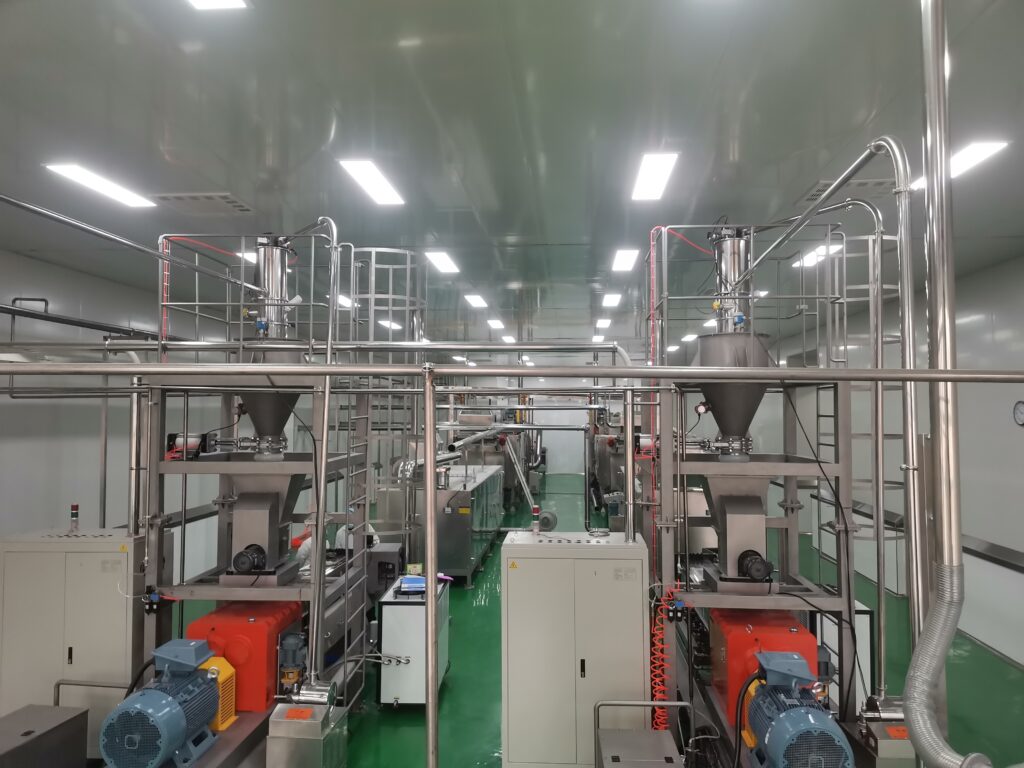
After pelleting or extrusion, feed must be dried and cooled to safe storage conditions.
- Over-drying wastes energy and can increase breakage.
- Under-drying increases mold risk and reduces shelf life.
Cooling should bring pellets close to ambient temperature to prevent condensation in bags or silos. Heat-sensitive additives (some vitamins, probiotics) require special care.
9. Oil and Liquid Addition: Coating and Absorption
Many high-energy aquafeeds require significant lipid levels. When oil is added:
- Post-pellet coating improves energy density without disrupting pellet formation.
- Vacuum coating (common in extrusion plants) increases oil uptake and uniformity while reducing surface greasiness.
Antioxidants may be needed to slow oxidation, and oil quality (peroxide value, anisidine value) should be monitored.
10. Equipment Maintenance and Process Monitoring
Stable production relies on routine inspection and preventive maintenance:
- Die and roller condition (pelleting)
- Screw wear, barrel condition, and die plate (extrusion)
- Steam traps and condensate removal
- Sensors for temperature, moisture, amperage, and throughput
Using process data to identify trends helps reduce downtime and improves batch-to-batch consistency.
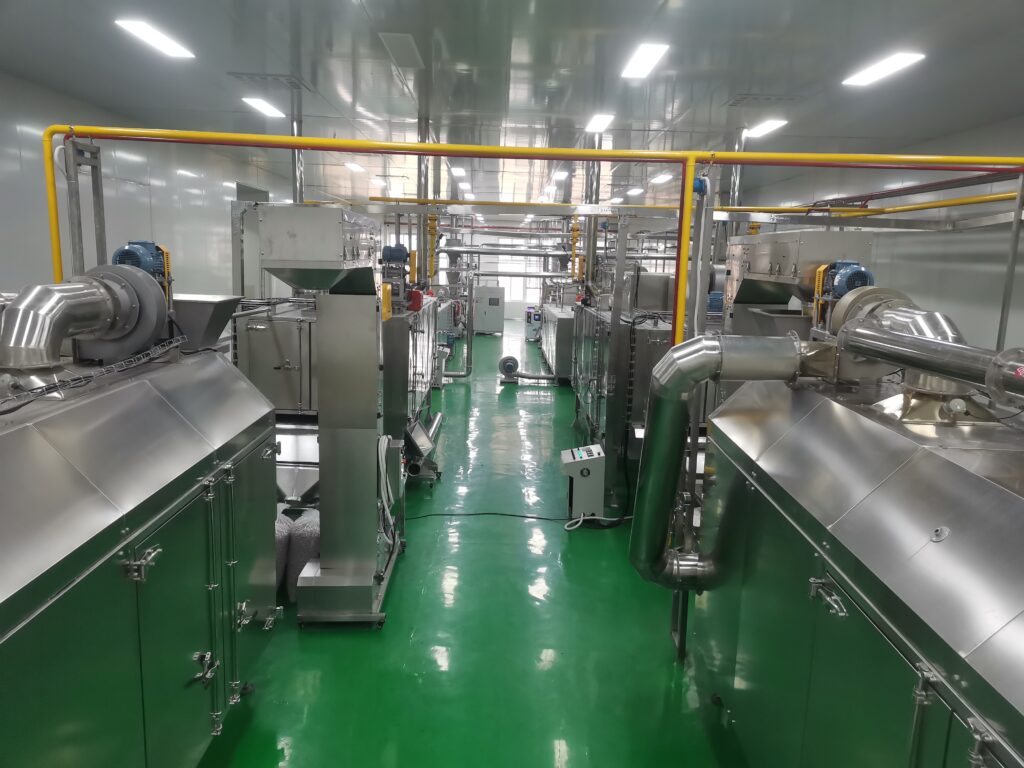
11. Food Safety and Traceability
Aquafeed factories increasingly follow HACCP or similar risk-based systems. Key controls include:
- Mycotoxin management and mitigation strategies
- Cross-contamination prevention (medicated vs. non-medicated lines)
- Metal detection and magnets
- Lot coding and full traceability from raw materials to finished goods
High-quality fish feed is the result of coordinated control over ingredients, particle size, conditioning, forming technology, drying, coating, and rigorous quality assurance. fish food making machine By focusing on consistency and measurable targets—such as durability, water stability, density, and nutrient retention—manufacturers can produce feeds that support better fish growth, lower feed conversion ratios, and reduced environmental impact.
 German
  English
  Russian
  Spanish
  Italian
  Arabic
  Portuguese
  French
  Japanese
  Moroccan Arabic
  Persian
  Belarusian