
The global puffed food market represents a dynamic and expanding segment within the broader snack food industry. Characterized by continuous innovation, shifting consumer preferences, puffed corn snack making machine and robust growth in emerging economies, the sector presents significant opportunities alongside evolving challenges. This analysis examines the current landscape, key growth drivers, emerging trends, and future projections for puffed snacks worldwide.
1. Current Market Landscape
Market Size and Growth
- Global Value: Estimated at USD 68.5 billion in 2023, with a compound annual growth rate (CAGR) of 5.2% from 2024 to 2030.
- Volume Sales: Exceeding 12 million metric tons annually, led by Asia-Pacific (45% share), followed by North America (25%) and Europe (18%).
- Market Leaders: PepsiCo (Frito-Lay), Kellanova, Campbell Soup Company,puffed corn snack making machine General Mills, and Itochu hold approximately 55-60% of the global market share.
Product Segmentation
- By Type: Extruded snacks (45%), baked puffed snacks (30%), puffed cereals (15%), others (10%).
- By Main Ingredient: Corn-based (dominant, ~40%), potato, rice, wheat, multigrain, and emerging plant-based proteins.
- By Distribution Channel: Supermarkets/Hypermarkets (45%), Convenience Stores (25%), Online Retail (rapidly growing at 18% CAGR), Specialty Stores.
2. Primary Growth Drivers
A. Changing Consumer Lifestyles
- Urbanization and busier schedules driving demand for convenient, portable snacks.
- Rising disposable income in developing markets increasing discretionary spending on packaged snacks.
- The “snackification” trend—replacing traditional meals with smaller, more frequent snacking occasions.
B. Innovation in Health and Wellness
- Clean Label Demand: Products with recognizable ingredients, no artificial additives.
- Fortification: Addition of proteins, fiber, vitamins, and minerals to enhance nutritional profile.
- Functional Ingredients: Incorporation of probiotics, prebiotics, adaptogens, and omega-3s.
- Better-For-You (BFY) Options: Baked (vs. fried), air-puffed, low-sodium, and reduced-fat variants.
C. Sustainability and Ethical Consumption
- Demand for environmentally friendly packaging (compostable, recyclable materials).
- Transparency in sourcing (non-GMO, sustainably farmed ingredients).
- Ethical production claims (fair trade, water stewardship).
D. Technological Advancements in Manufacturing
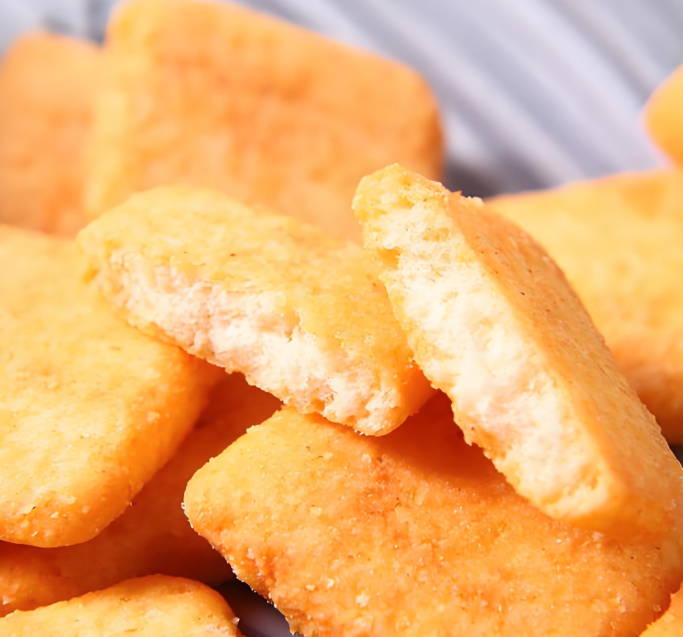
- Improved extrusion technology allowing for novel textures and shapes.
- Advanced drying and baking techniques enhancing flavor and nutrient retention.
- AI and IoT integration for precision manufacturing and quality control.
3. Emerging Trends Shaping the Future
A. Premiumization and Experiential Snacking
- Gourmet flavors (truffle, artisan cheese, global cuisine inspirations).
- Texture hybridization (combining crispy, crunchy, and melt-in-mouth elements).
- Limited edition and seasonal releases driving novelty purchases.
B. Plant-Based and Alternative Ingredients
- Puffed snacks made from lentils, chickpeas, quinoa, and seaweed gaining traction.
- Insect protein (cricket flour) appearing in innovative, high-protein formats.
- Upcycled ingredient utilization (spent grains, vegetable pulp) addressing food waste concerns.
C. Targeted Nutrition
- Snacks formulated for specific demographics: high protein for fitness enthusiasts, puffed corn snack making machine fortified iron for women, brain-healthy nutrients for seniors.
- Pediatric nutrition: fun-shaped, fortified puffs for toddlers and children.
- Medical nutrition: easily digestible puffed foods for elderly or clinical populations.
D. Digital Engagement and E-commerce
- Direct-to-consumer (DTC) brands leveraging social media marketing.
- Personalized subscription boxes for puffed snacks.
- Interactive packaging with QR codes linking to recipes, brand stories, or augmented reality experiences.
4. Regional Market Dynamics
Asia-Pacific (Dominant and Fastest-Growing)
- China & India: Driving growth with expanding middle class and westernization of diets.
- Japan & South Korea: Mature markets favoring premium, health-focused innovation.
- Growth Rate: APAC projected CAGR of 6.8% through 2030.
North America (Mature but Innovative)
- Shift from traditional potato chips to diverse puffed formats.
- Strong demand for organic, non-GMO, and keto-friendly products.
- Consolidation of major brands alongside successful niche DTC players.
Europe (Quality and Regulation Focused)
- Stringent regulations driving clean label reformulation.
- Strong private label presence in supermarkets.
- Growing demand for ethnic and exotic flavors.
Latin America, Middle East & Africa (Emerging Opportunities)
- Rapid urbanization and retail modernization.
- Local adaptation using regional grains (sorghum, millet, cassava).
- Rising health consciousness among urban consumers.
5. Challenges and Constraints
- Commodity Price Volatility: Fluctuations in grain, potato, and oil prices impacting margins.
- Intense Competition: Crowded marketplace requiring continuous marketing investment.
- Regulatory Pressures: Sugar, salt, and fat reduction mandates in multiple countries.
- Supply Chain Complexities: Sourcing sustainable ingredients at scale.
- Negative Health Perceptions: Overcoming the “junk food” image despite product improvements.
6. Future Outlook and Projections (2025-2030)
Market Size Forecast
- Expected to reach USD 92-95 billion by 2030.
- Volume growth estimated at 3.5-4% annually.
Innovation Frontiers

- 3D Food Printing: Creating complex, customized puffed snack structures.
- Precision Fermentation: Developing novel flavors and functional ingredients.
- Nanotechnology: Enhancing nutrient delivery and texture modification.
Sustainability Integration
- Net-Zero Production: Renewable energy use in manufacturing.
- Circular Economy Models: Closed-loop packaging systems.
- Regenerative Agriculture: Sourcing from farms implementing soil-health practices.
Personalization and Tech Convergence
- AI-driven flavor and texture customization based on individual preference data.
- Smart packaging that monitors freshness or interacts with home appliances.
- Integration with health and fitness apps for nutrition tracking.
The puffed food market stands at a transformative juncture. While rooted in traditional snack formats, its future growth will be fueled by health-driven innovation, sustainability imperatives, and digital engagement. Success will belong to companies that can balance mass-production efficiency with the agility to meet niche demands, puffed corn snack making machineall while navigating increasing regulatory scrutiny and shifting consumer values.

The sector’s expansion will increasingly depend on moving beyond mere “empty calorie” consumption toward offering convenient nutrition, experiential enjoyment, and ethical alignment. Companies that invest in R&D for cleaner ingredients, novel processes, and sustainable practices while leveraging data to understand evolving consumption patterns will capture disproportionate value in this growing, global market. The puffed snack of the future will likely be a highly engineered, responsibly produced, and personally relevant product—far evolved from its simple, extruded origins.
 German
  English
  Russian
  Spanish
  Italian
  Arabic
  Portuguese
  French
  Japanese
  Moroccan Arabic
  Persian
  Belarusian