
The twin-screw extruder is a true marvel of industrial processing, renowned for its exceptional flexibility and control. Its co-rotating, food extruder machine intermeshing screws create a highly efficient, self-wiping mixing and pumping action, making it the machine of choice for creating a vast and diverse range of products across multiple industries. From delicate foods to advanced biomaterials, its capabilities are nearly limitless.
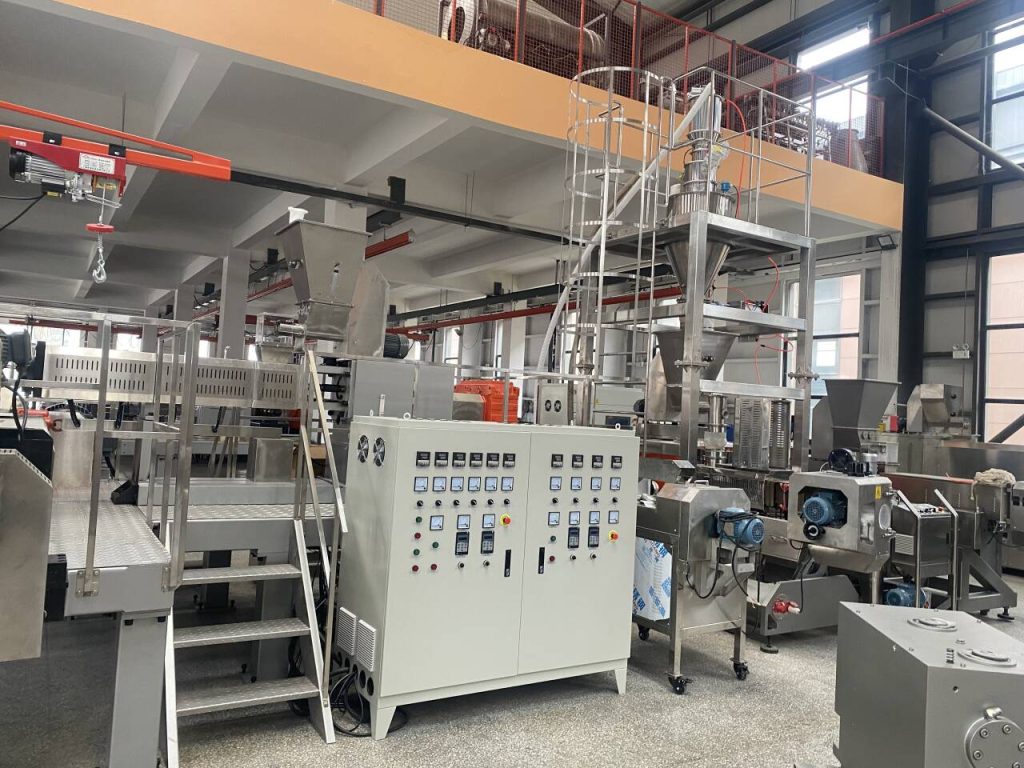
Here is a comprehensive look at the diverse product categories it can manufacture:
1. Food & Nutrition
This is the most prominent application area, where the extruder’s precise thermal and mechanical control is key.
- Breakfast Cereals & Snack Foods:
- Direct Expanded Products: Corn puffs, cheese balls, potato sticks, and protein-based crisps. By adjusting screw configuration and die design, food extruder machine operators can control density, texture (from crispy to crunchy), and shape (rings, balls, tubes).
- Pellet-to-Snack Products: Semi-expanded pellets (also known as “third-generation” or 3G snacks) that are dried and later puffed by frying, microwaving, or hot air to create a variety of shapes.
- Textured Vegetable Protein (TVP) & Meat Analogues:
- By using plant proteins (soy, pea, wheat gluten) and specific high-shear screw profiles, extruders can create layered, fibrous textures that mimic the mouthfeel of meat, poultry, or seafood. This is foundational for plant-based burgers, nuggets, and shredded products.
- Baby Foods & Instant Flours:
- The extruder fully cooks and pre-gelatinizes grains (rice, oats, quinoa), making them easily digestible and instantly soluble in water or milk.
- Confectionery & Chewing Gum:
- Used for cooking candy masses, aerating gums and jellies, and evenly distributing flavors and colors in a continuous process.
- Functional & Fortified Foods:
- Perfect for embedding heat-sensitive nutrients (vitamins, minerals, probiotics) into a protective starch or protein matrix added post-extrusion, or for producing fiber-enriched products.
2. Animal Feed & Pet Nutrition
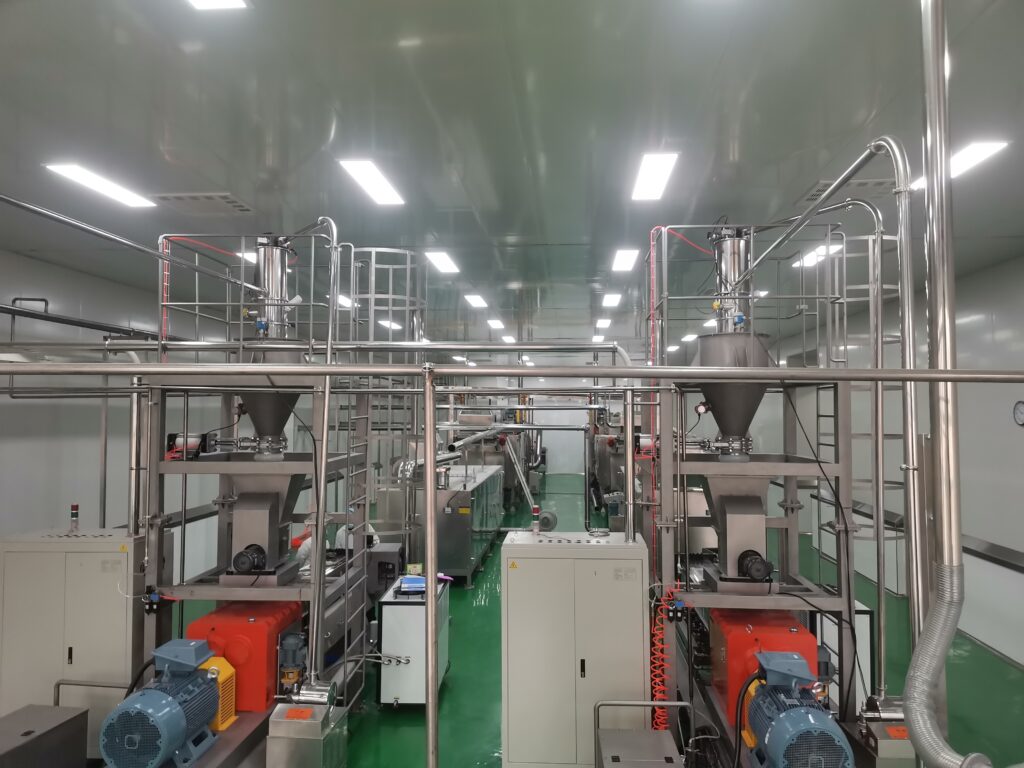
- Aquafeed & Specialty Feeds:
- Produces highly durable, water-stable floating or sinking pellets for fish and shrimp. The expander’s intense cooking improves starch digestibility and denatures anti-nutritional factors.
- Pet Food:
- Creates both dry expanded kibble (with precise control over shape, size, and density) and semi-moortreats. The process ensures sterilization and enhances palatability.
- Livestock Feed:
- Upgrades feed efficiency by gelatinizing starches in grains, improving feed conversion ratios.
3. Modified Ingredients & Additives
- Modified Starches & Gums:
- Physically and functionally modifies native starches to change their viscosity, solubility, and stability for use as thickeners, binders, or encapsulating agents in various food and industrial applications.
- Pre-gelatinized Flours:
- Creates “instant” flours for sauces, gravies, and baked goods that thicken with cold water.
4. Biomass & Advanced Materials
- Biodegradable Packaging & Bioplastics:
- Compounds and processes starch-based polymers (like PLA) and other biopolymers to create pellets for film blowing or injection molding.
- Biomass Densification:
- Converts agricultural residues (sawdust, straw, bagasse) into uniform, high-density fuel pellets or briquettes for efficient combustion.
- Rubber & Polymer Recycling:
- Efficiently re-melts, homogenizes, and degasses post-consumer or post-industrial polymer waste to create uniform recycled pellets for reuse.
5. Chemical & Pharmaceutical
- Encapsulation:
- A powerful tool for encapsulating active pharmaceutical ingredients (APIs), flavors, or fragrances within a carbohydrate or polymer matrix for controlled release.
- Chemical Reactions:
- Functions as a continuous chemical reactor for processes like polymerization or grafting, where precise mixing, heating, and residence time control are required.
Key Advantages of the Twin-Screw for Diverse Products:
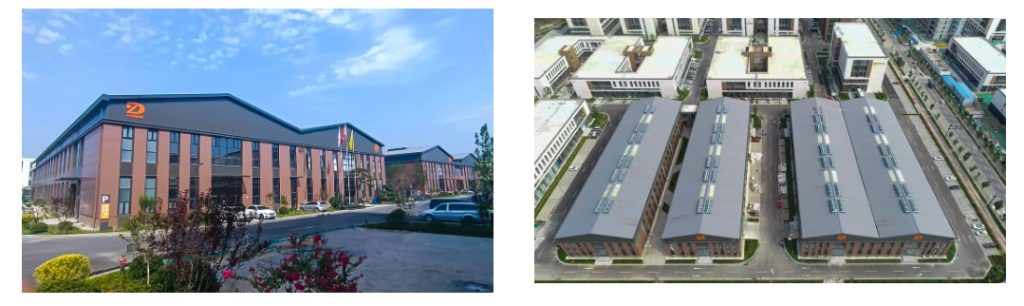
- Modularity: Screws and barrels are built from individual elements (conveying, kneading, mixing disks), allowing infinite configurations for different shear and mixing needs.
- Flexible Feeding: Multiple feed ports allow for the precise addition of base ingredients, flavors, oils, or fragile components downstream in the process.
- Superior Process Control: Independent control over screw speed, temperature profiles, and feed rates allows for “dialing in” the exact texture, density, and functionality required for each unique product.
In essence, the twin-screw extruder is the ultimate food and material transformer. food extruder machine Its power lies in its ability to take raw, often disparate ingredients and—through precisely managed combinations of heat, pressure, and shear—engineer them into structured, functional, and high-value finished products that shape our daily lives.
 German
  English
  Russian
  Spanish
  Italian
  Arabic
  Portuguese
  French
  Japanese
  Moroccan Arabic
  Persian
  Belarusian