
In the world of aquaculture and fish keeping, the choice between floating and sinking feed is not a matter of preference but of precision. fish food pellet machine These two fundamental types of feed are engineered for distinct purposes, targeting different species, farming systems, and management strategies. Understanding their differences is crucial for optimal fish health, growth, and operational efficiency.
1. Core Physical Property: Buoyancy & Manufacturing
This is the most visible and foundational difference, driven entirely by the production process.
- Floating (Extruded) Feed:
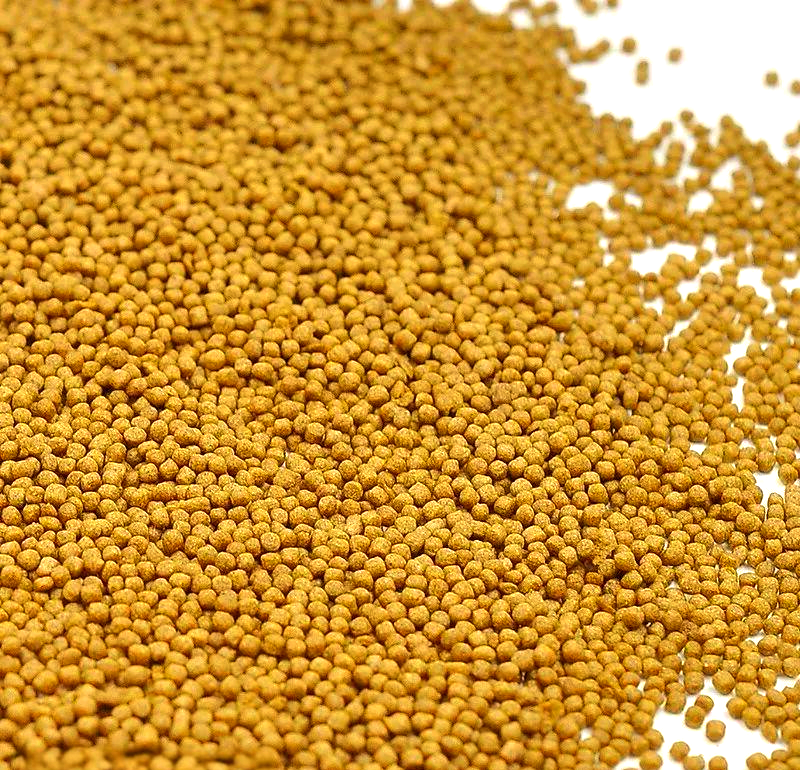
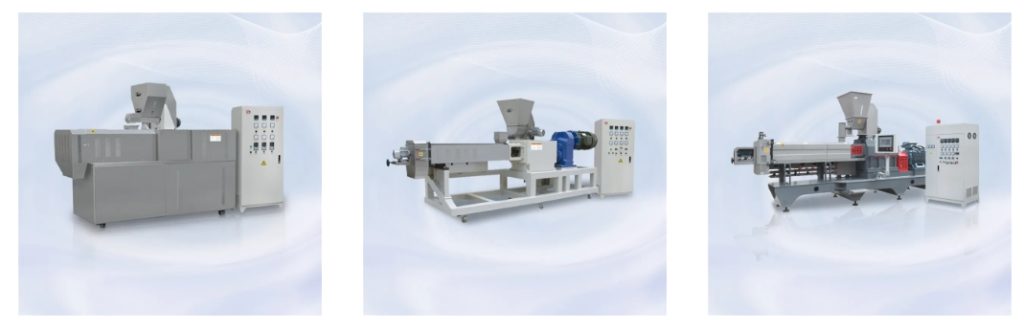
- Process: Manufactured using high-temperature, high-pressure extrusion. The starch-rich mixture is superheated, and upon exiting the die, the sudden pressure drop causes steam to expand, creating a porous, air-filled matrix.
- Result: A pellet less dense than water. fish food pellet machine It remains on the surface for an extended period (often 12-24 hours) before becoming waterlogged.
- Sinking (Steam-Pelleted) Feed:
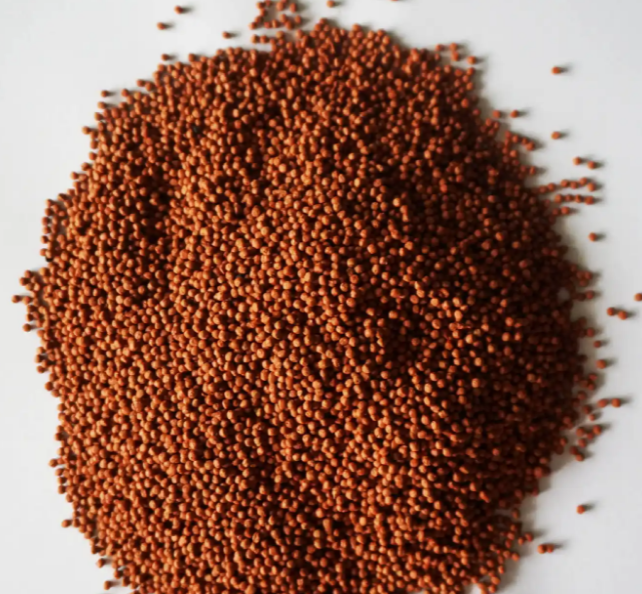
- Process: Typically made using a pellet mill. The mash is conditioned with steam and then compressed through a die by mechanical rollers under high pressure.
- Result: A dense, compact pellet more dense than water. It sinks immediately at a rate determined by its size and density.
2. Primary Application & Target Species
The choice is dictated by the natural feeding behavior of the fish.
- Floating Feed is designed for:
- Surface and mid-water feeders: Tilapia, catfish (in tanks/cages), koi, goldfish, ornamental fish.
- Species where observation is critical: Used when the farmer must visually monitor feeding activity and appetite.
- Sinking Feed is essential for:
- Bottom-dwelling (benthic) species: Shrimp, prawns, lobster, marine finfish like halibut or grouper, sturgeon, and many ornamental catfish (e.g., Corydoras).
- Situations where surface feeding is unnatural or inefficient.
3. Feeding Management & Monitoring
This difference dramatically changes how a farm or hobbyist manages their stock.
- Floating Feed offers Superior Control:
- Direct Observation: Uneaten feed is immediately visible, fish food pellet machine allowing for precise ration adjustment to minimize waste.
- Health Check: Lack of feeding response is an instant visual indicator of potential stress or disease.
- Easy Removal: Uneaten pellets can be skimmed off, protecting water quality.
- Sinking Feed presents a Monitoring Challenge:
- “Out of Sight” Feeding: It is impossible to visually assess how much feed is consumed once it sinks.
- Risk of Overfeeding: This can lead to accumulated waste at the bottom, causing oxygen depletion and ammonia spikes.
- Requires Experience: Feeding rates are based on stocking density, biomass, and experience rather than direct observation.
4. Nutritional & Digestibility Profile
The manufacturing process influences the feed’s nutritional properties.
- Floating Feed:
- Higher Starch Gelatinization: The extreme heat of extrusion makes carbohydrates more digestible.
- Post-Extrusion Coating: Heat-sensitive nutrients (like certain vitamins and probiotics) and fats are sprayed onto the pellet after cooking, protecting them from heat damage.
- Lower Bulk Density: Fish may need to consume a slightly higher volume to meet energy needs.
- Sinking Feed:
- Higher Energy Density: The compact form can contain more fat and nutrients per pellet.
- Internal Fat Integration: Fats are often mixed into the mash before pelleting.
- Superior Water Stability: Typically leaches nutrients more slowly, which is vital for slow-feeding species like shrimp.
5. Environmental Impact & Waste Management
- Floating Feed: Promotes cleaner water in tanks and ponds by allowing for direct management of uneaten feed. It is the preferred choice in systems with limited water exchange or sensitive filtration.
- Sinking Feed: Carries a higher inherent risk of polluting the pond bottom if not carefully managed. It is best suited for systems with strong water circulation, aeration, or for species that are highly efficient foragers.
Quick-Reference Comparison Table
| Feature | Floating Feed | Sinking Feed |
|---|---|---|
| Process | High-Temperature Extrusion | Steam Pelleting / Compression |
| Density | Less Dense Than Water (Floats) | More Dense Than Water (Sinks) |
| Key Species | Tilapia, Catfish, Koi, Surface Feeders | Shrimp, Prawns, Bottom-Dwellers |
| Feeding Monitoring | Excellent – Direct visual control | Difficult – Relies on estimation |
| Waste Control | Easy to remove uneaten feed | High risk of bottom accumulation |
| Nutrient Application | Sensitive nutrients coated post-cooking | Nutrients integrated before cooking |
| Primary Advantage | Management control, health checks | Species-specific, natural feeding |
Conclusion: A Matter of Ecology and Efficiency
The difference between floating and sinking feed ultimately boils down to a choice between management transparency and biological specificity.
- Choose floating feed when you need to see, control, and optimize the feeding process.
- Choose sinking feed when you must respect the natural feeding ecology of the animal in your care.
The most advanced farms often use both types strategically—for example, floating feed for grow-out ponds and specially formulated sinking feed for hatchery stages. fish food pellet machine By aligning the feed’s physical behavior with the fish’s natural instincts and the farmer’s management capabilities, the aquaculture industry achieves greater sustainability, health, and productivity.
 German
  English
  Russian
  Spanish
  Italian
  Arabic
  Portuguese
  French
  Japanese
  Moroccan Arabic
  Persian
  Belarusian