
Extruded snacks—commonly known as puffed foods—represent one of the largest segments in the global snack industry. From corn curls and cheese balls to expanded rice crisps and lentil puffs, these products share a common manufacturing backbone: extrusion cooking. The defining characteristic of this category is expansion—the dramatic increase in volume that occurs when a pressurized starch dough is suddenly released into the atmosphere. Achieving consistent, desirable expansion requires mastery of five interdependent factors.
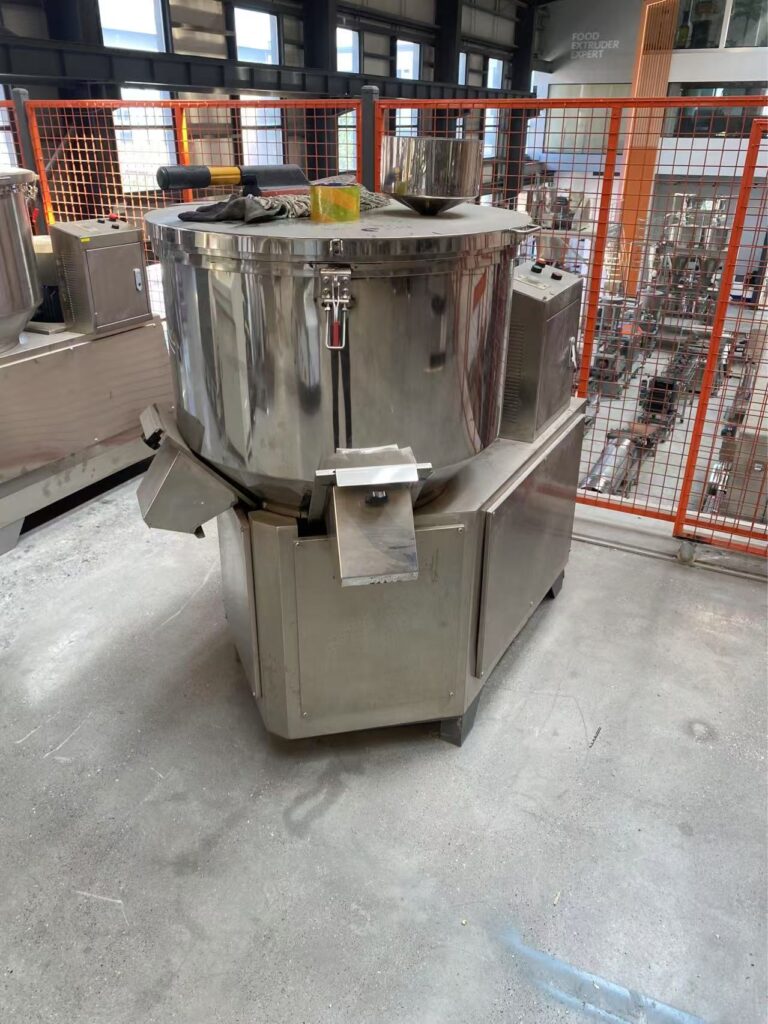
1. Raw Material Selection and Formulation
The foundation of any puffed snack is the starch source. Different starches behave differently under extrusion conditions, and the formulation directly determines expansion potential.
- Starch Type: Corn (maize) is the most common base due to its excellent expansion properties. Rice produces a lighter, crisper texture with a cleaner flavor profile, while wheat offers a heartier bite. Potato-based formulations yield a soft, melt-in-the-mouth texture. The amylose-to-amylopectin ratio is critical; starches with higher amylopectin content (waxy starches) generally produce greater expansion.
- Protein Content: Protein acts as a structural disruptor. High protein levels (above 12–15%) limit expansion because proteins cross-link and form dense networks that prevent starch gelatinization and bubble growth. For maximum puffing, low-protein flours are preferred.
- Additives: Emulsifiers (such as lecithin or mono- and diglycerides) improve processing stability and texture. Fibers and whole grains, while nutritionally beneficial, reduce expansion and require formulation adjustments such as adding pre-gelatinized starches to compensate.
2. Moisture Content: The Expansion Engine
Moisture is the driving force behind puffing. During extrusion, water is superheated under pressure. When the melt exits the die, the sudden pressure drop causes this superheated water to instantly flash into steam, creating the cellular structure that defines puffed snacks.
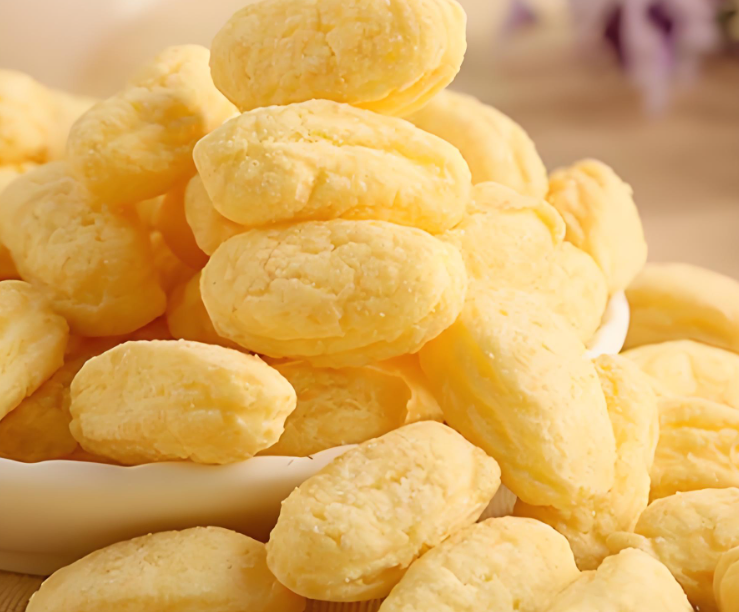
- Optimal Range: For direct-expanded snacks, the moisture content during extrusion is typically maintained between 12% and 18% —significantly lower than for fortified rice or pasta products. This low moisture level allows for maximum superheating and violent expansion at the die.
- Precision Requirement: A deviation of even 1–2% has dramatic effects. If moisture is too low (below 12%), the melt becomes too viscous, leading to insufficient expansion, dense texture, and excessive wear on the extruder screws and die. If moisture is too high (above 20%), the water absorbs excess heat energy without creating sufficient pressure differential, resulting in soggy, poorly expanded, and often misshapen product.
- Control Method: Water injection pumps must be precisely calibrated to the dry feed rate. Pre-conditioning with steam helps raise both temperature and moisture uniformly before the mix enters the extruder barrel.
3. Temperature Profile and Thermal Energy Input
Temperature dictates the degree of starch gelatinization and the viscosity of the melt. In puffed snack extrusion, a carefully graduated temperature profile is essential.
- Gelatinization Zone: The barrel temperature typically ranges from 100°C to 180°C , depending on the recipe and desired expansion. Early zones (feeding section) are cooler to mix and convey the raw materials. Middle zones (transition section) raise the temperature to initiate starch gelatinization. Final zones (metering section) bring the melt to the optimal temperature for expansion at the die.
- Die Temperature: The temperature at the die plate is particularly critical. Excessive die temperature can cause the product to expand too rapidly and uncontrollably, leading to large, irregular bubbles (blow-out) or scorching. Insufficient die temperature results in under-expansion and a hard, dense texture.
- Specific Mechanical Energy (SME): Beyond barrel temperature, the mechanical energy input from the screw rotation generates heat through friction. For puffed snacks, SME is typically high because the mechanical shear breaks down starch molecules, increasing their ability to expand. Monitoring motor amperage provides a real-time indicator of energy input.
4. Screw Configuration and Die Design
The physical geometry of the extruder screws and the die plate determines how much shear (mixing force) is applied and the final shape of the snack.
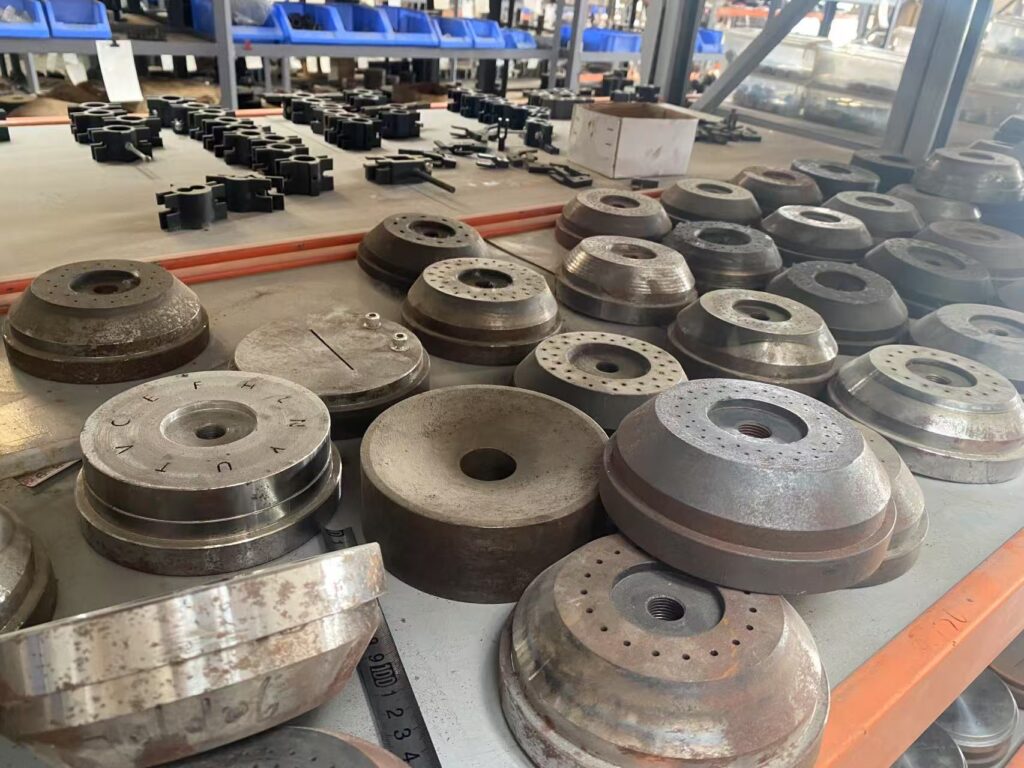
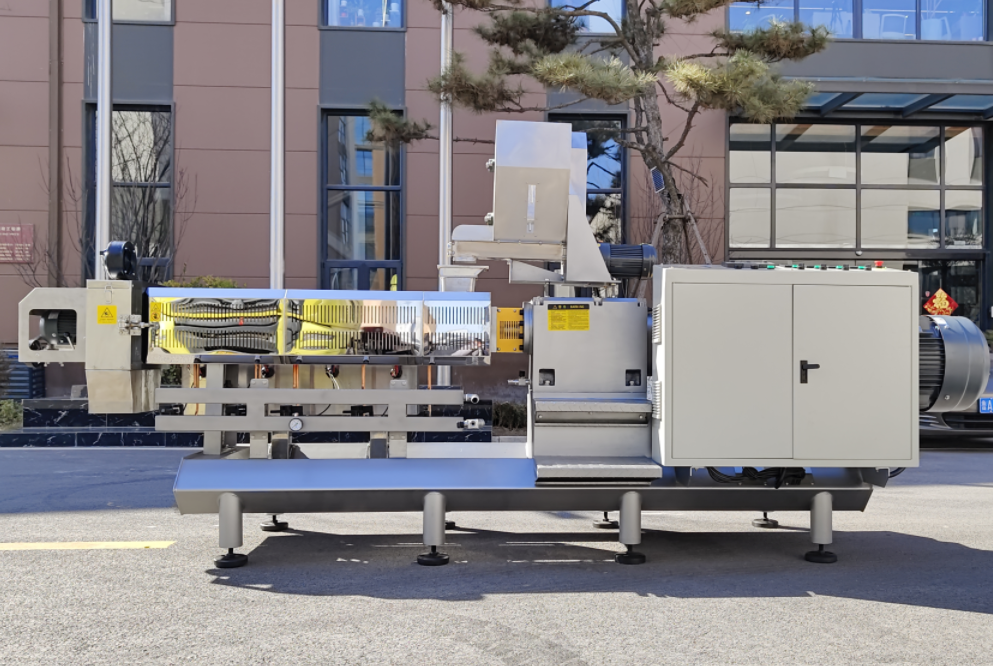
- Screw Design: Twin-screw extruders dominate the snack industry because they offer superior mixing and control. For puffed snacks, the screw configuration typically includes:
- Conveying elements: To move material forward.
- Kneading blocks: To apply shear and mix the melt thoroughly.
- Restrictive elements: To build pressure (typically 30–60 bar) just before the die. The pressure buildup is essential; without sufficient pressure, the sudden pressure drop (flash-off) that creates puffing cannot occur.
- Die Geometry: The die plate is the final shaping tool. Die hole shape determines the snack’s cross-section (round, star, square, etc.). Die land length (the thickness of the die plate) and die diameter affect back-pressure and expansion ratio. Longer land lengths increase pressure and generally produce a smoother surface with more controlled expansion.
5. Post-Extrusion Processing: Drying, Flavoring, and Texture Stabilization
Unlike fortified rice, which is dried to a stable, low-moisture state, many puffed snacks undergo additional steps that are integral to their final texture and flavor.
- Moisture Equilibration: Freshly extruded puffs are hot and may have residual moisture (5–8%). As they cool, moisture redistributes within the structure. Immediate packaging of hot puffs leads to condensation and loss of crispness.
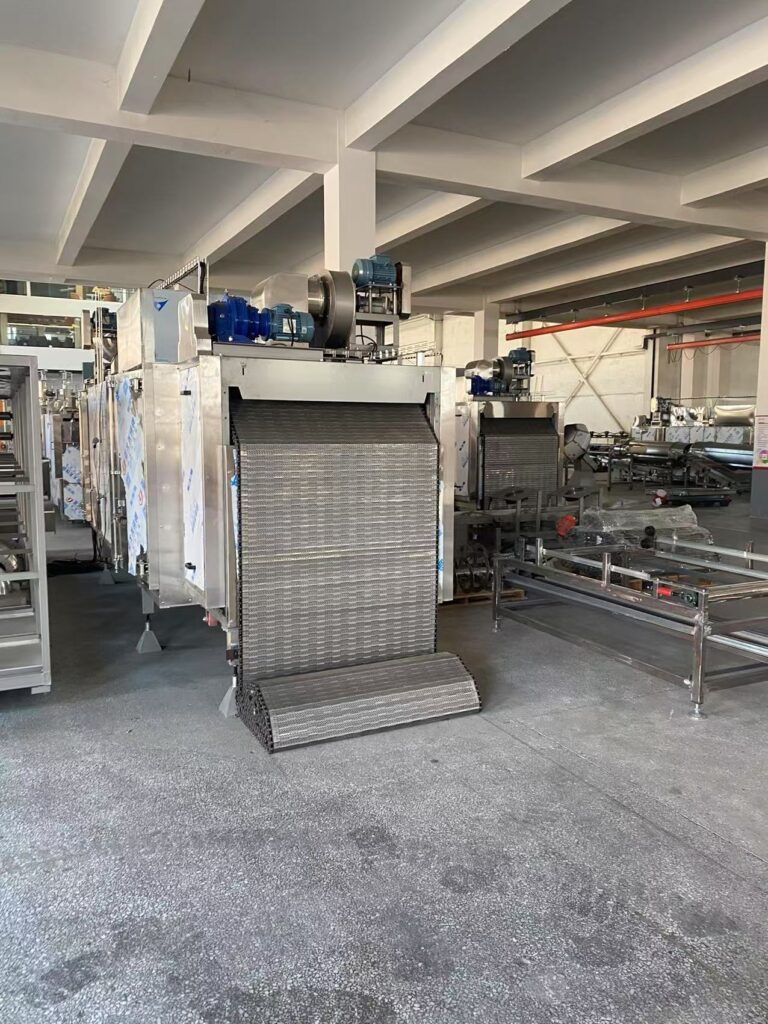
- Drying and Toasting: Some products, particularly breakfast cereals and certain snack pellets (half-products), require additional drying or toasting to achieve a final moisture content of 2–5% . This ultra-low moisture level ensures maximum crispness and extended shelf life.
- Flavor Application: Most extruded snacks are coated with oil, seasonings, and flavors after extrusion. Oil is typically sprayed onto the puffs as they tumble in a rotating drum, and powdered seasonings adhere to the oiled surface. The application system must ensure uniform coverage without breaking the delicate expanded structure. Oil absorption rates depend on the density and porosity of the puff; over-oiling can lead to sogginess and rancidity.
Summary Table: Critical Parameters for Puffed Snack Extrusion
| Parameter | Typical Range | Effect on Product |
|---|---|---|
| Moisture (in barrel) | 12–18% | Lower moisture = higher expansion; higher moisture = denser texture. |
| Barrel Temperature | 100–180°C | Higher temp = increased gelatinization; must be controlled to prevent scorching. |
| Die Pressure | 30–60 bar | Essential for creating the pressure drop that drives expansion. |
| Screw Speed | 300–600 RPM (typical) | Higher speed = higher SME = greater expansion up to a point. |
| Final Product Moisture | 2–8% | Below 5% for crispy cereals; 5–8% for soft-textured snacks. |
Conclusion
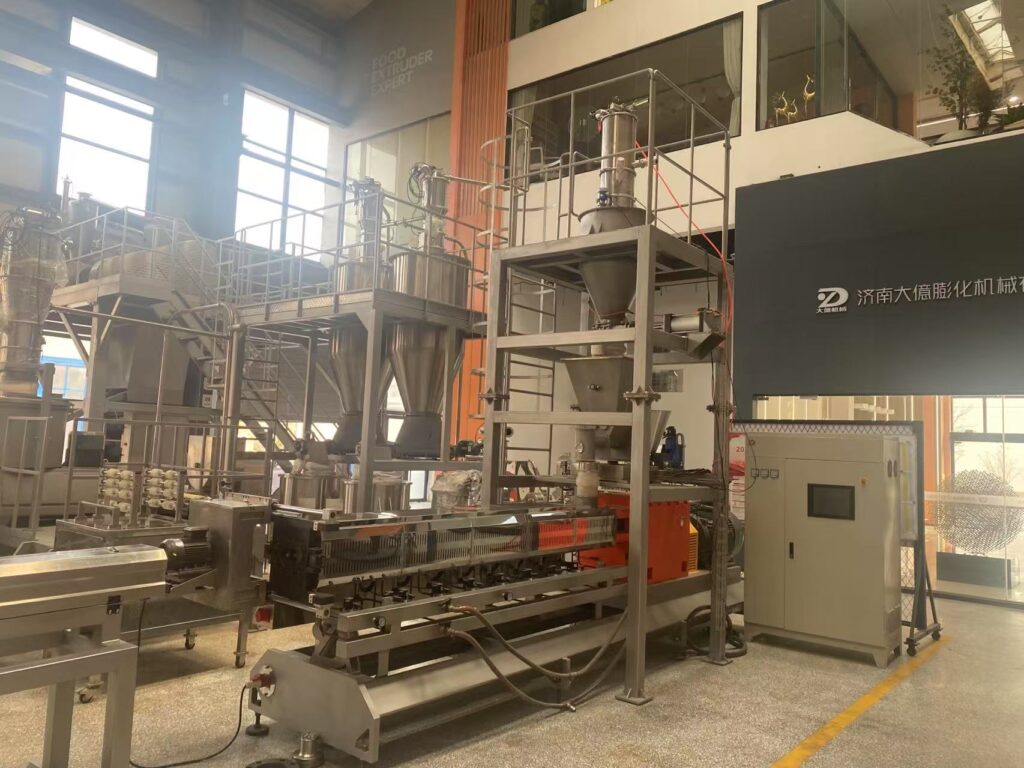
The key to successful puffed snack processing lies in understanding the physics of starch expansion and controlling the interdependent variables of moisture, temperature, pressure, and formulation. Low moisture content (12–18%) combined with high temperature (up to 180°C) and high pressure (30–60 bar) creates the superheated environment necessary for dramatic expansion at the die. However, without precise screw configuration, proper die design, and careful post-extrusion handling, even the best formulation will fail to produce the consistent, appealing texture that consumers expect. When these elements are balanced, extrusion cooking transforms simple grain flours into the light, crispy, and flavorful puffed snacks that dominate the global market. If you are interested in the puffed snack food making machine , you can contact me , i will give you good advice and solutions .
1.Will you help us with the installation ?
Yes , We will send engineers to install and debug the equipment, and assist in training your staff.
2.Are you a factory or trading company?
We are a factory.
3.What certificate do you have?
We have ISO and CE certificate.
4.How long is the warranty period?
All of our machines have one year warranty.
5.What’s the main market of your company?
Our customers all over the world.
6.How much production capacity of your company one year?
This depends on your needs.
 Belarusian
  English
  Russian
  Spanish
  Italian
  Arabic
  Portuguese
  German
  French
  Japanese
  Moroccan Arabic
  Persian