
In corn flakes production, the flaking (rolling) process is the key step that transforms cooked corn pellets (“grits gems”) into the thin, uniform flakes that can be toasted into a crispy, ready-to-eat cereal. A well-controlled flaking operation directly affects flake thickness, breakage rate, toast uniformity, texture, and final product appearance.
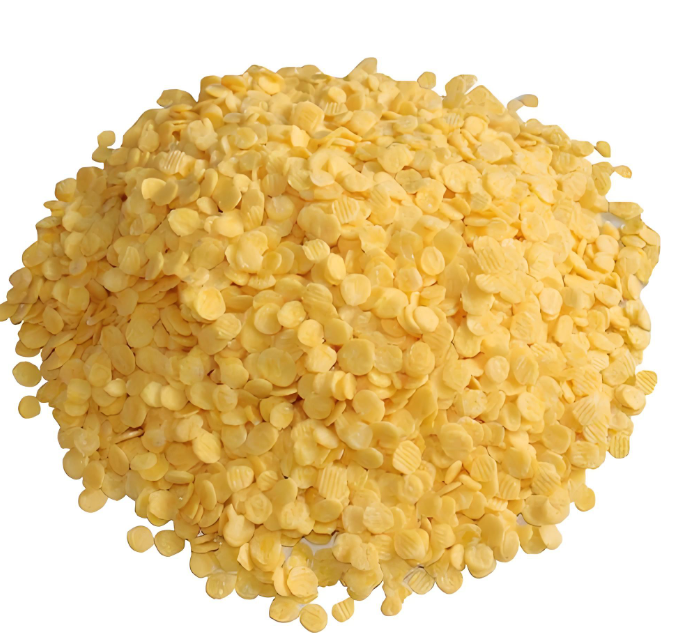
1) Purpose of the Flaking Step
The main objectives of flaking are to:
- Flatten cooked pellets into thin sheets with consistent thickness
- Create a flake structure that will dry and toast evenly
- Control the final texture (light and crispy rather than hard or tough)
- Reduce fines and broken pieces by improving pellet plasticity and roll settings
2) Product Condition Before Flaking
High-quality flaking starts with properly prepared pellets. Before entering the flaking rolls, pellets are typically:
- Cooked/gelatinized to develop a cohesive starch matrix
- Partially dried to a suitable moisture level for rolling
- Tempered (rested) so moisture becomes uniform from the surface to the core
If pellets are too wet, flakes may smear and stick to the rolls; if too dry, they crack and generate excessive breakage.
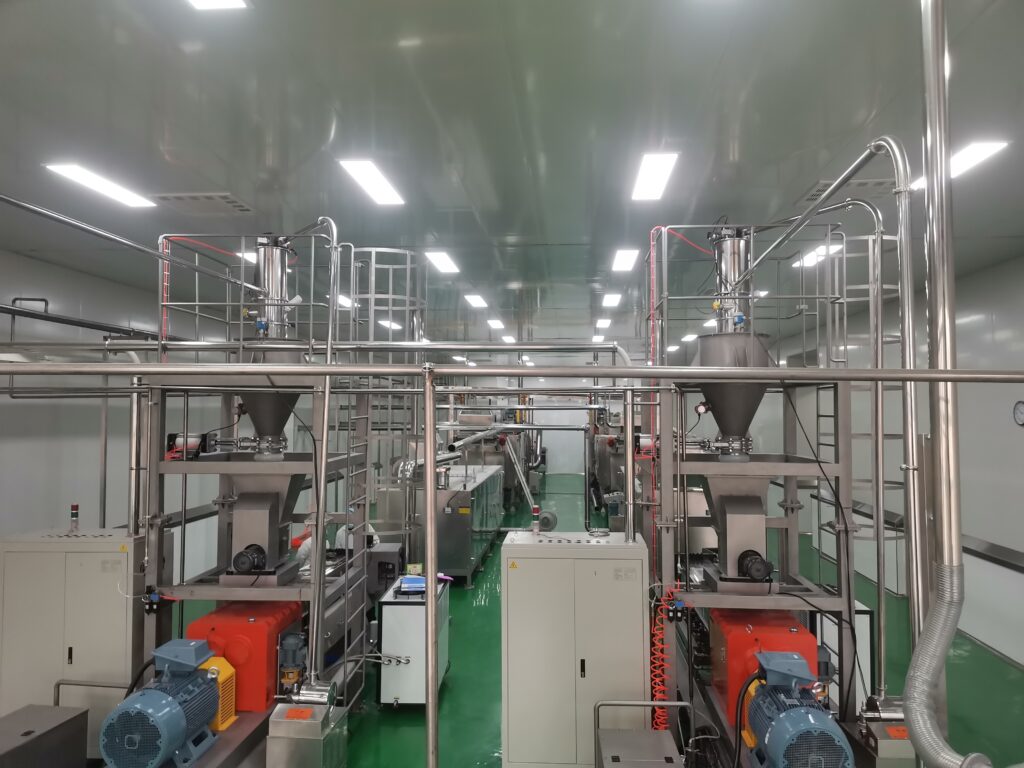
3) Flaking Equipment and Key Components
A standard corn flake flaking system usually includes:
- Pellet feeder and distribution chute for stable, even feed
- Twin flaking rolls (heavy-duty rollers) that compress pellets into flakes
- Roll gap adjustment mechanism to control thickness
- Roll surface (finish/texture) designed to grip without tearing
- Scrapers/knives to prevent build-up on roll surfaces
- Conveyor transfer to move fresh flakes to the toaster/oven
4) Core Process Parameters to Control
To achieve consistent flake quality, operators focus on several critical variables:
- Pellet moisture and temperature: Determines plasticity and rollability. Uniform conditioning reduces cracking and improves shape.
- Roll gap (flake thickness): The most direct control for thickness and appearance. Small changes can strongly affect crispness and toasting.
- Roll pressure and speed: Influence compression intensity, throughput, and breakage. Excessive pressure can produce overly dense flakes.
- Feed rate and distribution: Uneven feeding leads to thickness variation and non-uniform toasting.
- Roll surface condition and cleanliness: Worn or contaminated rolls increase sticking, tearing, and fines.
5) Typical Flaking Procedure (Operational Flow)
- Conditioned pellets are metered into the flaking area at a steady rate.
- Pellets enter the nip point between the two rolls and are compressed into thin flakes.
- Fresh flakes are released cleanly from the rolls with the help of scraper blades.
- Flakes are conveyed carefully to avoid breakage and are sent directly to toasting/drying, where texture and color are developed.
6) Common Defects and Practical Causes
- High breakage / excessive fines: Pellets too dry, insufficient tempering, roll gap too tight, or roll pressure too high.
- Sticking to rolls / smearing: Pellets too wet, roll surface contaminated, poor scraper alignment, or insufficient cooling.
- Uneven thickness: Unstable feed, inconsistent pellet size, roll misalignment, or roll gap variation.
- Hard or dense texture after toasting: Over-compressed flakes, low expansion potential, or improper pellet cooking/conditioning.
7) Quality Indicators After Flaking
Flakes should show:
- Uniform thickness and shape
- Minimal cracks and edge breakage
- Low fines content
- Good integrity for conveying and toasting
- A structure that toasts evenly to a golden color and remains crisp in milk
Conclusion
The corn flakes flaking process is more than simple rolling—it is a controlled forming step that depends on pellet conditioning, roll gap precision, stable feeding, and clean roll surfaces. When these factors are managed correctly, producers obtain flakes that toast uniformly, deliver a consistent crunch, and maintain attractive appearance in the final packaged cereal.
 Belarusian
  English
  Russian
  Spanish
  Italian
  Arabic
  Portuguese
  German
  French
  Japanese
  Moroccan Arabic
  Persian