
1. Introduction to Needle-Shaped Breadcrumbs
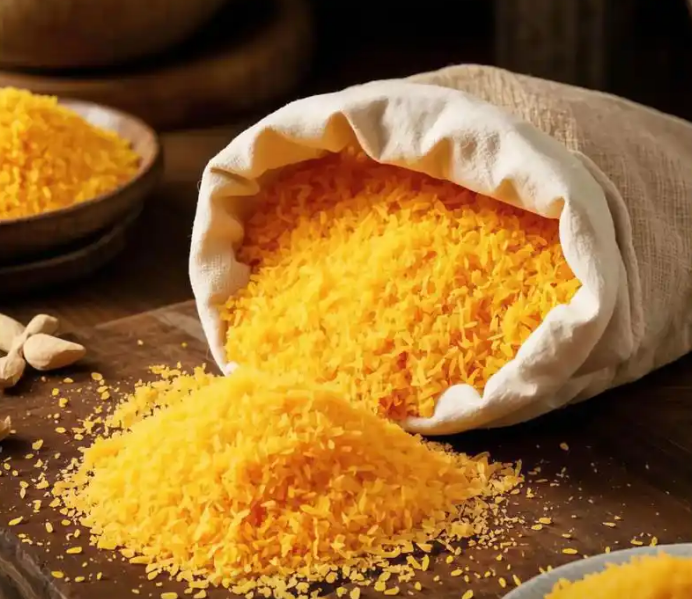
Needle-shaped breadcrumbs, commonly known as Panko in many markets, are a distinct variety characterized by their elongated, shard-like structure with a light, crisp, and airy texture. Unlike traditional granular breadcrumbs, their unique shape creates a coating with greater surface area,bread crumber machine resulting in exceptional crispiness, minimal oil absorption, and superior visual appeal. They are a staple in both professional kitchens and food manufacturing for coating fried foods like tempura, schnitzel, and fried seafood.
2. Raw Material Selection
The process begins with the careful selection of ingredients, which directly influence the final texture and neutral flavor profile.
- Flour: High-protein wheat flour (typically 12-14% protein) is used to create a strong, elastic gluten network. This network is essential for trapping steam during baking, bread crumber machine which forms the large, irregular air pockets needed for the flaky, needle-like structure.
- Water: Precisely controlled in temperature and quantity to achieve optimal dough hydration and gluten development.
- Yeast & Salt: Yeast is used for leavening, generating gas for the porous structure. Salt is added for flavor and to regulate yeast activity.
- Optional Ingredients: Minor additions like sugar (for yeast food and color) or dough conditioners (such as ascorbic acid) may be used to improve consistency and processing tolerance.
3. Core Production Stages
Stage 1: Dough Mixing and Fermentation
- High-Speed Mixing: Ingredients are combined in a high-speed mixer to rapidly develop the gluten matrix. The goal is a smooth, elastic, and moderately stiff dough.
- Bulk Fermentation: The mixed dough is rested in a controlled environment (specific temperature and humidity). During this stage, yeast ferments, creating gas bubbles and relaxing the gluten. This is critical for developing the potential for large, coarse crumb structure.
Stage 2: Unique Baking Process
This stage is the most crucial differentiator from regular bread production. bread crumber machine The method prevents the formation of a thick, hard crust and promotes the distinctive internal texture.
- Specialized Oven (Electrical Resistance Oven): Panko is traditionally baked using an electrical resistance oven. Metal plates or bands above and below the dough slab are heated by electrical current.
- Crustless Baking: The dough is baked as a large, continuous slab. The simultaneous application of top and bottom heat causes the dough to set rapidly, minimizing crust formation. The steam generated inside expands the air pockets without being constrained by a hard crust, creating a very open, cellular structure.
- Rapid Heat Transfer: This method ensures quick and even heat penetration, cooking the starch and setting the structure while maintaining a pale golden or white color.
Stage 3: Cooling and Stabilization
- The large, crustless loaves are transferred to cooling conveyors for several hours.
- Cooling allows the internal moisture to equilibrate and the structure to stabilize, bread crumber machine making the next stages more efficient.
- The product’s moisture content at this point is still relatively high compared to a finished loaf of bread.
Stage 4: Coarse Grinding / Shredding
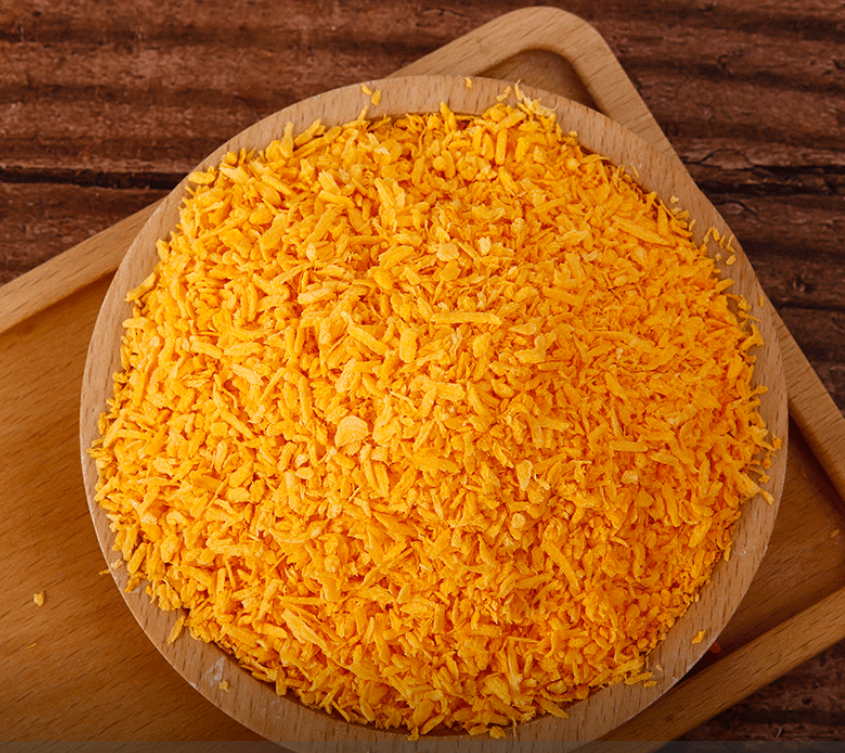
- This step creates the “needle” or “flake” shape. The cooled bread is coarsely shredded or grated, not pulverized.
- Equipment: Specially designed shredders or coarse grinders with large-gap settings tear the bread apart along its natural cell structure.
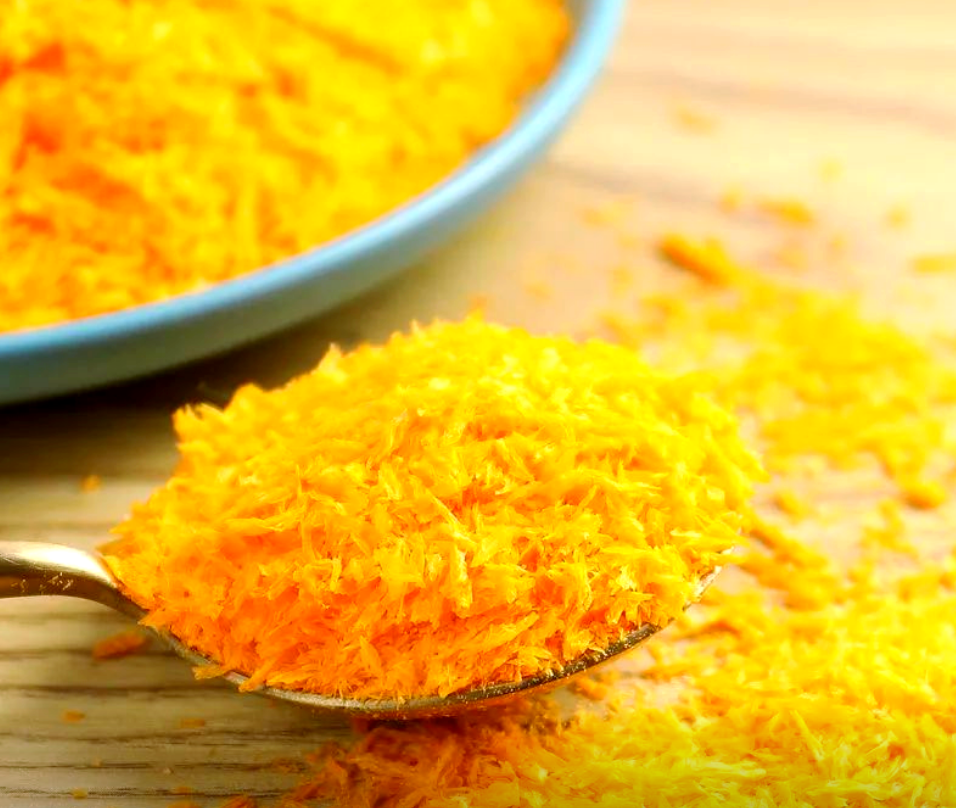
- Result: This produces long, jagged, flaky crumbs (2-10 mm in length) with sharp edges, as opposed to small, round granules.
Stage 5: Drying and Toasting
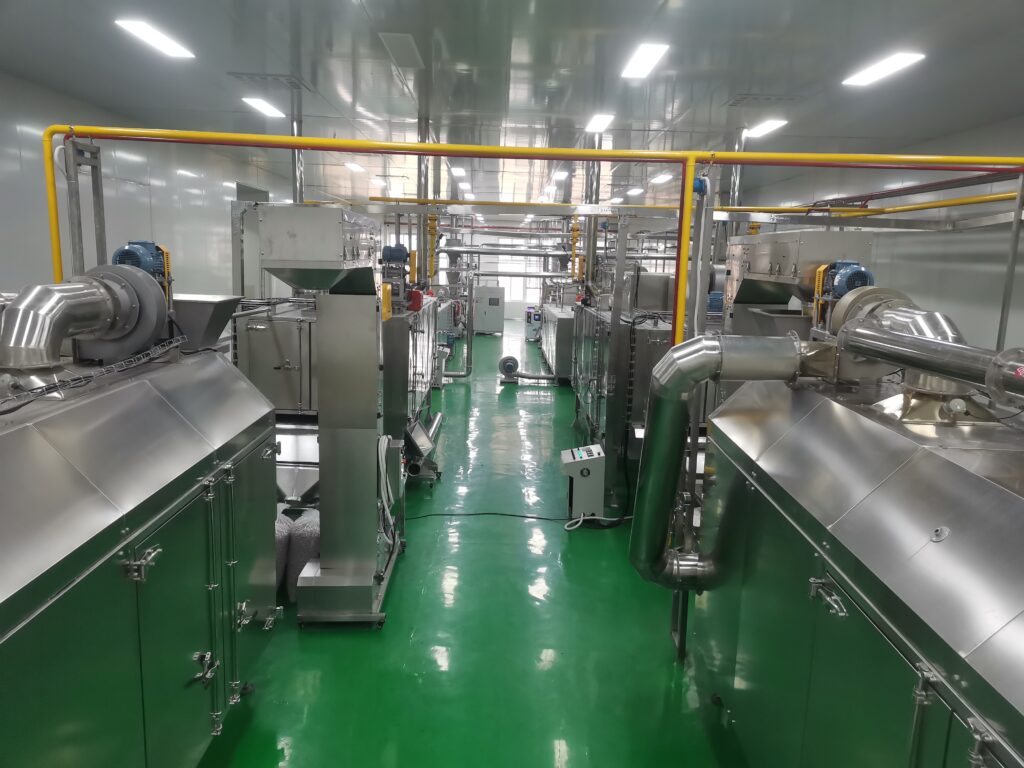
- The shredded crumbs are conveyed through a multi-zone dryer or toasting oven.
- Purpose: To reduce the moisture content from ~35-40% post-baking to a shelf-stable 5-8%. This low moisture is key for crispiness and long shelf life.
- Process: Gentle, staged drying removes moisture without burning or over-coloring the crumbs. A final toasting stage at a higher temperature can be applied to develop color (white, golden, or tan varieties) and enhance a light, toasted flavor.
Stage 6: Sizing and Classification
- The dried crumbs pass over a series of vibrating screens or air classifiers.
- Objective: To separate the product into consistent size grades (e.g., fine, medium, coarse). Oversized pieces may be recycled through a secondary, gentler grinding step.
- Consistency in size is vital for uniform coating performance in industrial applications.
Stage 7: Packaging
- The finished needle-shaped breadcrumbs are packaged in moisture-barrier bags, often with nitrogen flushing.
- Nitrogen Flushing: Replaces oxygen in the bag headspace to prevent oxidative rancidity (especially if any oil is present from toasting) and to maintain crispness by inhibiting moisture uptake and microbial growth.
- Packaging formats range from small retail bags to large bulk sacks or totes for industrial food processors.
4. Key Quality Control Points
- Dough Consistency: Monitoring gluten development and temperature.
- Baking Profile: Ensuring correct time/temperature to achieve the desired pale color and open cell structure without crust.
- Moisture Content: Critical check post-drying to guarantee shelf stability and functional performance.
- Size Distribution: Verifying the yield of the target flake size and shape.
- Microbiological Standards: Testing for pathogens and ensuring low total plate count.
- Functional Tests: Measuring oil absorption, coating adhesion, and final crispness in standardized frying tests.
The production of needle-shaped breadcrumbs is a specialized process engineered around a single goal: creating a flaky, airy, crisp coating ingredient. The secret lies not in the ingredients, bread crumber machine which are simple, but in the crustless baking via electrical resistance ovens and the coarse shredding technique. This combination deconstructs the traditional bread form, transforming it into light, sharp shards that fry up exceptionally crispy and visually distinct. Mastery of the drying process finalizes the product, ensuring the delicate structure delivers consistent performance from the factory to the final fried product.
 Belarusian
  English
  Russian
  Spanish
  Italian
  Arabic
  Portuguese
  German
  French
  Japanese
  Moroccan Arabic
  Persian