
The journey of a cornflake from a simple kernel of corn to the crisp, golden breakfast cereal enjoyed worldwide is a fascinating example of food engineering and precision manufacturing. corn flakes making machine This article provides a comprehensive overview of the entire cornflake production process, from raw material intake to final packaging, detailing the key steps and transformations along the way.
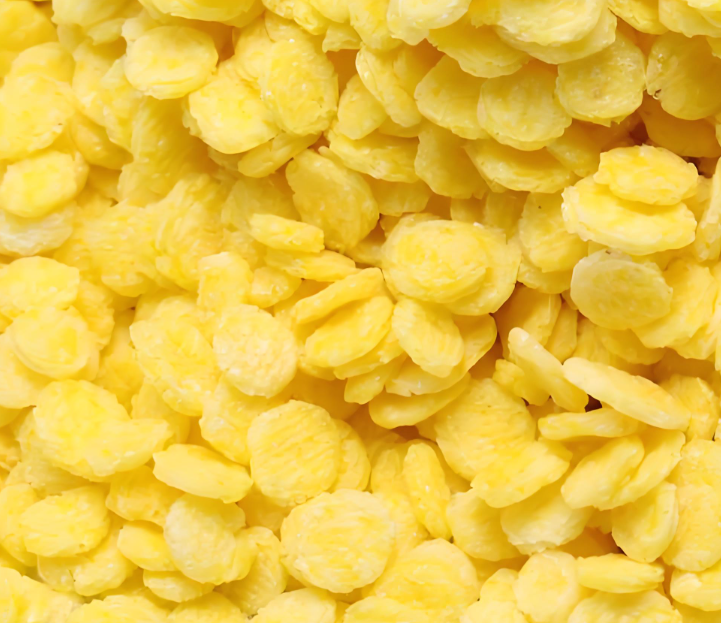
1. Raw Material Reception and Cleaning
The process begins with the arrival of raw corn, typically a specific variety of dent corn (Zea mays indentata) selected for its high starch content and favorable flaking characteristics.
- Quality Inspection: Upon arrival, samples are tested for moisture content, test weight, and the presence of mold, insects, or foreign material.
- Cleaning: The corn passes through a series of cleaning equipment, including screens, aspirators, and magnets, to remove impurities such as dust, chaff, stones, metal fragments, and broken kernels. Only clean, sound grain proceeds to the next stage.
2. Degermination and Milling
To produce shelf-stable cornflakes, the fat-rich germ and fibrous hull must be removed.
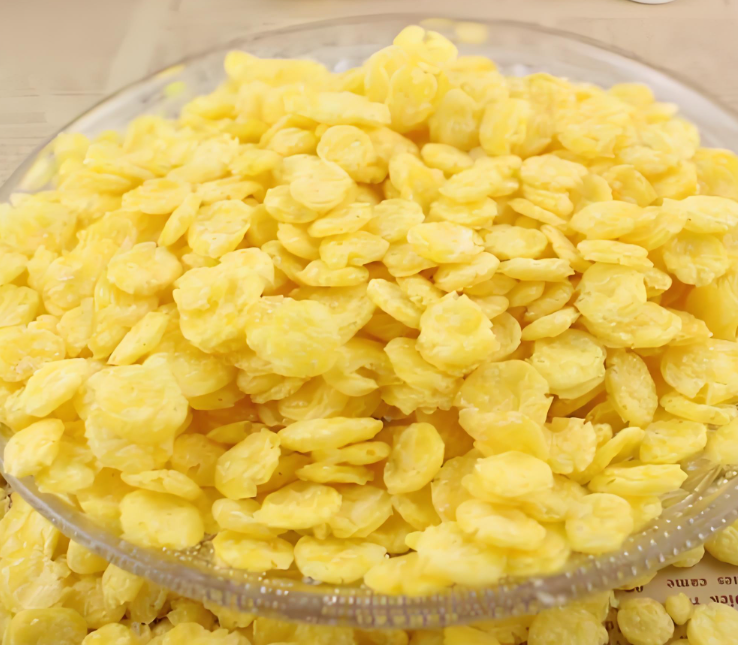
- Tempering: The clean corn is conditioned by adding water and steam, then allowed to rest in tempering bins. corn flakes making machine This process toughens the germ and softens the endosperm, making separation more effective.
- Degermination: The tempered corn passes through a degerminator, an impact machine that breaks the kernel into its component parts. The goal is to free the germ and hull from the endosperm.
- Separation and Milling: The mixture is then dried and passed through gravity tables and aspirators that separate the lighter germ and hull pieces from the heavier endosperm grits. These endosperm pieces are then milled and sieved to produce uniform corn grits of a specific particle size, typically resembling coarse sand. These grits are the foundation of the cornflake.
3. Pressure Cooking
The corn grits are transferred to large, rotating pressure cookers, often called “cookers.”
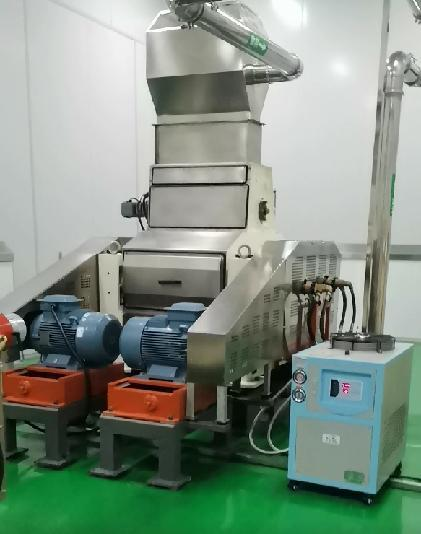
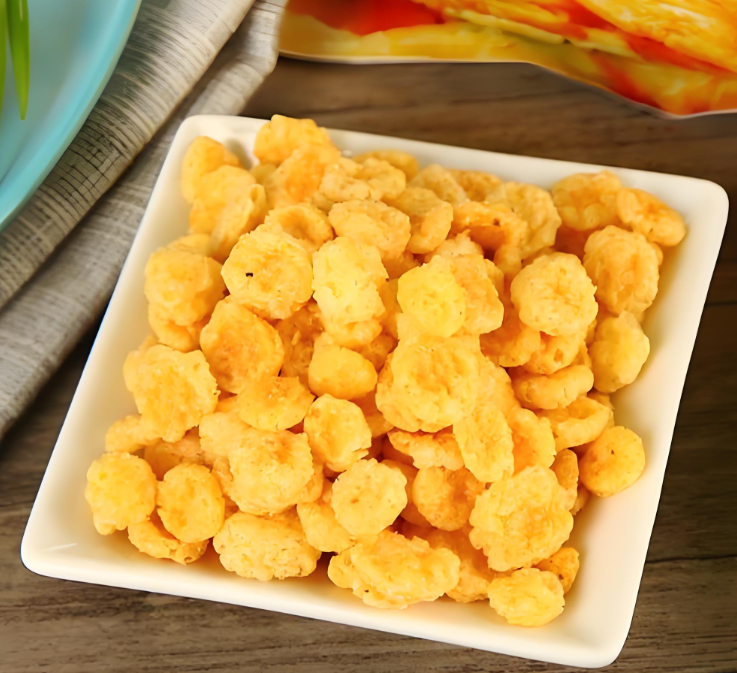
- Ingredient Addition: Along with the grits, a precisely formulated cooking liquor is added. This typically includes water, malt (barley malt syrup or malt extract), sugar, salt, and sometimes other flavorings or fortificants.
- Cooking Cycle: The sealed cookers are pressurized with steam, raising the internal temperature significantly above the boiling point of water. Over a period of one to two hours, the grits are cooked. This process achieves two critical objectives:
- Starch Gelatinization: The heat and moisture cause the starch granules within the grits to absorb water, swell, and lose their crystalline structure, transforming them into a digestible, cooked form.
- Flavor Development: The malt enzymes begin breaking down some starch into sugars, and the heat initiates early Maillard reactions (browning), contributing to the final flavor profile.
4. Drying and Tempering
Once cooking is complete, the agglomerated, sticky mass is discharged from the cookers.
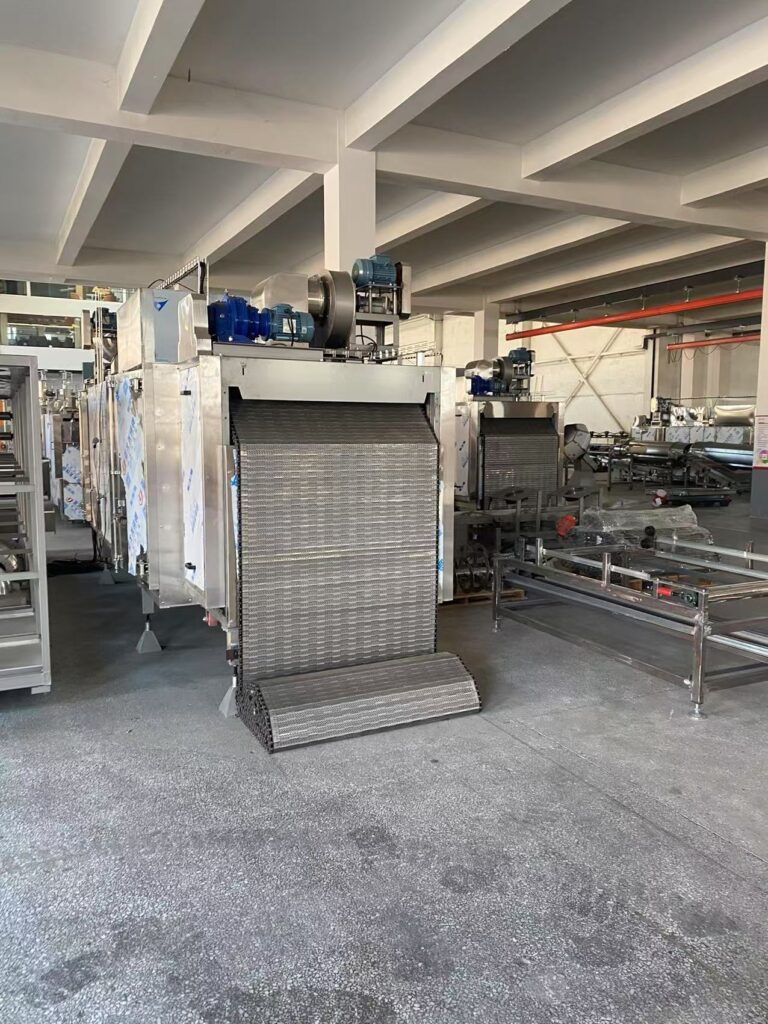
- Lump Breaking: The mass is passed through a lump breaker, which gently separates the cooked grits into individual, free-flowing clumps.
- Drying: These clumps are conveyed through a drying system, typically a multi-stage belt dryer. Warm, controlled air reduces the moisture content from around 30-35% after cooking down to approximately 18-22%. This step prepares the material for flaking by making it more firm and manageable.
- Tempering (Equilibration): The dried pellets are transferred to large holding bins for a tempering period, which can last from several hours to 24 hours. This critical rest allows the moisture to equilibrate evenly throughout each particle, preventing stress cracks and ensuring uniform behavior during flaking.
5. Flaking
The tempered pellets are now ready to be transformed into thin flakes.
- Flaking Rolls: The pellets are fed between two large, heavy, counter-rotating steel rolls. These rolls exert immense pressure, flattening each pellet into a thin, delicate flake.
- Precision Control: The gap between the rolls is precisely controlled to achieve the target flake thickness, typically 0.5 to 1.0 millimeter. The pellets must be of uniform size and moisture to ensure consistent flake thickness and minimize breakage.
6. Toasting
The raw, pale flakes are now conveyed into a high-temperature toasting oven. This is the final and most transformative step.
- Heat Application: In the toaster, the flakes are subjected to intense, dry heat, often in a rotating drum or on a vibrating belt with hot air impingement.
- Physical and Chemical Changes: The rapid heating drives off the remaining moisture, reducing it to just 1-3%. This creates the characteristic crisp, brittle texture. Simultaneously, the heat causes two key reactions:
- Dextrinization: Starch molecules on the surface break down into dextrins, contributing to the crispy texture and glossy appearance.
- Caramelization and Maillard Reaction: The sugars and proteins react, producing the deep golden-brown color and the signature toasted, nutty, slightly sweet flavor of cornflakes.
- Cooling: Immediately after toasting, the hot, fragile flakes are gently cooled in a stream of conditioned air. This stabilizes their structure, prevents them from becoming soggy from residual steam, and prepares them for packaging.
7. Coating and Fortification (Optional)
After toasting and cooling, some cornflake varieties receive additional treatments.
- Vitamin and Mineral Spraying: A fine mist of a vitamin and mineral solution is often sprayed onto the flakes as they tumble in a coating drum. This restores nutrients lost during milling or adds extra nutritional value. The solution must be applied evenly and dried quickly to prevent sticking.
- Sugar Coating: For sweetened varieties, a sugar or sugar-and-honey solution may be applied and then dried to create a sweet, crunchy glaze.
8. Packaging
The finished cornflakes, now at their final moisture and temperature, are ready for packaging.
- Weighing and Filling: The flakes are conveyed to high-speed packaging lines, where they are accurately weighed and filled into bags or boxes. The packaging material is designed to provide a barrier against moisture and oxygen, which are the enemies of crispness.
- Sealing and Case Packing: The filled bags are sealed, often in a nitrogen-flushed atmosphere to displace oxygen and extend shelf life. The individual packages are then packed into shipping cases, palletized, and stored in a cool, dry warehouse before distribution.
From the farmer’s field to the breakfast table, the transformation of a simple corn kernel into a perfectly crisp cornflake is a testament to the precision and control of modern food manufacturing. Each step, from cleaning to packaging, is carefully monitored to ensure a consistent, high-quality product that delivers the same satisfying crunch with every bowl.
 Belarusian
  English
  Russian
  Spanish
  Italian
  Arabic
  Portuguese
  German
  French
  Japanese
  Moroccan Arabic
  Persian