
The quality of dog food begins with the ingredients. Whether manufacturing dry kibble, wet canned food, or freeze-dried raw diets, the selection and preparation of raw materials directly determine the nutritional value, safety, palatability, and shelf stability of the final product. Understanding the full spectrum of ingredients—from primary protein sources to functional additives—is essential for any dog food processing operation.
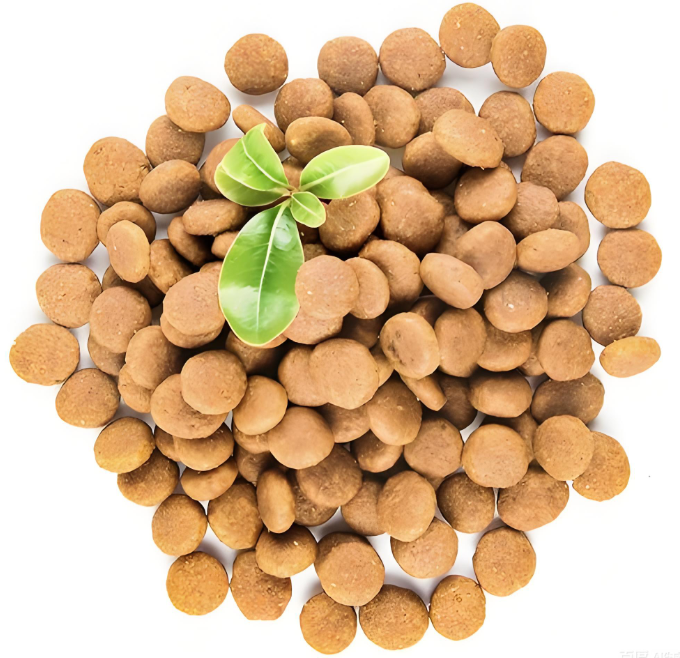
This guide provides a detailed overview of the raw materials required for commercial dog food production, categorized by their function and processing considerations.
1. Classification of Dog Food Ingredients
Dog food ingredients can be broadly classified into several functional categories:
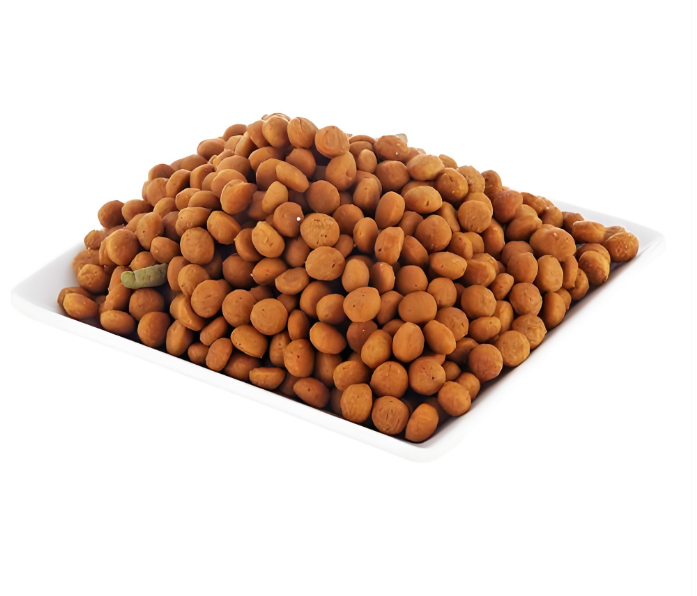
| Category | Function | Typical Inclusion Rate |
|---|---|---|
| Protein Sources | Provide essential amino acids for muscle development, tissue repair, and immune function | 20–40% (dry matter basis) |
| Carbohydrate Sources | Supply energy, fiber, and structural integrity in kibble | 30–60% |
| Fat Sources | Concentrated energy, essential fatty acids, palatability, and texture | 10–20% |
| Fiber Sources | Digestive health, stool quality, and satiety | 2–8% |
| Vitamins and Minerals | Micronutrients for metabolic functions, bone health, and antioxidant protection | 1–3% |
| Functional Additives | Preservatives, palatants, probiotics, and specialty ingredients | <1–5% |
2. Protein Sources: The Foundation of Dog Food
Protein ingredients represent the most critical and often the most expensive component of dog food formulations. They can be derived from animal, plant, or novel sources.
2.1. Animal Protein Ingredients
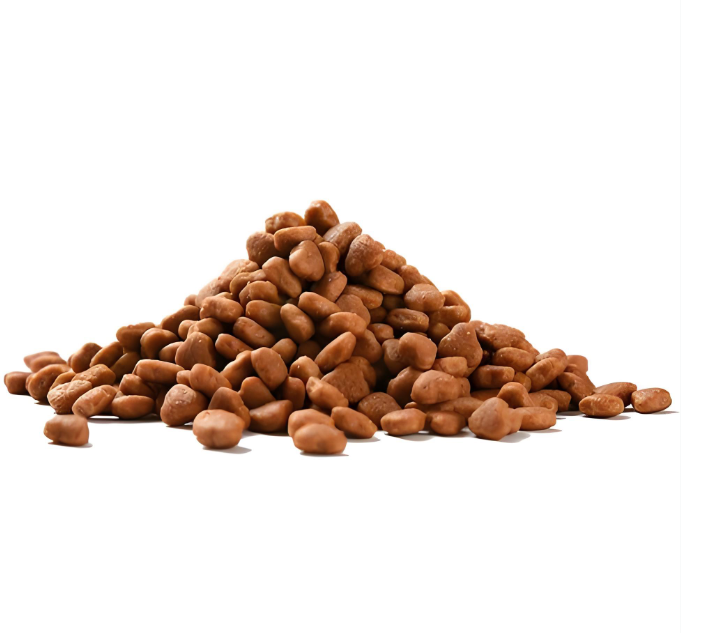
Animal proteins are highly digestible and provide an optimal amino acid profile for dogs.
| Ingredient | Description | Processing Considerations |
|---|---|---|
| Fresh/Refrigerated Meat | Whole muscle meat, organs, and tissues from poultry, beef, lamb, or fish | Requires cold storage (refrigerated or frozen); high moisture content (60–70%); must be handled quickly to prevent spoilage |
| Frozen Meat | Similar to fresh meat but stored at freezing temperatures | Extended shelf life; requires thawing or direct grinding from frozen state |
| Meat Meal | Rendered meat tissue with moisture removed; concentrated protein (typically 50–65% protein) | Shelf-stable; highly concentrated; consistent quality when sourced from reputable suppliers |
| Poultry By-Product Meal | Rendered parts of slaughtered poultry (heads, feet, viscera) | Cost-effective protein source; must meet AAFCO definitions; high palatability |
| Fish Meal | Rendered whole fish or fish cuttings | Excellent omega-3 fatty acid content; distinct odor; requires careful storage to prevent oxidation |
| Egg Products | Dried or liquid whole eggs | Highly digestible; excellent amino acid profile; often used in premium formulations |
2.2. Plant Protein Ingredients
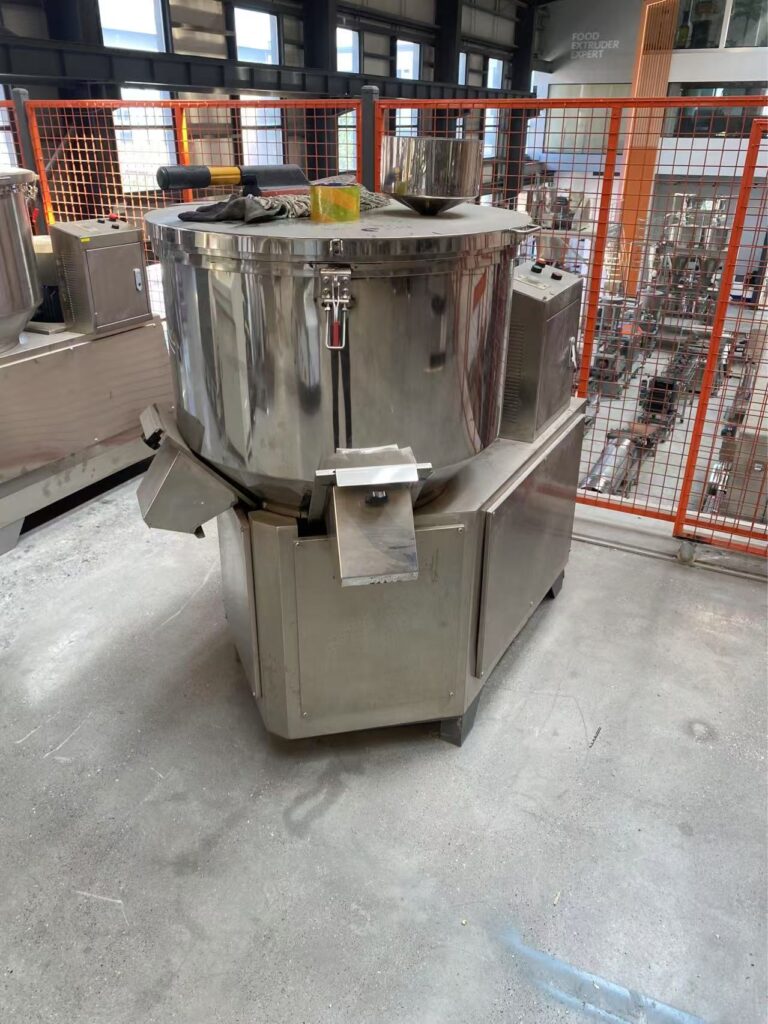
Plant proteins are often used in combination with animal proteins to achieve cost-effective, balanced formulations.
| Ingredient | Description | Processing Considerations |
|---|---|---|
| Soybean Meal | By-product of soybean oil extraction | High protein (44–48%); cost-effective; may require additional processing to reduce anti-nutritional factors |
| Corn Gluten Meal | By-product of corn wet milling | High protein (60%); excellent for kibble structure; palatable |
| Pea Protein | Isolated protein from yellow peas | Grain-free formulation ingredient; good amino acid profile; increasingly popular |
| Rice Protein | Protein concentrate from rice | Hypoallergenic option; often used in limited ingredient diets |
2.3. Novel and Specialty Proteins
For dogs with food sensitivities or for premium positioning, novel proteins offer differentiation.
| Ingredient | Examples |
|---|---|
| Novel Meats | Venison, rabbit, duck, bison, kangaroo |
| Insect Protein | Black soldier fly larvae meal; sustainable protein source |
| Hydrolyzed Proteins | Enzymatically broken down proteins; used in veterinary diets for food allergies |
3. Carbohydrate Sources: Energy and Structure
Carbohydrates provide energy, contribute to kibble structure in extruded products, and supply dietary fiber.

3.1. Cereal Grains
Grains are traditional carbohydrate sources in dog food.
| Ingredient | Description | Processing Considerations |
|---|---|---|
| Corn | Whole ground corn, corn flour, or corn grits | Excellent for extrusion; provides energy and starch for kibble expansion; common allergen concern |
| Rice | Brewers rice, whole grain brown rice, white rice | Highly digestible; hypoallergenic properties; good for sensitive stomach formulations |
| Wheat | Wheat flour, wheat middlings, whole wheat | Good binding properties; gluten contributes to kibble texture |
| Barley | Pearled barley or barley flour | Soluble fiber source; slow-release energy |
| Oats | Rolled oats, oat flour | Good fiber content; palatable; often used in sensitive stomach formulas |
3.2. Grain-Free Alternatives
Grain-free formulations have gained significant market share and utilize alternative carbohydrate sources.
| Ingredient | Description | Processing Considerations |
|---|---|---|
| Potatoes | Potato flakes, potato protein, whole potato | Excellent binding properties; neutral flavor; requires adequate processing to ensure digestibility |
| Sweet Potatoes | Dried sweet potato, sweet potato flour | Natural sweetness; good fiber content; premium positioning |
| Peas | Whole peas, pea flour, pea starch | Protein and starch source; common in grain-free formulas |
| Lentils | Red lentils, green lentils, lentil flour | Protein and fiber; good extrusion characteristics |
| Chickpeas | Whole chickpeas, chickpea flour | Emerging ingredient; good nutritional profile |
3.3. Root Vegetables and Specialty Carbohydrates
| Ingredient | Description |
|---|---|
| Tapioca (Cassava) | Highly digestible starch; excellent for sensitive stomach formulas |
| Pumpkin | Soluble fiber source; digestive health benefits |
| Carrots | Natural source of beta-carotene; palatable |
4. Fat Sources: Energy and Palatability
Fats are essential for energy density, absorption of fat-soluble vitamins, and palatability. They also play a critical role in the coating process for dry kibble.
4.1. Animal Fats
| Ingredient | Description | Processing Considerations |
|---|---|---|
| Chicken Fat | Rendered poultry fat | Highly palatable; excellent source of linoleic acid; naturally preserved with tocopherols |
| Beef Tallow | Rendered beef fat | Stable; cost-effective; distinct flavor |
| Pork Fat (Lard) | Rendered pork fat | Palatable; used in some specialty formulations |
| Fish Oil | Oil extracted from fatty fish (salmon, anchovy, menhaden) | Rich in EPA and DHA (omega-3 fatty acids); highly prone to oxidation; requires antioxidant protection |
4.2. Plant-Based Oils
| Ingredient | Description |
|---|---|
| Flaxseed Oil | Plant-based omega-3 source; often used in vegetarian formulations |
| Canola Oil | Neutral flavor; good fatty acid profile |
| Sunflower Oil | High in linoleic acid; stable |
| Coconut Oil | Medium-chain triglycerides; premium positioning |
4.3. Fat Application Methods
In dry kibble production, fats are typically applied after extrusion and drying through:
- Vacuum coating systems: Allow higher fat inclusion (up to 20–30%) without compromising kibble integrity
- Atmospheric coating: Traditional method for lower fat applications
5. Fiber Sources: Digestive Health
Fiber supports digestive health, regulates stool quality, and provides satiety.
| Ingredient | Description | Processing Considerations |
|---|---|---|
| Beet Pulp | By-product of sugar beet processing | Excellent soluble fiber source; promotes healthy gut microbiota; widely used in premium formulas |
| Cellulose | Purified plant fiber | Insoluble fiber; aids stool consistency; often used in weight management formulas |
| Psyllium Husk | Seed husk from Plantago ovata | Highly soluble fiber; used in digestive health formulas |
| Fructooligosaccharides (FOS) | Prebiotic fiber | Promotes beneficial bacteria growth; used at low inclusion levels (0.1–1%) |
| Inulin | Extracted from chicory root | Prebiotic fiber; often combined with probiotics |
| Tomato Pomace | By-product of tomato processing | Mixed fiber source; also provides lycopene |
6. Vitamins and Minerals: Micronutrient Fortification
All complete and balanced dog foods must be fortified with vitamins and minerals to meet AAFCO or equivalent nutritional standards.
6.1. Vitamin Premixes
Vitamins are typically added as a premix to ensure uniform distribution.
| Vitamin | Function | Common Forms |
|---|---|---|
| Vitamin A | Vision, immune function, skin health | Retinyl acetate, retinyl palmitate |
| Vitamin D3 | Calcium absorption, bone health | Cholecalciferol |
| Vitamin E | Antioxidant, immune function | Alpha-tocopherol acetate |
| Vitamin B Complex | Energy metabolism, nervous system function | Thiamine, riboflavin, niacin, pyridoxine, cyanocobalamin |
| Vitamin C | Antioxidant (dogs synthesize endogenously) | Ascorbic acid, sodium ascorbyl phosphate |
6.2. Mineral Premixes
Minerals are added as inorganic or organic forms.
| Mineral | Function | Common Forms |
|---|---|---|
| Calcium | Bone and teeth structure | Calcium carbonate, dicalcium phosphate, calcium sulfate |
| Phosphorus | Bone structure, energy metabolism | Dicalcium phosphate, monocalcium phosphate |
| Zinc | Skin health, immune function | Zinc oxide, zinc sulfate, zinc proteinate |
| Copper | Iron metabolism, connective tissue | Copper sulfate, copper proteinate |
| Selenium | Antioxidant function | Sodium selenite, selenium yeast |
| Iron | Oxygen transport | Ferrous sulfate, ferrous fumarate |
6.3. Trace Mineral Considerations
| Consideration | Details |
|---|---|
| Chelated Minerals | Minerals bound to amino acids; improved bioavailability; used in premium formulations |
| Selenium Source | Sodium selenite requires careful handling (toxic in concentrated form); selenium yeast offers organic alternative |
7. Functional Additives
Functional additives provide specific benefits beyond basic nutrition.
7.1. Preservatives
| Type | Examples | Function |
|---|---|---|
| Natural Antioxidants | Mixed tocopherols (vitamin E), rosemary extract, citric acid, ascorbic acid | Prevent fat oxidation; extended shelf life |
| Synthetic Antioxidants | BHA, BHT, ethoxyquin | Effective preservatives; declining consumer acceptance |
7.2. Palatants
Palatants are applied to the surface of dry kibble to enhance flavor and acceptance.
| Ingredient | Description |
|---|---|
| Digest | Enzymatically hydrolyzed animal tissues; highly palatable |
| Hydrolyzed Protein | Broken-down proteins with enhanced flavor profile |
| Animal Fat | Applied as part of coating system |
| Natural Flavors | Derived from animal or plant sources |
7.3. Probiotics and Prebiotics
| Ingredient | Description | Processing Considerations |
|---|---|---|
| Probiotics | Live beneficial bacteria (e.g., Bacillus coagulans, Enterococcus faecium, Lactobacillus strains) | Must survive processing; often applied after thermal processing |
| Prebiotics | Non-digestible fibers that feed beneficial bacteria | FOS, inulin, mannan-oligosaccharides |
7.4. Specialty Functional Ingredients
| Ingredient | Claimed Benefits |
|---|---|
| Glucosamine | Joint health support |
| Chondroitin Sulfate | Joint health support |
| L-carnitine | Weight management, heart health |
| Choline Chloride | Liver function, brain development |
| Yucca Schidigera Extract | Odor reduction (stool quality) |
| Dried Fermentation Products | Digestive health |
8. Raw Material Quality and Safety Requirements
All raw materials entering a dog food processing facility must meet strict quality specifications.
8.1. Ingredient Specifications
Each ingredient should have a documented specification covering:
| Parameter | Examples |
|---|---|
| Chemical Composition | Protein, fat, fiber, moisture, ash minimums/maximums |
| Physical Properties | Particle size, bulk density, color, odor |
| Microbiological Limits | Salmonella: negative; Enterobacteriaceae: below specified limits |
| Contaminant Limits | Heavy metals, mycotoxins (aflatoxin, deoxynivalenol), pesticides |
| Foreign Material | No metal, glass, stones, or other physical contaminants |
8.2. Supplier Approval
- All suppliers must be approved through a documented qualification process
- Animal-derived ingredients must come from Category 3 animal by-products (animals fit for human consumption)
- Suppliers should provide certificates of analysis with each shipment
- Regular supplier audits ensure ongoing compliance
8.3. Incoming Inspection
Upon delivery, each raw material shipment should undergo:
| Inspection | Details |
|---|---|
| Visual Inspection | Check for packaging integrity, signs of pest infestation, off-odors, discoloration |
| Sampling | Representative samples collected for laboratory testing |
| Testing | Moisture, protein, fat, and microbiological testing as per specifications |
| Quarantine | Materials held until testing confirms compliance |
8.4. Storage Requirements
| Ingredient Type | Storage Requirements |
|---|---|
| Dry Ingredients | Silo or warehouse storage; temperature controlled; pest-proof; first-in-first-out (FIFO) inventory management |
| Fresh/Frozen Meat | Cold storage (refrigerated 0–4°C or frozen -18°C); separate from finished goods; strict sanitation protocols |
| Fats and Oils | Stainless steel tanks; temperature controlled; nitrogen blanketing to prevent oxidation |
| Vitamin Premixes | Cool, dry environment; limited shelf life; protect from light and humidity |
9. Ingredient Processing Considerations
Different processing methods require specific raw material characteristics.
9.1. Extrusion (Dry Kibble)
| Consideration | Details |
|---|---|
| Particle Size | Ingredients must be ground to uniform particle size (typically <500 microns) for proper cooking and expansion |
| Starch Gelatinization | Cereal grains must provide sufficient starch for proper kibble expansion |
| Moisture Content | Dry ingredients typically 10–12% moisture; total mix moisture adjusted during conditioning (20–35%) |
| Fat Content | Fat levels in the mix typically limited to 8–12% for proper extrusion; additional fat applied post-extrusion |
9.2. Wet/Canned Food
| Consideration | Details |
|---|---|
| Particle Size | Ingredients may be chunked, ground, or emulsified depending on product type |
| Moisture Content | High moisture (70–85%); water added during formulation |
| Texture Requirements | Meat and vegetable pieces maintain identity in chunk-style products |
9.3. Freeze-Dried Raw
| Consideration | Details |
|---|---|
| Meat Sourcing | Fresh or frozen meat (human-grade often specified) |
| Processing Time | Freeze-drying cycles typically 24–48 hours; material must be prepared in sheets or pieces |
| Safety Controls | Without a heat kill step, alternative safety measures required (HPP, water activity control) |
10. Formulation Considerations
10.1. Nutritional Adequacy
Formulations must meet the nutritional levels established by:
- AAFCO Dog Food Nutrient Profiles (US market)
- FEDIAF Nutritional Guidelines (European market)
- Equivalent regional standards
Nutrient levels are typically expressed on a dry matter basis to allow comparison across products with varying moisture content.
10.2. Life Stage Formulations
Different life stages require different nutrient profiles:
| Life Stage | Key Considerations |
|---|---|
| Growth (Puppy) | Higher protein, fat, calcium, and phosphorus |
| Adult Maintenance | Balanced nutrition for healthy adults |
| All Life Stages | Meets most stringent requirements of growth and maintenance |
| Senior | Adjusted protein, added joint support, reduced calories |
10.3. Specialized Formulations
| Category | Formulation Adjustments |
|---|---|
| Weight Management | Reduced fat, increased fiber, L-carnitine |
| Sensitive Skin/Stomach | Limited ingredients, novel proteins, prebiotics |
| Grain-Free | No cereal grains; alternative carbohydrate sources |
| High Protein | Increased meat meal inclusion; careful mineral balancing |
Conclusion
The selection and management of raw materials for dog food processing requires a comprehensive understanding of nutritional science, ingredient functionality, regulatory requirements, and supply chain management. From protein sources that form the foundation of the product to the micronutrients that ensure complete nutrition, each ingredient plays a specific role in delivering safe, nutritious, and palatable dog food.
Successful dog food manufacturing depends on:
- Sourcing high-quality ingredients from approved suppliers
- Implementing rigorous quality control at every stage of material handling
- Maintaining proper storage conditions to preserve ingredient integrity
- Understanding the interaction between ingredient properties and processing methods
- Staying current with evolving nutritional science and consumer preferences
With careful attention to raw material selection and management, manufacturers can produce dog food that meets the highest standards of safety, nutrition, and quality—earning the trust of pet owners who seek the best nutrition for their canine companions. If you are interested in the dog food making machine , you can contact me , i will give you good advice and solutions .
1.Will you help us with the installation ?
Yes , We will send engineers to install and debug the equipment, and assist in training your staff.
2.Are you a factory or trading company?
We are a factory.
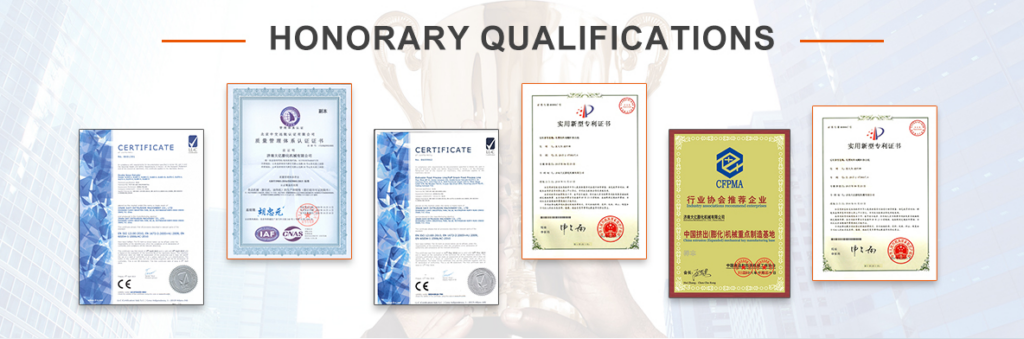
3.What certificate do you have?
We have ISO and CE certificate.
4.How long is the warranty period?
All of our machines have one year warranty.
5.What’s the main market of your company?
Our customers all over the world.
6.How much production capacity of your company one year?
This depends on your needs.
 Belarusian
  English
  Russian
  Spanish
  Italian
  Arabic
  Portuguese
  German
  French
  Japanese
  Moroccan Arabic
  Persian