
Processing Technology of Modified Starch: An In-Depth Technical Overview
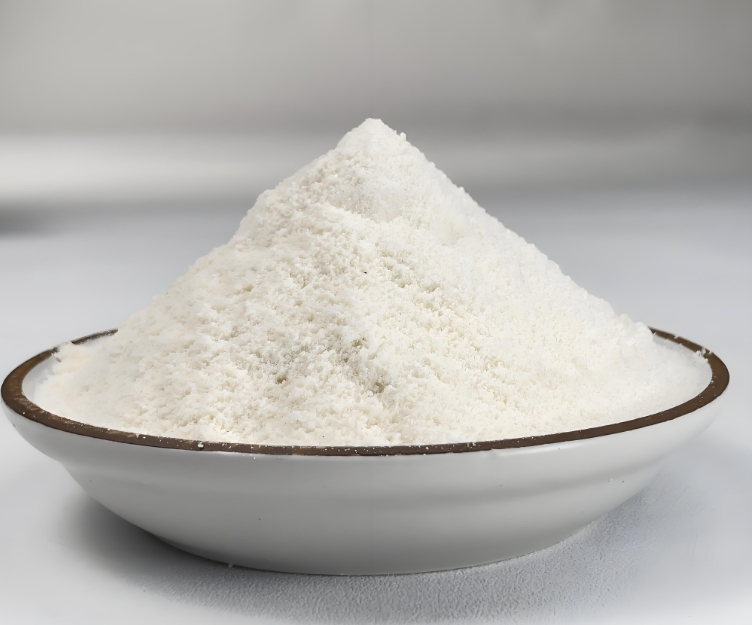
IntroductionModified starch represents a critical functional ingredient in modern food processing, obtained through controlled physical, chemical, or enzymatic treatment of native starch to enhance its stability, texture, clarity, or tolerance to extreme processing conditions. Its manufacturing process is a precise, multi-step operation that tailors starch properties to specific industrial applications. 1. Raw Material Selection & […]
Moisture Control in Fortified Rice Production: A Comprehensive Guide
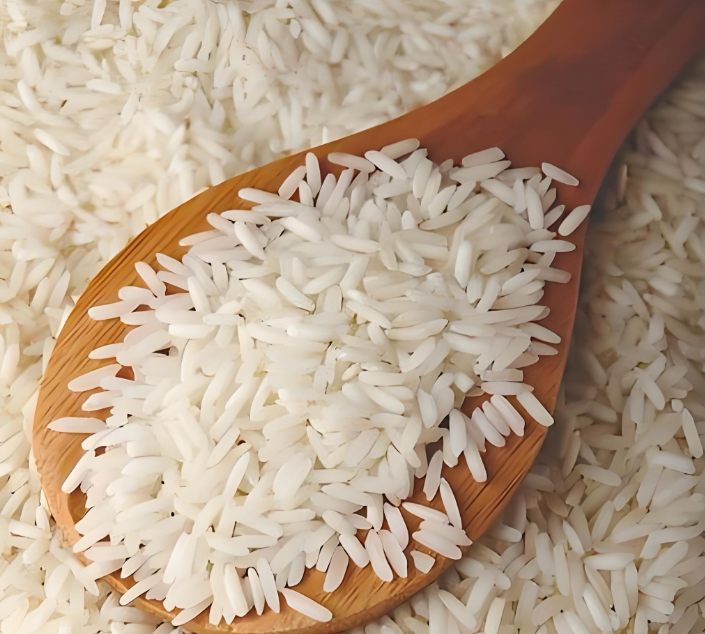
Introduction: The Critical Role of Moisture Management Moisture control is arguably the most critical parameter in fortified rice production, affecting everything from nutritional stability and texture to shelf life and safety. fortified rice making machine Improper moisture management can lead to vitamin degradation, microbial growth, texture defects, and product rejection. This guide provides a systematic […]
How to Extend Dog Food Shelf Life: A Comprehensive Guide
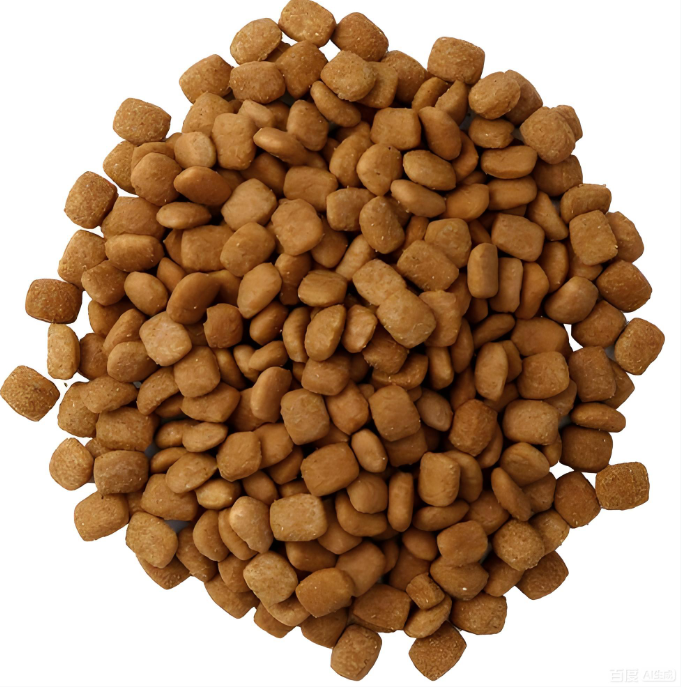
Introduction: The Shelf Life Challenge Dog food preservation represents a critical intersection of nutrition, food science, and packaging technology. Proper shelf life extension maintains nutritional integrity, prevents waste, and ensures pet safety. Most commercial dry dog foods have a shelf life of 12-18 months when unopened, while wet foods typically last 2-5 years. However, multiple […]
Mastering the Granule: A Guide to Producing Variable Particle Size Aquafeed
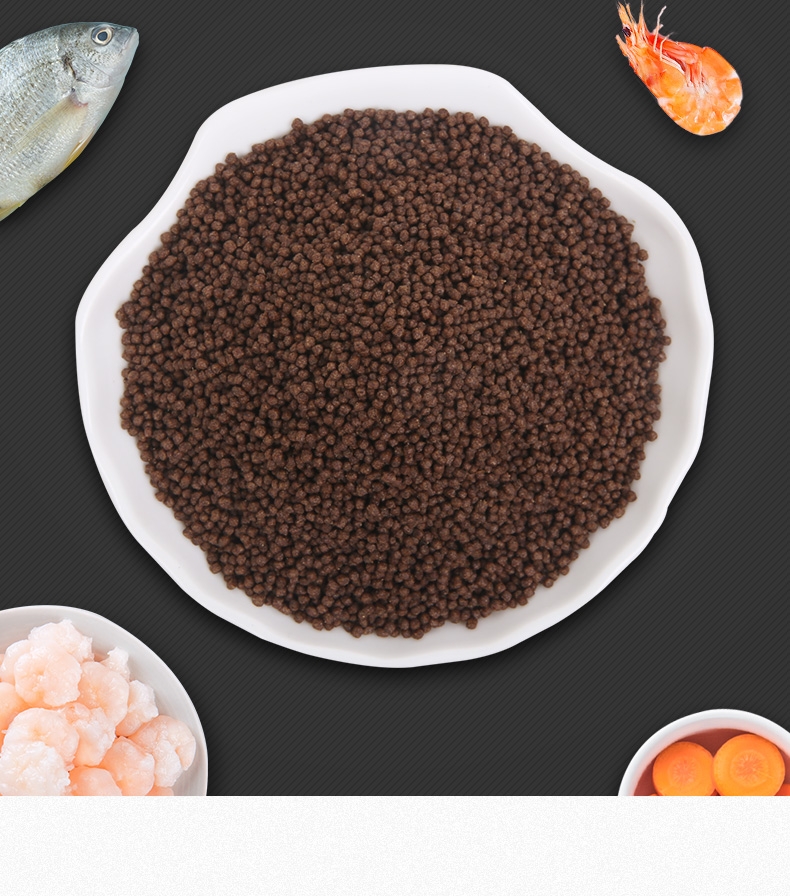
The production of aquafeed with precise, variable particle sizes (often referred to as granules or pellets) is a critical science in modern aquaculture. Different life stages and species of fish have specific mouth gape sizes and nutritional requirements, making customized feed particle size essential for efficient growth, minimized waste, and optimal water quality. Here’s a […]
Bugles in a New Era: Navigating Shifting Tides in the Snackosphere
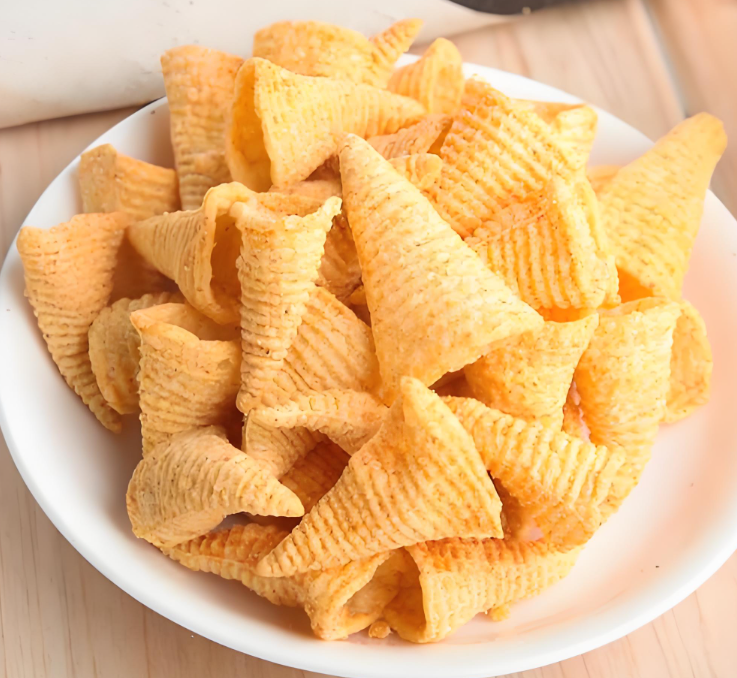
The iconic horn-shaped snack, Bugles, stands at a crossroads. A staple of 20th-century pantries, its market prospects are now shaped by a complex interplay of nostalgic strength, formidable challenges, and potential paths to reinvention. Its future hinges on the strategic choices of its parent company (currently General Mills) to adapt a classic product for a […]
The Crunch Heard ‘Round the World: A Look Inside the Making of Bugles
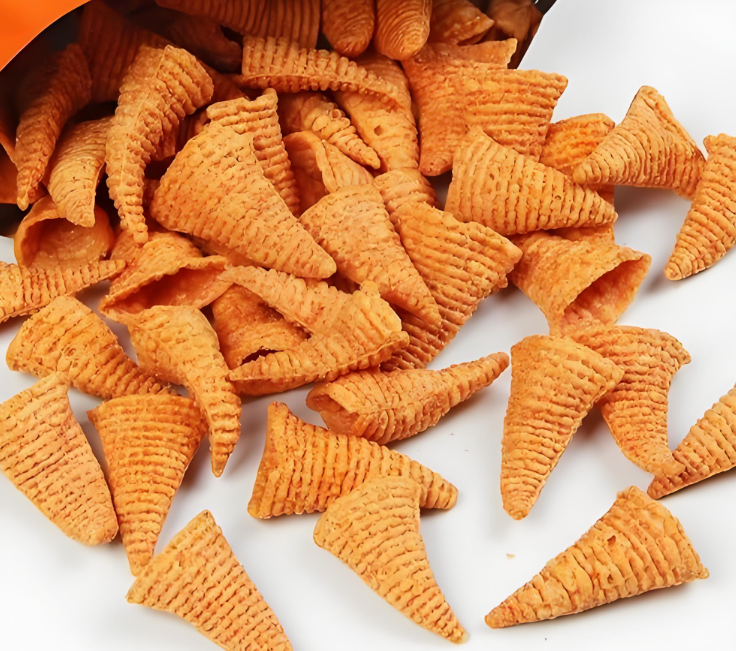
For decades, Bugles corn snacks have been a staple in pantries and lunchboxes, instantly recognizable by their iconic horn shape and satisfying, airy crunch. Marketed as a fun, whimsical treat, their advertising often focuses on playful consumption—sliding them onto fingertips. But the journey from a simple kernel of corn to that perfectly uniform, salty cone […]
Types of Puff Snacks (Extruded and Expanded Foods): A Practical Overview
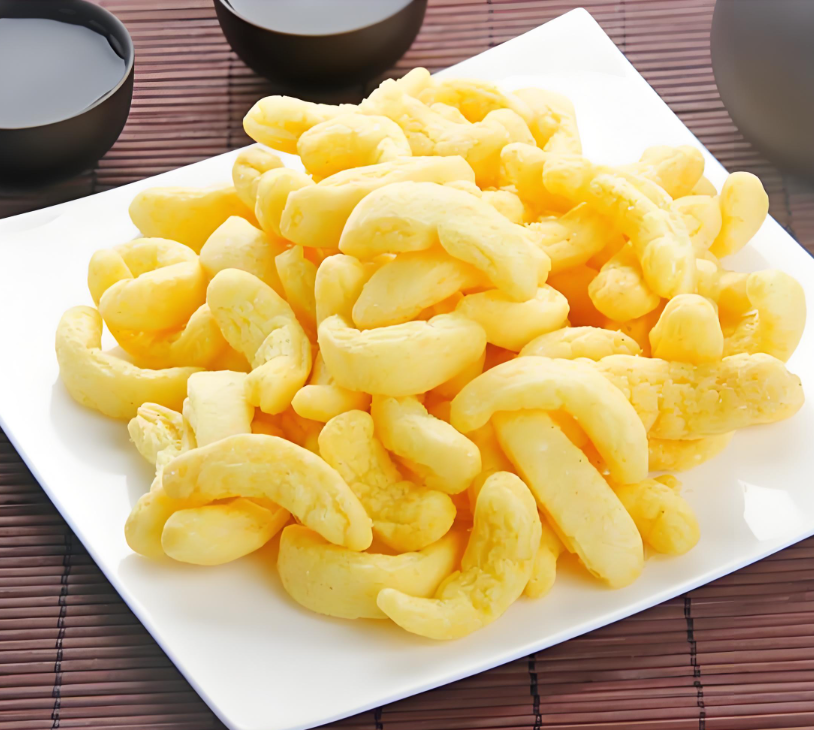
1. Introduction “Puffed foods” (expanded snacks) are products whose light, porous texture is created by rapid expansion of starch or protein matrices. Expansion can be achieved through different technologies—most commonly extrusion, but also puffing guns, hot-air popping, frying expansion, baking, and pellet expansion. Because formulas and processes vary widely, puffed foods form a large family […]
How Multigrain Nutrition Powder Is Processed: From Whole Grains to an Instant Mix
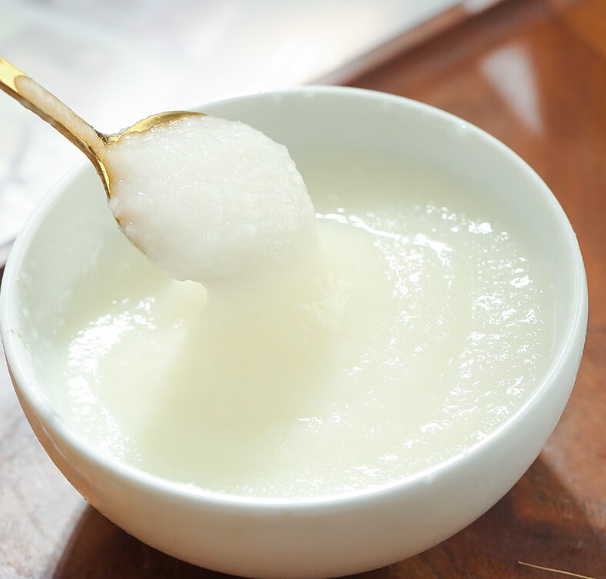
1. Introduction Multigrain nutrition powder—often marketed as “five-grain” or “whole-grain” powder—is typically a dry blend made from cereals, legumes, and sometimes seeds or nuts. Its appeal comes from convenience: consumers get a grain-based beverage or meal base that is easy to reconstitute with hot water or milk. Producing a stable, smooth, flavorful, and safe powder […]
Nutritional Powder Processing Technology: A Practical Guide from Formulation to Finished Product
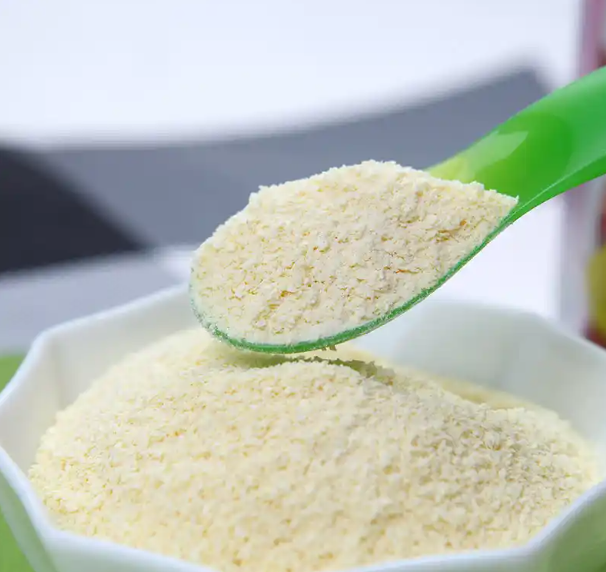
1. Introduction “Nutritional powder” is a broad category that includes protein powders, meal-replacement powders, infant and elderly nutrition mixes, sports nutrition, and functional blends fortified with vitamins and minerals. Although recipes vary, successful production relies on a common set of processing principles: ingredient quality control, hygienic handling, accurate dosing, effective blending, particle engineering, and packaging […]
Baby Rice Cereal Processing Technology: From Grain Selection to Safe, Instant Nutrition
1. Introduction Baby rice cereal is one of the most widely used complementary foods during infancy because it is mild in flavor, easy to digest, and suitable for fortification. Unlike ordinary rice flour, infant cereal must meet stricter requirements for food safety, nutrient accuracy, solubility/instant dispersibility, and low contamination risk. This article explains a typical […]
Uses of Textured Protein: What It Is and Where It’s Applied
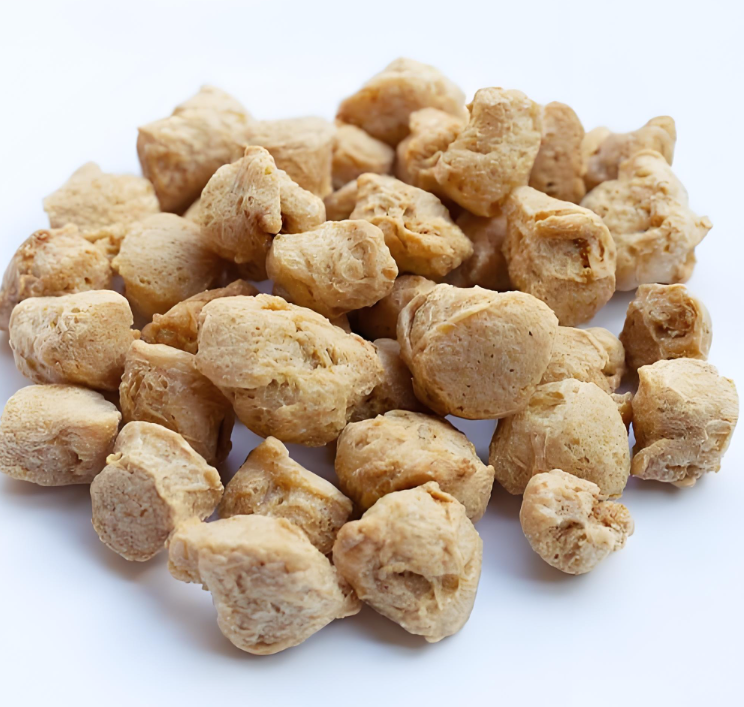
1. What “Textured Protein” Means Textured protein (often called textured vegetable protein, TVP, when plant-based) is a protein-rich ingredient processed to form a fibrous or porous structure that mimics the bite of meat. soya chunk making machine It is commonly made from soy, pea, wheat (gluten), or other plant proteins. The texture is typically created […]
Inside the Factory: Revealing How Corn Snack Sticks Are Made
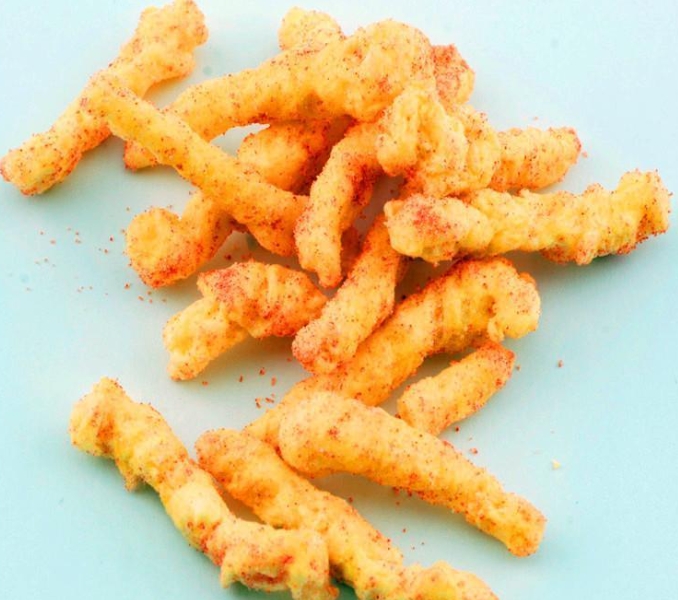
Corn sticks (often called corn curls, puffed corn sticks, or “corn puffs”) look simple—light, crunchy, brightly flavored. But behind that airy bite is a highly engineered process designed for speed, uniformity, and long shelf life. Kurkure making machine This article breaks down the typical industrial workflow, explains what actually creates the “puff,” and highlights the […]
 Belarusian
  English
  Russian
  Spanish
  Italian
  Arabic
  Portuguese
  German
  French
  Japanese
  Moroccan Arabic
  Persian