
Puffed breadcrumbs are a popular coating ingredient used in fried and baked foods, valued for their light, crispy texture. While traditional breadcrumbs are irregular or granular, puffed breadcrumbs can be manufactured in various shapes—such as spheres, rods, rings, or flakes—to enhance visual appeal, texture, and coating performance. Below is a step-by-step guide to producing shape-specific puffed breadcrumbs.
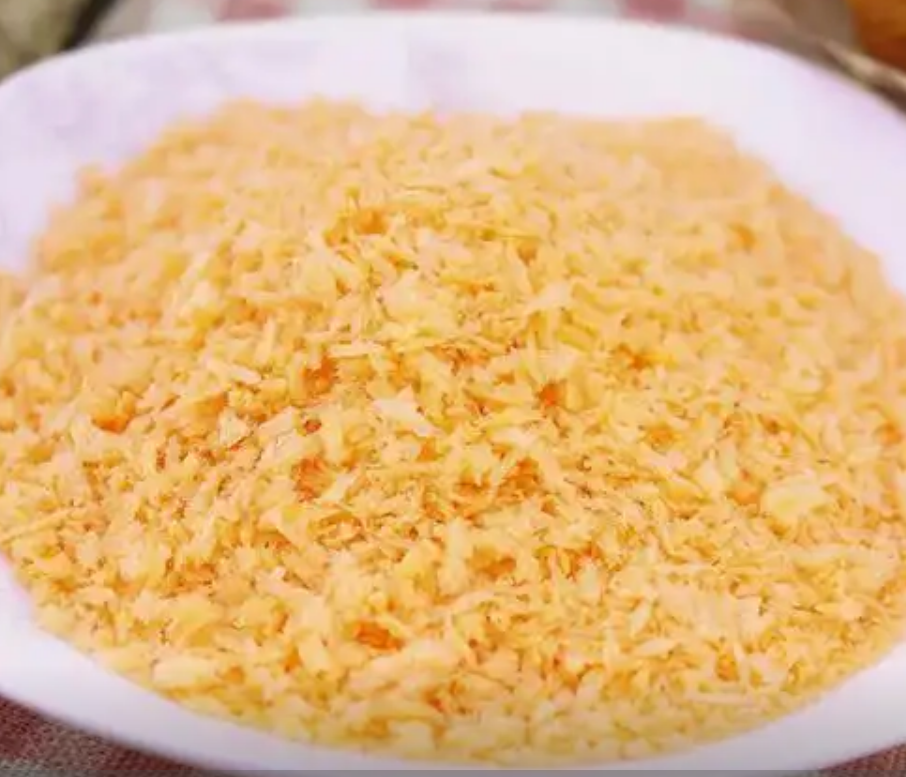
1. Ingredient Preparation
The base recipe typically includes:
- Wheat flour or starch (primary structure)
- Corn or rice flour (for puffing and lightness)
- Protein (e.g., soy or gluten, for crispiness)
- Salt, sugar, and emulsifiers (for flavor and processing)
- Water (to form dough)
The ingredient ratios can be adjusted to influence puffing expansion and shape retention.
2. Dough Mixing and Conditioning
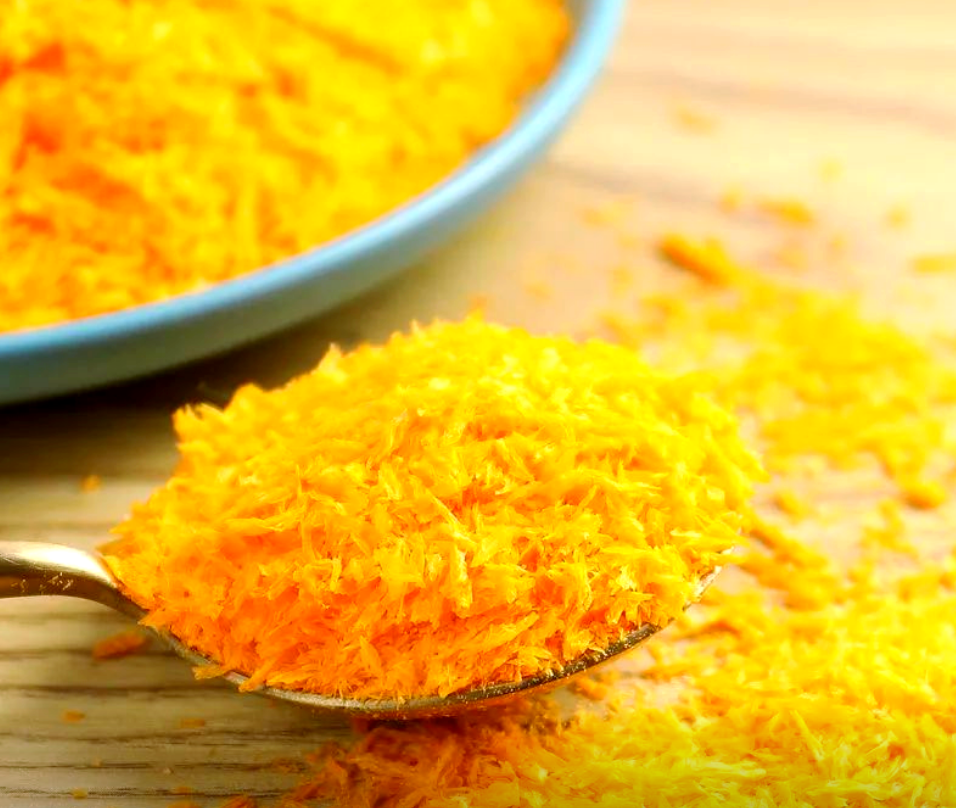
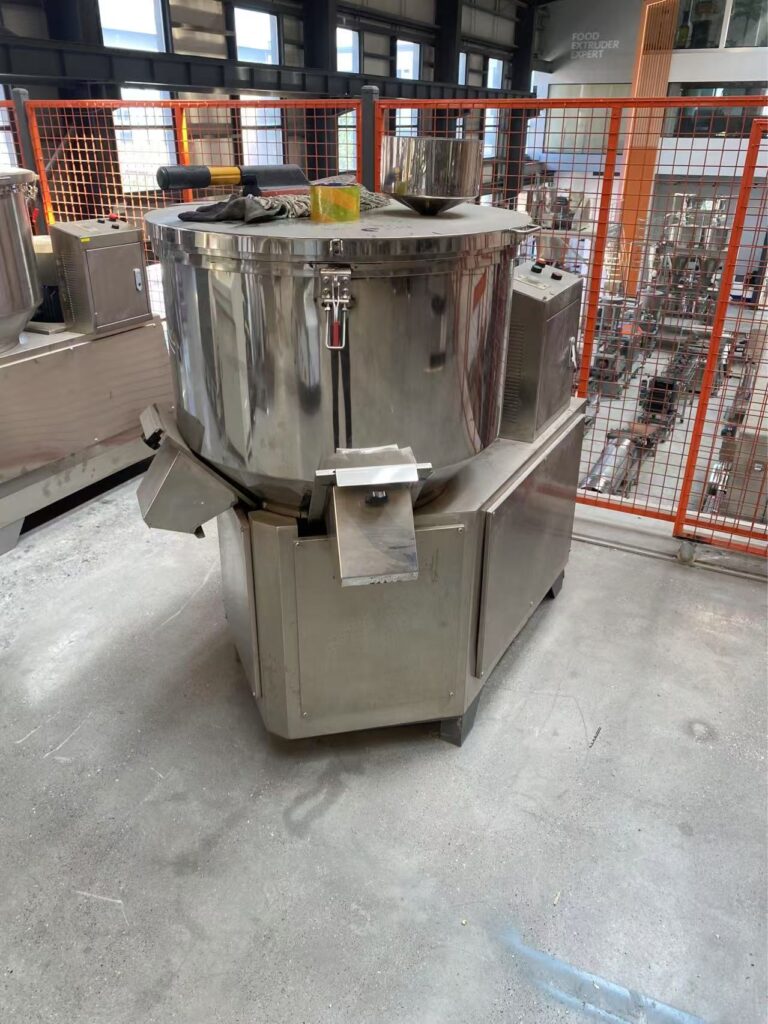
All dry ingredients are blended first, then water is added gradually to form a uniform dough. The dough’s moisture content (typically 30–40%) and temperature (30–40°C) are critical. Proper gluten development or starch gelatinization ensures the dough can hold its shape during extrusion.
3. Shaping via Extrusion or Molding
The key to different shapes is the forming method:
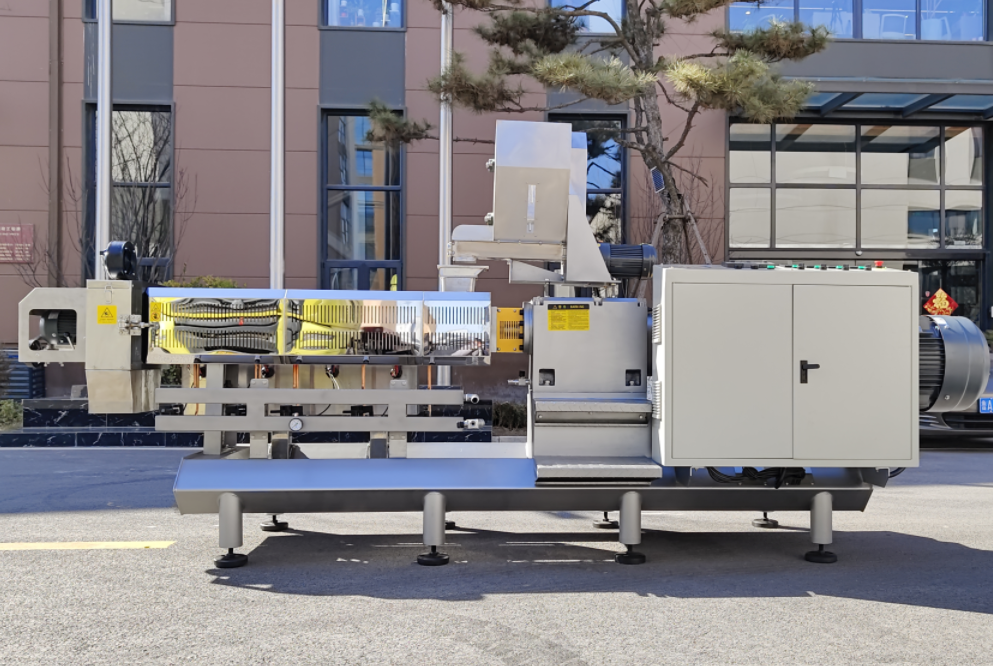
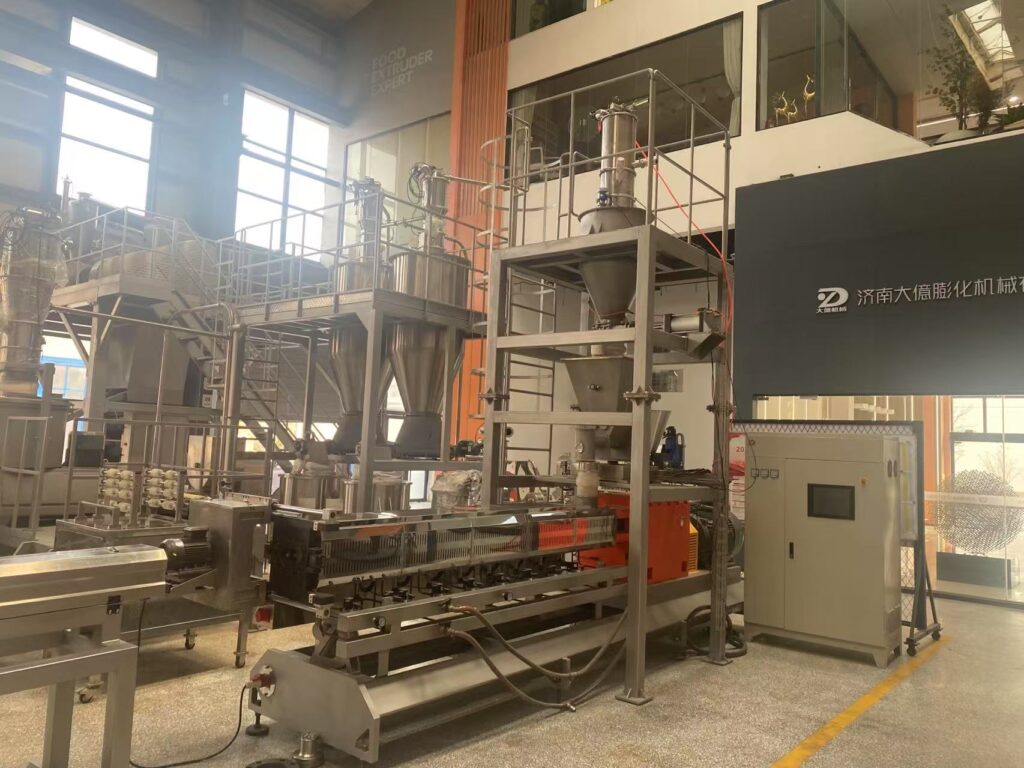
- Spherical or cylindrical shapes – A twin-screw extruder forces dough through a die plate with circular holes. As the dough exits, a rotating cutter slices it into pellets. The pellet length-to-diameter ratio determines whether the final puff is round or rod-like.
- Ring or donut shapes – A specially designed annular die is used, creating hollow tubes. The cutter slices the tube into short segments, which puff into ring-shaped crumbs.
- Flake or irregular shapes – Dough is sheeted between rollers, then cut into small pieces or broken randomly. After puffing, these yield flake-like or angular crumbs.
- Custom shapes (stars, hearts, etc.) – Requires custom-shaped die plates or rotary molders. This is common for specialty snack coatings.
4. Pre-conditioning (Optional)
For better expansion, the shaped pellets may be steamed or tempered to raise moisture and temperature before puffing. This step helps achieve uniform cell structure.
5. Puffing Process
The shaped dough pieces are rapidly heated, usually via:
- Hot air puffing (fluid bed dryer at 150–250°C) – Produces light, evenly puffed crumbs with low oil content.
- Oil frying puffing (170–190°C for 10–30 seconds) – Results in richer flavor and darker color, but higher fat.
- Microwave or infrared puffing – Used for small batches or special shapes requiring gentle expansion.
During puffing, water inside the dough vaporizes quickly, expanding the starch matrix. The shape is largely preserved but enlarges 2–3 times.
6. Drying and Cooling
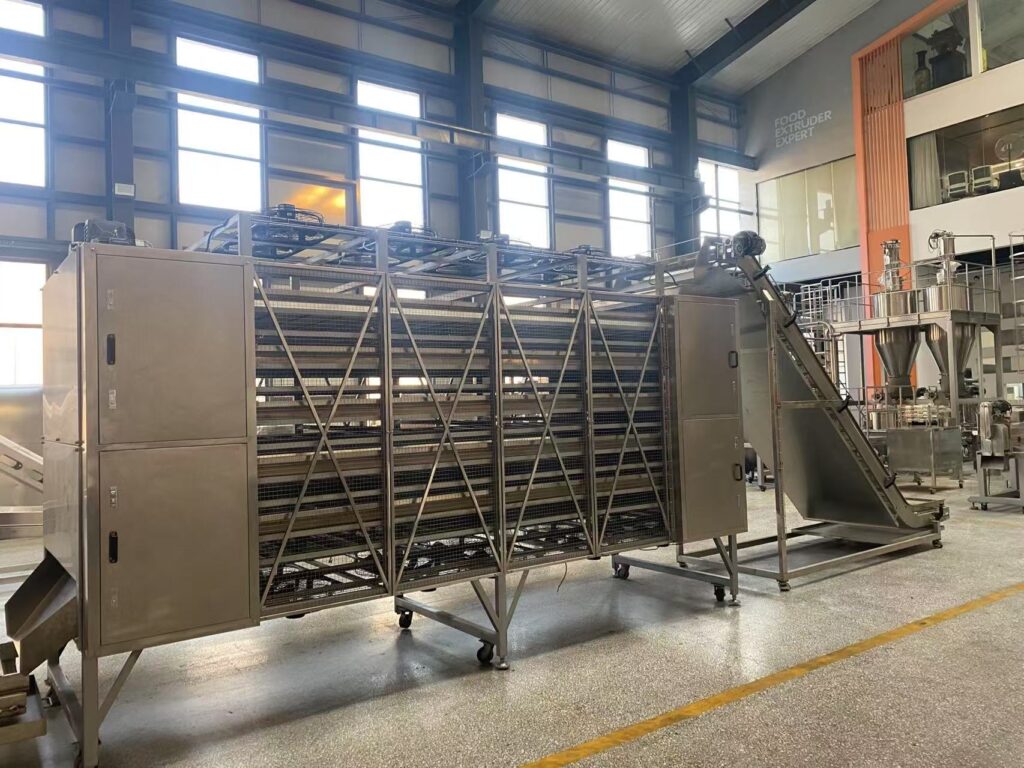
After puffing, crumbs contain 5–10% moisture and need drying to 2–4% for shelf stability. A multi-stage belt dryer (80–120°C) removes residual moisture without burning. Cooling to room temperature solidifies the crispy texture.
7. Sizing and Separation
Puffed crumbs are passed through vibrating screens to separate them by size:
- Coarse (3–6 mm) for crunchy coatings
- Medium (1–3 mm) for general use
- Fine (<1 mm) for batter or seasoning blends
If shape uniformity is critical (e.g., stars or rings), an optical sorter or air classifier can remove misshapen pieces.
8. Coating and Flavoring (Optional)
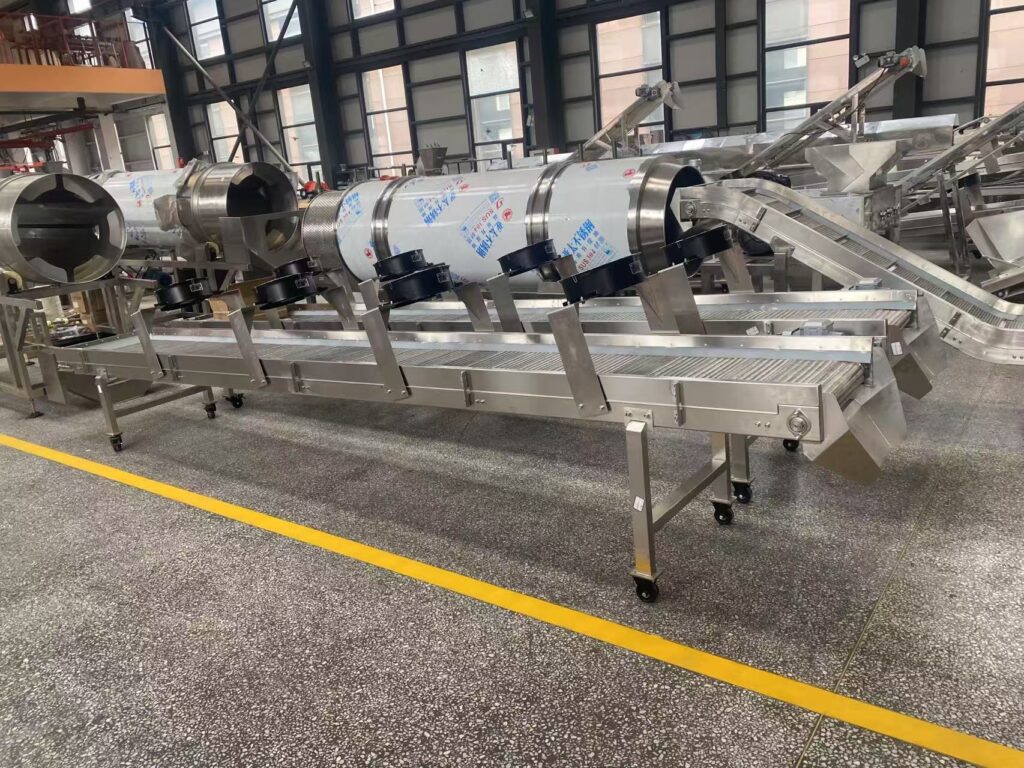
For seasoned breadcrumbs, oil and powdered flavors are sprayed onto the puffed crumbs in a tumble drum. This step can be done before or after sizing.
9. Packaging
The final product is packaged in moisture-proof bags or lined cartons to prevent humidity absorption, which would soften the crunch. Nitrogen flushing may be used for extended shelf life.
Quality Control Tips for Shape Consistency
- Die design – Sharp, clean edges produce well-defined shapes.
- Dough rheology – Too sticky or too dry dough will distort during cutting.
- Puffing temperature – Higher heat increases expansion but can blow out fine details.
- Post-puff handling – Gentle conveying prevents breakage of delicate shapes like rings.
Applications of Shaped Puffed Breadcrumbs
- Spheres/rods – Ideal for coating chicken nuggets and fish sticks.
- Rings – Used for onion rings or shrimp coatings for visual novelty.
- Flakes – Great for casserole toppings or baked mac and cheese.
- Custom shapes – Branded coatings for kids’ snacks or premium products.
By controlling extrusion, cutting, and puffing parameters, manufacturers can produce puffed breadcrumbs in virtually any shape, adding both functional and marketing value to coated foods. If you are interested in the bread crumbs machinery, you can contact me , i will give you good advice and solutions .
1.Will you help us with the installation ?
Yes , We will send engineers to install and debug the equipment, and assist in training your staff.
2.Are you a factory or trading company?
We are a factory.
3.What certificate do you have?
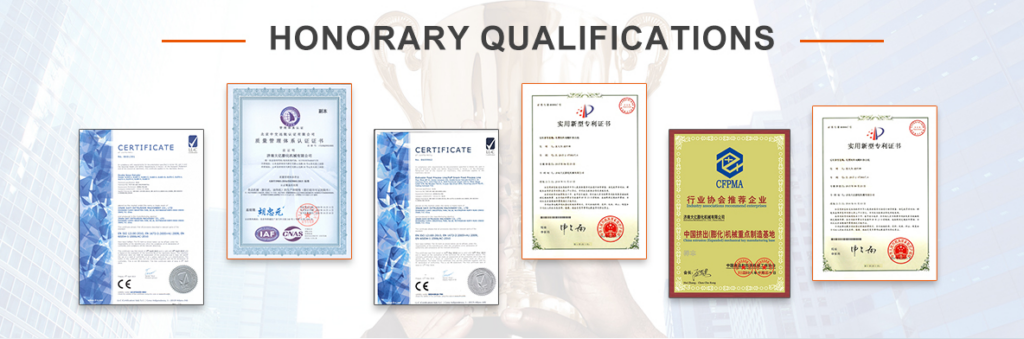
We have ISO and CE certificate.
4.How long is the warranty period?
All of our machines have one year warranty.
5.What’s the main market of your company?
Our customers all over the world.
6.How much production capacity of your company one year?
This depends on your needs.
 Belarusian
  English
  Russian
  Spanish
  Italian
  Arabic
  Portuguese
  German
  French
  Japanese
  Moroccan Arabic
  Persian