
The Complete Process of Dog Food Processing
Dog food production is a carefully designed process that ensures pets receive balanced nutrition and safe food. Modern dog food factories use advanced machinery and strict quality control to turn raw ingredients into high-quality dog food. From selecting raw materials to packaging the final product, every step in the process plays an important role in maintaining nutrition, taste, and safety.
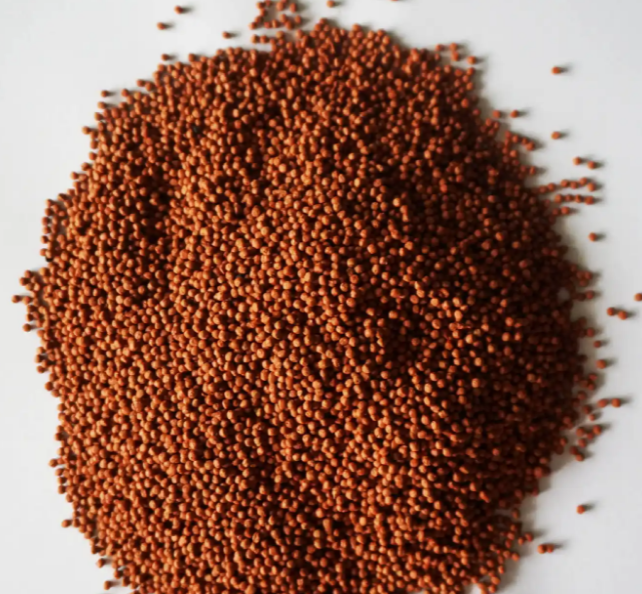
1. Raw Material Selection
The first step in dog food processing is selecting high-quality raw materials. Common ingredients include meat or meat meal, grains such as corn and rice, vegetables, fats, vitamins, and minerals. Each ingredient is chosen to provide essential nutrients like protein, carbohydrates, fats, and micronutrients that support a dog’s health and growth. Before entering production, the raw materials are inspected to ensure they meet safety and quality standards.
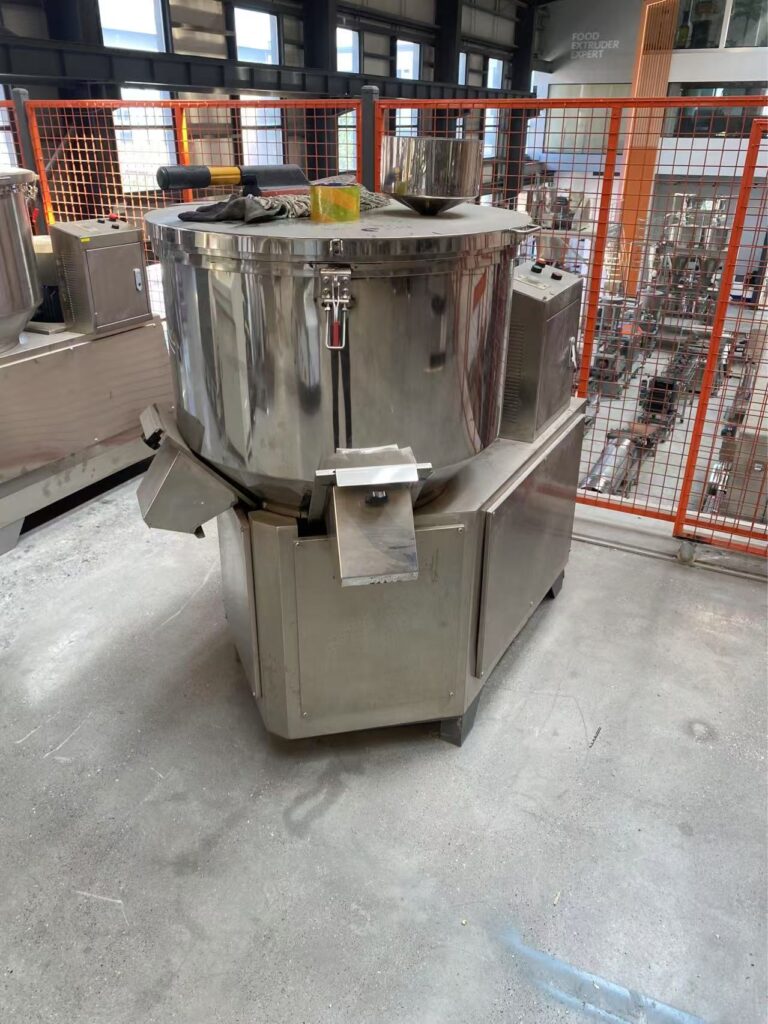
2. Grinding
After the ingredients are prepared, they are sent to the grinding stage. Large pieces of raw materials are ground into fine particles using grinding equipment such as a hammer mill. Grinding helps improve mixing uniformity and ensures that the ingredients can be processed efficiently in later stages.
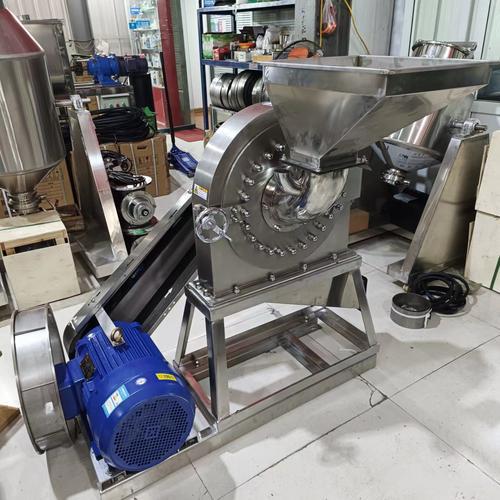
3. Mixing
In the mixing stage, all the ground ingredients are blended according to a precise nutritional formula. A mixer ensures that proteins, grains, vitamins, and minerals are evenly distributed throughout the mixture. Proper mixing guarantees that every piece of dog food contains balanced nutrients.
4. Conditioning
Before forming the dog food, the mixture goes through a conditioning process. Steam and sometimes water are added to the mixture to increase moisture and temperature. Conditioning softens the material and prepares it for the next step, which improves the texture and digestibility of the final product.
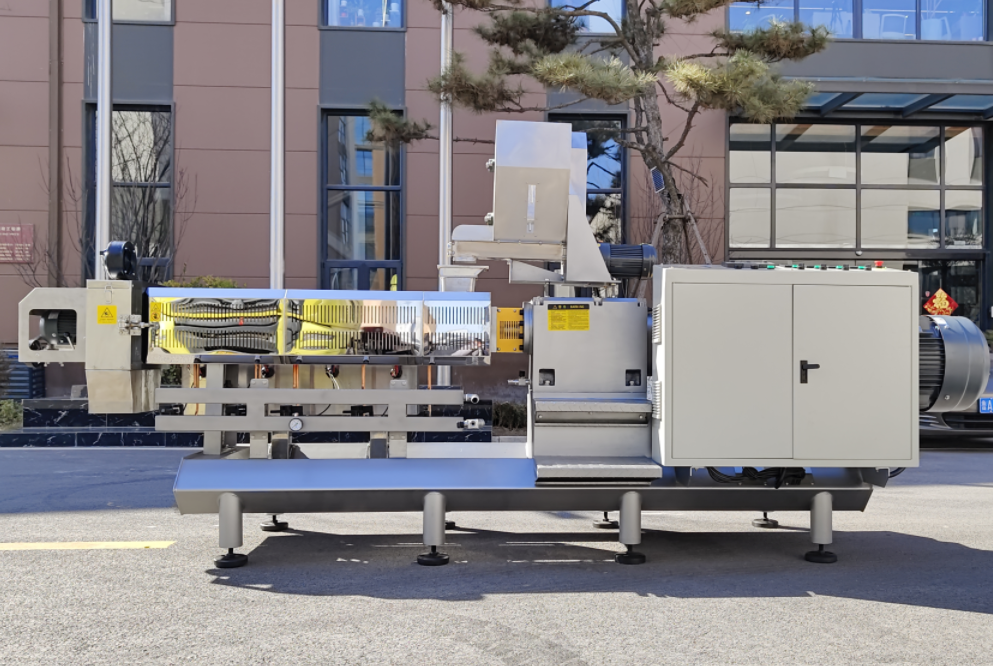
5. Extrusion
Extrusion is the core step in most dry dog food production. In this process, the conditioned mixture enters an extruder where it is cooked under high temperature and pressure. As the material passes through a shaped die at the end of the extruder, it expands and forms the familiar kibble shapes. Extrusion also helps kill harmful bacteria and improves the digestibility of nutrients.
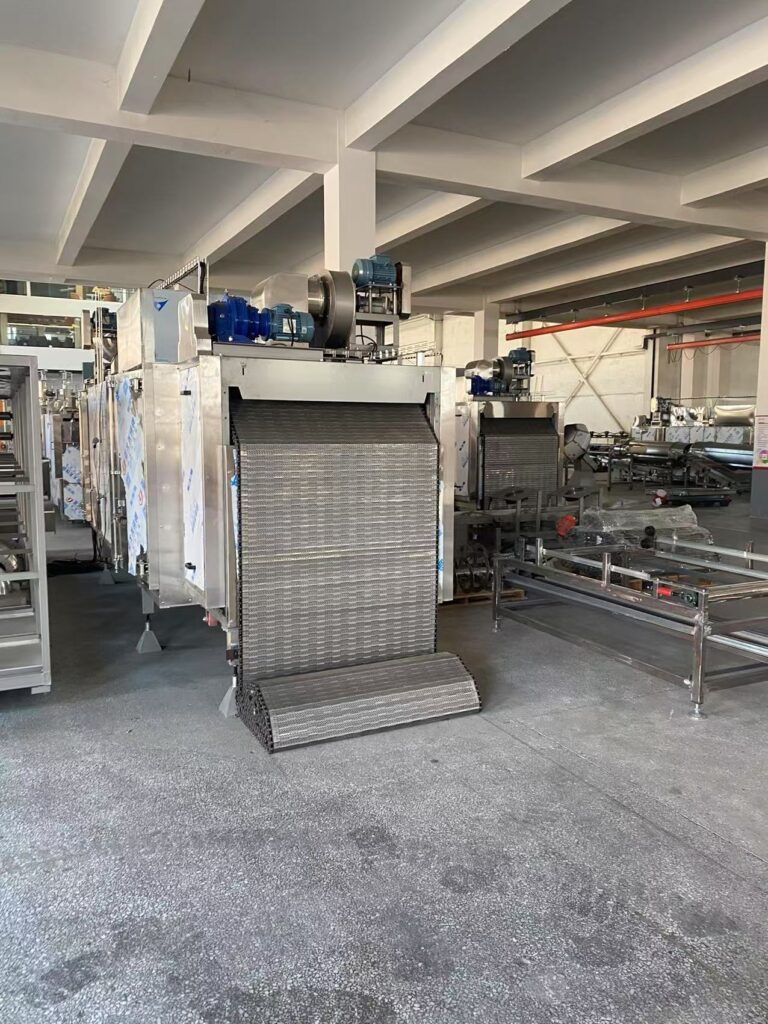
6. Drying
Freshly extruded dog food contains relatively high moisture. Therefore, it must be dried to reduce the moisture level and improve shelf life. A dryer removes excess water from the kibble while maintaining its structure and nutritional value.
7. Cooling
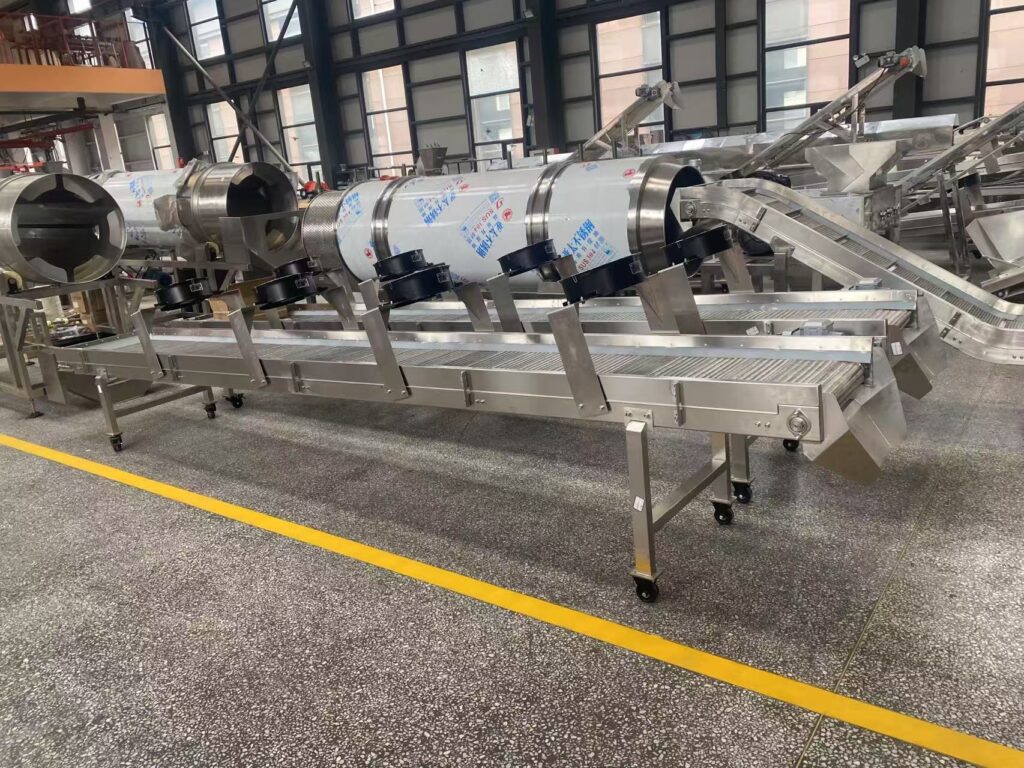
After drying, the dog food is still warm. A cooling system is used to lower the temperature of the kibble. Cooling helps stabilize the product and prevents moisture from condensing inside the packaging.
8. Coating
In many dog food production lines, a coating process is used to enhance flavor and nutrition. Oils, fats, or flavor enhancers are sprayed onto the surface of the kibble. This coating improves the taste and makes the food more appealing to dogs.
9. Screening and Packaging
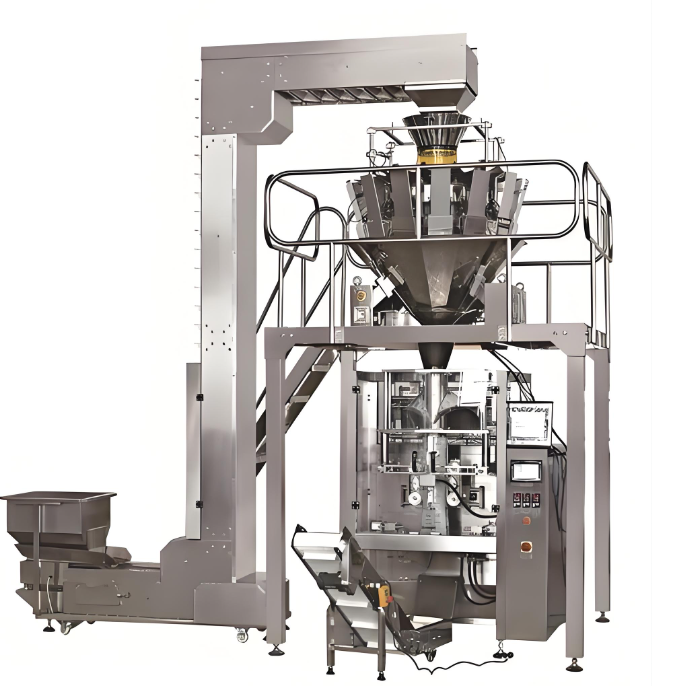
Finally, the dog food passes through a screening system to remove broken pieces and dust. The qualified kibble is then weighed and packed using automatic packaging machines. The finished products are sealed in bags and prepared for storage, transportation, and sale.
Conclusion
The processing of dog food involves many precise steps, including raw material selection, grinding, mixing, conditioning, extrusion, drying, cooling, coating, and packaging. Each stage contributes to the quality, safety, and nutritional value of the final product. Through advanced technology and strict production control, manufacturers can produce dog food that supports the health and well-being of pets around the world. If you are interested in the dog food machine , you can contact me , i will give you good advice and solutions .
1.Will you help us with the installation ?
Yes , We will send engineers to install and debug the equipment, and assist in training your staff.
2.Are you a factory or trading company?
We are a factory.
3.What certificate do you have?
We have ISO and CE certificate.
4.How long is the warranty period?
All of our machines have one year warranty.
5.What’s the main market of your company?
Our customers all over the world.
6.How much production capacity of your company one year?
This depends on your needs.
 Belarusian
  English
  Russian
  Spanish
  Italian
  Arabic
  Portuguese
  German
  French
  Japanese
  Moroccan Arabic
  Persian