
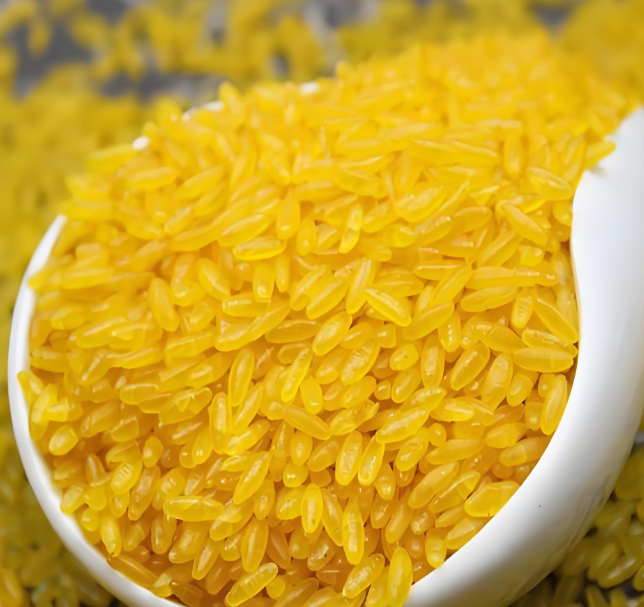
Fortified rice is designed to look, cook, and taste like regular rice while providing extra vitamins and minerals that help improve nutrition. It is commonly used in school meal programs, food aid, and everyday diets in places where people may not get enough micronutrients from other foods. The process of making fortified rice depends on the technology used, but the goal is always the same: add stable nutrients in a way that survives storage, washing, and cooking as well as possible.
1) Choosing the nutrient blend
Manufacturers first decide which micronutrients to add, based on local nutrition needs and regulations. Common fortificants include:
- Iron (to reduce anemia)
- Folic acid and other B vitamins (such as B1, B2, B3, B6, B12)
- Zinc
- Sometimes vitamin A or vitamin D, depending on the program
Because some nutrients can react with moisture, oxygen, or other ingredients, the mix is carefully formulated and may include protective coatings or stabilizers.
2) Preparing a rice-based “premix”
Most fortified rice is not made by simply sprinkling vitamins onto normal rice. Instead, producers create a concentrated product called a fortified rice premix—small rice-like kernels that contain the nutrients. These premix kernels are later blended with regular rice.
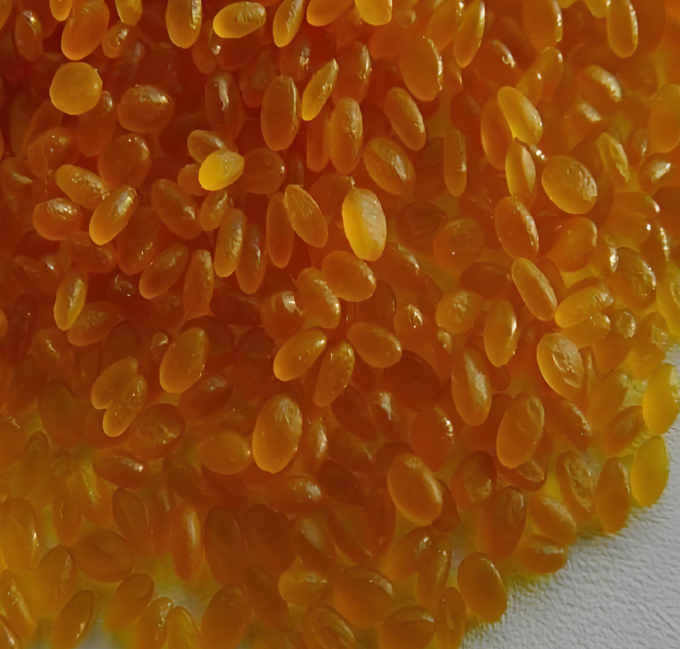
There are three widely used methods to make premix kernels:
a) Extrusion (the most common modern method)
Extrusion starts by grinding rice into flour. The rice flour is mixed with the vitamin-mineral blend and water to form a dough. This dough is then pushed through an extruder that shapes it into rice-like kernels.
There are two main extrusion approaches:
- Hot extrusion: uses higher temperature and pressure, forming firm kernels and improving durability.
- Cold extrusion: uses lower temperature, which can help protect heat-sensitive vitamins, though the kernels may be less robust depending on formulation.
After extrusion, the kernels are cut to rice length, then dried until their moisture content is safe for storage.
b) Coating
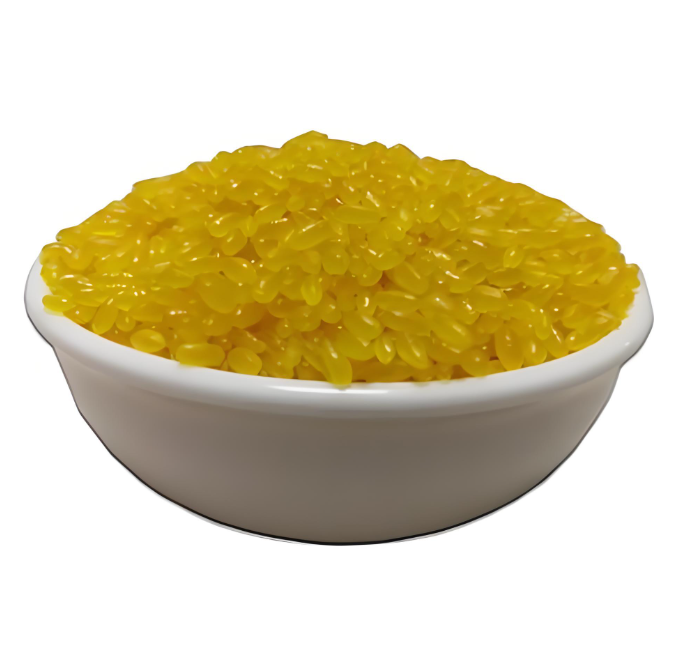
In coating methods, regular rice kernels are sprayed or tumbled with a nutrient solution (often with waxes or gums as binders), forming a thin layer on the surface. Coated rice can be effective but may lose more nutrients if the rice is washed heavily before cooking.
c) Dusting (less preferred)
Dusting applies a dry micronutrient powder to rice. It is generally less durable because the powder can be lost during handling and washing, so it is used less often in large-scale programs.
3) Blending premix kernels with regular rice
Once premix kernels are made, they are mixed with ordinary rice at a controlled ratio—often something like 1:50 to 1:200, depending on how concentrated the premix is and the target nutrient level. The blending must be uniform so that each bag of rice delivers consistent nutrition.
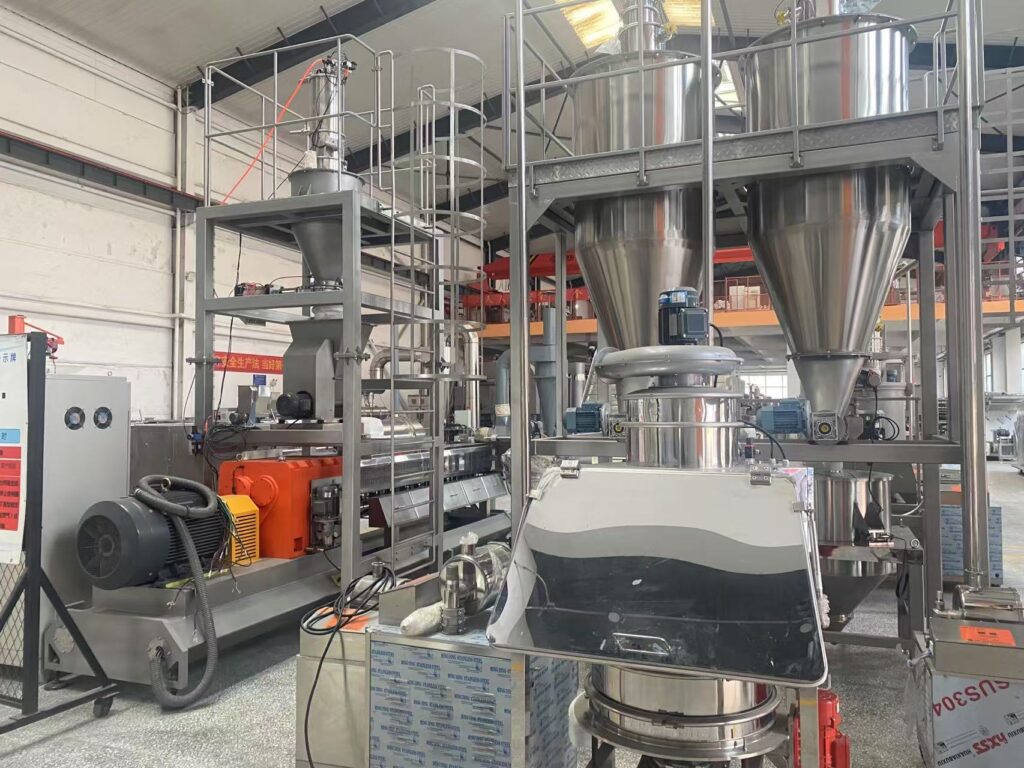
To achieve this, producers use calibrated mixing equipment and quality checks to ensure the premix kernels are evenly distributed.
4) Quality control and safety checks
Before fortified rice is shipped, manufacturers test it to confirm:
- Nutrient levels match the target (e.g., iron content)
- Kernel appearance is similar to regular rice
- Moisture content is low enough to prevent spoilage
- Stability during storage and transport
- Cooking performance—the rice should cook normally and taste familiar
Some programs also test how much nutrient remains after typical household practices like rinsing and boiling.
5) Packaging and distribution
Fortified rice is packaged to protect it from moisture, heat, and light. Proper labeling is important so consumers know it is fortified and how to store it. It is then distributed through markets, government programs, humanitarian aid channels, or institutional buyers such as schools.
6) How consumers cook fortified rice
In most cases, fortified rice is cooked just like ordinary rice. However, because some nutrients can be lost in excess water, many nutrition programs recommend:
- Avoiding repeated heavy washing
- Using the right water-to-rice ratio (so water is absorbed rather than poured off)
- Not discarding cooking water when possible (depending on the cooking method)
Conclusion
Fortified rice is made by adding essential vitamins and minerals in a controlled and stable way—most commonly by producing nutrient-rich premix kernels through extrusion and blending them with regular rice. When produced and handled correctly, fortified rice can significantly improve micronutrient intake while fitting seamlessly into everyday meals.
 Belarusian
  English
  Russian
  Spanish
  Italian
  Arabic
  Portuguese
  German
  French
  Japanese
  Moroccan Arabic
  Persian