
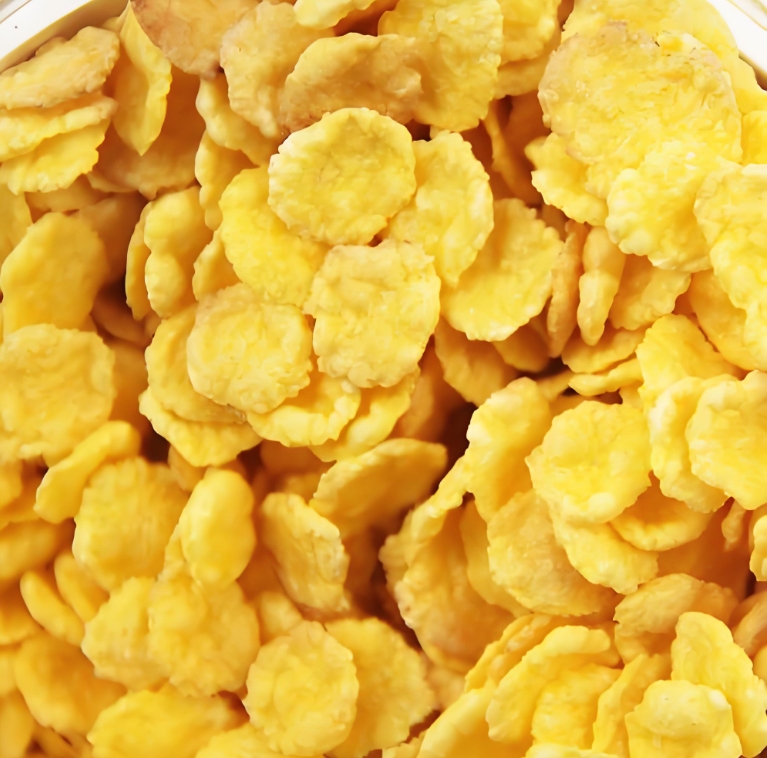
Breakfast corn flakes, a staple in households worldwide, are a prime example of food engineering transforming a simple grain into a convenient, shelf-stable, corn flakes machine and nutritious product. The manufacturing process is a continuous, multi-stage operation that combines thermal treatment, mechanical deformation, and precise drying. Here is a detailed breakdown of the key steps involved.
1. Raw Material Selection & Cleaning
The process begins with the selection of high-quality, clean, dry dent or flint corn kernels. The corn is passed through screens, magnets, and destoners to remove impurities like husks, stones, dust, and metallic fragments, ensuring product safety and purity.
2. Cooking & Seasoning
The cleaned corn is then cooked under pressure in large rotary cookers (similar to autoclaves). It is mixed with water, flavorings, and vital ingredients:
- Sweeteners: Sugar, malt syrup, or corn syrup are added for flavor and to promote browning.
- Salt: For taste enhancement.
- Malt Extract: Often added to provide enzymes (amylases) that break down starch into simpler sugars, which improves flavor, aids in browning during toasting, and contributes to the final crisp texture.
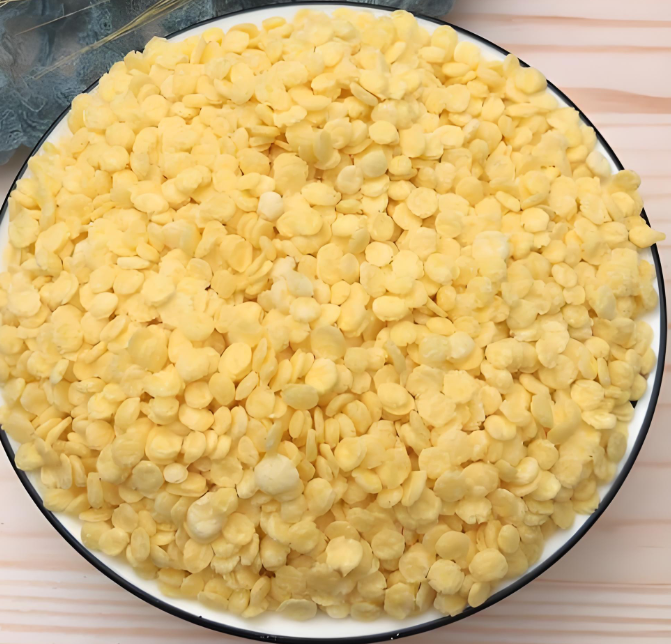
The cooking, typically at temperatures of 100-120°C for 1-2 hours, hydrates the kernels, gelatinizes the starch, and infuses the flavors throughout. The result is a soft, cooked grits mass.
3. Delumping & Tempering
The cooked, sticky mass is discharged and broken down into coarse, individual grits or pellets using delumping machines. corn flakes machine These hot, moist grits are then conveyed to large tempering bins or drums, where they are held for several hours (often 6-24). This critical tempering stage allows for the equilibration of moisture from the wet interior to the drier surface of each grit, stabilizing them for the next step.
4. Flaking (Flaking Rolls)
The tempered grits are fed between two large, heavy, counter-rotating steel rollers. The pressure exerted—often several tons—flattens each grit into the characteristic thin, flat flake. The gap between the rollers is precisely controlled to determine the final flake thickness, which directly affects texture and crunch.
5. Drying & Toasting (The Oven)
The delicate, still-moist flakes are immediately transferred to a multi-zone conveyor dryer, often called a toasting oven. This is a transformative stage:
- Drying Zone: Initial high-temperature air (approx. 300°C) rapidly dries the flakes, setting their structure and causing steam to puff them slightly, creating lightness.
- Toasting/Browning Zone: Subsequent zones at slightly lower temperatures toast the flakes, developing the golden-brown color, pleasant roasted aroma, and final crispness through the Maillard reaction and caramelization of the sugars added during cooking.
- Cooling Zone: Finally, the flakes are cooled with ambient air to stop the cooking process and prepare them for handling.
6. Coating (Optional but Common)
For frosted or flavored varieties, a coating is applied after toasting. A fine mist of a vitamin and mineral syrup (fortification) and/or a sugar-based glaze is sprayed onto the flakes as they tumble in a rotating drum. This step enriches the nutritional profile and adds a sweet, flavorful coating. The flakes are then gently re-dried to set the coating.
7. Cooling & Packaging
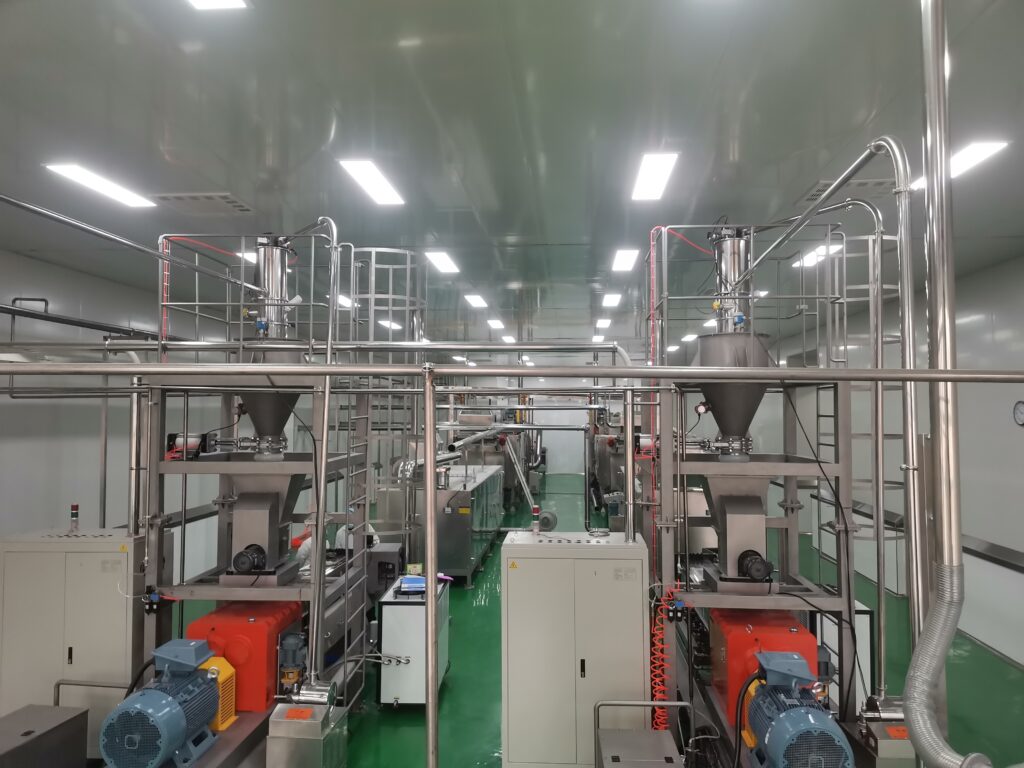
The finished corn flakes are cooled to ambient temperature on conveyors. corn flakes machine They are then conveyed to packaging lines, where they are weighed and filled into airtight, laminated bags or cardboard boxes, often with an inner liner. The packaging is designed to provide a barrier against moisture and air, which is crucial for maintaining the product’s signature crispness and preventing staleness.
Key Technological Principles:
- Gelatinization & Retrogradation: Cooking gelatinizes starch, making it digestible. Subsequent cooling and drying cause retrogradation, which contributes to the rigid, crisp structure.
- Maillard Reaction: The browning and development of complex flavors during toasting.
- Moisture Control: Precise control of moisture content at every stage—from cooking to final packaging—is the single most critical factor in determining texture, shelf life, and crunch.
In conclusion, the transformation of hard corn kernels into light, crispy, golden flakes is a sophisticated process that balances heat, pressure, and time. It exemplifies how food science and technology can create a consistent, palatable, and stable product from a basic agricultural commodity.
 Belarusian
  English
  Russian
  Spanish
  Italian
  Arabic
  Portuguese
  German
  French
  Japanese
  Moroccan Arabic
  Persian