
For over a century, the simple, golden cornflake has been a breakfast table staple, symbolizing quick, wholesome nutrition. how are corn flakes madeBut its journey from a field of dense maize to the light, crispy flake in your bowl is anything but simple. It is a marvel of modern food engineering—a precise, multi-stage process designed for consistency, shelf stability, and that satisfying crunch. Let’s pull back the curtain on how cornflakes are truly made.
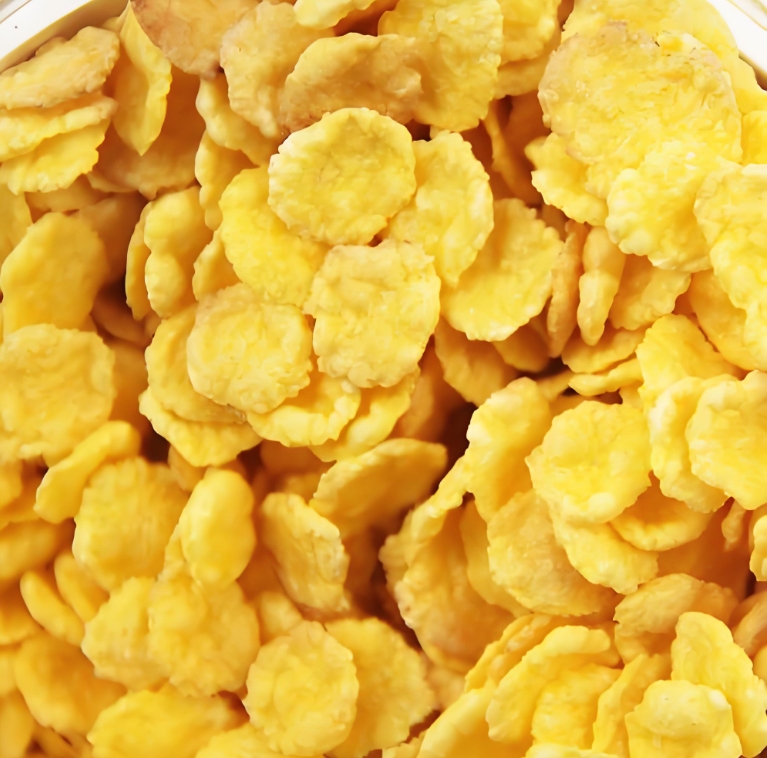
1. The Raw Material: Not Just Any Corn
The process begins not with sweet corn, but with field corn (dent corn), chosen for its hardy endosperm and low moisture content. Kernels are first thoroughly cleaned, then put through a degerming process. This removes the oily germ and the fibrous hull, how are corn flakes made leaving behind pure, starchy chunks called “grits.” Removing the germ is crucial—it prevents rancidity, granting the flakes a long shelf life.
2. The Flavor Infusion: Cooking Under Pressure
The bland corn grits are far from tasty. To build flavor from within, they are mixed with a precise syrup blend containing:
- Salt and Sugar: For baseline flavor.
- Malt Extract: The secret ingredient. This provides the distinctive, slightly nutty “toasted” flavor and aids in browning.
- Vitamins & Minerals: A nutrient cocktail (like iron and B-vitamins) is added to fortify the cereal, often replacing nutrients lost in processing.
This mixture is then cooked under high pressure and steam in giant rotary cookers. This isn’t gentle simmering; it’s an intense process that gelatinizes the starches, how are corn flakes made making them malleable and ensuring every grit is fully impregnated with flavor and nutrients.
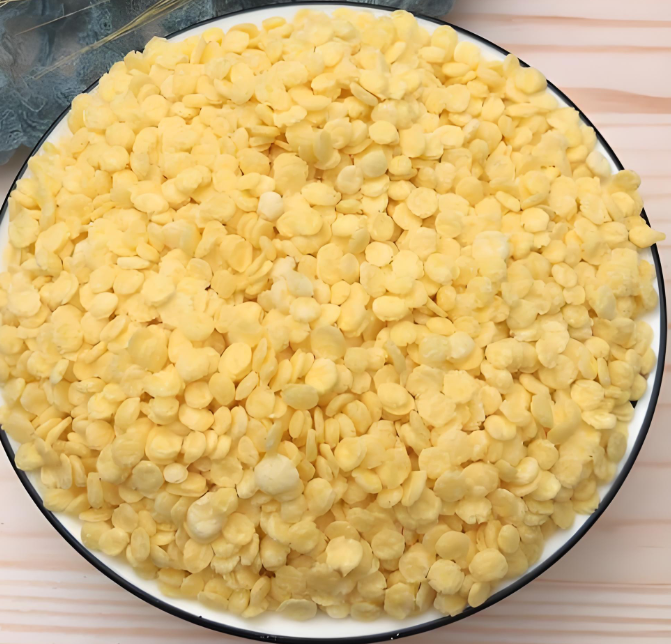
3. The “Dough” and The Delicate Dry
Out of the cooker emerges a sticky, cooked mass—essentially a corn “dough.” It is then spread onto vast belts and passed through drying ovens. The goal here is not to make it crispy, but to reduce its moisture to a specific, hardened state. The resulting material is a tough, glassy sheet. It then undergoes tempering, resting for hours to allow the remaining moisture to distribute evenly—a critical step for perfect flaking.
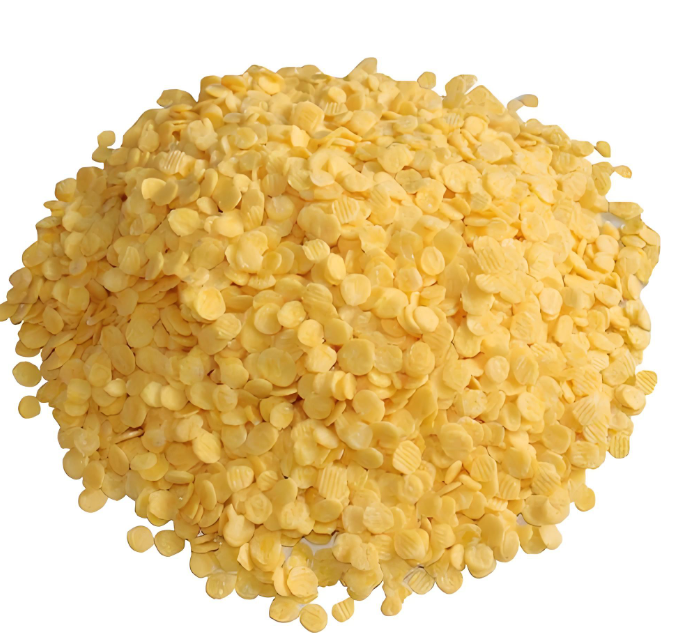
4. The Big Squeeze: Flaking Rolls
This tempered, hard mass is now fed between massive, heavy flaking rollers. With tremendous pressure, the rollers shear and flatten the grits into the familiar thin flake shapes. This step physically alters the starch structure, creating fault lines that will later allow for the explosive “puff” during toasting.
5. The Magic Moment: Toasting to Life
The pressed flakes journey on a wire-mesh conveyor through a giant, hot-air toasting oven. This is where the alchemy happens:
- The remaining moisture (now around 3%) flashes into steam, causing each flake to puff and curl.
- The Maillard Reaction—the same chemical process that browns bread and sears steak—kicks in, transforming the flakes from pale to golden-brown and developing complex roasted flavors.
- In seconds, the soft, pressed dough becomes the rigid, crisp architecture of a finished cornflake.
6. The Final Coat: Frosting and Fortification
As the hot flakes tumble in a rotating drum, they often receive a final coating. A fine mist of vitamins (to compensate for heat-sensitive losses) and, for sweetened varieties, a sugar or honey glaze is applied. This creates that glossy finish and extra sweetness that adheres to the flake.
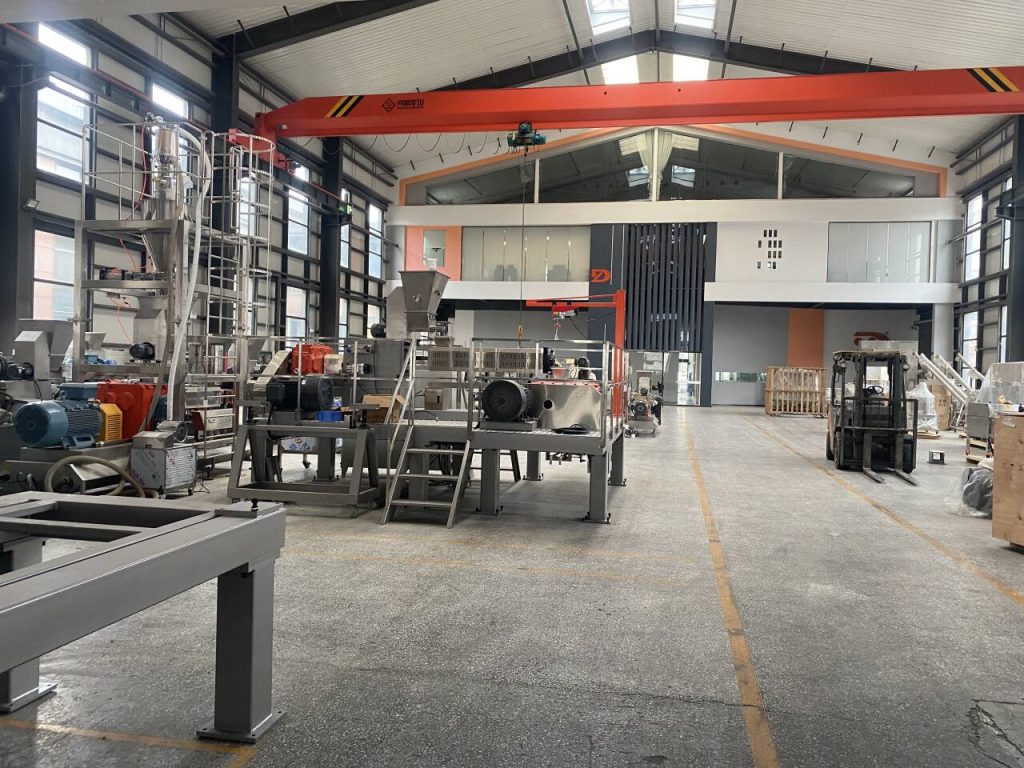
7. Locking in the Crunch: Packaging
The final, and perhaps most crucial, engineering feat is packaging. Flakes are immediately sealed in moisture-proof, lined bags inside the familiar cardboard boxes. This barrier is essential; a single day exposed to humid air can turn a crispy flake into a leathery disappointment.
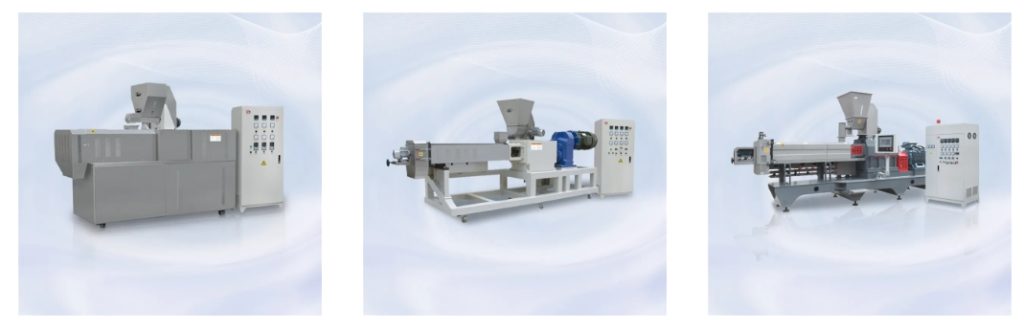
The Reveal: Nutrition vs. Process
The finished product is a testament to controlled transformation. While marketing often highlights the “wholesome grain” origin, the reality is that the raw corn undergoes such significant processing—degerming, pressure-cooking, flaking, toasting—that the final flake is a reconstructed grain product. Its nutritional profile is largely a result of deliberate fortification.
Understanding this process demystifies the humble cornflake. how are corn flakes made It is not merely dried corn but a carefully engineered food, designed for texture, stability, and taste—a crunchy testament to the industrial food system that sits, quite literally, in your breakfast bowl.
 Belarusian
  English
  Russian
  Spanish
  Italian
  Arabic
  Portuguese
  German
  French
  Japanese
  Moroccan Arabic
  Persian