
In the world of aquaculture and ornamental fish keeping, floating fish feed pellets are a ubiquitous sight. These buoyant, fish food making machine price uniform nuggets bobbing on the water’s surface are more than just convenient—they are the result of sophisticated food engineering designed to maximize efficiency, observation, and health. Let’s dive into what makes this feed float and why it’s so widely used.
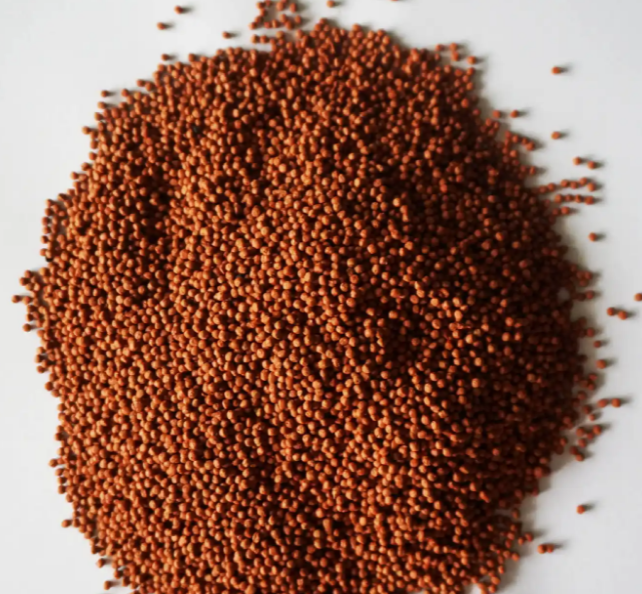
The Core Principle: Density Defiance
At its heart, a floating pellet defies a simple law: it is less dense than water. This is achieved not by magic, but by physics during the manufacturing process known as extrusion.
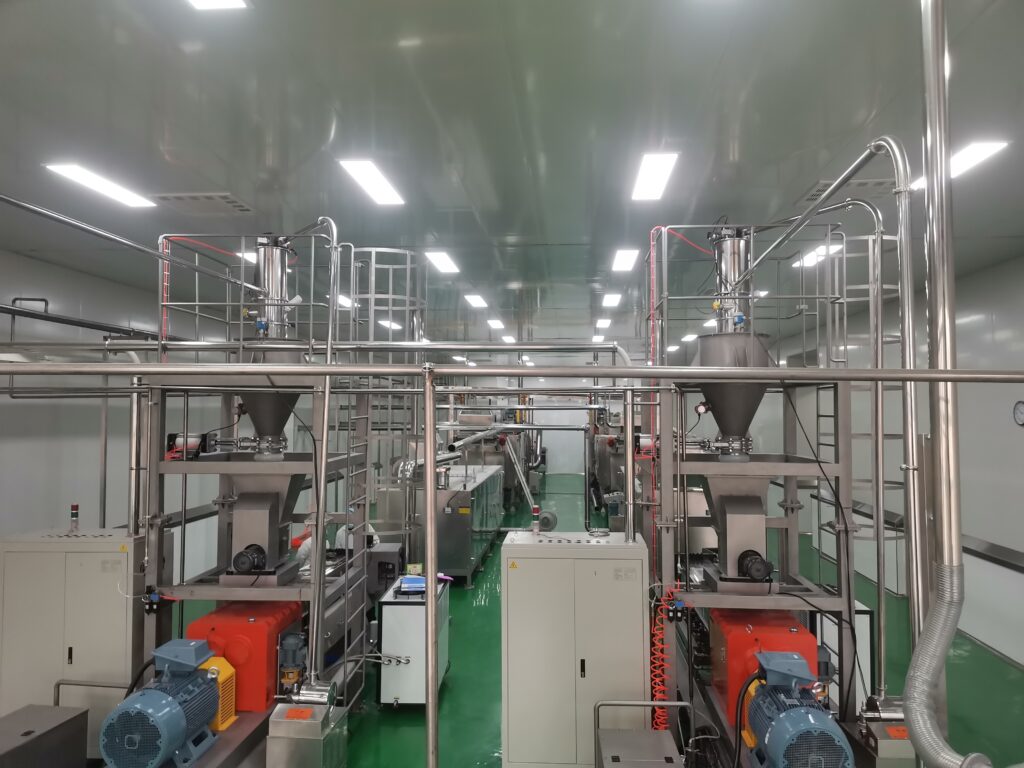
During extrusion, the starch-rich ingredient mix (containing grains like wheat or corn) is subjected to intense heat, pressure, and steam. fish food making machine price As this superheated “dough” is forced through a die, the sudden release into atmospheric pressure causes the trapped moisture to instantly vaporize. This creates millions of microscopic air pockets within the pellet—essentially turning it into a miniature puff pastry or piece of popcorn. This porous, air-filled structure gives the pellet its buoyancy.
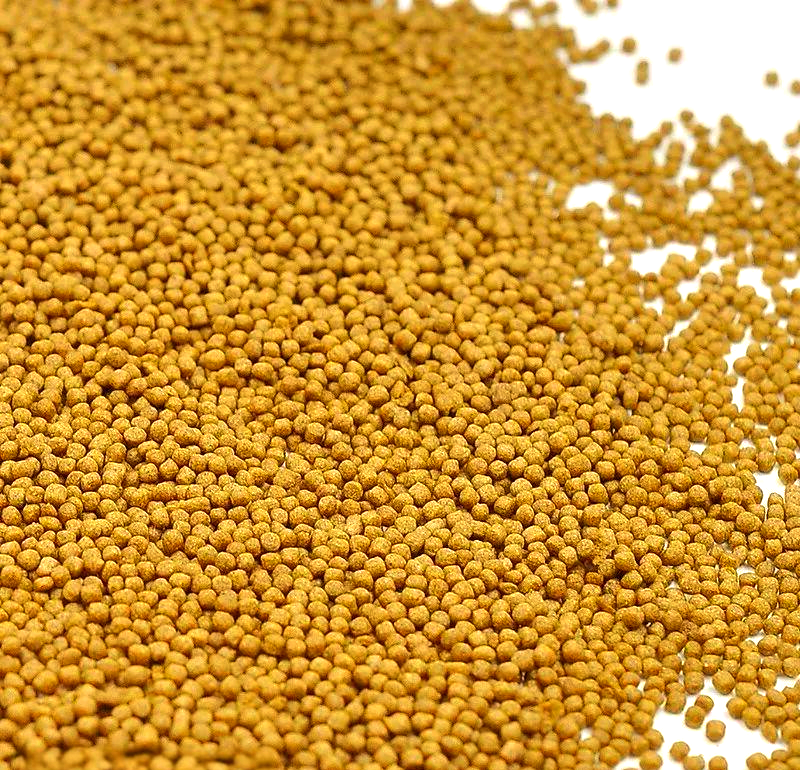
Key Characteristics & Advantages
- Behavioral Observation & Health Monitoring: This is the paramount advantage. Because the feed remains visible on the surface, farmers and hobbyists can directly observe feeding activity. They can instantly see if the fish are eating eagerly (indicating good health) or ignoring the feed (an early warning sign of stress or disease). It allows for precise adjustment of ration sizes to minimize waste.
- Reduced Water Pollution: Uneaten sinking pellets decay at the bottom of ponds or tanks, degrading water quality. Floating feed remains accessible for a longer period and can be easily skimmed off if not consumed, leading to cleaner water, lower risk of disease, and reduced pressure on filtration systems.
- Optimized for Surface-Feeding Species: It is the ideal physiological match for fish that naturally feed at the surface, such as catfish, tilapia, koi, and many ornamental fish. It encourages natural feeding behavior.
- Enhanced Digestibility: The extreme heat and pressure of the extrusion process thoroughly gelatinizes starches, making them more digestible for the fish. This can improve feed conversion ratios (FCR)—the amount of feed needed to produce a pound of fish.
- Durability & Stability: Extruded floating pellets are typically hard and water-stable. They can resist disintegration for up to several hours, allowing fish ample time to feed and ensuring nutrients aren’t immediately lost to the water.
The Typical Composition
While formulas vary greatly by target species (from koi to commercial tilapia), a generic floating feed blend includes:
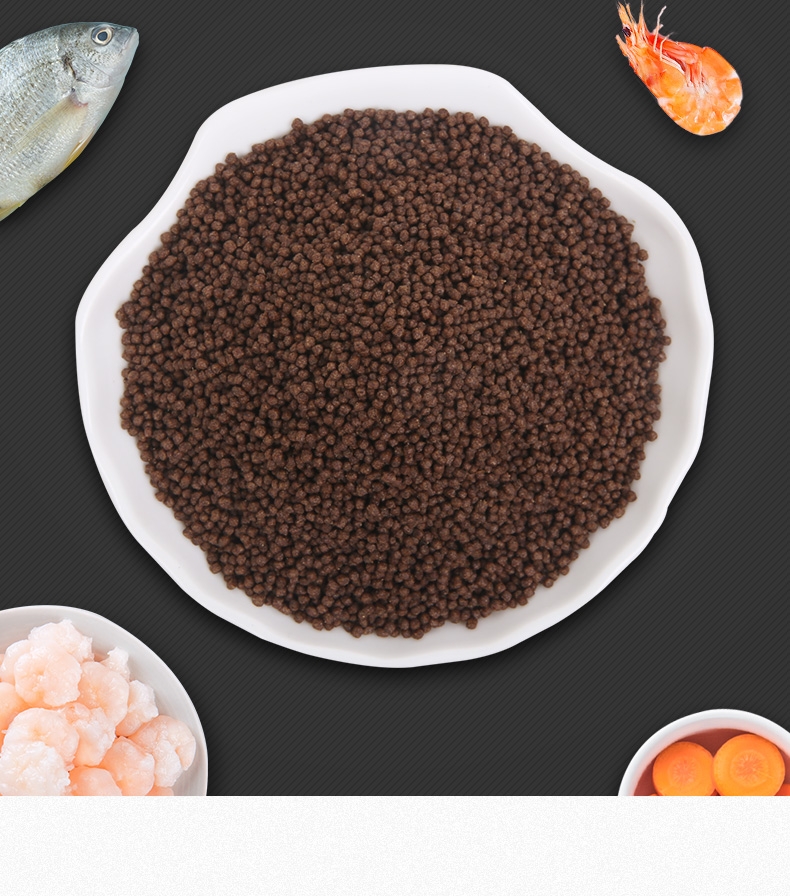
- Protein Sources: Fishmeal, soybean meal, poultry by-product meal.
- Energy & Binders: Wheat flour, corn, and other starchy grains crucial for the expansion process.
- Fats & Oils: Often sprayed on the surface after extrusion (a process called coating or top-dressing) to increase energy density and palatability. Common oils include fish oil, soybean oil, and vegetable oils.
- Vitamin & Mineral Premix: Fortified to ensure a complete diet.
- Attractants: Ingredients like fish hydrosylates may be added to stimulate appetite.
Considerations and Limitations
- Not for All Species: It is unsuitable for strictly bottom-dwelling species like some loaches or sturgeon.
- Potential for Oxidation: The porous structure and surface-applied oils can make the pellets more susceptible to rancidity if stored improperly (exposed to heat, light, and air).
- Energy Density: They can be less energy-dense than some high-fat sinking pellets, meaning fish may need to consume a slightly larger volume.
The Final Verdict
The floating fish feed pellet is a cornerstone of modern aquaculture efficiency. fish food making machine price It is a brilliant marriage of nutritional science and mechanical engineering, transforming a dense blend of raw materials into an airy, observable, and digestible food source. By allowing direct management of feeding and waste, this simple floating sphere plays a complex and critical role in the sustainable production of fish worldwide. For anyone raising fish, watching those pellets bob on the surface is a direct window into the health and efficiency of their aquatic charges.
 Belarusian
  English
  Russian
  Spanish
  Italian
  Arabic
  Portuguese
  German
  French
  Japanese
  Moroccan Arabic
  Persian