
Modified starch is one of the most ubiquitous yet invisible ingredients in the modern world. While native starch—derived from corn, potato, tapioca, or wheat—has been a staple of the human diet for millennia, its natural form often falls short when faced with the demands of industrial processing and complex product formulations . Through the physical, chemical, or enzymatic processes described in the previous article, modified starch is transformed into a versatile functional agent. Its primary purpose is no longer just to provide calories or thicken a simple sauce; it is to provide specific, high-performance functions that are critical to the texture, stability, and quality of thousands of products. This article explores the vast landscape of where and how modified starch is used.
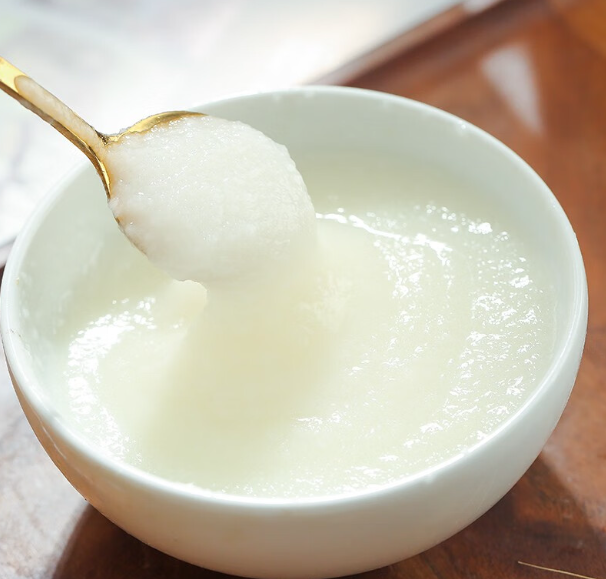
1. The Food and Beverage Industry: The Master of Texture
By far, the most significant application of modified starch is in the food industry, where it acts as a problem-solver for manufacturers. It is prized for its ability to improve texture, stability, and mouthfeel under the harsh conditions of processing, such as high heat, high shear, and acidic environments .
- Sauces, Gravies, and Soups: This is a classic application. Native starch can break down and lose its thickening power when subjected to the high temperatures of canning or the acidic environment of a tomato-based sauce. Modified starches are designed to withstand these conditions, providing a consistent, smooth viscosity throughout the product’s shelf life . They also prevent syneresis (water separation) during freeze-thaw cycles, ensuring frozen gravies and sauces retain their creamy texture when reheated .
- Dairy Products and Desserts: In yogurts, puddings, and pie fillings, modified starch contributes to a creamy, smooth mouthfeel and provides body without masking the delicate flavors. It can be used to replace some of the fat, creating low-fat products with a satisfying texture. It also stabilizes fruit preparations for yogurt, preventing the fruit from sinking and maintaining a uniform distribution .
- Bakery and Confectionery: In cakes and muffins, modified starch helps retain moisture, keeping the product fresher for longer. It improves crumb structure and softness. In glazes and icings, it provides the right consistency for application and prevents cracking. It is also used in gummy candies and jellies to create the desired chewy texture .
- Meat and Seafood Processing: Modified starch is a key binder and water-retention agent in processed meats like sausages, hams, and chicken nuggets . It helps bind the meat pieces together, improves sliceability, and ensures the product remains juicy and tender after cooking . In surimi-based products (imitation crab and seafood sticks), it is essential for creating the characteristic fibrous, firm texture.
- Beverages: Certain modified starches, like those derived from the OSA (octenyl succinic anhydride) process, act as excellent emulsifiers and clouding agents. They stabilize oil-based flavors and cloud emulsions in soft drinks, juice drinks, and flavor concentrates, preventing them from separating .
2. The Paper and Packaging Industry: For Strength and Surface
The paper industry is a major consumer of modified starch, using it both as an additive and as a coating agent.
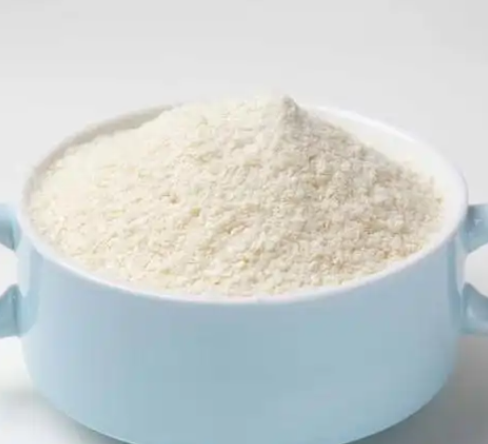
- Wet-End Additive: Added to the paper pulp, cationic modified starch bonds with the negatively charged cellulose fibers, significantly increasing the internal strength of the paper. It also improves the retention of fine particles and fillers, leading to a stronger, more uniform sheet and reducing material waste .
- Surface Sizing: Applied as a thin film to the surface of the paper, modified starch fills the pores between fibers. This creates a smoother, stronger surface that is more resistant to picking and linting during the high-speed printing process. It also improves the paper’s stiffness and printability .
- Coating Binder: In the production of high-quality coated papers for magazines and catalogs, modified starch is used as a binder to hold the pigment coating (e.g., clay or calcium carbonate) to the paper surface . This creates an ultra-smooth, glossy surface ideal for high-resolution printing.
3. The Textile Industry: Sizing for Strength
In textile manufacturing, modified starch plays a crucial role in the weaving process through a step called “sizing.”
- Warp Sizing: Before weaving, the longitudinal threads (the warp) are coated with a solution containing modified starch. This protective film lubricates and strengthens the yarns, preventing them from breaking due to the immense friction and stress of the weaving loom . After the fabric is woven, the starch sizing is easily washed away in a desizing process, leaving the fabric soft.
4. Adhesives and Construction Materials
The adhesive properties of starch have been known for centuries, and modification has made them even more effective for industrial applications.
- Adhesives: Modified starch is a primary component in a wide range of adhesives, including those used for corrugated board, paper bags, labels, and gummed tape . It provides strong, cost-effective bonding and can be tailored for different setting speeds and water resistance .
- Construction and Building Materials: In the production of gypsum wallboard, modified starch improves the adhesion between the paper facing and the gypsum core. It is also used as a thickener and binder in joint compounds and certain types of paints .
5. Pharmaceuticals and Personal Care
The high purity and biocompatibility of modified starch make it valuable in the pharmaceutical and personal care industries.
- Pharmaceuticals: It serves as a binder in tablet formulations, helping to hold the ingredients together. It also acts as a disintegrant, helping tablets break apart quickly in the digestive tract to release the active drug . Modified starch is also used as a filler in capsules and as a base for dusting powders .
- Personal Care: In cosmetics and personal care products, modified starch is prized for its oil-absorbing properties. It is a key ingredient in many face powders, dry shampoos, and deodorants, where it provides a silky, smooth feel and helps control moisture and shine .
6. Animal Feed
Finally, modified starch is also used in the production of animal feed, particularly in the manufacture of high-quality aquafeed (fish and shrimp feed) . The extrusion process, which modifies starch, helps create water-stable pellets that deliver nutrition efficiently without disintegrating in the water.
In conclusion, modified starch is a fundamental, behind-the-scenes ingredient that quietly enables the quality and functionality of a staggering number of products we use every day. From ensuring the perfect texture of our food to strengthening the paper we write on and the clothes we wear, its applications are as diverse as they are essential.
 Moroccan Arabic
  English
  Russian
  Spanish
  Italian
  Arabic
  Portuguese
  German
  French
  Japanese
  Persian
  Belarusian