
Rice fortification is a strategic public health intervention designed to combat micronutrient deficiencies, particularly in regions where rice is a staple food. fortified rice machine market The process involves enriching rice kernels with essential vitamins and minerals without compromising their appearance, taste, or cooking qualities. The success of this endeavor hinges on five critical elements. Here is an in-depth look at each pillar of fortified rice production.
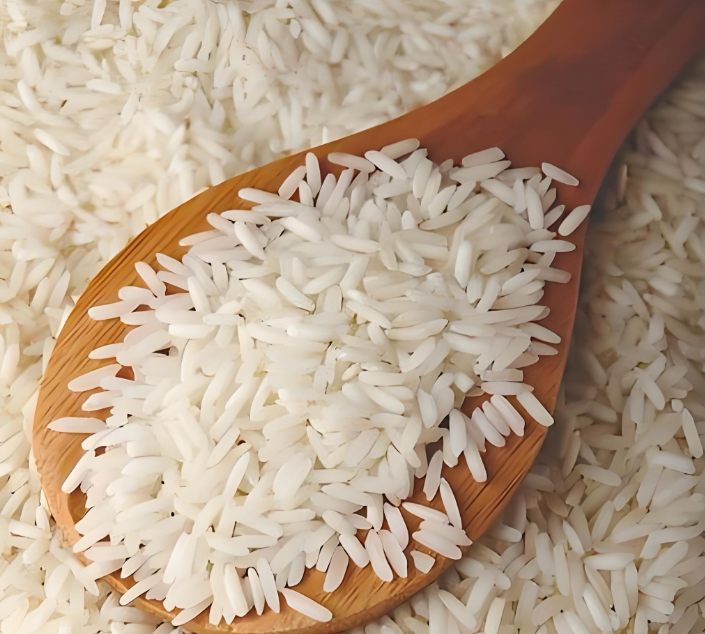
1. The Nutrient Premix: Precision in Formulation
The foundation of fortified rice is the selection and combination of micronutrients. This is not a simple additive but a scientifically engineered premix. fortified rice machine market Key considerations include:
- Choice of Nutrients: Typically includes Iron (as ferric pyrophosphate or sodium iron EDTA for better absorption), Folic Acid, and Vitamins B1 (Thiamine), B3 (Niacin), B6 (Pyridoxine), and B12. Vitamin A and Zinc may also be added.
- Stability & Bioavailability: Nutrients must be stable during storage, washing, and cooking. They must also be in a form the human body can absorb (bioavailable). For instance, coating iron compounds prevents unwanted interactions.
- Safety & Compliance: The premix must meet strict food-grade safety standards (e.g., WHO/FAO guidelines, national regulations) and be free from contaminants.
2. The Production Technology: The Engine of Enrichment
The core technological challenge is integrating the premix into the rice grain. The dominant and most effective method is Hot Extrusion:
- Process: Rice flour is mixed with the nutrient premix and water to form a dough. This dough is passed through an extruder under high heat and pressure, forming reconstituted kernels that resemble natural rice grains.
- Key Advantage: This method creates “fortified rice kernels” (FRKs) that are robust. The nutrients are encapsulated within the kernel, protecting them from loss during rinsing and making them more stable during cooking compared to surface-coating methods.
- Alternative Methods include Coating (spraying a nutrient layer onto grains with an edible coating) and Dusting (applying powder to surface), but these offer less protection against wash-off.
3. The Blending Ratio & Uniformity: Ensuring Consistent Dosage
A single production line cannot extrude all consumed rice. fortified rice machine market Therefore, FRKs are produced separately and then blended with regular, non-fortified rice.
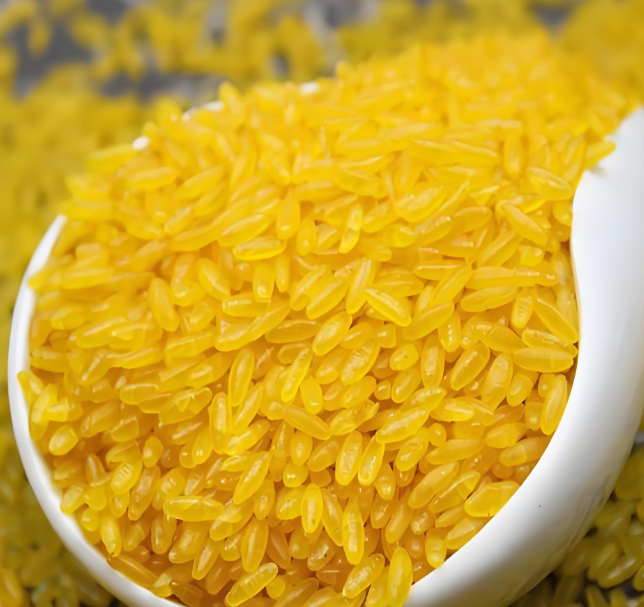
- Critical Ratio: Typically, FRKs are blended at a low ratio, such as 1:100 or 1:200 (e.g., 1 kg of FRKs with 99 kg of regular rice). This ratio is calculated to deliver the Recommended Dietary Allowance (RDA) with average consumption.
- Uniform Blending: This is arguably the most crucial operational step. Highly precise, continuous blending equipment must ensure an even distribution of FRKs throughout the bulk. Inconsistent blending leads to some consumers receiving no nutrients while others get an overdose, undermining the public health goal.
4. Quality Assurance & Control: The Guardian of Safety and Efficacy
Robust QA/QC protocols are non-negotiable throughout the production chain.
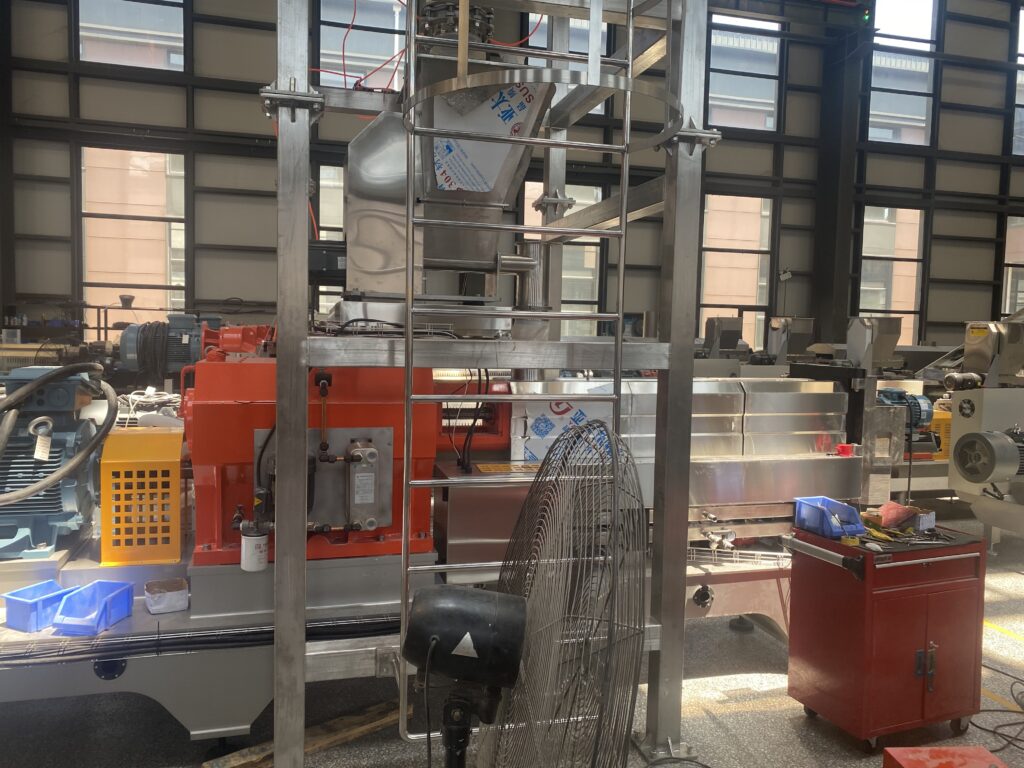
- Incoming Material Testing: Verification of premix potency and regular rice quality.
- In-Process Controls: Constant monitoring of the extrusion process (kernel shape, density) and, most importantly, the blending uniformity. Samples are regularly taken from the blended batch to check the concentration of FRKs.
- Finished Product Testing: Labs analyze the final fortified rice for:
- Nutrient Content: Ensuring it matches the target levels.
- Sensory Attributes: Color, odor, and taste must match regular rice.
- Cooking Test: Confirming nutrient retention and that FRKs do not disintegrate or alter cooking time/texture.
5. Packaging, Storage & Stability: Preserving the Investment
The final pillar ensures the nutrients survive until consumption.
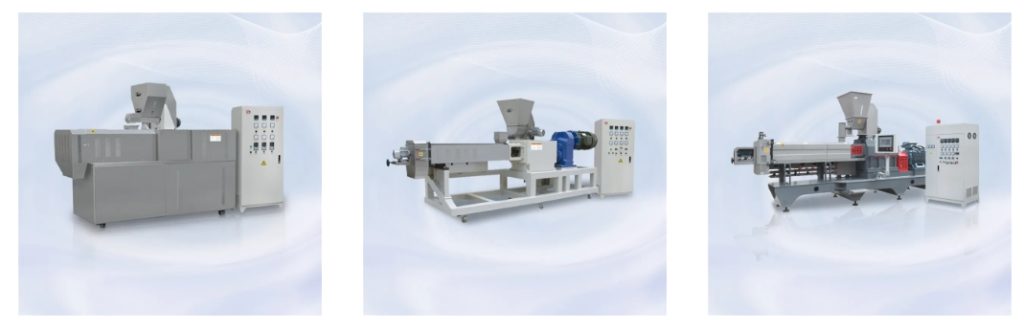
- Packaging: Must protect against moisture, insects, and contamination. It should also be clearly labeled as “fortified” with relevant nutritional information.
- Storage Conditions: Fortified rice should be stored in cool, dry, and dark warehouses. High humidity and temperature accelerate the degradation of sensitive vitamins like B1 and folic acid.
- Shelf-Life Monitoring: Manufacturers must establish and validate the shelf life of the product, guaranteeing that the declared nutrient levels are present until the expiration date.
Fortified rice is not merely “adding vitamins to rice.” It is a sophisticated, multi-step manufacturing process built upon these five interdependent pillars. fortified rice machine market From the science of the premix and the engineering of extrusion to the precision of blending, the rigor of quality control, and the care in handling, each element is vital. When executed correctly, this process delivers a familiar, affordable staple food that quietly and effectively becomes a powerful vehicle for improving population health and combating hidden hunger on a massive scale.
 Moroccan Arabic
  English
  Russian
  Spanish
  Italian
  Arabic
  Portuguese
  German
  French
  Japanese
  Persian
  Belarusian