
Breakfast cereal corn flakes are a beloved staple in households around the world. Their signature light, crispy texture and satisfying crunch are the result of a carefully orchestrated manufacturing process, with drying being arguably the most critical step. While the process may appear straightforward—flaking dried dough and toasting it—the reality is a delicate balance of science and craftsmanship. Proper drying transforms a soft, fragile flake into a shelf-stable, golden-brown cereal with the perfect sensory qualities. Mastering the drying process involves controlling moisture, temperature, airflow, and time with precision.
The Journey Before Drying
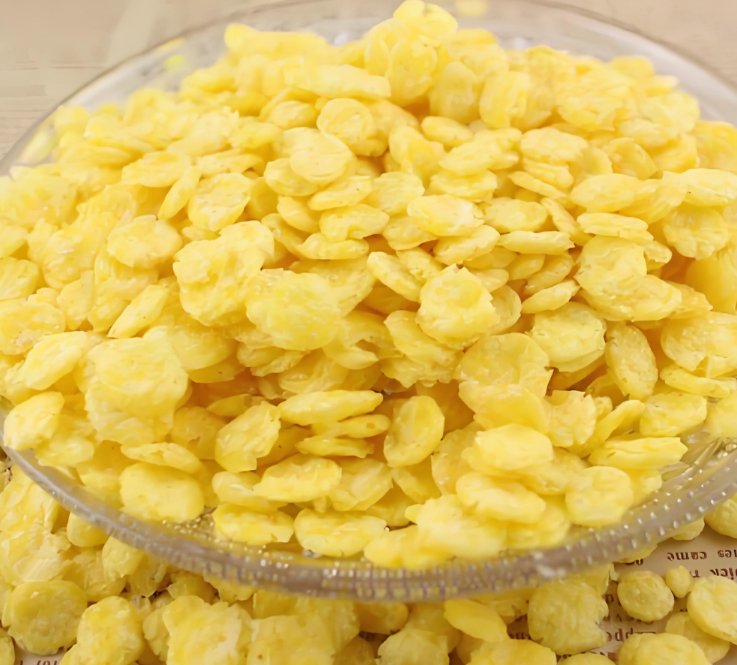
To understand drying techniques, it is essential to appreciate the steps that precede it. Corn flakes begin with corn grits, sugar, malt flavoring, salt, and water. These ingredients are cooked under pressure to gelatinize the starches, creating a cooked dough known as “cooked meal.” This dough is then cooled, tempered to allow moisture to equilibrate, and conditioned to achieve a uniform consistency. It is then passed through flaking rolls—large, heavy steel rollers that flatten the dough into thin, uniform flakes. At this stage, the flakes are soft, moist (typically containing 25–35% moisture), and fragile. They have no crunch and are not yet shelf-stable. Drying must transform them.
Key Techniques for Drying Corn Flakes
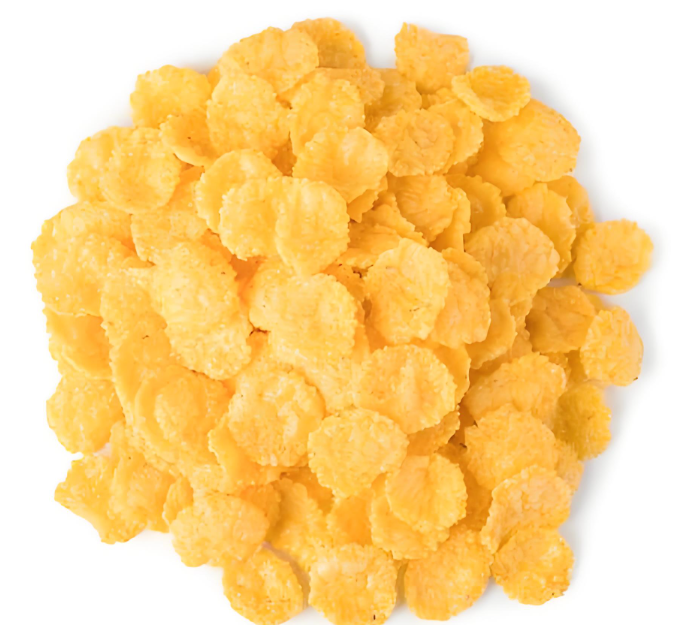
Drying corn flakes is not simply about removing water; it is about doing so in a controlled manner to achieve the desired texture, color, flavor, and structural integrity. The primary method used in industrial production is toasting in large, rotating ovens, though this process combines drying with cooking.
1. Controlling Initial Moisture Content Before Flaking
One of the most critical techniques occurs before the flakes even enter the dryer. The moisture content of the cooked dough prior to flaking must be carefully controlled. If the dough is too wet, the flakes will be sticky, clump together, and may not release cleanly from the flaking rolls. If it is too dry, the flakes will be brittle and prone to shattering. The target moisture range, typically between 25% and 35%, ensures that the flakes are pliable enough to form without losing their shape and contain sufficient water to facilitate proper starch gelatinization during cooking.
2. Uniform Flake Thickness
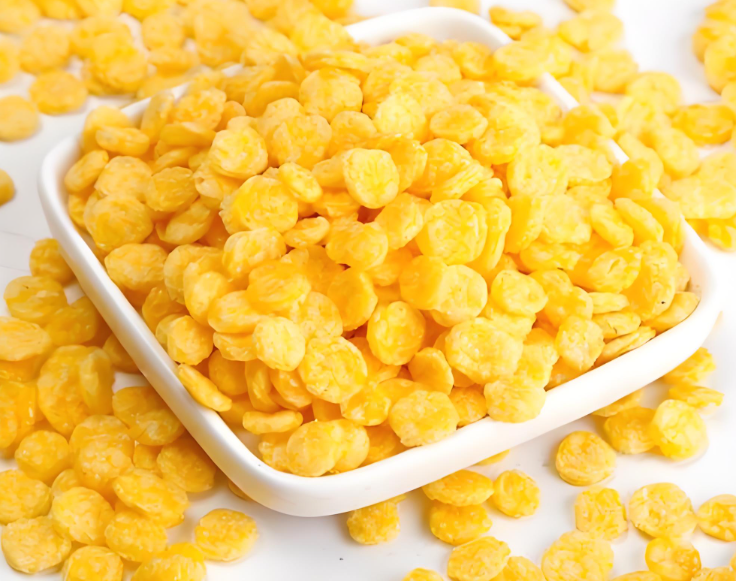
Consistency in flake thickness is paramount for uniform drying. Variations in thickness lead to uneven drying—thin flakes will over-brown or burn while thick flakes remain under-dried and soft. Precision flaking rolls with tightly controlled gaps and consistent feed rates ensure that each flake is of uniform thickness, allowing the drying process to treat all flakes equally. Typical flake thickness ranges from 0.2 to 0.5 millimeters, depending on the desired final product characteristics.
3. The Rotary Toaster: Temperature Zoning
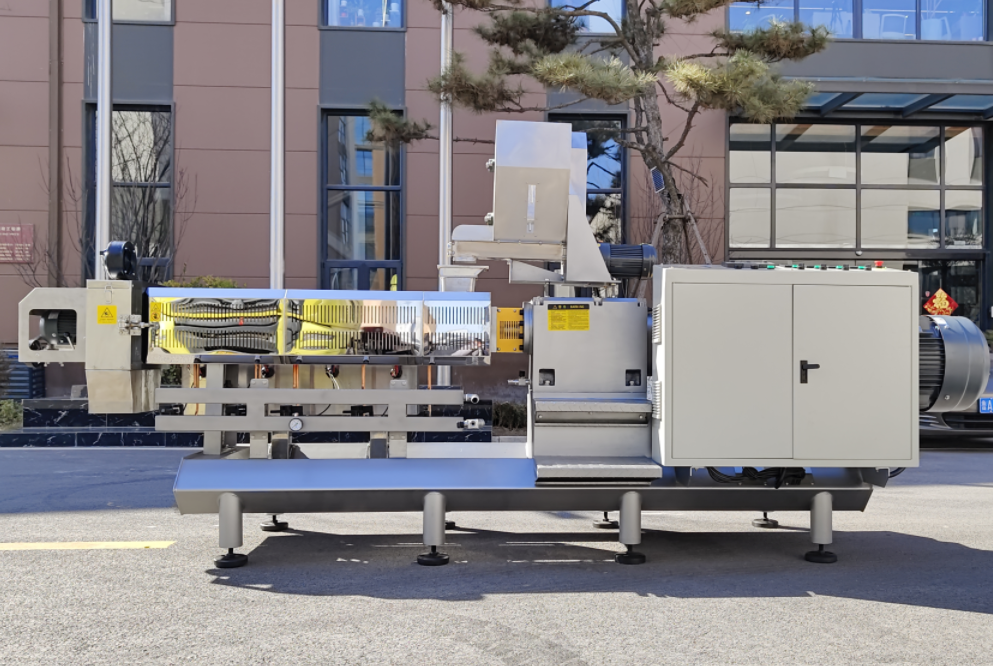
Industrial corn flake drying is most commonly performed in a rotary toaster—a long, rotating cylindrical drum that gently tumbles the flakes as they travel from one end to the other. The key technique here is the use of temperature zoning. Rather than applying a single temperature throughout, the oven is divided into zones with carefully controlled temperature profiles:
- Initial Zone (Drying Zone): The flakes enter the oven at a moderate temperature (around 100–120°C or 212–248°F). This initial zone focuses on gently driving off surface moisture without shocking the flakes. Rapid initial heating can cause the exterior to harden before interior moisture can escape, leading to case hardening and uneven texture.
- Mid Zones (Toasting Zone): As the flakes lose surface moisture, temperatures are increased (to 150–250°C or 300–480°F) to promote the Maillard reaction—the browning process that creates the characteristic golden color, nutty aroma, and complex flavor. During this stage, careful control of airflow and tumbling ensures all flake surfaces are evenly exposed to heat.
- Final Zone (Finishing Zone): Temperatures are reduced slightly to allow the final moisture to equalize throughout the flake and to set the structure without over-browning.
This zoning approach allows manufacturers to independently control moisture removal and flavor development.
4. Airflow Management
Heat alone is insufficient for effective drying; airflow is equally critical. Within the rotary toaster, forced air circulates through the tumbling bed of flakes. Proper airflow accomplishes several objectives:
- Carries away evaporated moisture: As water vapor leaves the flakes, it must be removed from the oven to prevent a humid environment that would slow further drying.
- Distributes heat evenly: Uniform airflow ensures that all flakes, regardless of their position in the tumbling bed, receive consistent heat exposure.
- Prevents scorching: Without adequate airflow, flakes in direct contact with hot surfaces may burn before the center is properly dried.
The direction and velocity of airflow are carefully calibrated to balance drying efficiency with gentle product handling.
5. Retention Time and Tumbling Action
The speed at which the rotary toaster rotates and the angle of its inclination determine how long the flakes remain in the oven (retention time), typically ranging from 3 to 8 minutes. The tumbling action serves multiple purposes:
- Prevents sticking: Constant motion prevents flakes from adhering to each other or to the oven walls.
- Ensures uniform exposure: Every flake is repeatedly brought to the surface and rotated, ensuring all sides receive equal heat.
- Maintains flake integrity: Gentle tumbling preserves the delicate flake structure while still achieving uniform drying.
If the tumbling action is too aggressive, flakes will break into smaller pieces; if too gentle, drying will be uneven.
6. Final Moisture Content Control
The endpoint of the drying process is precisely controlled. Corn flakes are dried to a final moisture content of approximately 2–3%. This low moisture level is essential for:
- Achieving the characteristic crunch: At such low moisture, the flakes become rigid and crispy.
- Ensuring shelf stability: Low moisture inhibits the growth of microorganisms and prevents staling.
- Maintaining texture over time: Properly dried flakes resist moisture absorption from the environment when properly packaged.
Advanced moisture sensors and feedback control systems continuously monitor output moisture, automatically adjusting oven parameters to maintain consistency.
7. Cooling After Drying
A often-overlooked but crucial step is post-drying cooling. As flakes exit the toaster, they are still hot and continue to lose residual moisture if not properly managed. They are conveyed through a cooling zone where ambient or chilled air is gently blown over them. Rapid cooling serves several purposes:
- Stops the cooking process: Prevents over-browning and flavor degradation.
- Sets the texture: Allows the flake structure to harden into its final crispy form.
- Prepares for packaging: Cool flakes can be safely packaged without condensation forming inside the package, which would lead to spoilage.
8. Sugar and Coating Considerations
Many modern corn flake products feature sugar coatings, honey glazes, or other flavor additions. When such coatings are applied, drying becomes a two-stage process. The base flakes are dried to a slightly higher intermediate moisture, then coated, followed by a secondary drying stage at lower temperatures to set the coating without burning the sugars. This secondary drying requires even more precise control, as sugar-laden coatings caramelize easily and burn at high temperatures.
Challenges and Quality Control
Drying corn flakes presents several challenges that require constant vigilance:
- Uniformity: Ensuring every flake in a batch reaches the same final moisture and color requires precise control of all variables.
- Breakage: Over-drying or aggressive handling leads to broken flakes, which are undesirable in final products.
- Scorching: Uneven heat distribution or excessive temperatures can cause burnt spots or an unpleasant bitter flavor.
- Moisture variation: Inconsistent incoming dough moisture or uneven flake thickness leads to batch-to-batch variation.
Modern manufacturing facilities employ sophisticated process control systems, including near-infrared (NIR) moisture sensors, thermal imaging cameras for color monitoring, and automated feedback loops that continuously adjust oven parameters to maintain optimal conditions.
Conclusion
The drying of breakfast cereal corn flakes is far more than simple dehydration—it is a carefully engineered process that combines heat transfer, airflow management, mechanical handling, and precise moisture control. From the initial control of dough moisture and flake thickness to the zoning of temperatures in rotary toasters and the final cooling stage, every technique is aimed at achieving one goal: the perfect corn flake—crisp, golden, flavorful, and shelf-stable. It is this meticulous attention to drying techniques that transforms simple corn grits into the beloved breakfast cereal that starts the day with a satisfying crunch. If you are interested in the corn flakes machinery , you can contact me , i will give you good advice and solutions .
1.Will you help us with the installation ?
Yes , We will send engineers to install and debug the equipment, and assist in training your staff.
2.Are you a factory or trading company?
We are a factory.
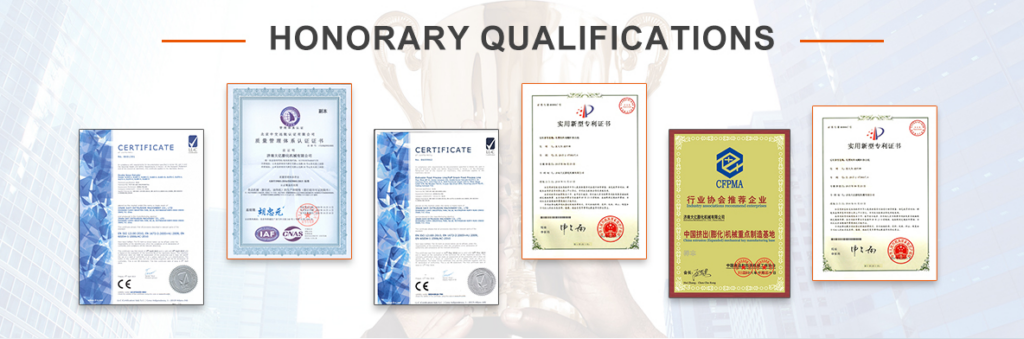
3.What certificate do you have?
We have ISO and CE certificate.
4.How long is the warranty period?
All of our machines have one year warranty.
5.What’s the main market of your company?
Our customers all over the world.
6.How much production capacity of your company one year?
This depends on your needs.
 Moroccan Arabic
  English
  Russian
  Spanish
  Italian
  Arabic
  Portuguese
  German
  French
  Japanese
  Persian
  Belarusian