
Pet Food Processing Methods: From Kitchen to Kibble
The modern pet food industry employs a variety of sophisticated processing techniques to transform raw ingredients into safe, nutritious, and palatable diets for dogs and cats. The chosen method significantly impacts the food’s texture, nutrient availability, shelf life, and convenience. Here is an overview of the primary processing methods used in commercial pet food manufacturing.
1. Dry Food (Kibble) Processing: Extrusion
This is the most common method for producing dry pet food.
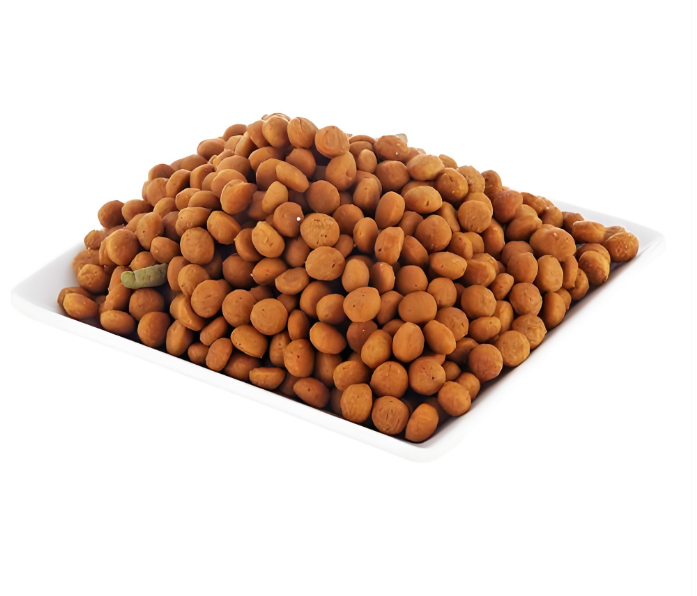
- Process:
- Grinding & Mixing: Raw ingredients (meals, grains, vitamins, etc.) are ground into a fine powder and thoroughly blended with water/steam to form a dough.
- Preconditioning: The mixture is pre-heated with steam to begin hydration and starch gelatinization.
- High-Temperature Short-Time (HTST) Extrusion: The dough is forced under high pressure and temperature through a barrel by a screw and pushed through a die, which shapes the kibble. The intense heat cooks the product.
- Sudden Pressure Drop: As the hot, pressurized dough exits the die, it expands or “puffs” due to the instant pressure release, creating the porous structure of kibble.
- Drying & Cooling: The soft, expanded kibble is dried in an oven to achieve a low moisture content (~10%) for shelf stability, then cooled.
- Coating (Enrobing): After cooling, the kibble is sprayed with a palatability coating—often digest or fat-based—and sometimes a final dusting of powdered flavors or probiotics.
- Key Characteristics: Long shelf life, convenient, cost-effective, helps clean teeth through mechanical abrasion.
2. Wet Food Processing: Thermal Processing in Sealed Containers
This method produces food with high moisture content (typically 60-85%).
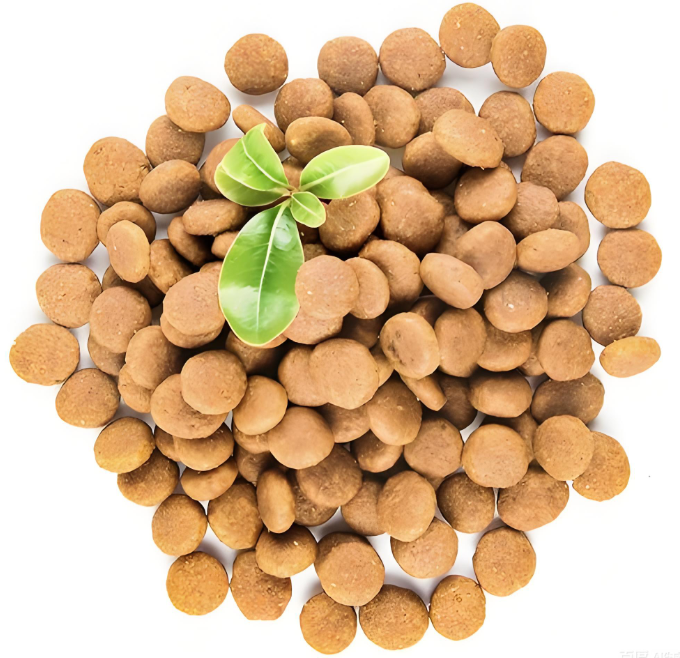
- Process:
- Ingredient Preparation: Fresh or frozen meats, poultry, fish, grains, and vitamins/minerals are ground and blended into a slurry or batter.
- Filling: The mixture is filled into cans, trays, or pouches.
- Sealing & Thermal Processing: The container is hermetically sealed. It then undergoes a sterilization process, either:
- Retorting: The sealed container is cooked at high temperatures (≥121°C/250°F) under pressure for a specified time. This destroys all pathogens and spoilage organisms, achieving commercial sterility.
- Hot Filling: For high-acid recipes, the product is cooked at a high temperature before being filled into the container.
- Cooling & Labeling: The containers are cooled, dried, and labeled.
- Key Characteristics: Highly palatable, high moisture content, softer texture, often higher in meat content, requires no preservatives after canning, but has a shorter shelf life once opened.
3. Semi-Moist Food Processing
These products have a moisture content between 15-30%, giving them a soft, chewy texture.
- Process: Ingredients are mixed, shaped (often via extrusion), and then dried to a specific moisture level. A key step is the addition of humectants like sugar, propylene glycol (restricted in cat food), or salts. These ingredients bind water, making it unavailable for microbial growth, thereby preserving the food without refrigeration.
- Key Characteristics: Soft and chewy, very palatable, shelf-stable, but often higher in sugar and artificial colors/flavors. Less common today than in previous decades.
4. Fresh/Refrigerated & Frozen Food Processing
This category mimics home-cooked or raw diets with minimal processing.
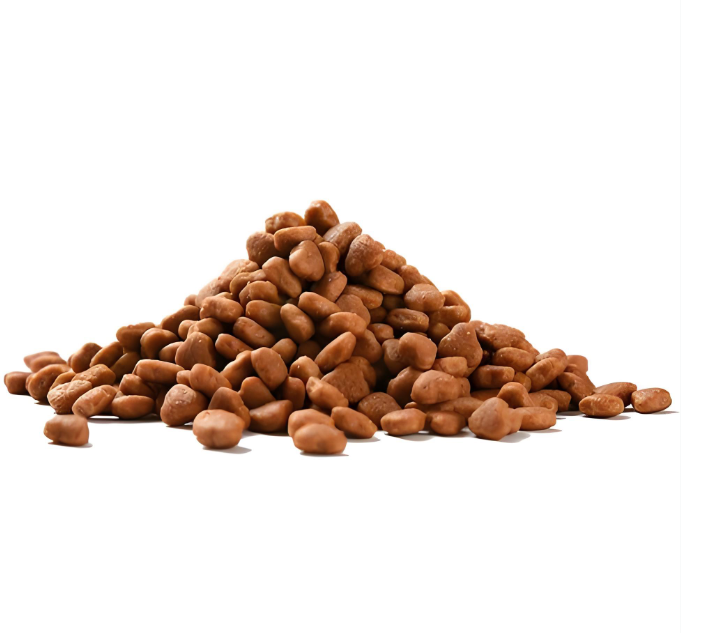
- Process: Fresh, human-grade ingredients are ground, mixed, and often gently cooked (for fresh diets) or left raw (for frozen raw diets). The product is then portioned, packaged, and either refrigerated (HPP treated) or flash-frozen. High-Pressure Processing (HPP) is a non-thermal “cold pasteurization” technique that uses extreme pressure to destroy pathogens while preserving nutrients and texture in refrigerated products.
- Key Characteristics: Perceived as high-quality and natural, retains native nutrient integrity, requires refrigeration/freezing, shorter shelf life, higher cost.
5. Freeze-Dried & Air-Dried Food Processing
These are low-temperature dehydration methods that preserve raw ingredients.
- Freeze-Drying:
- Freezing: Raw ingredients or a prepared mixture are rapidly frozen.
- Primary Drying (Sublimation): Under a deep vacuum, the frozen water transitions directly from solid to vapor, removing ~95% of moisture.
- Secondary Drying: Gentle heat removes bound water molecules.
- Characteristics: Extremely lightweight, shelf-stable at room temperature, retains shape, color, and nearly all nutrients/enzymes of raw food. Requires rehydration before feeding.
- Air-Drying: A gentle, low-heat (typically <70°C/158°F) evaporation process that slowly removes moisture over several hours in a controlled airflow chamber. It preserves more nutrients than baking but less than freeze-drying.
- Characteristics: Creates a chewy, jerky-like texture, shelf-stable, highly palatable.
Comparison & Considerations
| Method | Moisture | Shelf Life (Unopened) | Key Benefit | Common Form |
|---|---|---|---|---|
| Extrusion (Dry) | ~10% | Very Long (1-2 years) | Convenience, Dental Health, Cost | Kibble |
| Canning (Wet) | 60-85% | Long (2-5 years) | Palatability, Hydration, High Meat Incl. | Cans, Pouches, Trays |
| Semi-Moist | 15-30% | Long | Palatable, Soft Texture | Patties, Morsels |
| Fresh/Refrigerated | High | Short (Days/Weeks) | Minimal Processing, Fresh Ingredients | Chubs, Tubs |
| Frozen Raw | High | Long (Frozen) | “Biologically Appropriate,” Natural | Patties, Nuggets |
| Freeze-Dried | ~5% | Very Long | Nutrient Preservation, Lightweight | Nuggets, Complete Meals |
| Air-Dried | ~15% | Long | Nutrient Retention, Chewy Texture | Strips, Bites |
Conclusion
The diversity in pet food processing methods allows pet owners to select products based on their pet’s nutritional needs, life stage, health conditions, palatability preferences, and their own lifestyle and budget. From the highly efficient extrusion of kibble to the gentle preservation of freeze-drying, each technology plays a vital role in delivering safe, complete, and balanced nutrition to companion animals. Understanding these methods helps in making an informed choice for a pet’s diet.
 Moroccan Arabic
  English
  Russian
  Spanish
  Italian
  Arabic
  Portuguese
  German
  French
  Japanese
  Persian
  Belarusian