
High-quality fish feed is often marketed with polished claims—“premium protein,” “high digestibility,” “clean ingredients.” fish feed making machine But what actually separates a top-tier aquafeed from an average pellet is not only the ingredient list. The real story is the processing: how raw materials are selected, handled, cooked, formed, dried, coated, and tested. This article breaks down the industrial production process of high-quality fish feed in clear terms, highlighting what matters, where quality is won or lost, and what reputable manufacturers do differently.
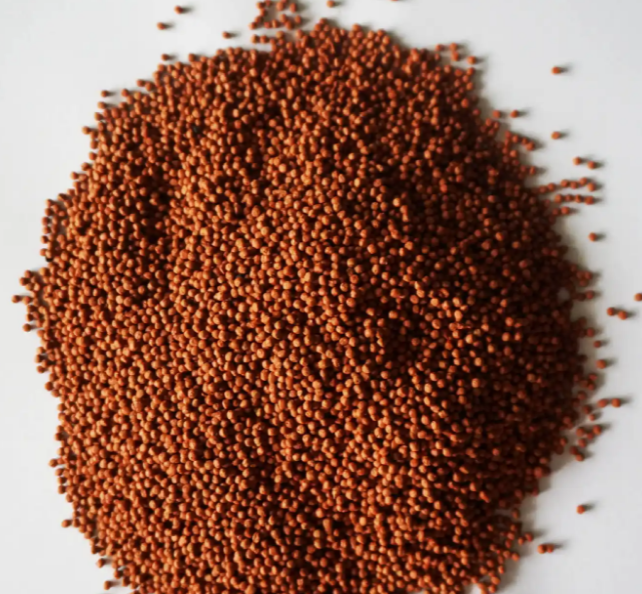
1) Raw Material Selection: Quality Starts Before the Factory
High-quality feed begins with strict sourcing standards and incoming inspections. Manufacturers typically rely on a combination of:
- Marine proteins (fish meal, squid meal, shrimp meal) for balanced amino acids and palatability
- Plant proteins (soy protein concentrate, wheat gluten, pea protein) to improve consistency and reduce cost volatility
- Oils and fats (fish oil, algae oil, poultry oil, refined vegetable oils) for energy and essential fatty acids
- Binders and starch sources (wheat, corn, tapioca) to help pellets form properly
- Functional additives (vitamins, minerals, enzymes, probiotics, attractants, antioxidants)
What “high-quality” producers do differently:
- Test every batch for protein, fat, moisture, ash, and amino acid profile
- Screen for contaminants: mycotoxins (in plant ingredients), oxidation markers (in oils), heavy metals, and unwanted residues
- Require documentation and traceability—ingredient origin, processing history, and storage conditions
A key point: two fish meals with the same crude protein can behave very differently in feed if one is oxidized, overheated, or inconsistent in particle size.
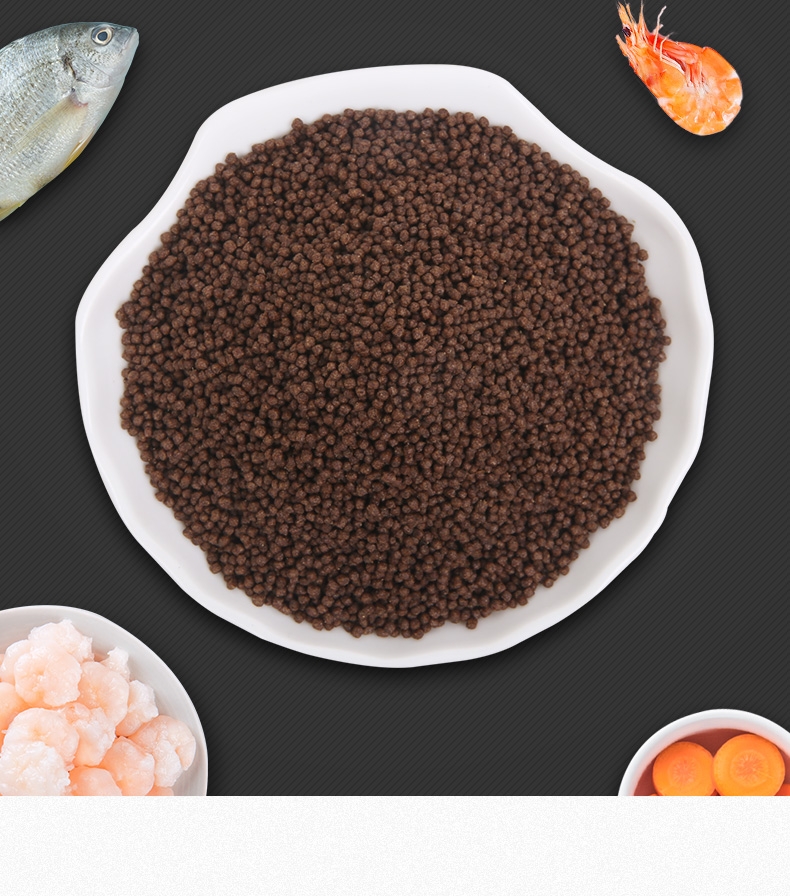
2) Grinding and Particle Size Control: The Hidden Driver of Pellet Quality
Once ingredients are accepted, fish feed making machine they are ground to a controlled particle size—often using hammer mills or fine grinders.
Why it matters:
- Uniform particles improve mixing, pellet integrity, and water stability
- Overly coarse particles can cause weak pellets and nutrient segregation
- Overly fine powders can increase dust, reduce flowability, and affect extrusion behavior
High-quality production lines monitor particle size distribution continuously, fish feed making machine because even small shifts can change how the feed cooks and expands later.
3) Precision Batching and Mixing: Nutrition Only Works When It’s Evenly Distributed
Ingredients are weighed (micro- and macro-dosing) and mixed in large ribbon or paddle mixers. This step determines whether every pellet delivers the promised nutrition.
Key controls in high-quality operations:
- Sequenced addition (e.g., powders first, then micro-additives)
- Defined mix times, mixer loading targets, and validation tests
- Use of premixes for vitamins/minerals to ensure accurate distribution
This is also where manufacturers protect delicate nutrients—many vitamins and functional compounds are sensitive to heat and oxygen, so they’re handled carefully, often with stabilized forms.
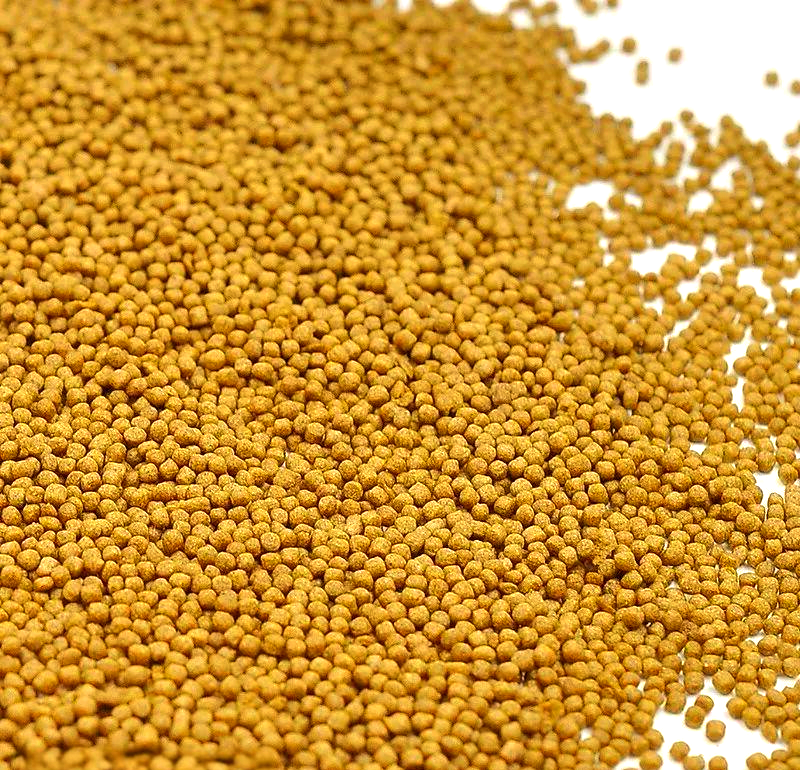
4) Conditioning: Controlled “Pre‑Cooking” With Steam
Before extrusion or pelleting, the meal is conditioned with steam and sometimes water. Think of it as controlled pre-cooking:
- Hydrates starch and proteins
- Improves binding and pellet durability
- Helps eliminate some pathogens and reduce microbial load
High-quality conditioning is about repeatability: stable moisture and temperature lead to stable pellet structure and stable buoyancy.
5) Extrusion (or Pelleting): Where Feed Structure Is Engineered
Many modern aquafeeds—especially for floating or slow-sinking diets—are made by extrusion rather than simple pelleting.
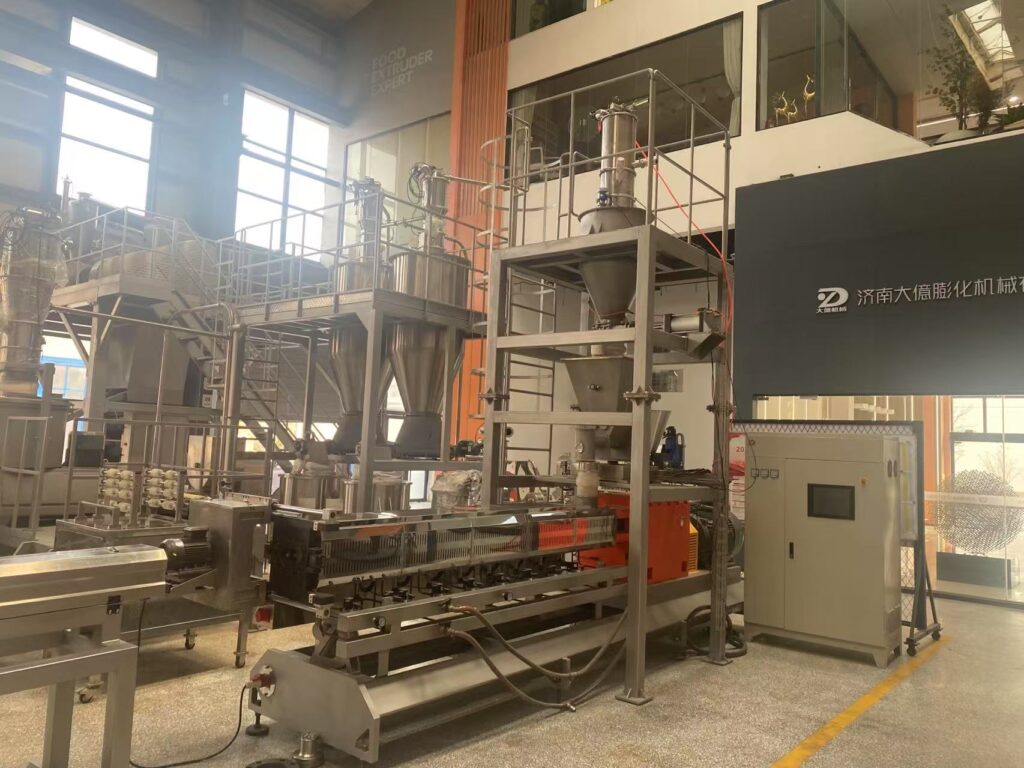
Extrusion in simple terms:
The conditioned mash is pushed through a screw barrel under controlled heat, pressure, and shear, then forced through a die. When it exits, rapid pressure drop causes expansion.
This is where manufacturers tune critical traits:
- Buoyancy (floating vs sinking)
- Density (slow-sink behavior for different species)
- Water stability (how long it holds shape before breaking apart)
- Pellet hardness and dust/fines levels
- Digestibility, especially of starch and some proteins
High-quality extrusion lines monitor:
- barrel temperatures by zone
- screw speed and torque (an indicator of mechanical energy)
- moisture addition rates
- die configuration and knife speed (controls pellet length)
If these parameters drift, the feed can look fine but perform poorly—breaking apart in water, producing fines, or leading to inconsistent feeding behavior.
6) Drying and Cooling: Protecting Nutrients and Shelf Life
Freshly extruded feed contains high moisture and must be dried to safe levels, then cooled.
Why this step is critical:
- Too much moisture → mold risk, shorter shelf life
- Over-drying or excessive heat → nutrient degradation and poor palatability
- Improper cooling → condensation in bags, leading to spoilage
High-quality plants use controlled dryers (multi-pass or belt dryers) and ensure the product temperature is near ambient before packaging.
7) Vacuum Coating and Oil Application: More Than Just “Adding Fat”
After drying, oils and heat-sensitive additives are often applied via coating. Premium producers increasingly use vacuum coating, which pulls air out of the pellet pores and replaces it with oil.
Benefits:
- Higher oil inclusion without greasy surfaces
- Better retention (less oil leaching into water)
- Improved energy density and palatability
- More uniform distribution of attractants and functional additives
This is a major differentiator in premium aquafeed, especially for carnivorous species that require higher lipid levels.
8) Quality Control Testing: The “Proof” Behind the Product
A truly high-quality feed is defined by consistent performance, not just a formula. That’s why reputable manufacturers test both process metrics and finished product attributes such as:
- Moisture, protein, fat, ash
- Pellet durability index (PDI) and abrasion resistance
- Bulk density and float/sink behavior
- Water stability and fines percentage
- Oxidation status of fats (rancidity indicators)
- Microbiology (where applicable)
- Packaging integrity and traceability codes
Some manufacturers also run feeding trials or digestibility trials, because laboratory values don’t always predict performance under farm conditions.
9) Packaging and Storage: Quality Can Be Lost After Production
Even premium feed degrades if stored poorly.
High-quality practices include:
- Oxygen and moisture barrier bags (depending on climate and oil level)
- Clear manufacturing dates and lot numbers
- Warehouse controls: cool, dry conditions; first-in-first-out (FIFO) management
- Antioxidant strategies to slow fat oxidation
What Consumers and Farms Should Look For
If you want to “see through” marketing, focus on indicators tied to processing discipline:
- Consistent pellet size, low dust, minimal fines in the bag
- Stable float/sink performance batch to batch
- No rancid smell; no oily residue pooling
- Clear traceability: lot numbers, production date, contactable manufacturer
- Evidence of testing and standards, not only vague “premium” claims
Conclusion: High Quality Is an Engineering Outcome
High-quality fish feed is not a mystery recipe—it is the result of controlled sourcing, precision mixing, well-managed conditioning and extrusion, careful drying, advanced coating, and rigorous quality testing. The difference between average and excellent feed often lies in whether a manufacturer can produce the same pellet structure and nutritional delivery every single day, across raw material variation and seasonal changes.
If transparency matters, ask about process controls: extrusion parameters, coating method, moisture targets, oxidation management, and finished-product testing. That is where high-quality feed reveals itself.
 Moroccan Arabic
  English
  Russian
  Spanish
  Italian
  Arabic
  Portuguese
  German
  French
  Japanese
  Persian
  Belarusian