
Textured Vegetable Protein (TVP), also known as textured soy protein or plant-based meat analogue, has evolved far beyond its origins as a simple meat extender. Its unique ability to mimic the texture and mouthfeel of meat, combined with its nutritional profile, functional versatility, and cost-effectiveness, has led to its widespread adoption across the food industry. This article explores the diverse applications of TVP, ranging from traditional uses to cutting-edge innovations in the plant-based sector.
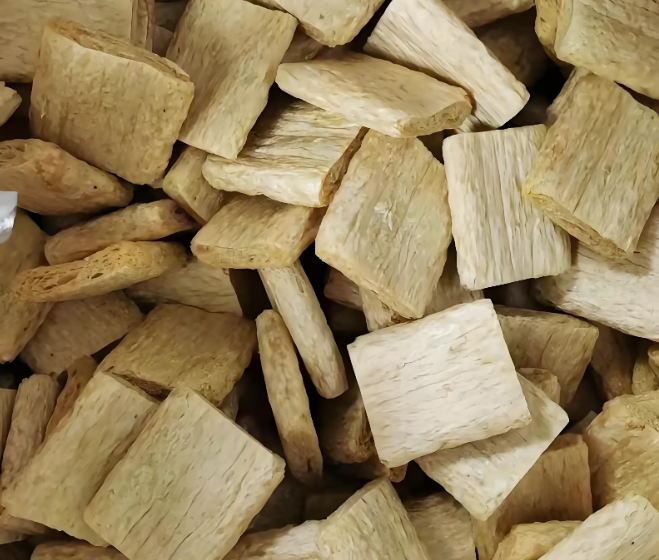
1. Core Applications: Meat Analogue Products
The most prominent application of TVP is in the creation of products that directly replace or extend animal-based meat. Its fibrous, spongy structure allows it to absorb flavors and fats, closely replicating the experience of eating meat.
- Ground Meat Analogues: TVP in granular or minced form is the foundation for a vast range of products. It is used to create plant-based burgers, meatballs, taco fillings, bolognese sauces, and chili. In these applications, TVP provides the characteristic “bite” and texture, while acting as a carrier for flavors, seasonings, and fats. High-moisture TVP (HMMA) is particularly valued here for its more realistic, fibrous texture.
- Whole-Muscle Analogues: Advanced high-moisture extrusion processes produce TVP with large, distinct fibers that mimic whole muscle meat. These products are used for plant-based chicken breasts and strips, pulled “pork,” beef-style steaks, and deli slices. The layered, fibrous structure of this TVP type provides the chewiness and pull-apart texture consumers expect from whole cuts.
- Seafood Analogues: Increasingly, TVP is being used to create plant-based alternatives to seafood. By using protein sources like legumes and carefully controlling the texturization process, manufacturers can replicate the flaky texture of white fish (e.g., for fish fillets or sticks) or the firm, bite-sized pieces found in shrimp or lobster analogues.
2. Traditional Role: Meat Extension and Cost Reduction
Before the rise of the plant-based movement, TVP’s primary role was as a meat extender—a role it continues to fill effectively. By blending rehydrated TVP with ground meat, food service operators and food manufacturers can:
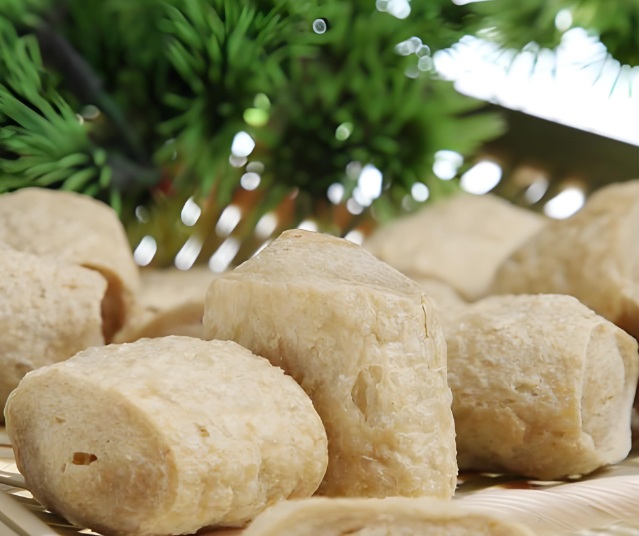
- Reduce Costs: TVP is significantly more cost-effective than lean meat, lowering the overall ingredient cost for products like burgers, meatloaf, and sausages.
- Improve Texture and Fat Retention: TVP helps bind fat and moisture within meat products, reducing cooking shrinkage and improving juiciness and mouthfeel.
- Enhance Nutritional Profile: Extending meat with TVP can reduce the overall saturated fat and cholesterol content of a product while adding dietary fiber.
3. Convenience Foods and Ready Meals
TVP’s stability and ease of use make it an ideal ingredient for a wide variety of convenience foods.
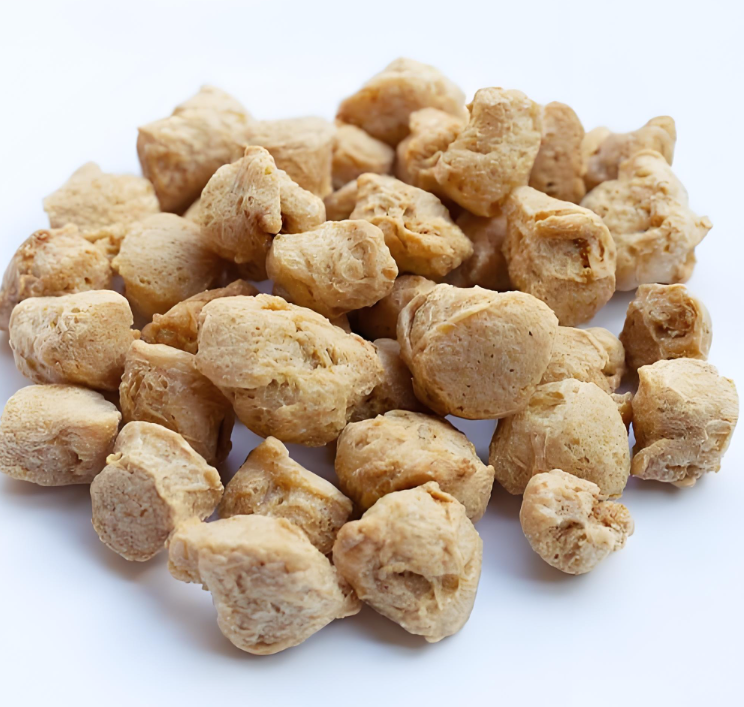
- Dry Mixes: TVP is a staple in dry soup mixes, instant noodle seasonings, and meal kits (e.g., for tacos or sloppy joes). In its low-moisture form, it has a long shelf life and rehydrates quickly when the consumer adds hot water during preparation.
- Frozen Meals: Rehydrated or ready-to-eat TVP is widely used in frozen entrees, pot pies, and prepared pasta dishes, providing a stable and flavorful protein component.
- Canned Foods: Its ability to withstand retort processing (high heat sterilization in cans) makes TVP suitable for use in canned soups, stews, and chili, where it maintains its texture without disintegrating.
4. Snack Foods and Bakery Applications
Beyond its role as a meat analogue, TVP is finding its way into other food categories.
- High-Protein Snacks: TVP granules can be incorporated directly into snack formulations. They are used in high-protein bars, puffed snacks, and savory snack coatings to boost protein content and provide a crunchy texture.
- Bakery Products: In baked goods like breads, muffins, and cookies, finely ground TVP flour can be used to partially replace wheat flour. This increases the protein content and can improve the water-holding capacity of the dough, leading to a softer, moister product with a longer shelf life. However, levels must be carefully controlled to avoid negatively impacting gluten development and loaf volume.
5. Institutional and Humanitarian Food Aid
TVP plays a significant role in large-scale feeding programs.
- School Lunch Programs: Its low cost, high protein content, long shelf life, and ease of transport and preparation make it a valuable ingredient for school feeding initiatives, particularly in developing nations.
- Humanitarian Aid: TVP is a staple in food aid shipments due to its shelf stability, nutritional density, and ease of fortification with vitamins and minerals. It can be easily rehydrated and incorporated into local dishes, providing essential nutrition in emergency and food security programs.
6. Pet Food and Animal Nutrition
The benefits of TVP extend to animal nutrition as well.
- Pet Food: TVP is used extensively in the pet food industry, both in dry kibble and wet or semi-moist products. It provides a highly digestible, cost-effective protein source with a texture that is palatable to dogs and cats. Its ability to mimic the texture of meat also makes it a key ingredient in meat-free pet food formulations.
- Aquafeed and Livestock: While less common than other protein meals, TVP can be used as a component in feeds for fish and livestock, providing a concentrated and functional protein source.
In conclusion, the applications of textured vegetable protein are remarkably broad and continue to expand. Driven by consumer demand for sustainable, healthy, and ethical food choices, TVP has moved from a simple cost-cutting ingredient to a versatile platform for culinary innovation across nearly every sector of the food industry.
 Moroccan Arabic
  English
  Russian
  Spanish
  Italian
  Arabic
  Portuguese
  German
  French
  Japanese
  Persian
  Belarusian