
1. Introduction
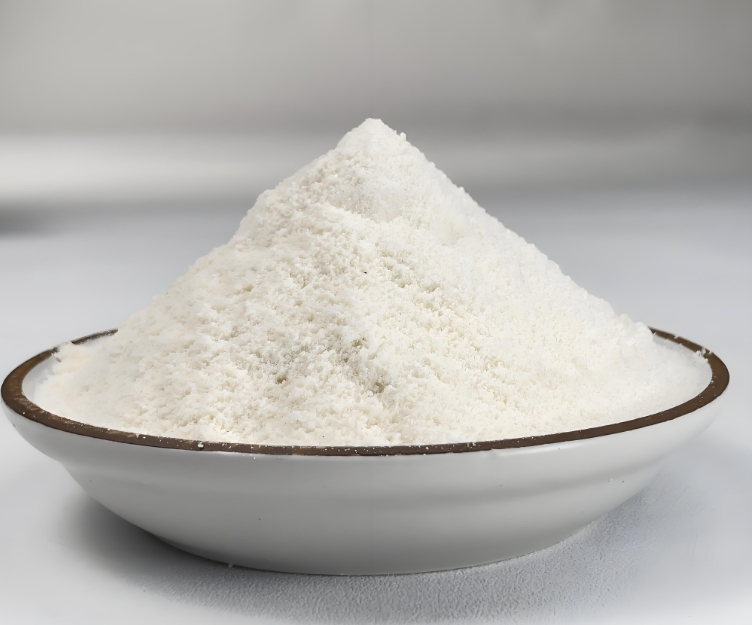
Baby rice cereal is one of the most widely used complementary foods during infancy because it is mild in flavor, easy to digest, and suitable for fortification. Unlike ordinary rice flour, infant cereal must meet stricter requirements for food safety, nutrient accuracy, solubility/instant dispersibility, and low contamination risk. This article explains a typical industrial processing flow for baby rice cereal and the key control points that ensure quality and safety.
2. Raw Material Selection and Receiving
Processing begins with selecting rice that is consistent and low in contaminants.
Key requirements
- Stable variety and uniform kernel quality
- Low levels of pesticide residues and mycotoxins
- Strong control of heavy metals (commonly a focus for rice-based infant foods)
- Good storage condition (controlled moisture, minimal insect damage)
Incoming lots are typically tested and accepted only if they meet infant-food specifications.
3. Cleaning, De-Stoning, and Metal Control
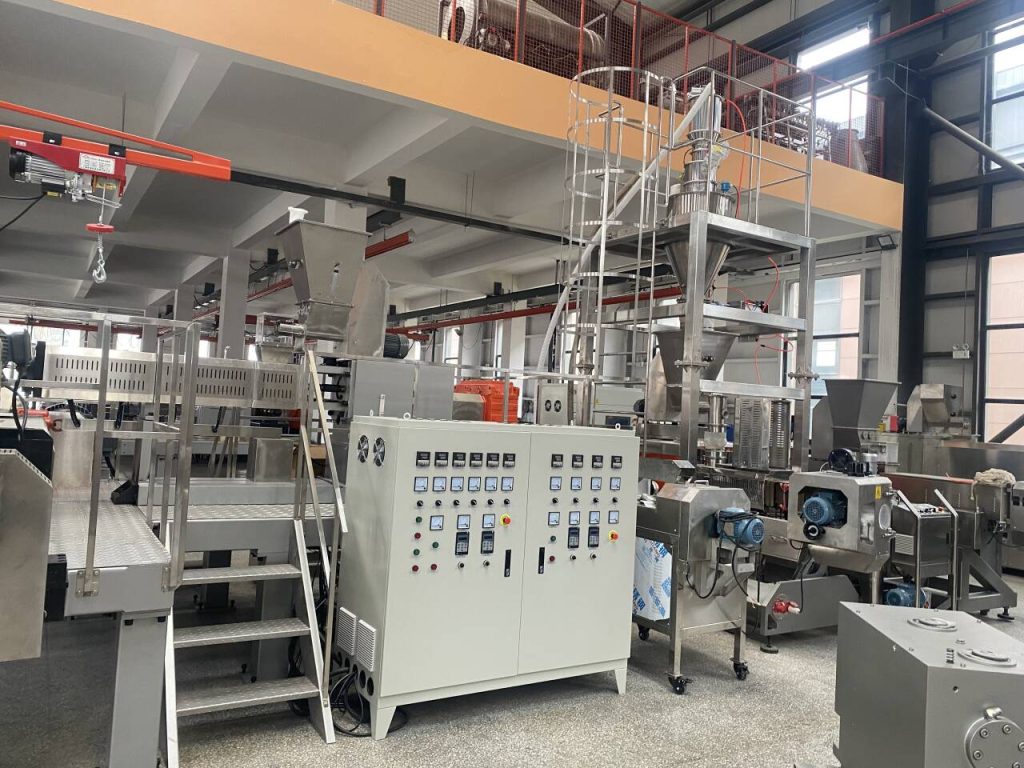
Before any size reduction, rice is cleaned to protect equipment and reduce physical hazards.
Typical unit operations
- Screening and aspiration to remove dust, husks, and light impurities
- De-stoning to remove stones and sand
- Magnets and metal detection to remove ferrous and non-ferrous contaminants
This stage directly supports both safety and product appearance.
4. Pre-Treatment: Soaking and Enzymatic Options (Process-Dependent)
Some manufacturers apply pre-treatments to improve cooking behavior and final texture.
Possible approaches include:
- Soaking/hydration to shorten cooking time and improve gelatinization uniformity
- Enzymatic treatment (in selected processes) to reduce viscosity or tailor mouthfeel
- Controlled pH adjustment for functionality (where permitted and appropriate)
Not all baby rice cereals use these steps; the choice depends on the desired viscosity, “smoothness,” and processing line design.
5. Thermal Processing: Cooking and Starch Gelatinization
A defining requirement for infant rice cereal is that it becomes easy to reconstitute with warm water or milk. This is achieved by cooking to gelatinize starch.
Common technologies:
- Steam cooking in continuous cookers
- Extrusion cooking (also provides microbial reduction and instant properties)
- Drum cooking or other pregelatinization methods
Critical outcome: starch gelatinization and hygienic processing that supports safe, rapid reconstitution.
6. Drying and Moisture Stabilization
After cooking, the product must be dried to a safe, shelf-stable moisture level.
Common drying methods:
- Drum drying (often produces flakes that are later milled)
- Spray drying (more common for slurries or blended formulations)
- Hot-air drying for cooked grains before milling
Moisture control is essential: too high risks microbial growth and clumping; too low can create excessive dust and poor flow.
7. Milling, Sieving, and Particle Size Control
Baby cereal must be smooth and easy to swallow. After drying, material is milled and classified.
Key controls
- Fine grinding to a target particle size distribution
- Sieving/classification to remove coarse particles
- Minimizing heat generation to protect sensitive nutrients (especially after fortification)
Uniform particle size improves:
- Mouthfeel
- Dispersibility
- Consistency in serving viscosity
8. Fortification and Blending (Nutrition Accuracy)
Most infant rice cereals are fortified to meet nutritional targets.
Common fortificants:
- Iron (a primary focus in many markets)
- Zinc, calcium, iodine (region-dependent)
- Vitamins such as A, D, B-complex (formulation-dependent)
Important considerations
- Accurate dosing and mixing uniformity
- Stability of vitamins during processing and storage
- Avoiding segregation (particle size matching, appropriate mixing strategy)
In many plants, heat-sensitive micronutrients are added after high-heat steps.
9. Optional Additions: Probiotics, DHA, Flavoring (Market-Dependent)
Some products include additional components such as:
- Probiotics (added late and protected from heat/moisture)
- DHA/ARA oils (requires oxidation control)
- Natural flavors or fruit powders (requires allergen and microbial control)
These additions increase formulation complexity and require stronger shelf-life and stability management.
10. Hygiene, Safety, and Quality Assurance (Infant-Food Standards)
Infant cereal manufacturing typically operates under stringent preventive control systems.
Key programs include:
- HACCP and prerequisite programs (sanitation, pest control, allergen control)
- Environmental monitoring (especially for dry-processing hygiene)
- Control of critical hazards: heavy metals, microbial pathogens, foreign materials
- Traceability and batch documentation
- Finished-product tests: moisture, microbiology, nutrient content, sensory, reconstitution performance
11. Packaging and Shelf-Life Protection
Packaging must protect against moisture pickup and oxidation.
Common practices:
- High-barrier laminated packaging
- Nitrogen flushing where oils or sensitive nutrients are present
- Strict control of net weight, sealing integrity, and coding for traceability
Proper packaging preserves flowability, prevents caking, and maintains nutrient potency.
The processing of baby rice cereal is a controlled sequence of cleaning, cooking/pregelatinization, drying, fine milling, and precise fortification—supported by rigorous safety systems and quality testing. The main technical goals are safe raw material selection, reliable starch gelatinization for instant reconstitution, smooth particle size, accurate micronutrient delivery, and strong contamination control. When executed well, the result is a mild, convenient, and nutritionally supportive complementary food for infants.
 Moroccan Arabic
  English
  Russian
  Spanish
  Italian
  Arabic
  Portuguese
  German
  French
  Japanese
  Persian
  Belarusian