
The dog food industry has experienced remarkable growth in recent years, driven by pet owners who increasingly view their dogs as family members and seek nutritionally balanced, high-quality products for them. Starting a dog food manufacturing plant requires careful planning, significant capital investment, and strict adherence to regulatory requirements. This guide provides a comprehensive overview of the steps, regulations, equipment, and considerations necessary to launch a successful dog food production operation.
1. Understanding the Market and Product Categories
Before investing in equipment and facilities, it is essential to understand the dog food market landscape and determine which product categories you will pursue.
1.1. Product Types
Dog food products generally fall into several categories:
| Product Category | Description | Common Products |
|---|---|---|
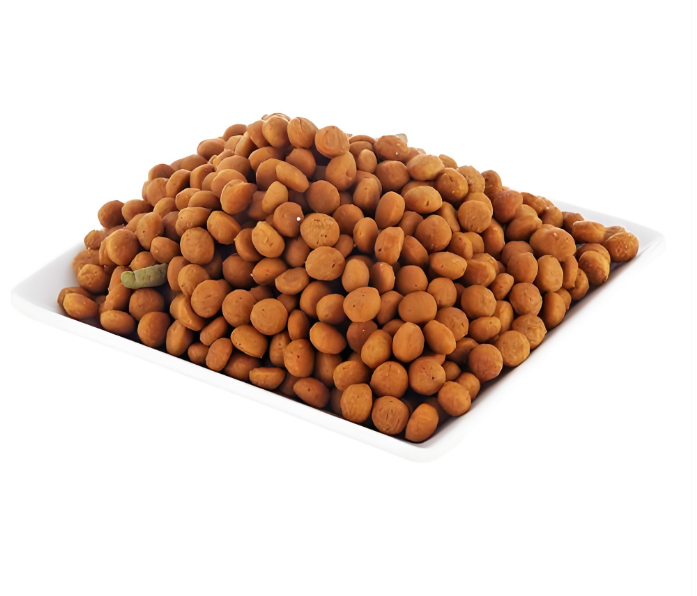
| Dry Kibble | Extruded, shelf-stable products with low moisture content | Complete and balanced dry dog food |
| Semi-Moist | Intermediate moisture products | Soft kibble, pouch products |
| Wet/Canned | High-moisture products requiring sterilization | Canned food, pouches, trays |
| Frozen/Freeze-Dried | Raw or gently processed products requiring cold chain or rehydration | Raw diets, freeze-draw raw, treats |
| Treats/Chews | Supplementary products not intended as complete meals | Biscuits, jerky, dental chews |
1.2. Market Trends
Current market trends include increasing demand for:
- Human-grade ingredients and transparent sourcing
- Natural and organic formulations
- Freeze-dried raw products with minimal processing
- Grain-free and limited ingredient diets
- Functional ingredients targeting specific health concerns
According to market data, pet food occupies approximately 52.8% of the overall pet market, with e-commerce channels contributing over 50% of sales.
2. Regulatory Compliance and Licensing
Dog food manufacturing is heavily regulated to ensure product safety and accurate labeling. Requirements vary by country, but generally follow similar principles.
2.1. United States Regulatory Framework
In the United States, dog food manufacturers must comply with:
Federal Oversight:
- FDA (Food and Drug Administration): Oversees pet food safety through the Federal Food, Drug, and Cosmetic Act. Manufacturers must register facilities and comply with Current Good Manufacturing Practices (cGMPs).
- USDA (United States Department of Agriculture): Oversees organic labeling claims and certain animal by-product handling.
State-Level Regulation:
- Most states adopt AAFCO (Association of American Feed Control Officials) model regulations and ingredient definitions.
- Each state may have its own registration and licensing requirements for pet food sold within its borders.
Key Regulatory Developments:
- The FDA’s final guidance (GFI #293) allows continued use of AAFCO-defined ingredients published in the 2024 Official Publication.
- The proposed PURR Act (Pet Food Uniform Regulatory Reform Act) aims to establish a federal framework, potentially simplifying the current state-by-state approach.
2.2. European Union Framework
For operations in the EU, manufacturers must comply with:
- Regulation (EC) No 178/2002: General food law establishing safety requirements
- Regulation (EC) No 767/2009: Specific requirements for placing feed on the market
- Feed Hygiene Regulation (EC) No 183/2005: Establishes hygiene requirements for feed businesses
Registration Requirements:
- Businesses must register with competent national authorities (e.g., BAES in Austria)
- Facilities processing animal by-products require veterinary approval and inspection
- HACCP principles must be implemented for production
2.3. Key Regulatory Requirements
Regardless of jurisdiction, the following are typically required:
| Requirement | Description |
|---|---|
| Facility Registration | Register with appropriate regulatory authorities before beginning operations |
| Qualified Personnel | Employ qualified technical, production, and quality managers with relevant expertise |
| Licensed Feed Mill | Obtain facility approval, especially when processing animal by-products |
| Product Registration | Register individual products in applicable jurisdictions |
| Label Compliance | Ensure labels meet all legal requirements for ingredient listing, guaranteed analysis, and nutritional adequacy statements |
3. Facility Design and Layout
Proper facility design is critical for food safety, operational efficiency, and regulatory compliance.
3.1. Location and Site Requirements
The facility should:
- Be located away from environmental pollution sources
- Have paved roads and yards with concrete or asphalt
- Separate production areas from administrative and living quarters
- Include proper drainage systems to prevent standing water
3.2. Facility Layout Principles
Linear Flow Design:
Modern pet food plants are designed with a linear flow that separates:
- Raw material intake from finished product handling
- Pre-kill step areas from post-kill step areas
- Wet processing from dry processing zones
This separation minimizes cross-contamination risks and facilitates cleaning protocols.
Zoning Requirements:
- High-care areas: Post-extrusion/cooking zones where finished products are handled
- Low-care areas: Raw material storage and pre-processing zones
- Temperature-controlled zones: Required for handling fresh or frozen animal ingredients
3.3. Storage Facilities
Adequate storage facilities must include:
| Storage Type | Requirements |
|---|---|
| Raw Material Warehouse | Dry, clean, pest-proof; separate areas for different ingredient types |
| Cold Storage | Refrigerated or frozen storage for perishable animal ingredients |
| Finished Goods Warehouse | Clean, dry, organized with FIFO inventory management |
| Packaging Material Storage | Dust-free, separate from raw materials |
| Hazardous Materials Storage | Separate area for ingredients like sodium selenite |
4. Equipment and Processing Technology
The equipment required depends on the product types you intend to manufacture.
4.1. Core Equipment for Dry Kibble Production
Dry kibble production requires a complete processing line:
| Processing Stage | Equipment |
|---|---|
| Raw Material Intake | Bulk unloading systems, bag dump stations, dust collection systems |
| Grinding/Milling | Hammer mills, roller mills, cone mills for particle size reduction |
| Batching/Mixing | Automated batching systems, ribbon mixers, rotary batch mixers |
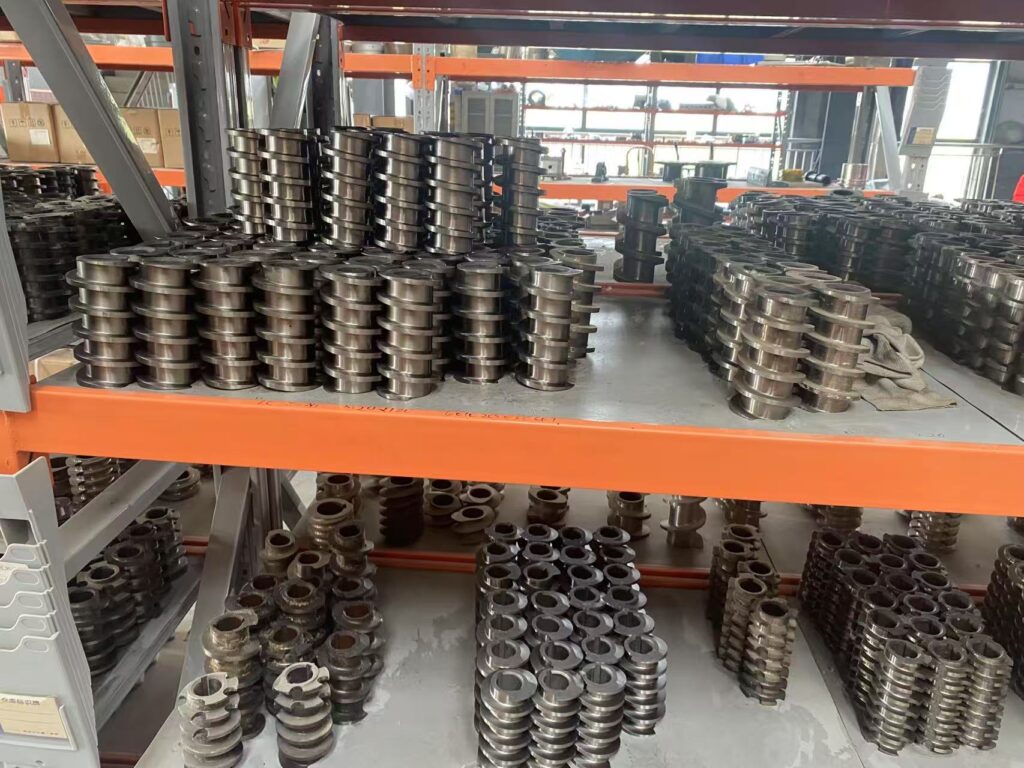
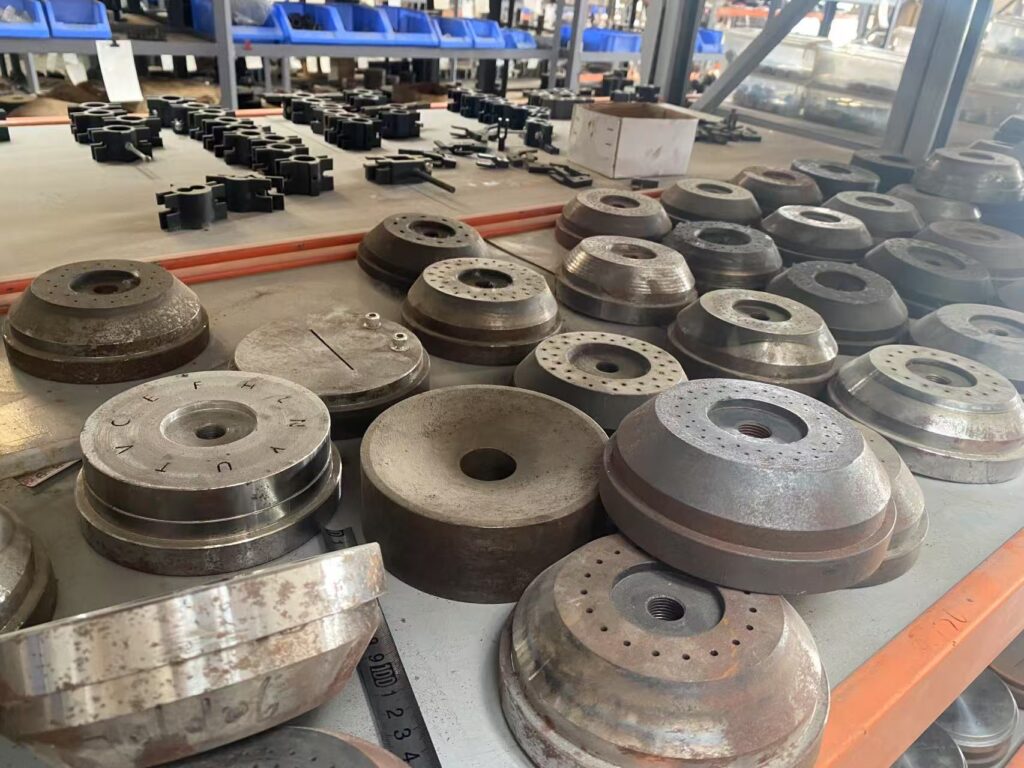
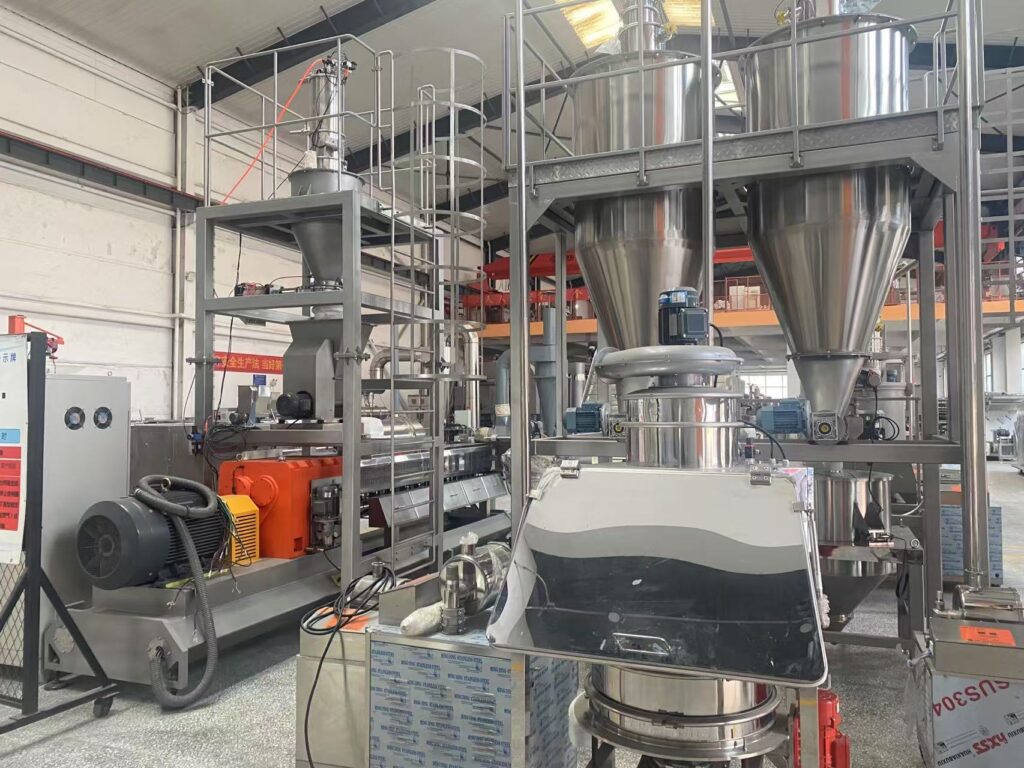
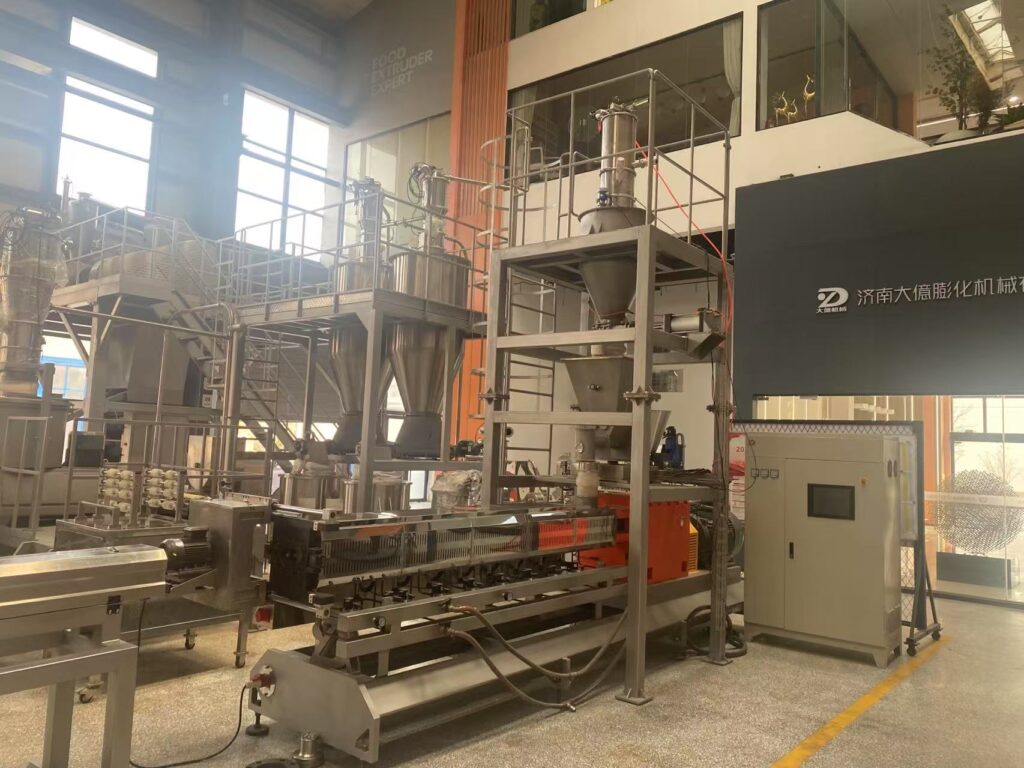
| Extrusion | Twin-screw or single-screw extruders with precise temperature and moisture control |
| Drying | Multi-pass dryers with temperature and moisture monitoring |
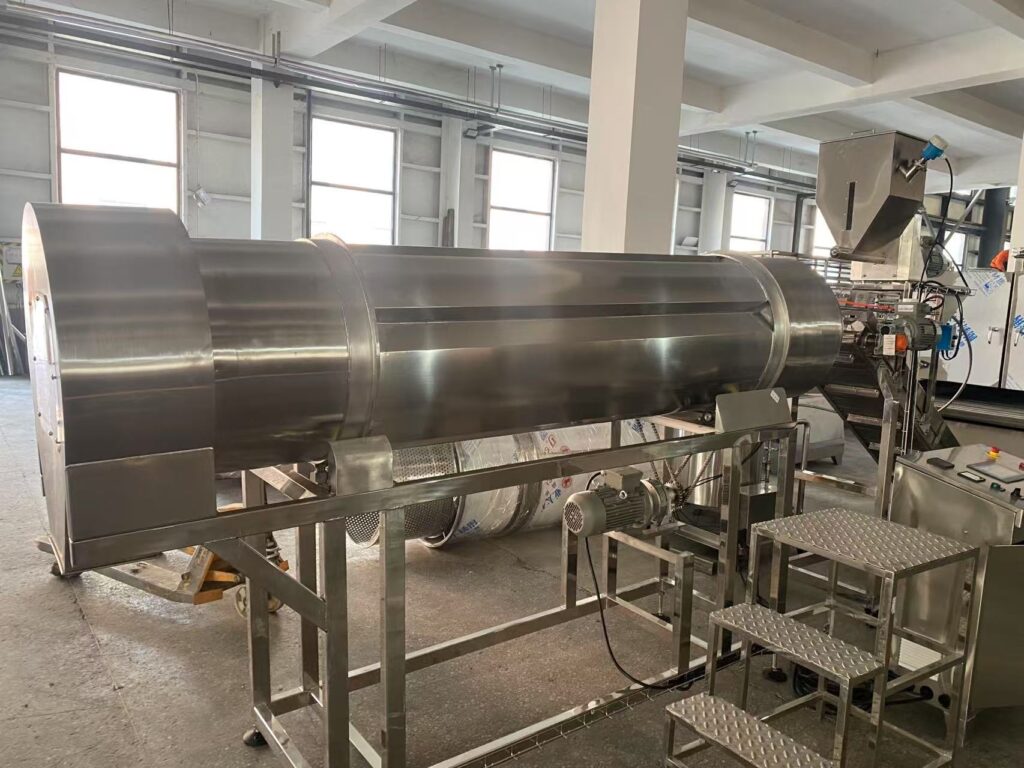
| Coating | Vacuum coating systems for fat and palatant application |
| Cooling | Counter-flow coolers |
| Packaging | Vertical form fill seal machines, checkweighers, metal detectors |
4.2. Additional Equipment for Wet Food Production
For canned or pouch products:
- Emulsifiers and homogenizers
- Can seamers or pouch fillers
- Retort sterilization equipment
- Labeling and case packing equipment
4.3. Freeze-Drying Equipment
For freeze-dried products, the investment extends beyond the dryer itself:
| Equipment Category | Considerations |
|---|---|
| Commercial Freeze Dryers | $75,000 to over $1 million depending on capacity |
| Support Equipment | Freezers, dicers, mixing equipment, pan washing systems |
| Facility Requirements | Adequate space for material flow, often underestimated |
4.4. Processing Specifications
Regulatory requirements specify technical parameters:
- Mixing uniformity: Coefficient of variation (CV) not greater than 7% for complete feeds; 5% for premixes
- Batching accuracy: Dynamic accuracy ≤3%, static accuracy ≤1%
- Minimum production capacity: 2.5 tons per hour for specialized pet food facilities
5. Quality Assurance and Laboratory Requirements
A well-equipped quality control laboratory is mandatory for regulatory compliance.
5.1. Laboratory Facilities
The laboratory must be independently located and include:
| Laboratory Area | Purpose |
|---|---|
| Balance Room | Analytical and precision weighing |
| Wet Chemistry Lab | Proximate analysis (protein, fat, fiber, moisture) |
| Instrument Room | HPLC, spectrophotometer, atomic absorption equipment |
| Microbiology Lab | Pathogen testing (Salmonella, Enterobacteriaceae) |
| Sample Retention Room | Retain samples for shelf-life monitoring |
5.2. Required Testing Equipment
| Equipment | Application |
|---|---|
| Analytical balance (0.1 mg) | Accurate weighing |
| Drying oven | Moisture determination |
| Muffle furnace | Ash content |
| Kjeldahl apparatus | Protein analysis |
| Soxhlet extractor | Fat analysis |
| HPLC with UV detector | Vitamin analysis |
| Atomic absorption spectrophotometer | Mineral analysis |
| Microbiological equipment | Pathogen detection |
5.3. Quality Personnel
- At least two full-time qualified laboratory technicians
- A Quality Manager with relevant education and experience
- Regular proficiency testing and training
6. Raw Materials and Ingredient Sourcing
Ingredient quality directly impacts product safety and nutritional value.
6.1. Ingredient Categories
Major Ingredients (Grains, Proteins):
- Corn, wheat, rice, barley
- Chicken meal, meat and bone meal, fish meal
- Fresh or frozen meat (requires cold storage and careful handling)
Minor Ingredients (Fats, Oils, Additives):
- Animal fats, vegetable oils
- Vitamins and minerals
- Palatants and flavor enhancers
Specialty Ingredients:
- Freeze-dried meats and organ meats
- Dehydrated vegetables and fruits
- Probiotics and functional additives
6.2. Sourcing Considerations
- All animal-derived ingredients must be from Category 3 animal by-products (animals fit for slaughter)
- Establish approved supplier programs with ingredient specifications
- Conduct incoming ingredient testing for contaminants
- Maintain traceability documentation from source to finished product
7. Food Safety and HACCP Implementation
A robust food safety system is mandatory for all commercial pet food operations.
7.1. HACCP Principles
The HACCP (Hazard Analysis and Critical Control Points) system requires:
- Hazard Analysis: Identify potential biological, chemical, and physical hazards at each processing step
- Critical Control Point Identification: Determine points where control is essential for safety
- Critical Limits: Establish maximum/minimum parameters for each CCP
- Monitoring Procedures: Define how CCPs will be monitored
- Corrective Actions: Specify actions when deviations occur
- Verification Procedures: Confirm the system is working effectively
- Documentation: Maintain records of all activities
7.2. Key Safety Considerations
| Hazard Type | Examples | Control Measures |
|---|---|---|
| Biological | Salmonella, E. coli, Listeria | Thermal processing, sanitation programs, environmental monitoring |
| Chemical | Heavy metals, mycotoxins, pesticides | Supplier testing, ingredient specifications |
| Physical | Metal fragments, plastic, stones | Magnets, screens, metal detectors, X-ray inspection |
7.3. Special Considerations for Raw/Fresh Products
Products without a heat kill step (e.g., freeze-dried raw) require alternative safety measures:
- High Pressure Processing (HPP): Can serve as a pre-freeze-dry kill step
- Water Activity Control: Products with water activity below pathogen growth thresholds are considered shelf-stable
- Supplier Controls: Raw materials must come from validated safe sources
8. Personnel and Organizational Structure
Regulatory requirements mandate specific organizational structures:
| Position | Qualifications | Responsibilities |
|---|---|---|
| Technical Manager | Animal science, veterinary, or food science degree | Formulation, nutritional adequacy, technical documentation |
| Production Manager | Engineering, food technology, or related degree | Process oversight, efficiency, equipment maintenance |
| Quality Manager | Food science, chemistry, biology, or related degree | Quality systems, laboratory management, compliance |
| Laboratory Technicians (minimum 2) | Relevant training and demonstrated competency | Testing, sampling, record keeping |
| Purchasing Manager | Familiar with feed regulations | Supplier qualification, ingredient specifications |
Note: Technical, Production, and Quality positions must be filled by different individuals and cannot be combined.
9. Financial Considerations and Investment
9.1. Capital Investment Estimates
Investment requirements vary significantly based on scale and product type:
| Investment Category | Estimated Range |
|---|---|
| Small-scale dry kibble plant | $500,000 – $2,000,000 |
| Commercial dry kibble facility | $3,000,000 – $10,000,000+ |
| Freeze-dried operation | $75,000 – $1,000,000+ for dryers alone |
| Sample project (China) | ¥30 million (~$4 million) for complete line |
9.2. Operational Costs
Ongoing expenses include:
- Raw materials (largest cost component)
- Utilities (electricity, water, steam, gas)
- Labor (production, quality, management)
- Maintenance and spare parts
- Quality testing (internal and third-party)
- Regulatory fees and product registration
9.3. Ancillary Cost Considerations
Many entrepreneurs underestimate additional costs beyond core equipment:
- Facility leasing or construction
- Forklifts and material handling equipment
- Packaging machinery
- Pan washing systems (for freeze-dried operations)
- Dust collection and ventilation
- Cold storage and refrigeration
10. Labeling and Marketing
Proper labeling is essential for legal compliance and consumer communication.
10.1. Required Label Elements
| Element | Requirements |
|---|---|
| Product Name | Must accurately describe the product |
| Brand Name | Clearly identified |
| Species Statement | “Dog food” or “For dogs” |
| Net Quantity | Weight in metric and US customary units |
| Guaranteed Analysis | Minimum percentages of crude protein, crude fat; maximum percentages of crude fiber, moisture |
| Ingredient Statement | Listed in descending order by weight |
| Nutritional Adequacy Statement | Indicates if product is complete and balanced, and for which life stages |
| Feeding Directions | Instructions for appropriate feeding amounts |
| Manufacturer Information | Name and address of responsible party |
10.2. Nutritional Claims
Claims such as “natural,” “organic,” “grain-free,” or “human-grade” must be substantiated and comply with regulatory definitions. The AAFCO model regulations and FDA guidance provide specific criteria for permitted claims.
11. Operational Planning
11.1. Production Scheduling
Consider the following when planning operations:
- Batch size and changeover time between formulations
- Cleaning protocols (typical cleaning times: 30-40 minutes for accessible equipment)
- Capacity utilization (many facilities start with one shift, expand to two or three)
- Inventory management for raw materials and finished goods
11.2. Maintenance Programs
Establish preventive maintenance schedules for:
- Extruders and processing equipment
- Dryers and cooling systems
- Packaging machinery
- Dust collection and ventilation systems
- Refrigeration and cold storage
11.3. Sanitation
Implement regular cleaning protocols:
- Daily cleaning: After production, purging of extruders, cleaning of dies and cutters
- Deep cleaning: Scheduled comprehensive cleaning with validated methods
- Environmental monitoring: Swab testing for pathogens in post-kill areas
12. Common Challenges and Solutions
| Challenge | Mitigation Strategy |
|---|---|
| Regulatory complexity | Engage regulatory consultants; maintain relationships with inspectors |
| Capital intensity | Phase investment; consider contract manufacturing initially |
| Equipment cleaning difficulty | Select hygienically designed equipment with easy access |
| Supply chain reliability | Develop multiple supplier relationships; maintain safety stock |
| Quality consistency | Implement robust process controls; invest in automation |
| Competition from large brands | Focus on niche markets, transparency, and direct customer relationships |
Conclusion
Starting a dog food manufacturing plant is a complex but potentially rewarding venture. Success requires careful attention to regulatory compliance, facility design, equipment selection, quality systems, and operational planning. The growing demand for premium, safe, and nutritious dog food creates opportunities for well-prepared entrepreneurs who can meet the high standards expected by today’s pet owners.
Before proceeding, conduct thorough market research, develop detailed business plans, consult with regulatory experts, and consider whether to start with contract manufacturing or direct investment in production capabilities. With proper planning and execution, a dog food manufacturing business can become a successful enterprise serving the growing community of pet owners who seek the best nutrition for their canine companions. If you are interested in the dog food making machine , you can contact me , i will give you good advice and solutions .
1.Will you help us with the installation ?
Yes , We will send engineers to install and debug the equipment, and assist in training your staff.
2.Are you a factory or trading company?
We are a factory.
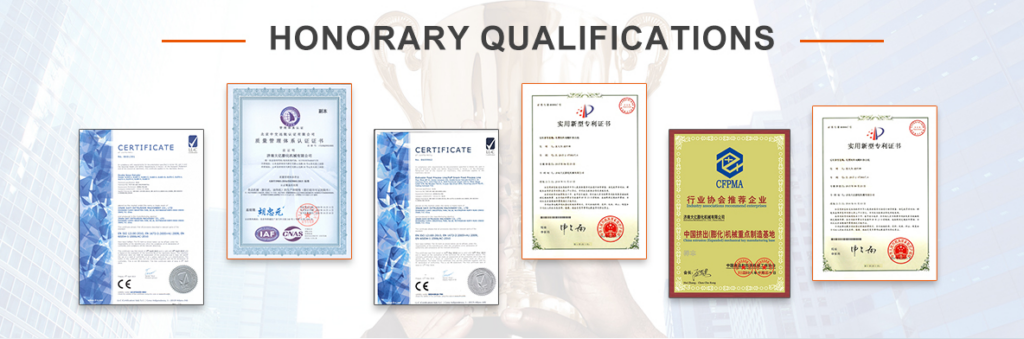
3.What certificate do you have?
We have ISO and CE certificate.
4.How long is the warranty period?
All of our machines have one year warranty.
5.What’s the main market of your company?
Our customers all over the world.
6.How much production capacity of your company one year?
This depends on your needs.
 Moroccan Arabic
  English
  Russian
  Spanish
  Italian
  Arabic
  Portuguese
  German
  French
  Japanese
  Persian
  Belarusian