
Cheetos—those bright orange, irresistibly cheesy snacks—have been a beloved treat since their introduction in 1948 by Frito-Lay . While the process of making them might seem like a mystery, it’s actually a fascinating combination of industrial engineering, precise cooking techniques, and rigorous quality control. Here’s a step-by-step look at how these iconic snacks are manufactured.
The Main Ingredients
Cheetos start with a simple foundation: corn. The primary raw material is corn grits (or cornmeal), typically ground to 20-mesh size . Water is added to create a dough-like mixture. The corn’s germ is removed during processing to prevent spoilage, which means the cornmeal lacks certain nutrients—so manufacturers use enriched cornmeal to add nutritional value back in .
The final product gets its signature flavor from cheese powder, oil, and various seasonings applied at the end of the process.
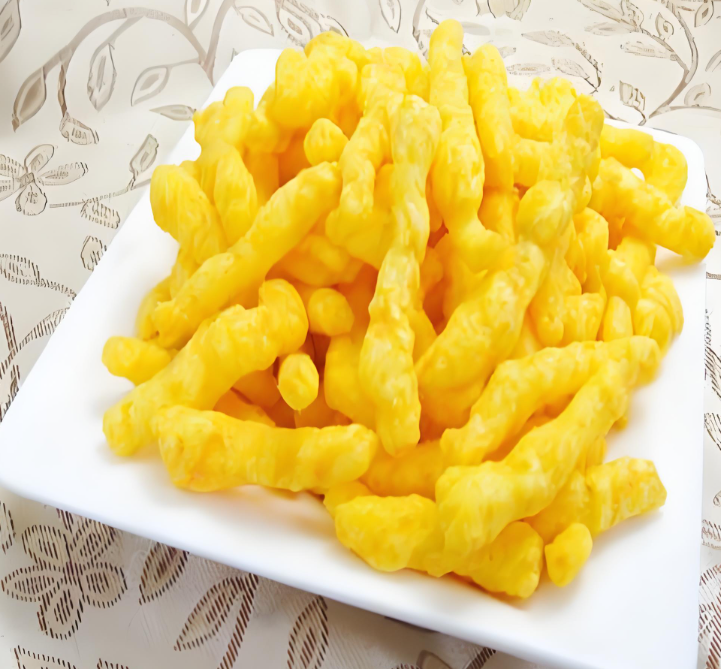
The Manufacturing Process: A Step-by-Step Timeline
0:00 to 1:00 — Mixing and Feeding
The process begins with cornmeal stored in large silos. It’s pumped through pneumatic tubes into the manufacturing plant and loaded into a giant hopper . The cornmeal is then fed into a mixer, where it’s blended with water and other ingredients to achieve the right moisture content for extrusion .
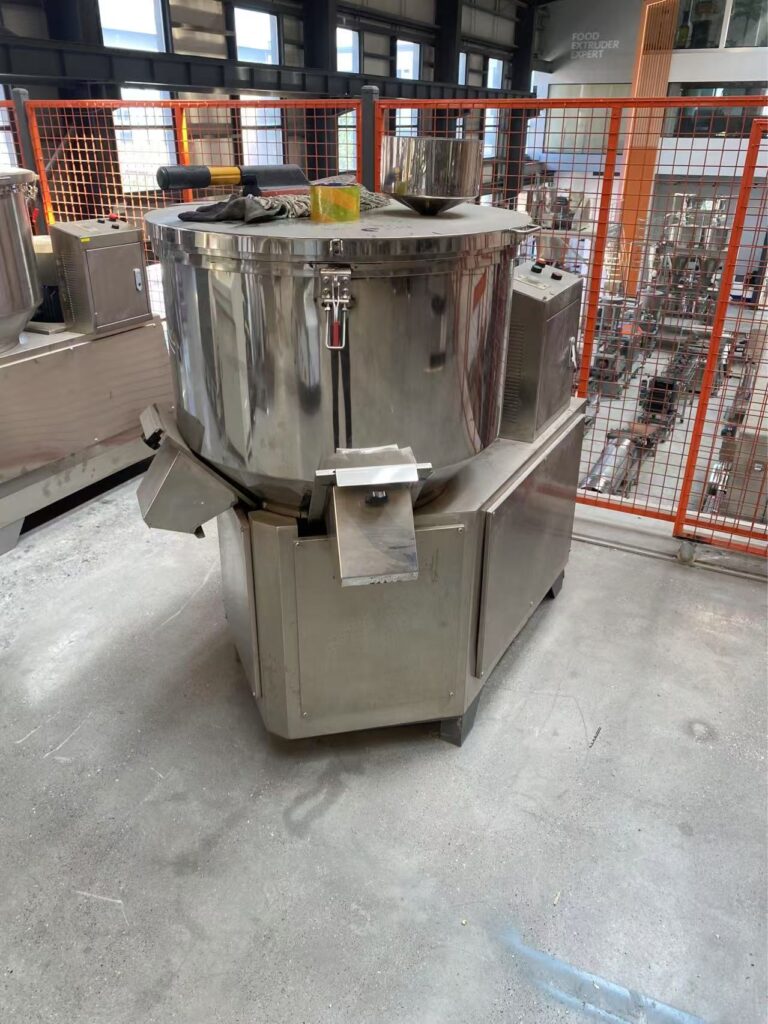
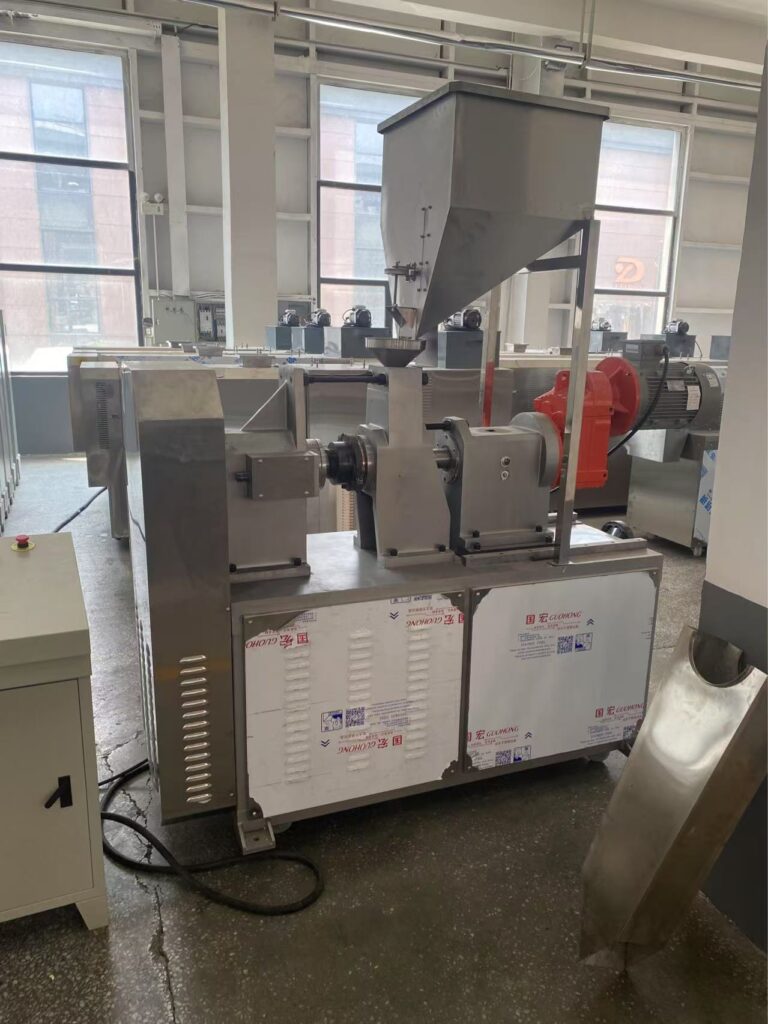
1:00 to 1:10 — Extrusion: The Magic of Shape and Texture
This is where the transformation really happens. The corn mixture enters an extruder—a machine that uses either twin screws or two rotating metal plates to rub and compress the material .
Under high pressure and temperature (typically 120–180°C), the friction melts the starch in the corn and causes the moisture inside to heat up past its boiling point . When the superheated dough is forced through a die (a specially shaped opening), the sudden drop in pressure causes the trapped steam to expand instantly. This “pops” the corn, creating the snack’s characteristic puffy, craggy texture .
The extruded pieces are then cut to the desired length as they exit the machine, flying out at high velocity before landing on a conveyor belt .
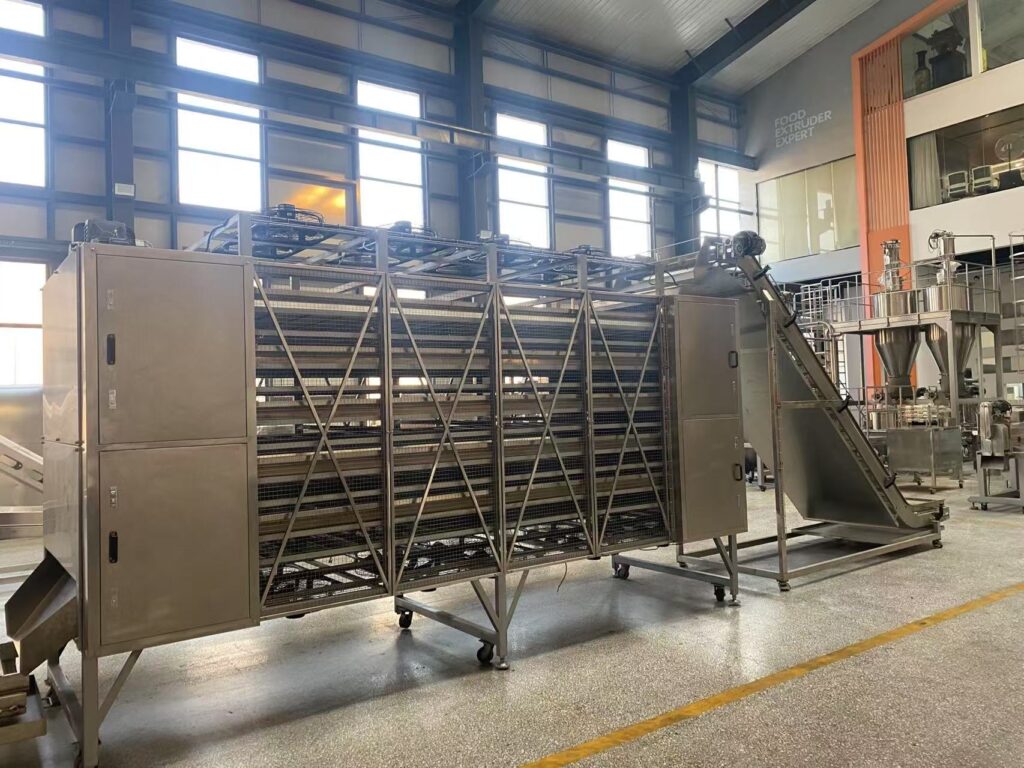
1:40 to 2:40 — Frying: The Crunch Factor
For Crunchy Cheetos, the freshly extruded pieces move through a continuous fryer filled with piping-hot vegetable oil at over 300°F (about 150–190°C) . This deep-frying process does two important things: it adds a rich, fatty flavor, and it drives the moisture content down below 2 percent—the key to that signature crunch .
For Baked Cheetos (like the Puffs variety), the pieces go through a multi-zone belt oven instead, baking at lower temperatures to create a lighter, airier texture with less oil .
8:00 to 9:00 — Seasoning: The Cheesy Coating
After frying or baking, the pieces enter a large tumbling drum . Strategically placed nozzles spray oil onto the rotating Cheetos, followed by a generous dusting of powdered cheese and seasonings. The cheese coating—which Frito-Lay buys in pre-spiced 50-pound sacks—is similar to what you’d find in boxed mac-and-cheese products .
The tumbling action ensures every piece gets evenly coated from all sides.
9:00 to 19:00 — Cooling and Packaging
The finished Cheetos move along a final conveyor belt, where any remaining moisture steams off as they cool to room temperature . Once cooled, they’re transported to the packaging area, where they’re bagged, boxed, and prepared for shipment to stores around the world .
Quality Control: No Shortcuts to Crunchiness
Frito-Lay takes quality seriously. Throughout the production process, rigorous testing ensures every batch meets exact standards :
- Every 30 minutes, samples are pulled from the production line and analyzed in an in-house lab to verify proper density and nutritional content .
- Every 4 hours, a four-person panel convenes to inspect and taste the Cheetos, comparing them against “perfect” reference samples sent from headquarters . They check for texture, flavor, color, and that essential crunch factor.
Fried vs. Baked: Two Different Products
Cheetos come in two main varieties, each with its own production path :
| Type | Cooking Method | Texture | Oil Content |
|---|---|---|---|
| Crunchy Cheetos | Deep-fried (170–190°C) | Crispy, dense | Higher |
| Puffs / Baked Cheetos | Baked in oven (120–160°C) | Light, airy | Lower |
The production lines are similar up through extrusion, then diverge at the cooking stage.
A Fun Fact: Cheetos Aren’t Technically “Chips”
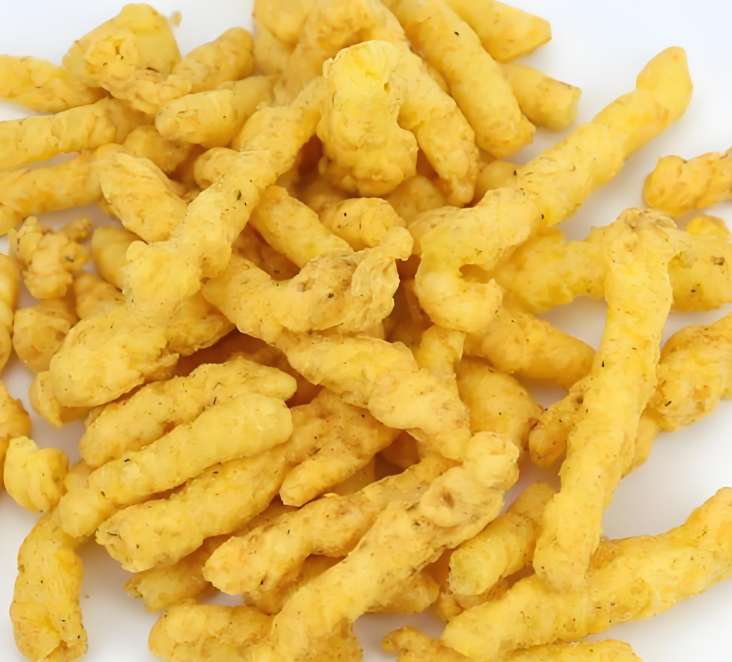
While often found in the chips aisle, Cheetos are actually made from cornmeal—not sliced potatoes—so they’re technically corn puffs rather than potato chips . Their placement next to chips in grocery stores is a deliberate cross-merchandising strategy: snacks and drinks are often grouped together to encourage pairing purchases .
From Factory to You
What began in 1948 as a simple cornmeal snack has evolved into a global phenomenon with dozens of flavors—from the classic Crunchy and Puffs to Flamin’ Hot, Cheddar Jalapeño, and even regional varieties like strawberry in some countries . Despite the complexity of industrial production, the goal remains simple: delivering that satisfying, cheesy crunch in every bite.
Summary: The Cheetos Production Process
| Step | Time | What Happens |
|---|---|---|
| Mixing | 0:00–1:00 | Corn grits blended with water |
| Extrusion | 1:00–1:10 | Mixture heated under pressure, forced through die to create shape |
| Frying/Baking | 1:40–2:40 | Pieces cooked in oil or oven for crunch |
| Seasoning | 8:00–9:00 | Oil and cheese powder applied in tumbling drum |
| Cooling & Packaging | 9:00–19:00 | Cooled, bagged, and shipped |
If you are interested in the cheetos making machine , you can contact me , i will give you good advice and solutions .
1.Will you help us with the installation ?
Yes , We will send engineers to install and debug the equipment, and assist in training your staff.
2.Are you a factory or trading company?
We are a factory.
3.What certificate do you have?
We have ISO and CE certificate.
4.How long is the warranty period?
All of our machines have one year warranty.
5.What’s the main market of your company?
Our customers all over the world.
6.How much production capacity of your company one year?
This depends on your needs.
 Moroccan Arabic
  English
  Russian
  Spanish
  Italian
  Arabic
  Portuguese
  German
  French
  Japanese
  Persian
  Belarusian