
Puffed snacks, such as corn puffs, rice snacks, and cereal-based products, are popular around the world because they are affordable, tasty, and convenient. With relatively low investment requirements and high market demand, starting a small puff snack food factory can be an attractive business opportunity for entrepreneurs. This guide will walk you through the key steps and considerations for investing in a small puffed snack production business.
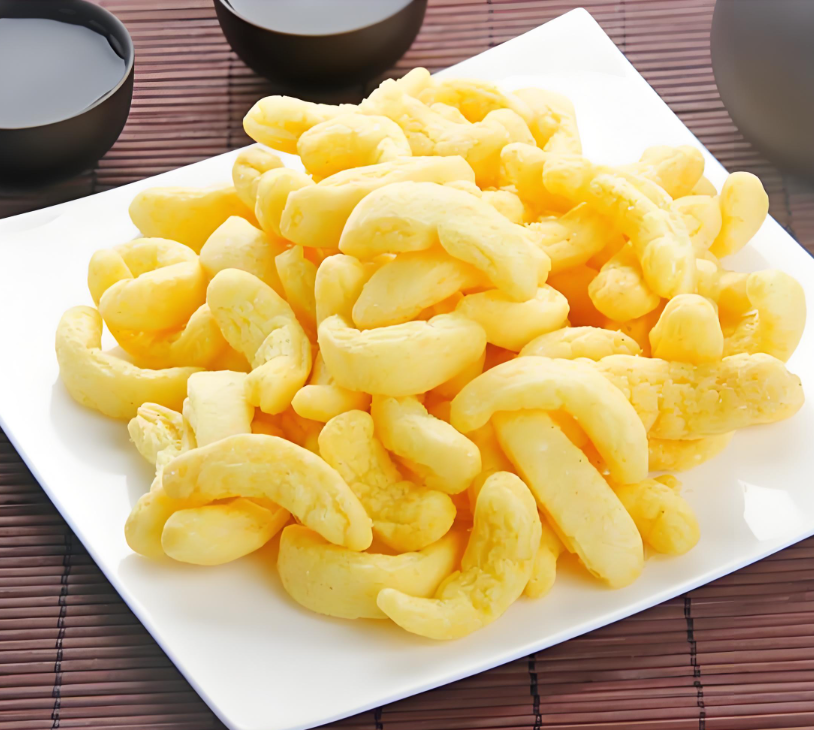
1. Understanding the Puff Snack Market
Before investing in a puff snack factory, it is important to understand the market demand in your target region. Puffed snacks are widely consumed by children and adults alike and are commonly sold in supermarkets, convenience stores, and online platforms.
Some popular puffed snack products include:
- Corn puffs
- Cheese balls
- Rice crackers
- Breakfast cereals
- Extruded snack sticks
Conducting basic market research can help you determine which products are most popular and what price range consumers are willing to pay.
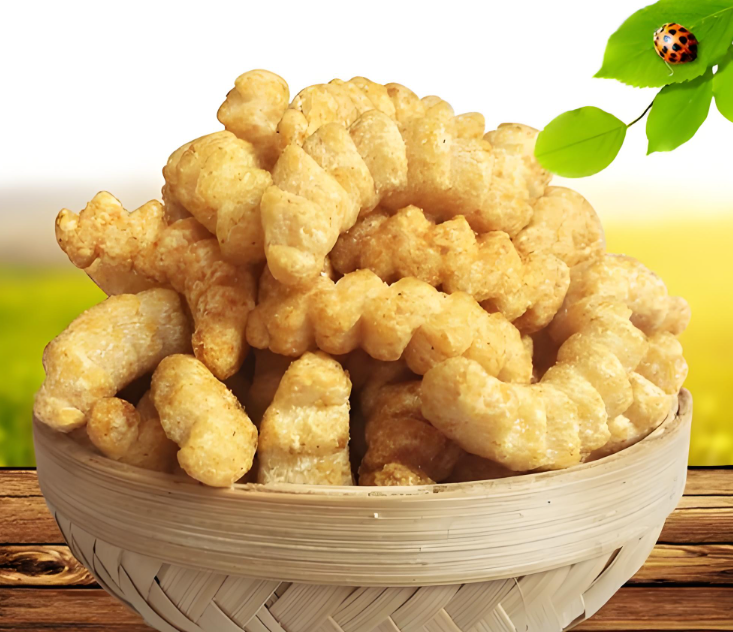
2. Choosing the Right Production Capacity
One of the most important decisions when starting a small snack factory is selecting the appropriate production capacity. Small puff snack production lines usually range from 100 kg/h to 300 kg/h.
Factors to consider include:
- Local market demand
- Available investment budget
- Factory space
- Labor availability
For beginners, a 100–150 kg per hour production line is often a practical starting point because it requires lower investment and is easier to manage.
3. Essential Equipment for a Small Puff Snack Production Line
A typical small puff snack production line consists of several key machines that work together to process raw materials into finished snacks.
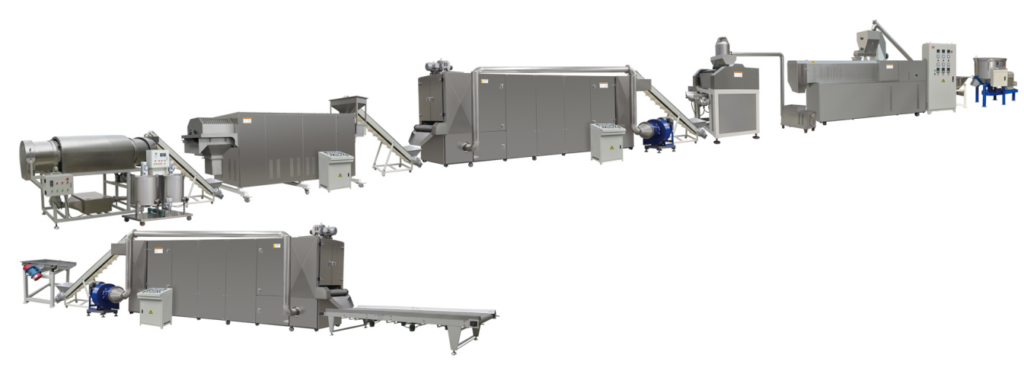
The main equipment usually includes:
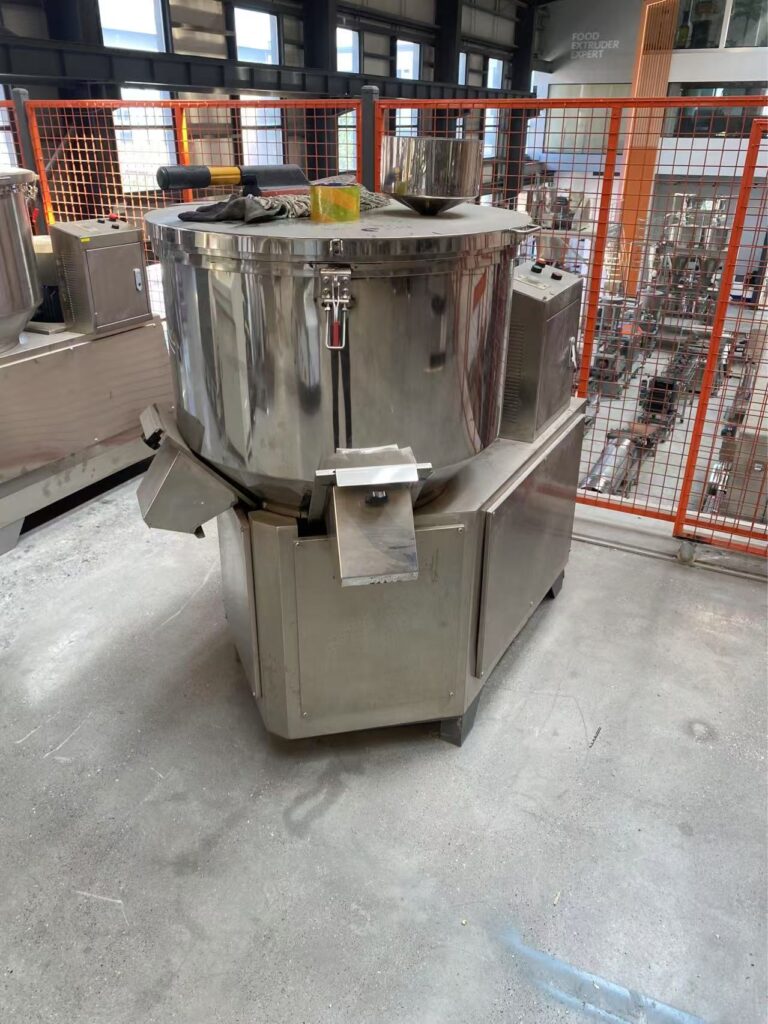
- Mixer – mixes corn flour, rice flour, or other ingredients with water and additives.
- Screw Conveyor – transports the mixed material to the extruder.
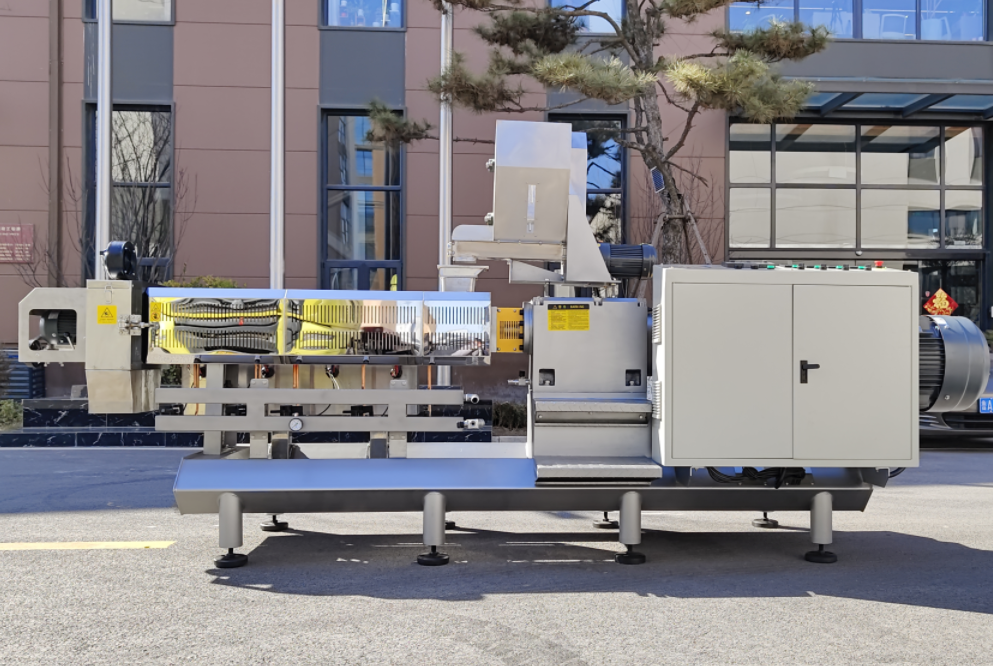
- Twin-Screw Extruder – the core machine that cooks and expands the raw material under high temperature and pressure.
- Cutting System – shapes and cuts the extruded product.
- Dryer – removes moisture to improve product texture and shelf life.
- Flavoring Machine – coats snacks with seasoning, oil, or powder flavors.
- Packaging Machine – packs the finished snacks for sale.
These machines can be arranged in a continuous production line to improve efficiency and reduce labor costs.
4. Raw Materials and Ingredients
Most puffed snacks use simple and affordable ingredients, which helps keep production costs low.
Common raw materials include:
- Corn flour or corn grits
- Rice flour
- Wheat flour
- Potato starch
- Vegetable oil
- Seasoning powders (cheese, barbecue, chili, etc.)
Because these ingredients are widely available, supply chain management is usually straightforward.
5. Factory Space and Layout
A small puff snack factory does not require a very large facility. In many cases, a workshop of 100–200 square meters is sufficient for a small production line.
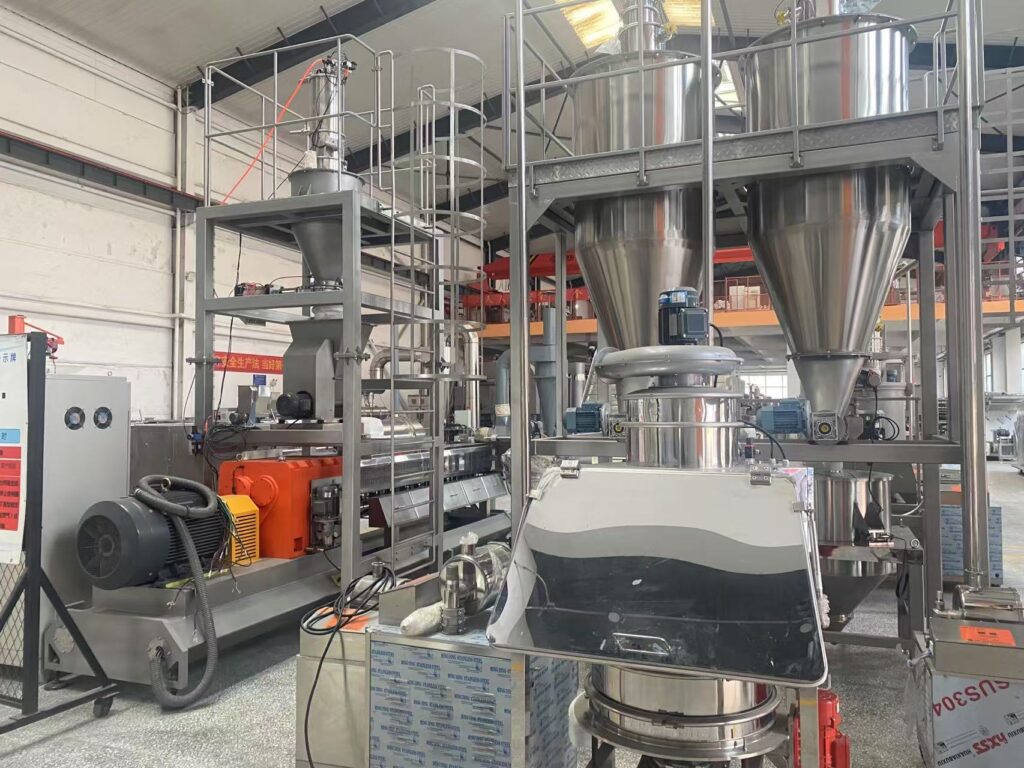
Typical areas in the factory include:
- Raw material storage
- Production area
- Drying and seasoning area
- Finished product storage
- Packaging section
A well-designed layout can improve workflow efficiency and ensure food safety standards.
6. Labor Requirements
One advantage of a puff snack production line is that it is highly automated. A small factory can usually operate with 4–6 workers, including:
- Machine operators
- Packaging workers
- Quality control staff
- Warehouse personnel
Training workers on equipment operation and food hygiene is essential for maintaining consistent product quality.
7. Investment Cost Estimate
The total investment for a small puff snack factory depends on equipment quality, production capacity, and location. However, a general estimate includes:
- Production line equipment
- Factory rent or construction
- Raw materials
- Packaging materials
- Labor costs
- Utilities (electricity, water, gas)
For many startups, the investment in machinery for a small production line may range from $20,000 to $80,000, depending on configuration and automation level.
8. Profit Potential
Puffed snacks often have a good profit margin because raw materials are inexpensive while retail prices can be relatively high.
Profitability depends on factors such as:
- Production efficiency
- Product quality
- Brand recognition
- Distribution channels
Many small manufacturers start by supplying local markets, supermarkets, or wholesalers before expanding into larger regional markets.
9. Marketing and Sales Strategies
To succeed in the snack food industry, effective marketing is crucial. Some strategies include:
- Creating attractive packaging designs
- Offering multiple flavors
- Selling through supermarkets and convenience stores
- Promoting products on social media platforms
- Developing private-label products for retailers
Building a recognizable brand can help your products stand out in a competitive market.
10. Final Tips for Beginners
If you are new to the puff snack manufacturing business, consider the following tips:
- Start with a small production line and expand gradually.
- Choose reliable equipment suppliers.
- Focus on consistent product quality.
- Develop unique flavors to attract customers.
- Maintain strict food safety and hygiene standards.
Conclusion
Investing in a small puff snack food factory can be a profitable and scalable business opportunity. With relatively simple raw materials, automated production equipment, and strong consumer demand, entrepreneurs can enter the snack food industry with manageable risk. By carefully planning equipment selection, production capacity, and marketing strategy, you can build a successful puff snack manufacturing business. If you are interested in the puffed snack food machine , you can contact me , i will give you good advice and solutions .
1.Will you help us with the installation ?
Yes , We will send engineers to install and debug the equipment, and assist in training your staff.
2.Are you a factory or trading company?
We are a factory.
3.What certificate do you have?
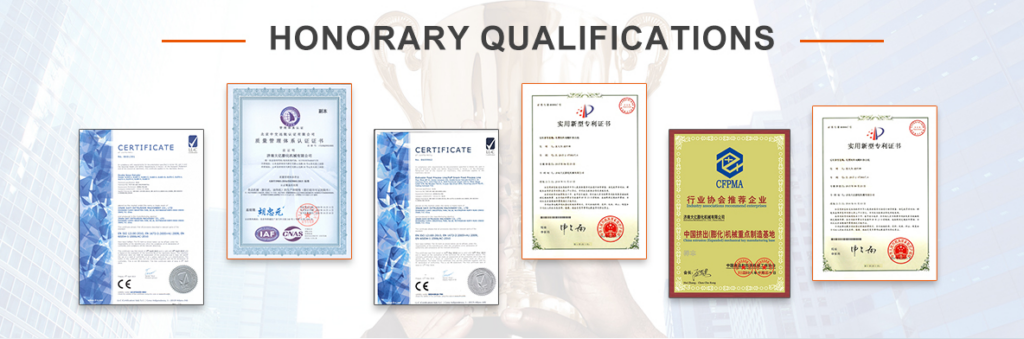
We have ISO and CE certificate.
4.How long is the warranty period?
All of our machines have one year warranty.
5.What’s the main market of your company?
Our customers all over the world.
6.How much production capacity of your company one year?
This depends on your needs.
 Moroccan Arabic
  English
  Russian
  Spanish
  Italian
  Arabic
  Portuguese
  German
  French
  Japanese
  Persian
  Belarusian