
Debunking Myths and Revealing Truths: An Exposé on Fish Feed Drying Technology
The drying stage in fish feed production is often marketed as a simple, standardized step. However, beneath this façade lies a complex process where engineering choices directly impact nutritional quality, production costs, and environmental footprint. fish feed extruder machine This exposé separates marketing spin from technical reality, revealing critical aspects of fish feed drying often obscured from end-users.
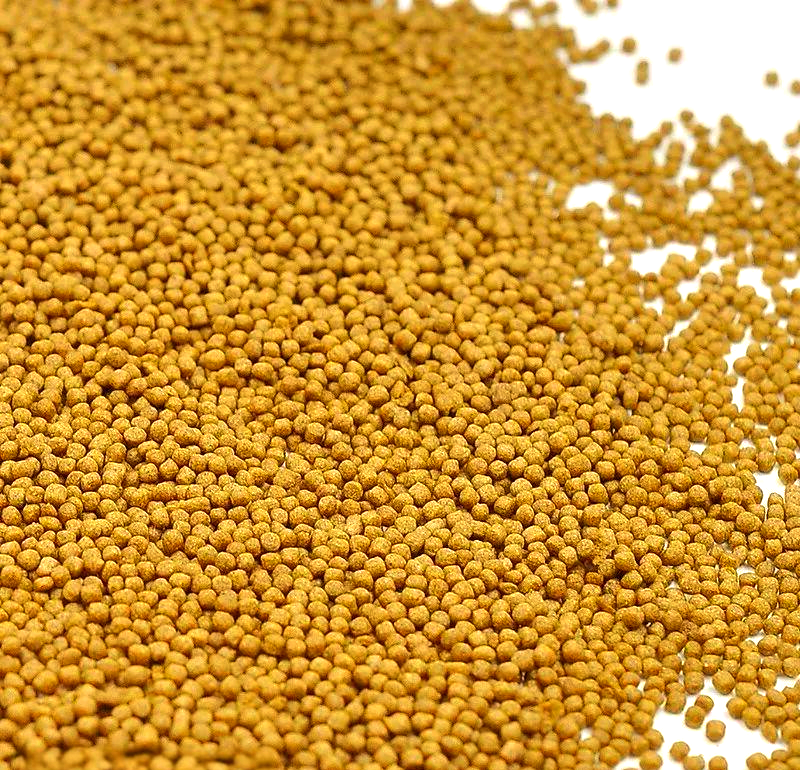
1. The Core Deception: “Gentle Drying” vs. Thermal Reality
- The Myth: Many manufacturers promote “low-temperature,” “gentle,” or “nutrient-preserving” drying processes.
- The Reality: True low-temperature drying (below 60°C) is prohibitively slow and expensive for commercial volumes. Most industrial dryers operate with inlet air temperatures between 100°C and 160°C.
- The Secret: The key is not the inlet temperature alone, but the product’s core temperature. Efficient dryers use high-velocity, low-humidity air to evaporate surface moisture quickly, preventing the pellet’s core from reaching excessive heat. However, poor process control leads to “case-hardening” (a crust that traps moisture) or core overheating.
- The Impact: Overheating destroys heat-sensitive nutrients:
- Amino Acid Damage: Lysine and methionine can become biologically unavailable through the Maillard reaction (browning).
- Vitamin Loss: Significant degradation of Vitamins A, C, D, and several B vitamins occurs at high temperatures.
- Enzyme & Probiotic Inactivation: Any added functional enzymes or beneficial microbes are destroyed unless added post-drying via coating.
2. The Hidden Trade-Off: Speed vs. Quality & Cost
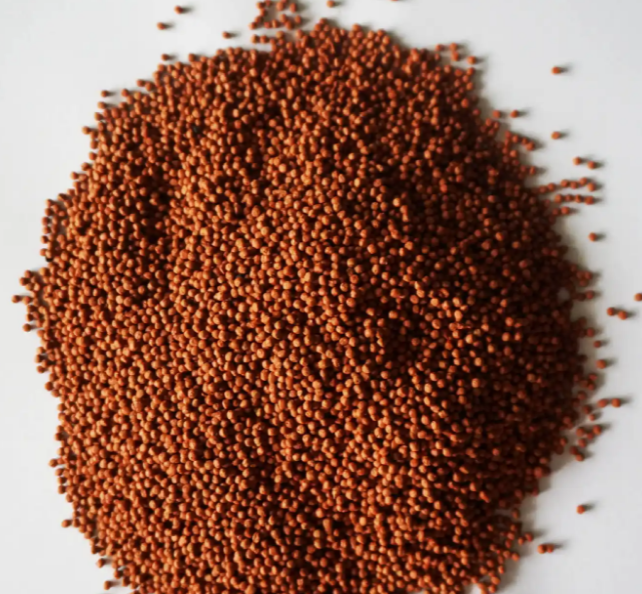
- The Rush for Throughput: Drying is the bottleneck of the production line. fish feed extruder machine To maximize output, plants may:
- Increase Dryer Temperature: This speeds up evaporation but raises the risk of nutrient damage and creates a brittle pellet with low durability (high fines generation).
- Shorten Residence Time: Pellets exit the dryer before internal moisture is fully equilibrated. This leads to “wet cores,” which are a major cause of mold growth and spontaneous heating during storage, leading to bag spoilage and potential aflatoxin formation.
- The Cost of Quality: Proper, controlled drying with multi-stage temperature and humidity zones, adequate residence time, and real-time moisture monitoring is capital and energy-intensive. This cost is often the first target for reduction in competitive markets.
3. The Energy and Sustainability Mirage
- The Claim: “Energy-efficient” or “sustainable” drying systems.
- The Investigation:
- Direct-Fired Dryers: The most common type burns natural gas or diesel, fish feed extruder machine with combustion gases directly contacting the feed pellets. While efficient, this introduces risks of nitrogen oxide (NOx) residues and incomplete combustion by-products (hydrocarbons) contaminating the feed. This is rarely disclosed.
- Heat Recovery: Truly advanced systems use heat recovered from the extruder’s cooling jacket or exhaust air to pre-heat incoming dryer air. This significantly reduces fuel consumption but requires a higher initial investment. Its adoption is less widespread than implied.
- Steam Drying vs. Air Drying: Some premium processes use indirect steam coils (air does not contact combustion gases). This is cleaner but has a higher operational cost, often reflected in the feed price.
4. The Post-Drying Deception: “Fresh” Coating
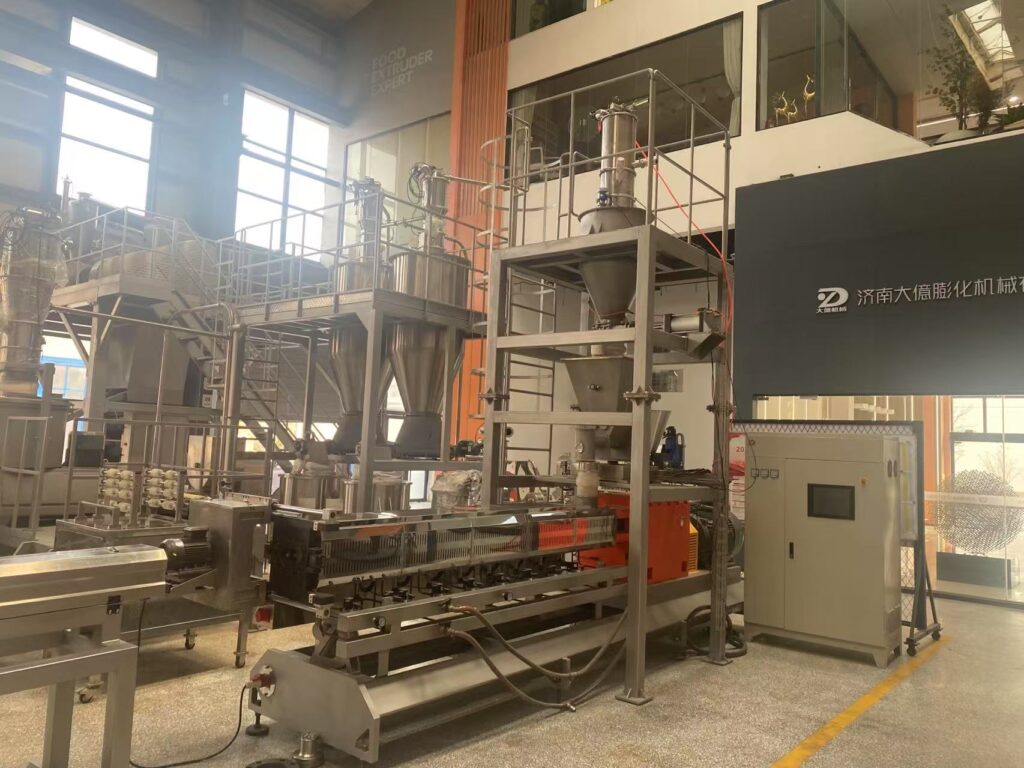
- The Practice: After drying, pellets are cooled and coated with fats, oils, and heat-sensitive additives (vitamins, flavors, probiotics).
- The Hidden Issue: If pellets are not cooled to a sufficiently low temperature (below 35°C) before coating, the residual heat degrades the freshly applied oils (leading to rancidity) and micronutrients. A rushed process sacrifices the very nutrients the coating is meant to deliver.
5. How to Discern Quality: Asking the Right Questions
As a buyer (farm or distributor), move beyond marketing claims:
- Ask for the Drying Profile: “What is your dryer’s temperature profile (inlet/outlet) and typical pellet core temperature?”
- Inquire about Process Control: “Do you use online Near-Infrared (NIR) moisture sensors for real-time adjustment, or rely on manual spot checks?”
- Question Post-Drying Logistics: “What is your pellet temperature before the fat/vitamin coating stage?”
- Request Stability Data: “Can you provide shelf-life stability tests for vitamins A and C after 3 and 6 months of storage?”
- Examine the Fines: A high percentage of dust/fines in the bag is a direct indicator of poor drying (over-drying causing brittleness) or improper cooling.
Conclusion: From Opaque to Transparent
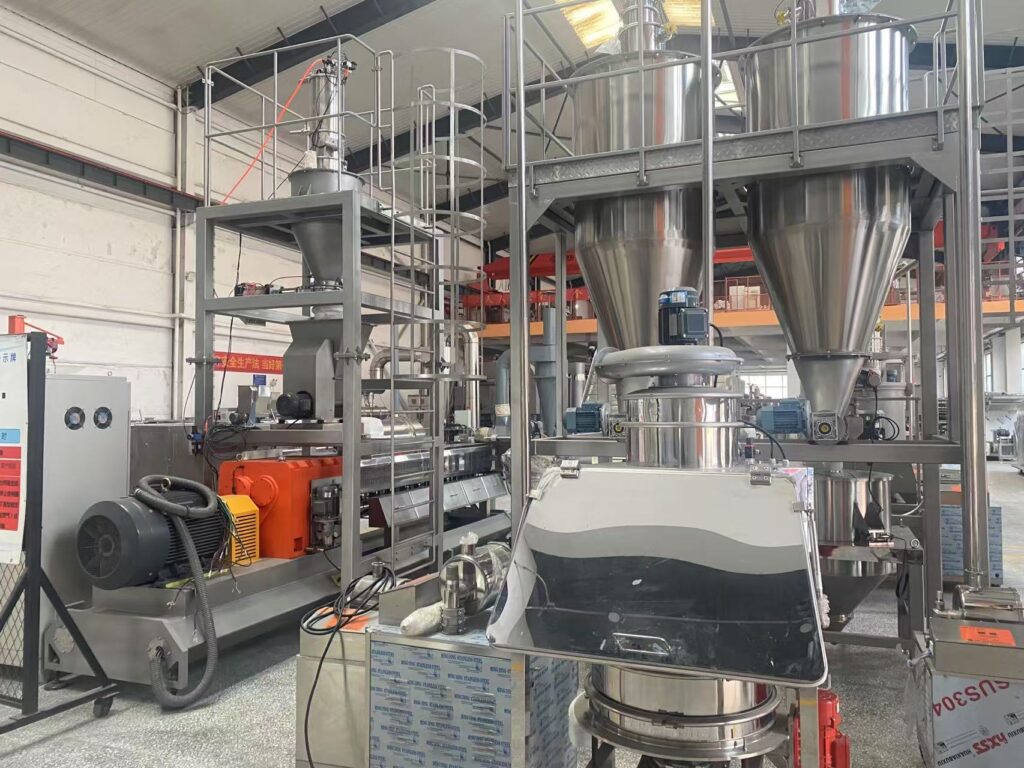
The fish feed dryer is not just a “hot box” to remove water. fish feed extruder machine It is a critical determinant of the feed’s final nutritional value, safety, and physical integrity. The industry’s opacity around this process allows cost-cutting and inefficient practices to flourish at the expense of feed quality and animal health. True progress lies in manufacturers adopting and transparently reporting controlled, multi-stage drying protocols with rigorous quality assurance, and in buyers demanding evidence-based practices over empty marketing claims. The path to more sustainable and effective aquaculture feed begins with demystifying this pivotal, yet under-scrutinized, stage of production.
 Moroccan Arabic
  English
  Russian
  Spanish
  Italian
  Arabic
  Portuguese
  German
  French
  Japanese
  Persian
  Belarusian