
Fortified rice is a powerful public health tool, designed to deliver essential vitamins and minerals like iron, folic acid, and B-vitamins to populations worldwide. fortified rice machine market However, its nutritional benefit is not automatic; it depends entirely on correct handling in the kitchen. Unlike ordinary rice, enriched rice requires specific practices to ensure the added nutrients are preserved and consumed. Here are the critical factors for successfully preparing enriched rice.
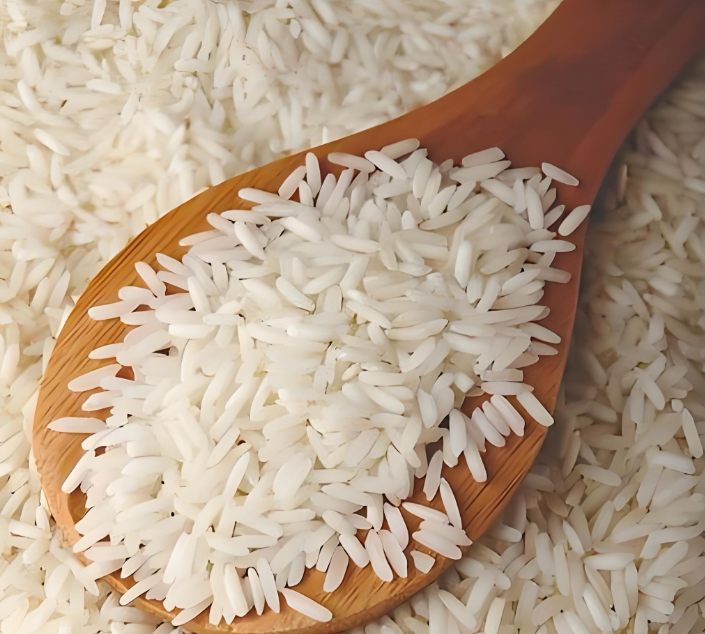
1. The Paramount Rule: No Rinsing
This is the single most important factor.
- Why: The enrichment nutrients (especially water-soluble B-vitamins and folic acid) are applied as a fine coating on the surface of the grain. Rinsing or soaking the rice before cooking will wash this vital layer straight down the drain, defeating the primary purpose of using enriched rice.
- Action: Measure the rice directly from the package into your cooking pot. Do not rinse.
2. Master the Water-to-Rice Ratio & Cooking Method
The goal is to cook the rice so that all the water, which now contains any dissolved nutrients, is fully absorbed.
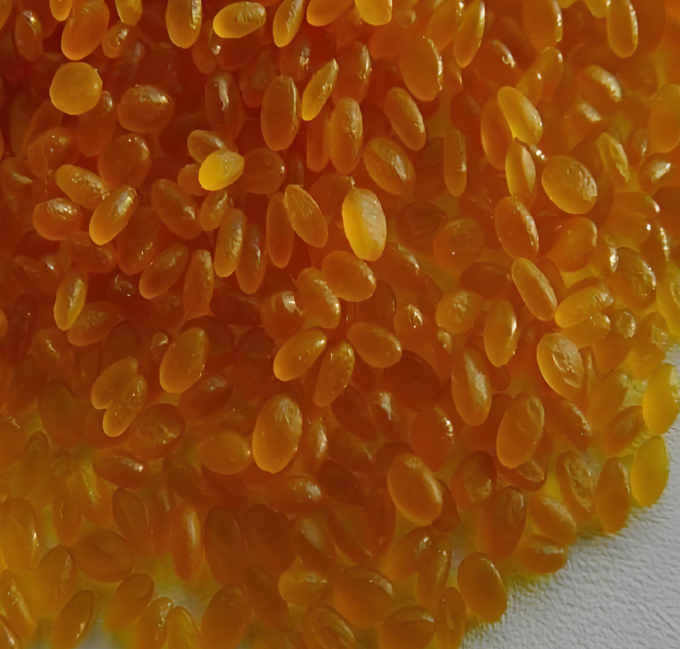
- Use the Absorption Method: Always cook enriched rice using the absorption method (like cooking pasta, but never draining it). fortified rice machine market This ensures any nutrients that do leach into the water during cooking are re-absorbed or remain with the cooked rice.
- Precise Measurement: Follow the package instructions for the water-to-rice ratio (typically 1:1.5 or 1:2). Using excessive water and then draining it is the most common way nutrients are lost.
- Optimal Tool: A rice cooker is ideal. It provides a consistent, sealed environment with perfect heat control, minimizing nutrient loss and guaranteeing the correct water absorption.
3. Gentle Handling During and After Cooking
- Minimal Disturbance: Avoid stirring the rice during cooking. Stirring can break the grains, release more starch, and make the rice mushy, potentially increasing nutrient loss into the gel-like starch.
- The Resting Period: After cooking, remove the pot from heat and let it stand, covered, for 5-10 minutes. This allows the grains to firm up and any remaining internal moisture to distribute evenly, ensuring you don’t have soggy or wet rice that might hold separated, nutrient-rich water.
4. Smart Storage and Reheating of Leftovers
Improper handling after cooking can also degrade quality and safety.
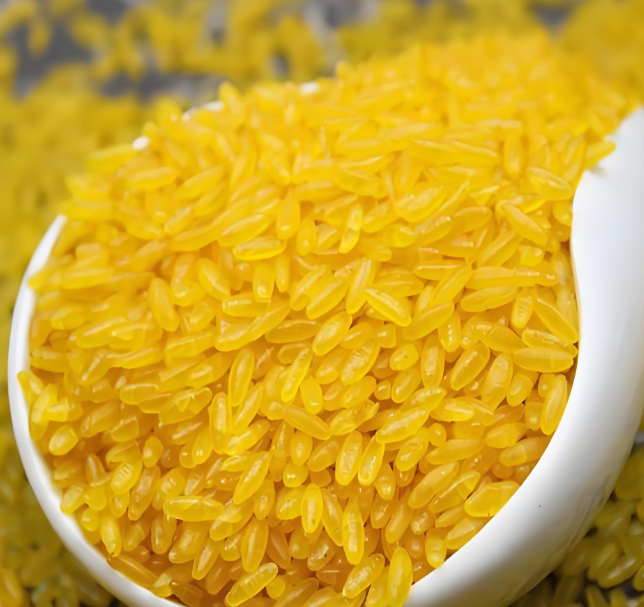
- Rapid Cooling: To prevent bacterial growth (like Bacillus cereus), spread leftover rice in a shallow container and refrigerate it within two hours of cooking.
- Reheat Thoughtfully: When reheating, add a tablespoon of water per cup of rice and reheat thoroughly until steaming hot. fortified rice machine market This helps restore texture without further drying. Reheat only the portion you will eat to avoid repeated heating cycles, which degrade quality.
5. Starting with the Right Product & Awareness
- Check the Label: Ensure you are actually using rice labeled “enriched” or “fortified.” Not all white rice is enriched.
- Understand the Type: Be aware that some enriched rice, like parboiled or converted rice, has nutrients driven into the grain through a steam-pressure process before milling, making them slightly more resistant to washing. However, the “no-rinse” rule still applies for maximum benefit.
Successfully preparing enriched rice requires a fundamental shift from traditional rice-washing habits. The key is to treat the cooking water as a valuable nutrient carrier, not a cleaning agent or waste product. By prioritizing no rinsing, perfecting the absorption method, and handling cooked rice with care, you ensure that this vital food fortification intervention achieves its goal: delivering essential nutrients to your plate, bite after bite.
 Moroccan Arabic
  English
  Russian
  Spanish
  Italian
  Arabic
  Portuguese
  German
  French
  Japanese
  Persian
  Belarusian