
Controlling Moisture in Breakfast Cereal Corn Flakes: A Critical Processing Guide
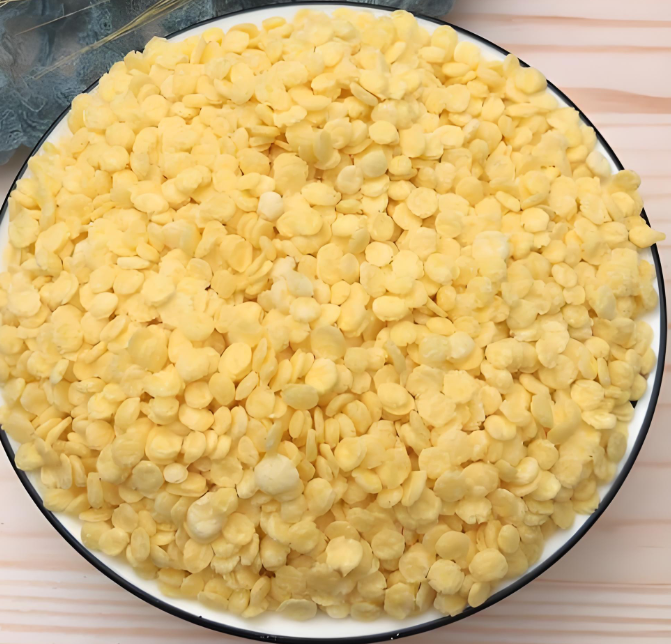
Moisture content is the single most critical factor determining the texture, shelf life, flavor, and structural integrity of breakfast cereal corn flakes. breakfast cereal making machine Precise control at every processing stage is essential to produce a consistently crisp, stable, and high-quality product. Here is a detailed guide on how moisture is controlled throughout the […]
How to Produce Breakfast Cereal Corn Flakes Using an Extruder
Breakfast cereal corn flakes are a popular and convenient morning meal, corn flakes machine known for their crisp texture and mild corn flavor. Modern industrial production relies heavily on extrusion technology, which offers high efficiency, consistency, and control. Here is a step-by-step overview of how corn flakes are produced using an extruder. 1. Ingredient Preparation […]
Several Methods for Drying Corn Flakes
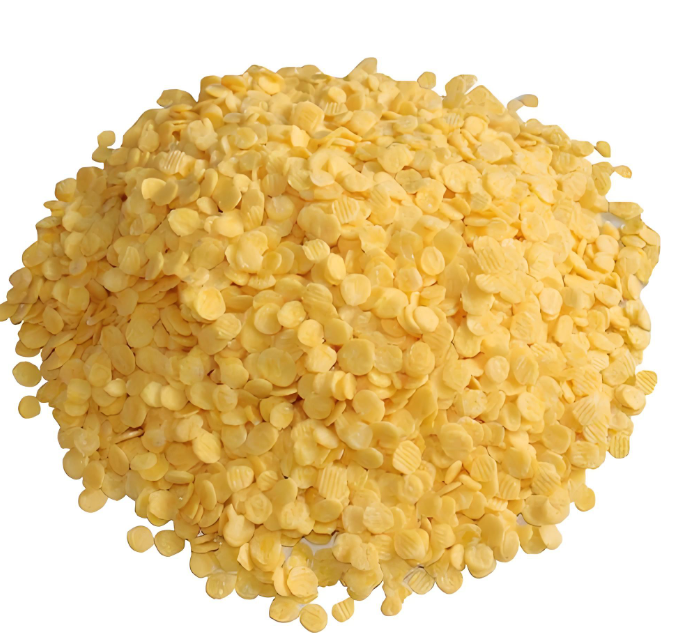
Drying is a critical step in corn flake production. After cooking and rolling, “green flakes” still contain too much moisture to be crisp or shelf-stable. cereal extrusion Drying (often followed by toasting) removes water in a controlled way so the flakes develop the right crunch, color, and bowl life without cracking or burning. Below are […]
How Corn Flakes Are Rolled (Flaked) in Manufacturing
Corn flakes are made by turning cooked corn grits into thin sheets and then toasting them into crisp flakes. corn flakes making machine The flaking (rolling) step is the key operation that gives corn flakes their familiar shape and crunch. Below is a practical explanation of how corn flakes are pressed into flakes in an […]
Processing Methods for Textured Soy Protein (TSP/TVP)
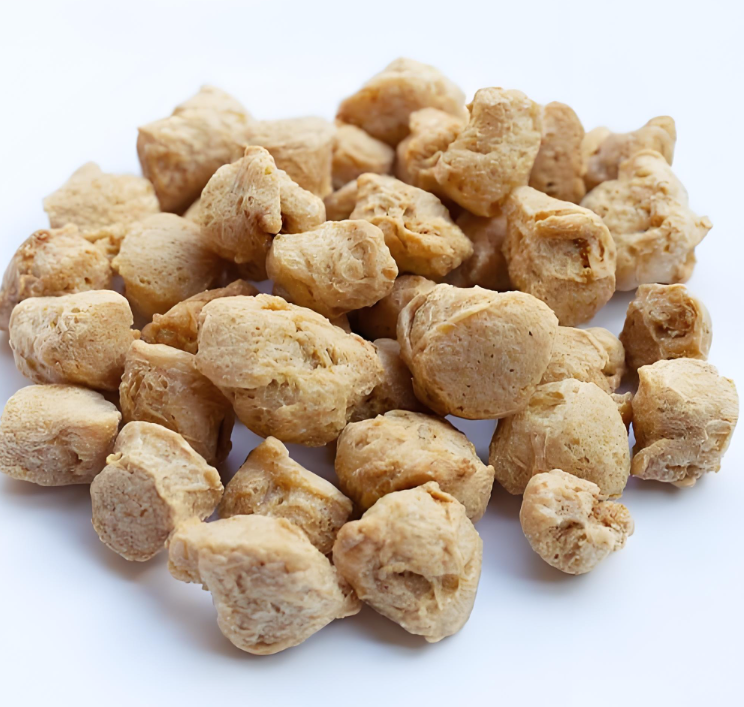
Textured soy protein—also called TSP or TVP (textured vegetable protein)—is a soy-based ingredient engineered to have a chewy, meat-like texture. It is widely used in plant-based foods, soybean extruder ready meals, snacks, and as an extender in meat products. Industrial production relies mainly on protein extraction + extrusion texturization, followed by drying and sizing. Below […]
What Equipment Do You Need to Invest in a Fish Feed Production Line?
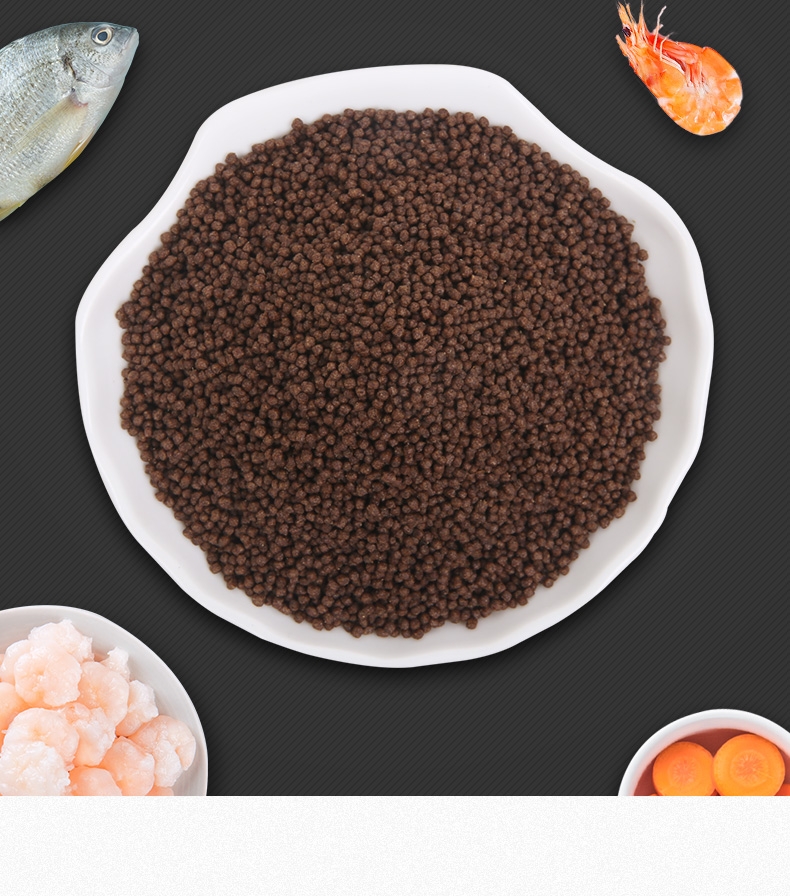
Investing in a fish feed (aquafeed) production line requires more than just one machine. A complete line is a system that handles raw materials, grinding, mixing, forming (pelleting or extrusion), drying/cooling, coating, sizing, packaging, and dust control. The exact equipment depends on whether you produce sinking pellets or floating/slow-sinking extruded feed, your target capacity, and […]
How Instant Rice Is Processed: From Grain to Quick-Cooking Meal
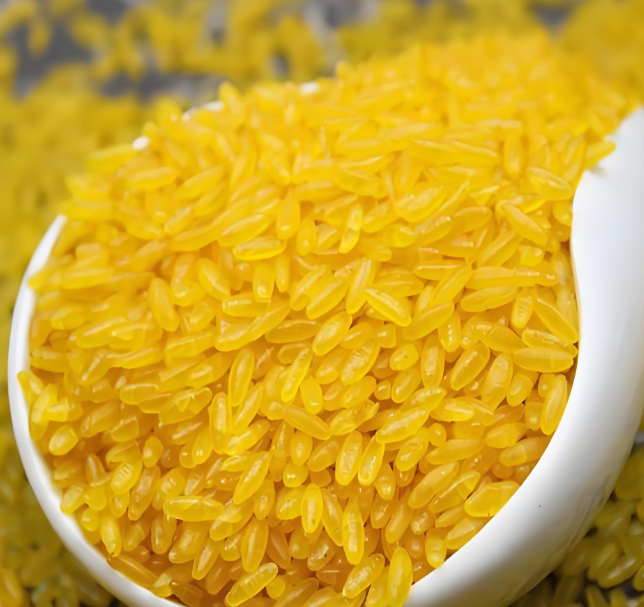
Instant rice (also called quick-cooking rice or ready-to-cook rice) is designed to rehydrate fast and reach an edible texture in minutes. Unlike ordinary rice, which must absorb water slowly during cooking, instant rice is pre-cooked and then dried so that hot water can quickly penetrate the grain. Below is a clear, step-by-step look at how […]
Fortified Rice vs. Instant Rice: What’s the Difference?
Rice is a staple food for billions of people, but not all rice products are the same. Two categories that often get confused are fortified rice and instant (ready-to-cook) rice. While both are designed to meet modern needs—better nutrition or greater convenience—they differ in purpose, processing, nutrition, taste, cost, and best use cases. 1) Core […]
 Moroccan Arabic
  English
  Russian
  Spanish
  Italian
  Arabic
  Portuguese
  German
  French
  Japanese
  Persian
  Belarusian