
Instant rice (also called quick-cooking rice or ready-to-cook rice) is designed to rehydrate fast and reach an edible texture in minutes. Unlike ordinary rice, which must absorb water slowly during cooking, instant rice is pre-cooked and then dried so that hot water can quickly penetrate the grain. Below is a clear, step-by-step look at how it is typically made at industrial scale.
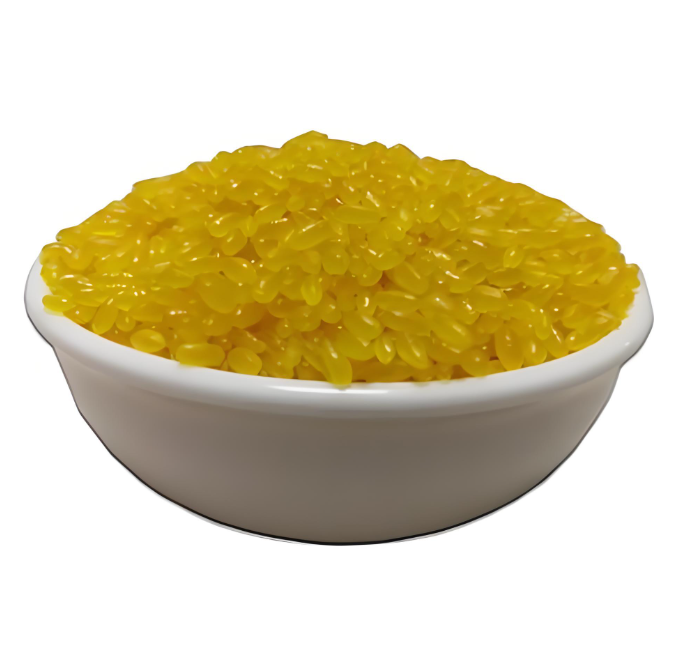
1) Raw Rice Selection and Cleaning
Manufacturers begin with standard rice varieties (often long-grain, medium-grain, or parboiled rice, depending on the desired texture). The rice is:
- Cleaned to remove dust, stones, and foreign material
- Graded for consistent kernel size
- Sometimes milled and polished (for white instant rice) or kept as brown rice (which generally requires different time/temperature controls)
Consistency matters because uniform grains cook and dry more evenly.
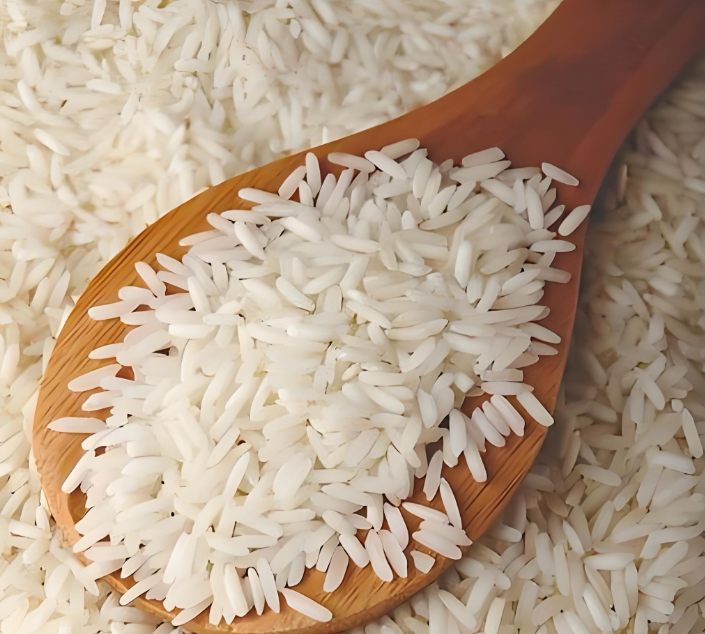
2) Hydration (Soaking) to Prepare for Pre-Cooking
Many processes include a controlled soak or hydration step. The goal is to:
- Increase moisture content so heat penetrates evenly
- Reduce cracking during cooking and drying
- Improve uniform gelatinization (the key starch change that makes rice soften)
Soaking time and temperature vary by rice type and plant design.
3) Pre-Cooking (Par-Cooking or Full Cooking)
The defining step in instant rice production is pre-cooking, usually done by:
- Steaming,
- Boiling, or
- A combination of steam and hot water
During this stage, rice starch undergoes gelatinization—the structure changes from hard and crystalline to soft and expanded. This is crucial because, after drying, the grain’s internal structure becomes more porous and can later rehydrate quickly.
Manufacturers may choose:
- Fully cooked rice (fastest rehydration), or
- Partially cooked rice (different texture and slightly longer prep time)
4) Rapid Cooling and Draining
After cooking, the rice is typically:
- Drained to remove surface water
- Cooled to stabilize the grain structure and prevent overcooking
- Handled gently to reduce breakage
This step helps preserve shape and improves final texture.
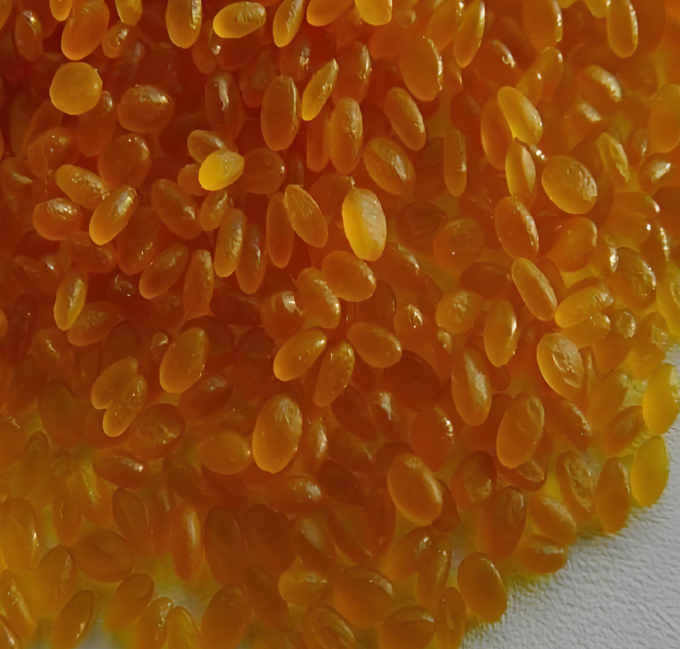
5) Drying (The Step That Makes It “Instant”)
Next, the cooked rice is dried to a stable moisture level for storage. Drying methods may include:
- Hot-air belt drying (common)
- Fluidized-bed drying (efficient, good for uniform drying)
- Other controlled dehydration systems
Drying does two things:
- Removes moisture so the product is shelf-stable
- Creates a porous internal structure (tiny channels and gaps) that allows hot water to rush back in during preparation
The temperature and drying rate are carefully controlled; drying too aggressively can cause excessive cracking or poor eating quality.
6) Optional Texturizing Steps (Varies by Brand)
To improve rehydration speed or mouthfeel, some producers use additional steps such as:
- Gentle agitation to separate grains and reduce clumping
- Flattening/flaking or micro-structuring (in certain quick-cook styles)
- Parboiling-based approaches for firmer texture after rehydration
Not all instant rice is flaked—many products keep grains intact and rely mainly on cooking + drying.
7) Sorting, Quality Control, and Packaging
Before packaging, instant rice is commonly:
- Screened to remove excess broken kernels and powder
- Checked for moisture content, microbial safety, and rehydration performance (time-to-tender, texture, stickiness)
Finally, it is packed as:
- Bulk bags,
- Boxed dry instant rice, or
- Single-serve cups/pouches (often with oxygen/moisture barriers; some include seasonings)
Why Instant Rice Cooks So Fast
Traditional rice must gelatinize during home cooking. Instant rice has already gone through that transformation. Because it is pre-cooked and then dried into a porous structure, it only needs to rehydrate and warm through, which takes minutes instead of 15–45 minutes.
 Arabic
  English
  Russian
  Spanish
  Italian
  Portuguese
  German
  French
  Japanese
  Moroccan Arabic
  Persian
  Belarusian