
Rice is a staple food for over half of the world’s population, but it often lacks essential micronutrients like iron, folic acid, and vitamin B12. To combat widespread deficiencies, fortified rice making machine especially in regions heavily dependent on rice, the process of rice fortification has been developed. Here is a step-by-step explanation of how fortified rice is typically produced.
1. Nutrient Selection and Preparation
The process begins with selecting vital nutrients that are commonly deficient in target populations. These usually include:
- Iron: Often as ferric pyrophosphate or encapsulated ferrous fumarate to prevent color change and ensure absorption.
- Folic Acid (Vitamin B9): Crucial for preventing neural tube defects.
- Vitamin B12: Important for nerve function and blood cell formation.
- Vitamin A: For vision and immune health (sometimes added).
- Zinc: For immune and metabolic functions.
These nutrients are ground into a fine powder and blended to create a uniform “premix.”
2. Creating the “Fortificant” or Nutrient Kernels
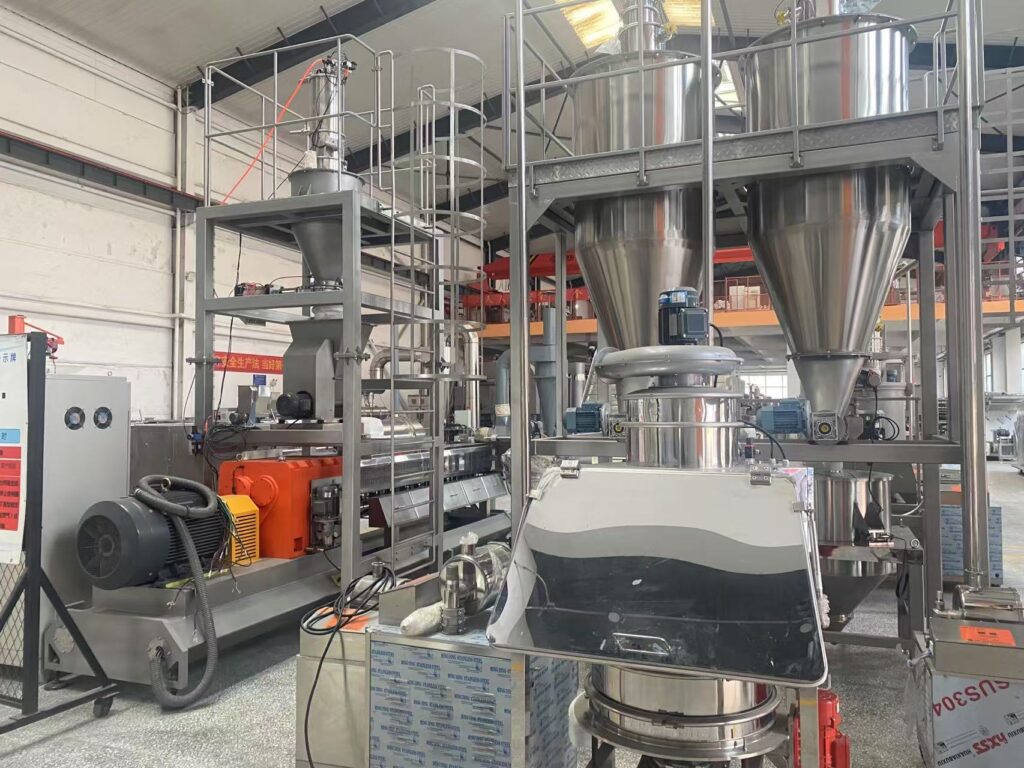
This is the core technological step. The nutrient premix is not simply coated onto regular rice grains, as this would wash off during rinsing or cooking. Instead, fortified rice making machine a process called “hot extrusion” is commonly used:
- The vitamin and mineral premix is mixed with rice flour and water to form a dough.
- This dough is passed through an extruder—a machine that uses heat and pressure to shape it.
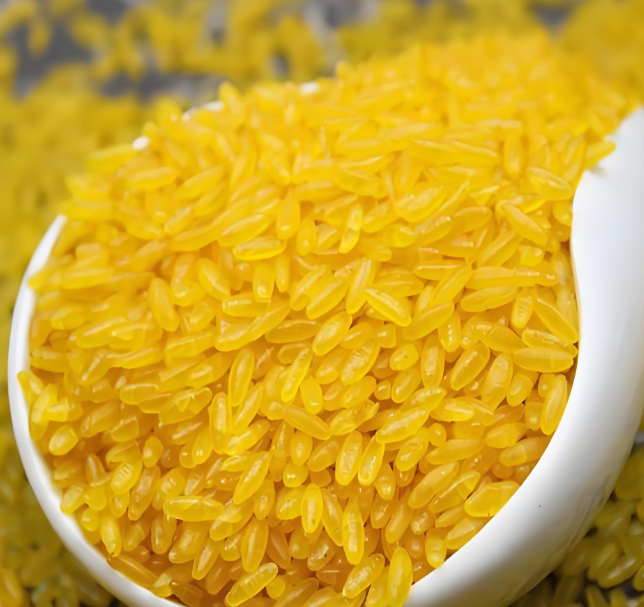
- The extruder forms the dough into tiny pellets or kernels that perfectly mimic the shape, size, and color of natural rice grains. These are the “fortificants” or nutrient-dense kernels.
3. Blending with Natural Rice
The final step is mixing these specially made fortificant kernels with regular, non-fortified rice.
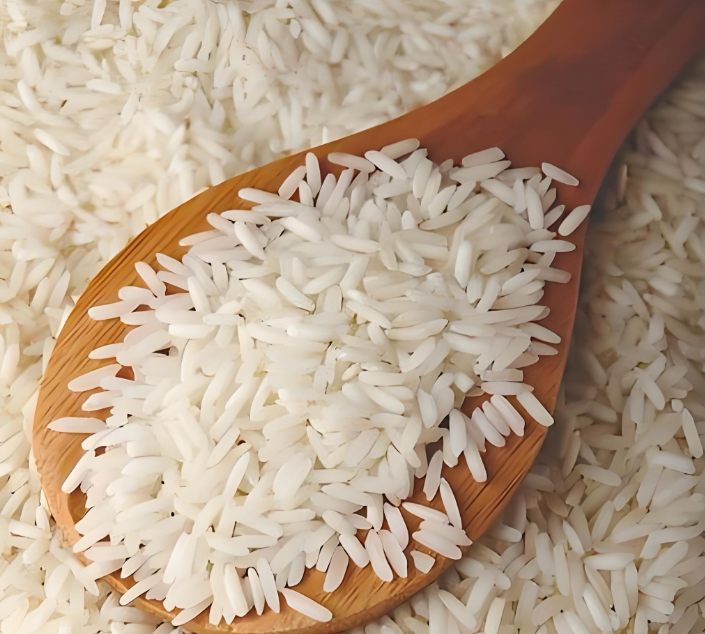
- The ratio is carefully controlled, typically ranging from 1:100 to 1:200 (e.g., 1 kg of fortificant kernels mixed with 99 to 199 kg of regular rice). This low ratio ensures the final product looks, tastes, and cooks like ordinary rice.
- Blending happens in large, rotating drums to achieve a perfectly even distribution, ensuring every serving contains the intended micronutrients.
4. Quality Control and Packaging
The blended rice undergoes rigorous testing to verify:
- Uniform mixing: No separation of kernels.
- Nutrient levels: Confirming they meet precise national or international standards.
- Sensory qualities: Ensuring no change in taste, smell, or appearance.
Once approved, the fortified rice is packaged in airtight bags to protect its nutritional value and shipped for distribution.
Key Advantages:
- “Invisible” Nutrition: The fortified kernels are indistinguishable in cooked rice.
- Minimal Behavior Change: People don’t need to alter cooking or eating habits.
- Cost-Effective: Adds only a small premium to the cost of rice.
- Stability: The nutrients are designed to survive typical rinsing, cooking, fortified rice making machine and storage conditions.
Fortified rice production is a sophisticated, science-driven public health intervention. By transforming vital nutrients into rice-like kernels and blending them seamlessly with regular rice, it delivers essential vitamins and minerals directly to billions of plates, effectively and discreetly combating “hidden hunger” and improving global nutritional securit
 Arabic
  English
  Russian
  Spanish
  Italian
  Portuguese
  German
  French
  Japanese
  Moroccan Arabic
  Persian
  Belarusian