
Textured soy protein (TSP), also known as soy protein isolate or textured vegetable protein, is widely used in the food industry as a low-cost, high-protein ingredient. soya chunks making machine It is commonly found in meat analogs, processed foods, snacks, and ready-to-eat products. While it is often promoted as a healthy and sustainable protein source, there are several important issues that deserve closer examination.
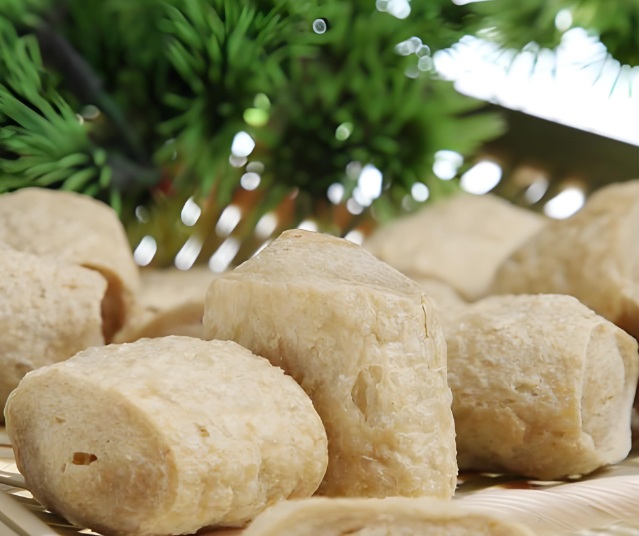
1. Highly Processed Nature
Textured soy protein is far removed from whole soybeans. Its production involves multiple industrial steps, including defatting, chemical extraction, high-temperature processing, and extrusion. These processes significantly alter the natural structure of soy, raising concerns about nutrient loss and the formation of undesirable by-products.
2. Nutritional Imbalance
Although TSP is high in protein content, its nutritional profile is not as balanced as often claimed. During processing, soya chunks making machine beneficial components such as natural fats, fiber, and micronutrients may be reduced or destroyed. In addition, soy protein contains anti-nutritional factors that can interfere with mineral absorption if consumed excessively.
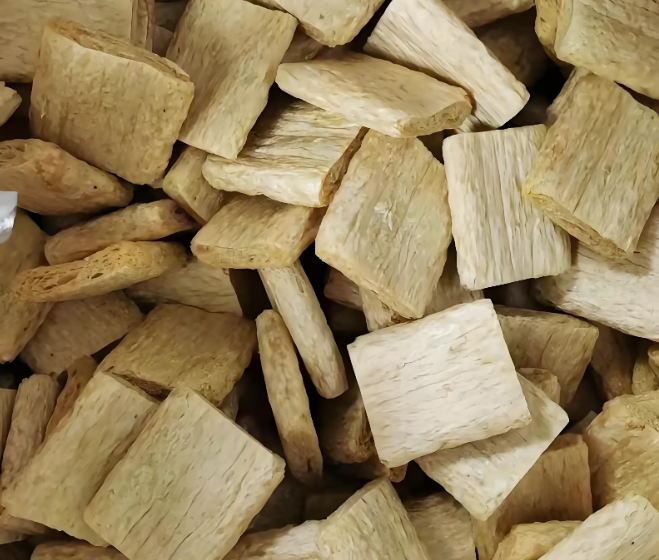
3. Additives and Flavor Masking
On its own, textured soy protein has a bland or beany flavor. To make it palatable, manufacturers frequently add flavor enhancers, salt, oils, and other additives. This can result in products that are high in sodium and artificial ingredients, reducing their overall health value.
4. Allergen and Sensitivity Concerns
Soy is one of the most common food allergens worldwide. For sensitive individuals, consumption of soy-based proteins may cause digestive discomfort or allergic reactions. soya chunks making machine Despite this, soy protein is often used as a hidden ingredient in processed foods, limiting informed consumer choice.
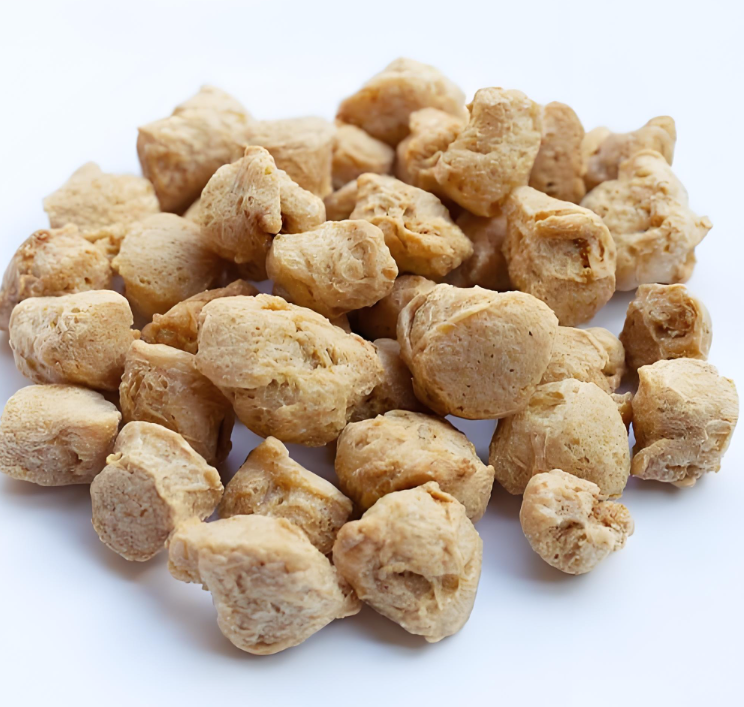
5. Hormonal and Long-Term Consumption Debate
Soy contains isoflavones, which are plant compounds with estrogen-like activity. While moderate consumption is generally considered safe, excessive or long-term intake of highly concentrated soy protein remains controversial. Ongoing scientific debate suggests that more caution and transparency are needed, especially for children and vulnerable populations.
6. Marketing Versus Reality
Textured soy protein is frequently marketed as “natural,” “healthy,” or “meat-like,” yet these claims often overlook its industrial origin and heavy processing. soya chunks making machine Cost efficiency and functional performance are the primary reasons for its widespread use, rather than superior nutritional quality.
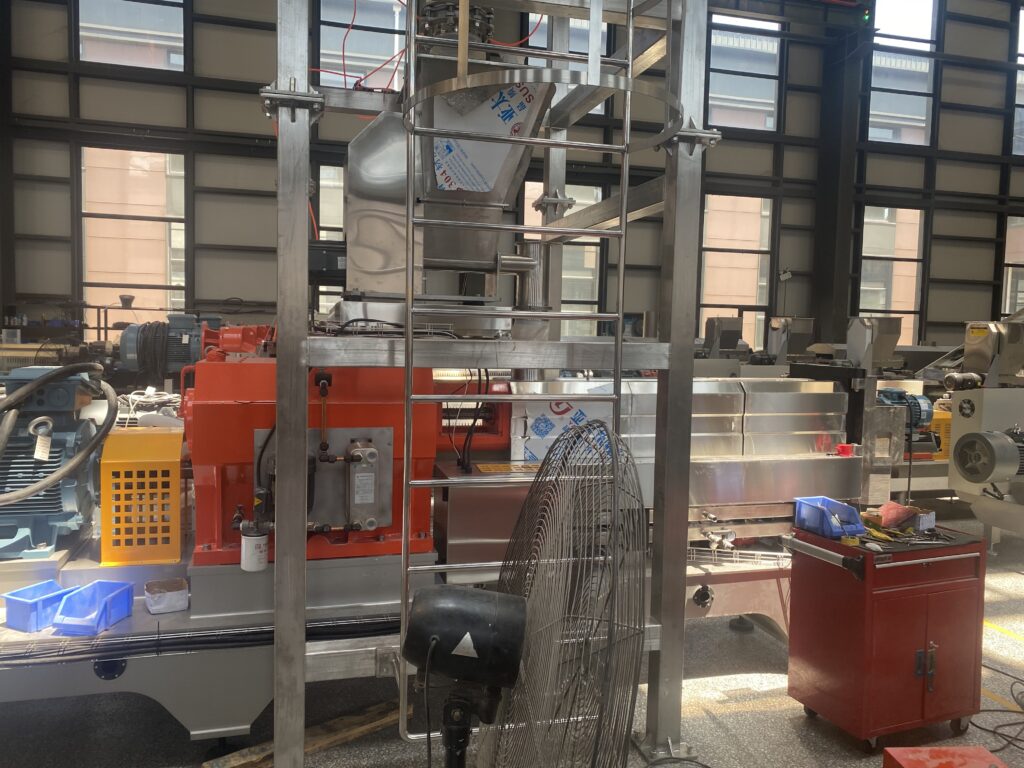
Textured soy protein is not inherently harmful, but it is not the ideal health food it is often portrayed to be. Its highly processed nature, reliance on additives, and unresolved health debates highlight the need for clearer labeling, responsible use, and consumer awareness. A balanced diet should prioritize minimally processed protein sources whenever possible.
 Arabic
  English
  Russian
  Spanish
  Italian
  Portuguese
  German
  French
  Japanese
  Moroccan Arabic
  Persian
  Belarusian