
Breadcrumbs are a staple in kitchens and food factories worldwide. They provide the satisfying crunch on a chicken cutlet, the golden crust on a macaroni and cheese bake, and the binding structure in meatballs. While the concept seems simple—dried bread crushed into pieces—the process of creating consistent, high-quality breadcrumbs is a sophisticated industrial operation.
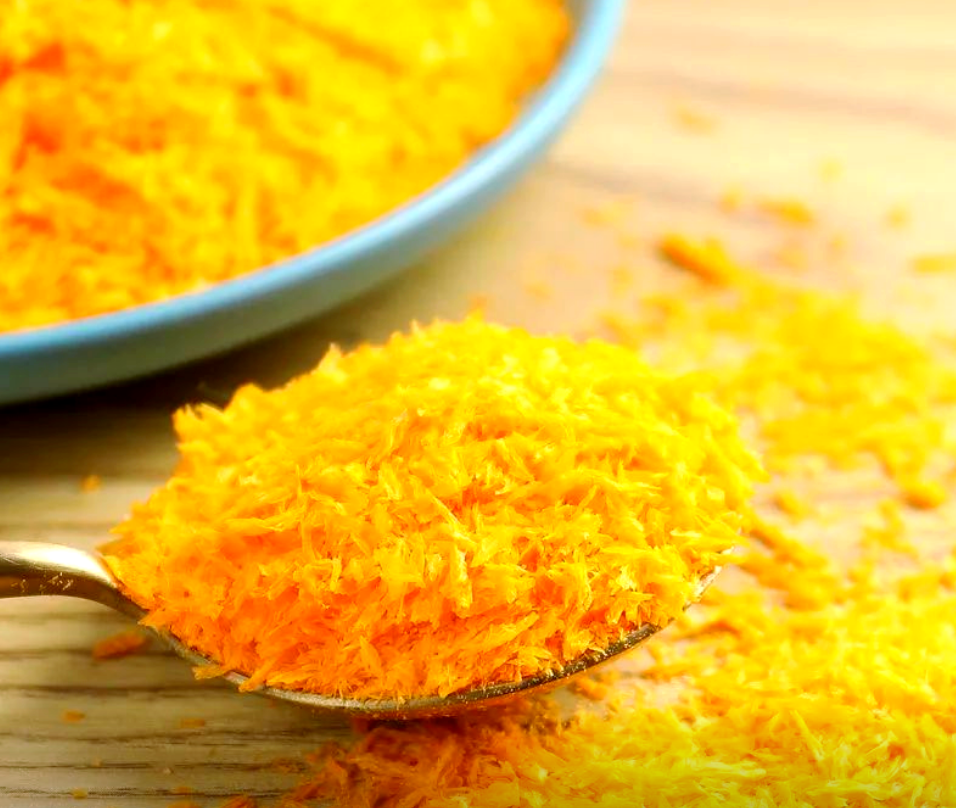
The transformation from a loaf of bread to a uniform crumb involves a delicate balance of drying, particle size reduction, and classification. Getting it wrong can result in dust, inconsistent coating adhesion, or a gritty mouthfeel. Here is a detailed look at how breadcrumbs are made, focusing specifically on the critical “crushing” or milling stage.
1. The Starting Point: Drying the Base Material
Before a single crumb is created, the bread must be prepared. The milling process cannot begin with fresh, moist bread; it would gum up the machinery and result in a paste rather than a crumb.
The bread (which can be fresh, stale, or specifically manufactured for crumbing) is first processed through a drying system.
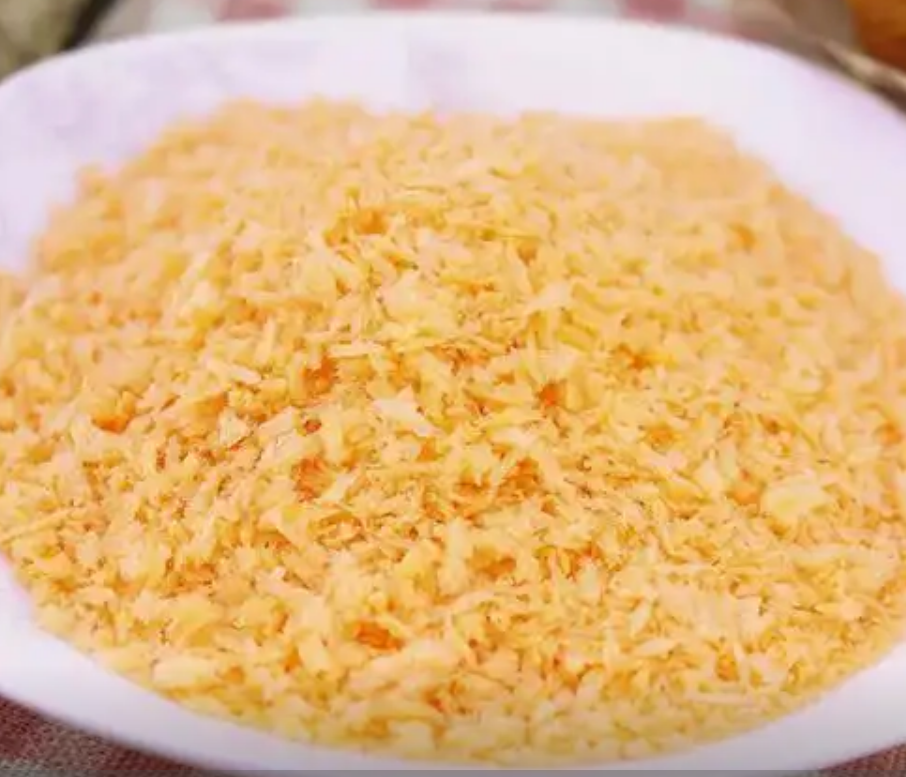
- Types of Bread: Different products require different bases. Fresh bread yields soft, Japanese-style panko crumbs. Baked bread (like biscuits or rusks) yields harder, more traditional crumbs with a longer shelf life.
- Drying Process: The bread is typically passed through a continuous oven or kiln to reduce its moisture content. For traditional breadcrumbs, moisture is often brought down to 3-5% to ensure brittleness. For panko, the bread is often processed using an electrical current (electroporation) or a specialized baking method to create a specific cellular structure without fully dehydrating it first.
The Goal: A uniform, brittle, or structurally stable input that will break cleanly under mechanical force.
2. The Core Technology: Size Reduction (Crushing/Milling)
This is the heart of the operation. The method of crushing determines the crumb’s shape, texture, and absorption capacity. There is no single “crusher”; rather, manufacturers select equipment based on the desired crumb type.
A. For Traditional Breadcrumbs (Fine to Medium)
Traditional breadcrumbs are characterized by a spherical, granular shape with a relatively smooth surface. They are produced using high-impact or shearing forces.
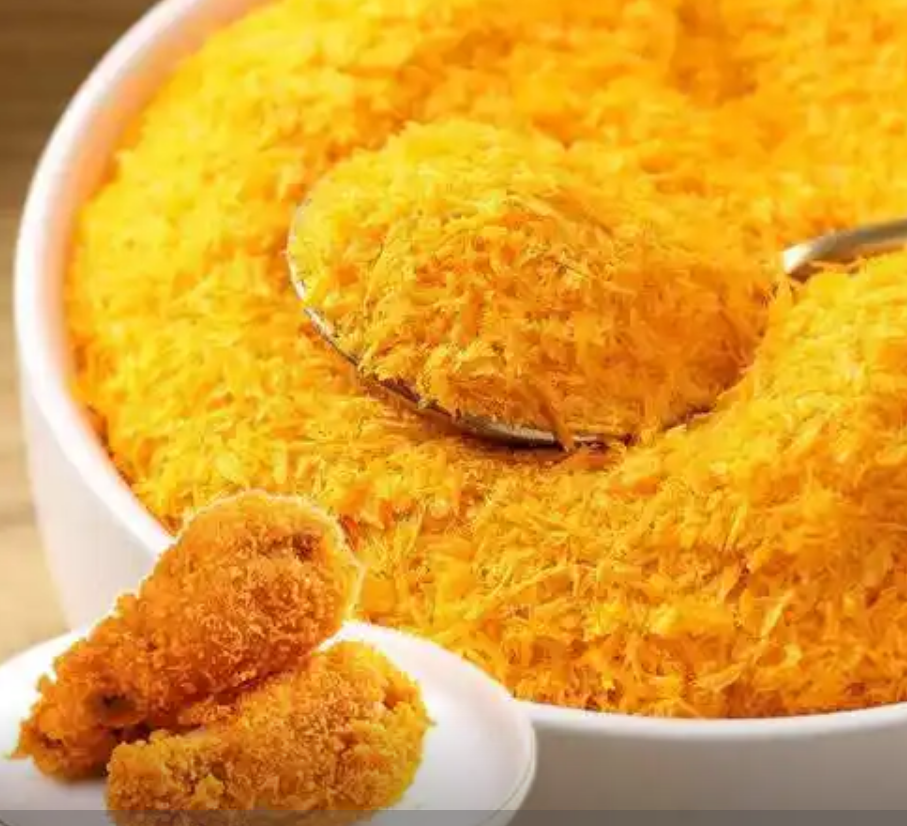
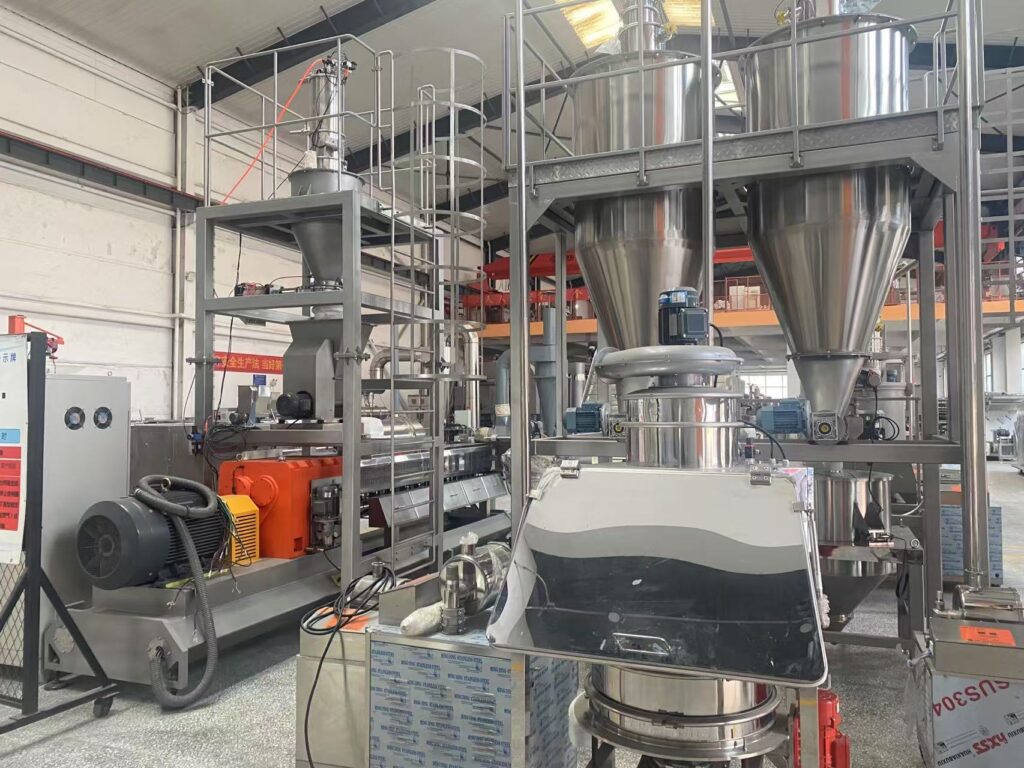
- Hammer Mills: This is the most common equipment for standard breadcrumbs. The dried bread enters a chamber containing a high-speed rotor with swinging hammers.
- Mechanism: As the rotor spins (often at speeds of 3,000 to 4,000 RPM), the hammers smash the dried bread against a perforated screen.
- Result: The impact shatters the bread into small, angular granules. The size of the holes in the screen dictates the final particle size. Once the crumb is small enough to pass through the screen, it exits the chamber.
- Pros: Highly efficient, scalable, and excellent for producing fine, uniform granules.
- Roller Mills: For a more uniform, less dusty product, some manufacturers use roller mills (similar to those used for wheat flour).
- Mechanism: The dried bread passes between a series of stacked, corrugated steel rollers rotating toward each other.
- Result: This method uses compression and shearing rather than impact. It tends to produce fewer fines (dust) and yields a very consistent granulation, ideal for premium coatings.
B. For Panko (Coarse & Flaky)
Panko breadcrumbs are distinct. They are not “crushed” in the traditional sense; they are “shaved” or “torn.” This results in a long, sliver-like shape that creates a light, extra-crunchy texture when fried.
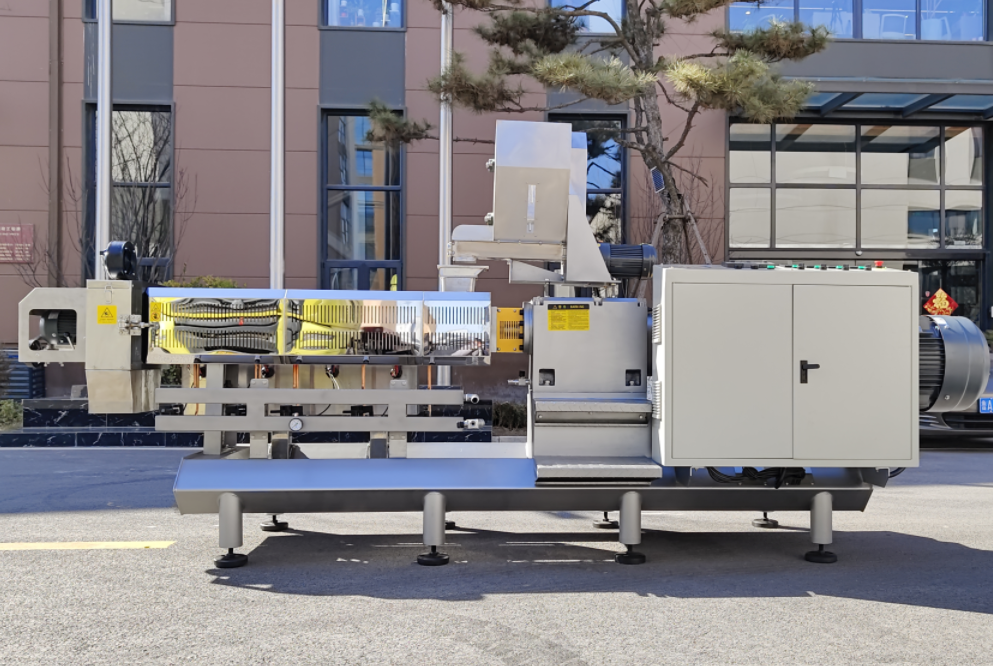
- The “Crushing” Process: Panko starts with a specific bread (usually baked using an electrical current to create a large, airy loaf without a hard crust). Instead of being hammered, the bread is passed through a series of guillotine cutters or flakers.
- Mechanism: The bread is first sliced into thick slabs. These slabs then pass through a machine with rotating blades that “flake” or “tear” the bread along its grain.
- Result: Unlike the random fracture of a hammer mill, this process yields elongated, jagged flakes that do not absorb oil as quickly as spherical crumbs, resulting in a signature crispy, dry texture.
3. The Gatekeeper: Sieving & Classification
After the milling or crushing step, the product is a mixture of various particle sizes—from fine dust to large chunks that didn’t break down fully. This mixture must be sorted to ensure commercial consistency.
- Vibratory Sieves: The crushed material is fed into a multi-deck vibrating sifter.
- Top Deck: Catches oversize pieces that are too large. These are typically recycled back into the mill for another pass.
- Middle Deck: Captures the “on-size” product—the perfect crumb size designated for the customer (e.g., 1mm to 3mm).
- Bottom Pan: Collects the fines (dust). Depending on the application, fines may be removed entirely (for premium panko) or blended back in at a controlled rate (for economy-grade coating mixes).
This step is crucial. A batch of breadcrumbs with inconsistent particle size will lead to poor coating adhesion—large crumbs will fall off the food product during frying, while dust will burn.
4. The Variable: Moisture Management
Crushing dry bread is easy; crushing “just right” bread is an art. The moisture content of the bread during milling directly dictates the physical characteristics of the crumb.
- Low Moisture (<5%): The material is brittle. Crushing yields a high percentage of fines (dust). This is ideal for fine breading mixes or industrial binders.
- Controlled Moisture (8-12%): For panko and coarse crumbs, the bread retains some moisture during the flaking process. This slight plasticity prevents the bread from shattering into dust. Instead, it tears into large, distinct flakes.
- Post-Milling Drying: Some processes involve milling the bread before final drying. The “green” crumb is then dried in a fluidized bed dryer to lock in the shape and achieve the final shelf-stable moisture level.
5. Quality Control: The Final Check
The final step before packaging is rigorous quality assurance. Because breadcrumbs are a “functional” ingredient (they affect how a product fries and tastes), consistency is measured down to the micrometer.
- Particle Size Analysis: Samples are run through a sieve shaker to ensure the distribution matches the specification (e.g., 70% between 500µ and 1.4mm).
- Bulk Density: This measures how tightly the crumbs pack. Lighter, fluffier crumbs (like panko) indicate higher air volume, which correlates to crispiness.
- Absorption Testing: Quality control teams test how much water or batter the crumb absorbs. This predicts how well the breading will adhere to chicken, fish, or vegetables during commercial frying operations.
Conclusion
Crushing breadcrumbs is far more complex than simply breaking bread. It is a precise industrial process that combines thermal preparation, mechanical engineering (hammer vs. shear vs. flaking), and strict classification.
Whether it is the granular uniformity of a hammer-milled traditional crumb or the delicate, airy flakes of a panko produced by guillotine cutters, the goal remains the same: to create a consistent, functional, and delicious coating. By mastering the variables of moisture, impact force, and particle separation, manufacturers transform a humble loaf into a high-performance ingredient that delivers the perfect crunch every time. If you are interested in the bread crumbs making machine , you can contact me , i will give you good advice and solutions .
1.Will you help us with the installation ?
Yes , We will send engineers to install and debug the equipment, and assist in training your staff.
2.Are you a factory or trading company?
We are a factory.
3.What certificate do you have?
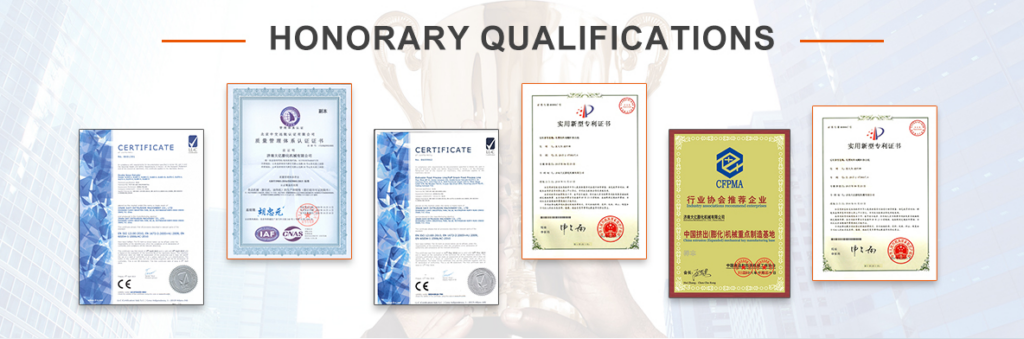
We have ISO and CE certificate.
4.How long is the warranty period?
All of our machines have one year warranty.
5.What’s the main market of your company?
Our customers all over the world.
6.How much production capacity of your company one year?
This depends on your needs.
 English
  Russian
  Spanish
  Italian
  Arabic
  Portuguese
  German
  French
  Japanese
  Moroccan Arabic
  Persian
  Belarusian