
Modified starch is a versatile and indispensable ingredient that has evolved far beyond its native form. By altering the structure of starch granules through physical, chemical, or enzymatic methods, scientists and food technologists can overcome the inherent limitations of native starch, such as poor stability, insolubility in cold water, and a tendency to retrograde . This transformation unlocks a vast array of applications across numerous industries, from enhancing the texture of everyday foods to playing critical roles in pharmaceuticals and sustainable manufacturing.
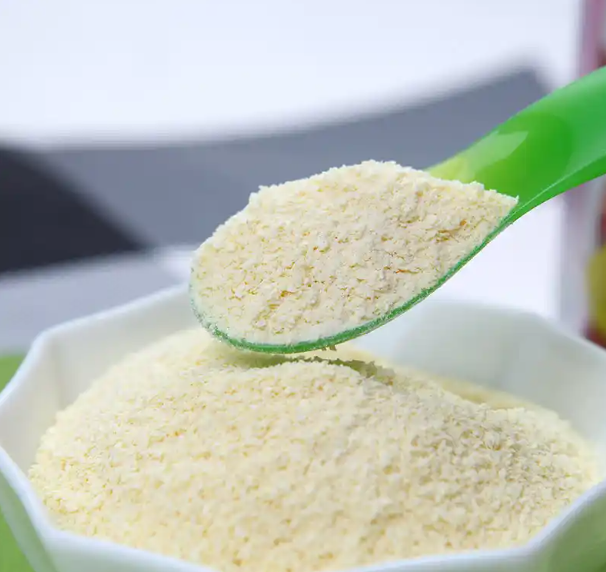
The following table summarizes the primary functions and applications of modified starch across key industries.
| Industry | Key Functions | Common Applications |
|---|---|---|
| Food Industry | Thickening, stabilizing, texturizing, fat replacement, shelf-life extension | Sauces, dressings, dairy products, baked goods, frozen foods, instant puddings |
| Pharmaceuticals | Binding, disintegrating, encapsulating for controlled drug release | Tablets (as binder/disintegrant), capsule diluents, drug microencapsulation |
| Paper Industry | Improving strength, enhancing retention, surface sizing | Paper and paperboard manufacturing, improving surface properties for printing |
| Textile Industry | Sizing agents to protect yarns during weaving | Coating warp yarns to reduce breakage, fabric finishing |
| Other Industries | Adhesives, absorbents, binders, biodegradable materials | Construction materials (bonding, sealants), bio-plastics, adhesives, oil drilling fluids |
The Food Industry: Enhancing Texture, Stability, and Convenience
The food industry is the largest consumer of modified starch, where it acts as a workhorse ingredient to improve quality and convenience.
- Texture and Mouthfeel: One of its primary roles is as a thickener, stabilizer, and texture modifier. In products like salad dressings, sauces, and puddings, modified starch provides the desired viscosity and a smooth, appealing mouthfeel that native starches cannot guarantee under processing conditions . It ensures that the product remains consistent from the first spoonful to the last.
- Freeze-Thaw Stability: For frozen foods, modified starch is a critical component. It prevents the separation and syneresis (weeping) that can occur when products are thawed, maintaining the integrity of gravies, pies, and frozen entrees . Modified starches with enhanced freeze-thaw stability ensure the product’s texture remains intact.
- Shelf-Life Extension: In baked goods, modified starch helps retain moisture and softness, delaying the staling process and extending shelf life . This keeps breads, cakes, and pastries fresher for longer periods.
- Fat Replacement: Modified starches can be used to create low-fat or reduced-calorie versions of foods like mayonnaise, yogurt, and spreads. By mimicking the creamy texture of fat, they allow for healthier options without sacrificing sensory pleasure .
- Convenience Foods: For instant foods like puddings, soup mixes, and pie fillings, pregelatinized starches (a physically modified starch) are used. These starches have been precooked and dried, allowing them to thicken in cold water or milk without the need for heating, offering unparalleled convenience to consumers .
Pharmaceuticals and Healthcare: Enabling Drug Delivery
In the pharmaceutical sector, modified starch is valued for its non-toxic, biocompatible, and functional properties .
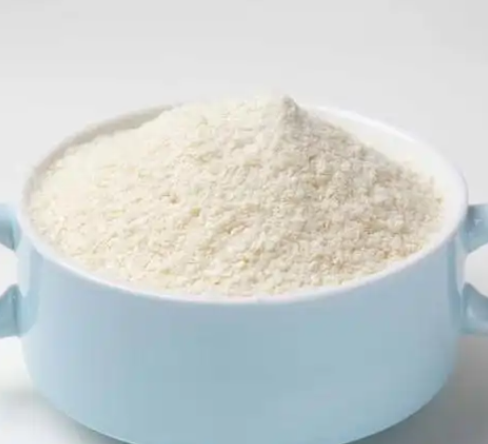
- Tablet Excipient: It serves multiple roles in tablet formulation. As a binder, it holds the ingredients together. As a disintegrant, it absorbs water rapidly, causing the tablet to swell and break apart in the digestive tract, ensuring the effective release of the active drug for absorption . It is also used as a diluent to add bulk to very potent, small-dose medications .
- Controlled Drug Release: Advanced enzymatic modifications allow for the creation of starches that can encapsulate active ingredients and release them in a controlled manner, improving the bioavailability and targeting efficiency of certain drugs .
Industrial Applications: From Paper to Construction
Beyond food and pharma, modified starch is a key functional additive in various industrial processes.
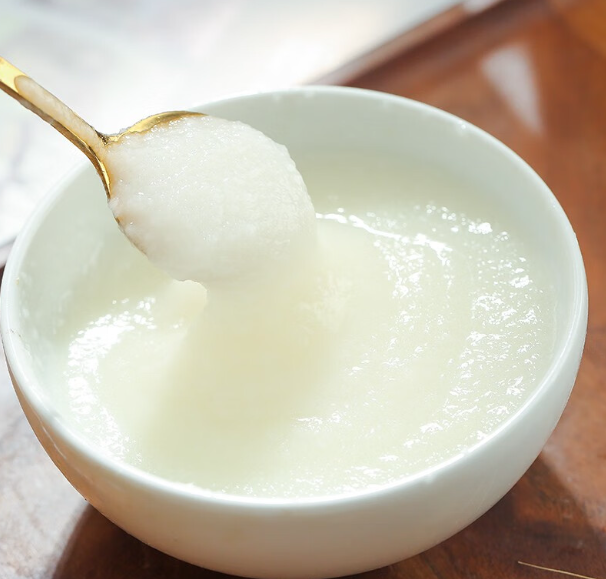
- Paper and Packaging: The paper industry is a major user of modified starch, particularly cationic starch. It is added to the paper pulp to improve fiber bonding and retention of fine particles, resulting in stronger paper. It is also used in surface sizing to coat the paper, creating a smooth, printable surface and improving its strength .
- Textile Manufacturing: In textiles, modified starch is used as a sizing agent. It is applied to warp yarns to coat and protect them from the high mechanical stress of weaving, reducing thread breakage and improving efficiency in the loom . After weaving, it can be easily removed (desized).
- Adhesives and Construction: Modified starch is a primary component in many adhesives, particularly for corrugated board and paper products. It also finds applications in construction as a sealant and to improve the bonding strength of materials like gypsum and cement .
Emerging and Sustainable Applications
The drive for sustainability is opening new frontiers for modified starch. It is a key raw material for creating biodegradable plastics and coatings, offering an eco-friendly alternative to petroleum-based materials . Enzymatic modification, a “green” technique, is gaining traction for producing clean-label starches with tailored properties like improved digestibility profiles, including resistant starch which functions as dietary fiber . It is even being explored in emerging fields like bioelectronics and 3D food printing .
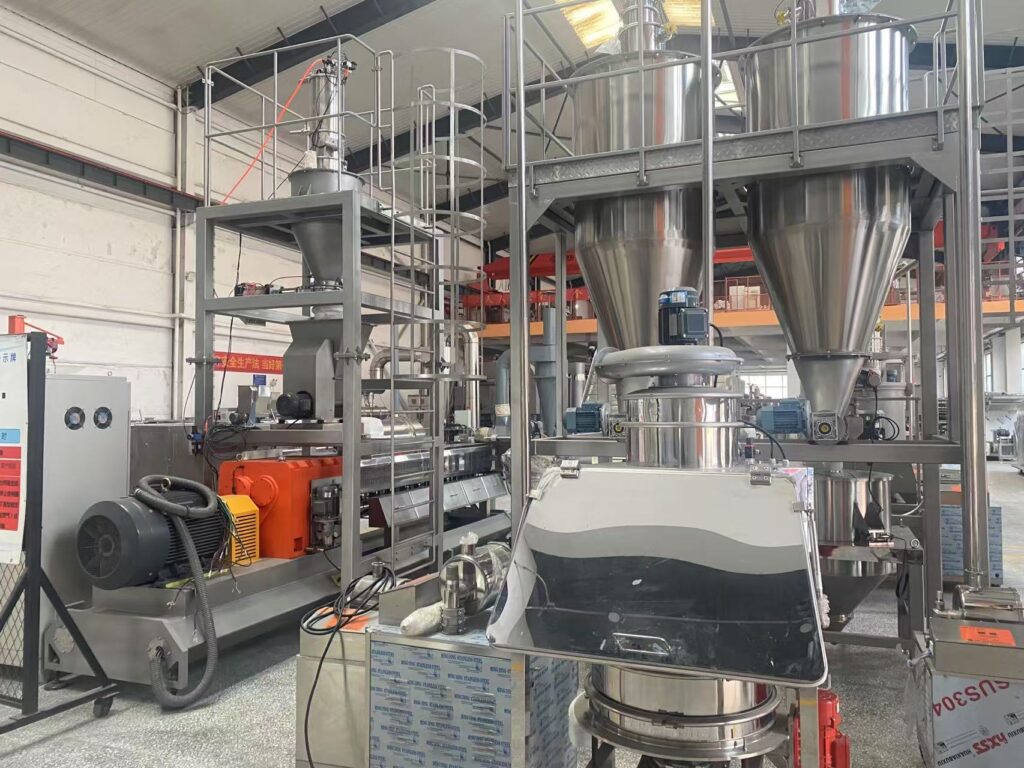
In conclusion, modified starch is a fundamental and adaptable material that significantly enhances the performance and quality of hundreds of products we use daily. Its ability to be precisely tailored for specific functions ensures its place as a critical component in current and future innovations across a multitude of sectors.
 English
  Russian
  Spanish
  Italian
  Arabic
  Portuguese
  German
  French
  Japanese
  Moroccan Arabic
  Persian
  Belarusian