
Introduction
Walk down any supermarket cereal aisle and you’ll find bright boxes promising “wholesome,” “natural,” and “nutritious” breakfast corn flakes. The marketing depicts golden fields, sunshine, and simple goodness. But the industrial reality of how most commercial corn flakes are manufactured tells a different story—one involving extreme processing, significant nutrient loss, and the creation of what nutritionists call “hyper-palatable” food products.
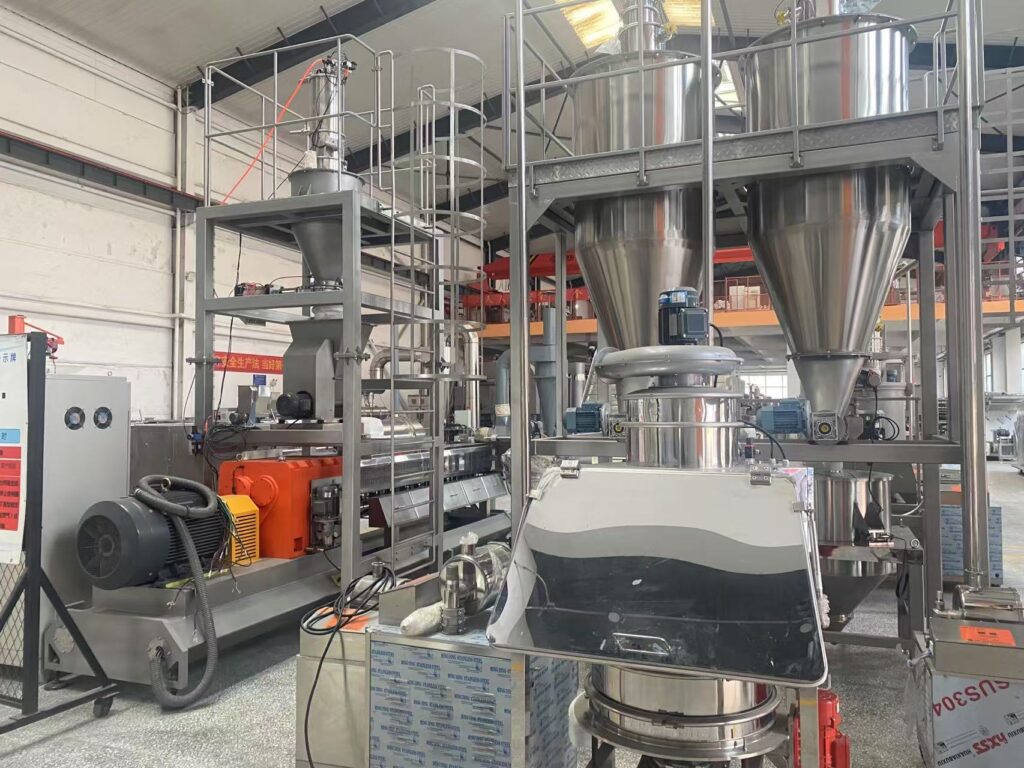
The Industrial Corn Flake Production Line: A Step-by-Step Dissection
1. Raw Material: Not Just Simple Corn
Contrary to the pastoral imagery, the primary ingredient isn’t simply dried corn kernels. Most large manufacturers start with degerminated corn grits or corn meal—corn that has had its fiber-rich bran and nutrient-dense germ mechanically removed to extend shelf life and create a uniform texture. This process strips away naturally occurring oils, fiber, vitamins, and minerals right at the outset.
2. The Cooking and Flaking Process: High-Pressure Transformation
- Pressure Cooking with Additives: The corn grits are mixed with water, salt, sugar or malt syrup (often barley malt), and various preservatives. This slurry is cooked under high pressure and steam in large rotating batch cookers. This isn’t gentle steaming; it’s a process designed to completely gelatinize the starches and soften the grits into a cohesive, dough-like mass.
- The “Dumping” and Tempering: The cooked mass, now called “cooker dough,” is dumped onto a conveyor and allowed to cool and dry for several hours—a stage called tempering. This stabilizes moisture content.
- Flaking Mills: The toughened dough chunks are then passed through massive steel rollers in a flaking mill. The intense pressure from these rollers squeezes the chunks into the familiar thin flake shape.
3. The Crucial (and Unappetizing) Step: Toasting/Drying for “Flavor” and “Crunch”
This is where the industrial magic (and nutritional downfall) intensifies.
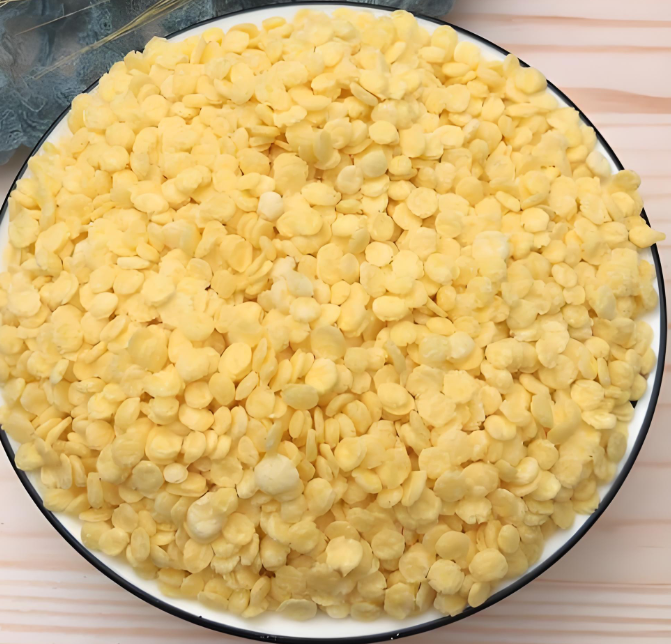
- High-Temperature Processing: The moist flakes are conveyed through a large, multi-zone oven, often called a “toasting” oven, but functioning more like a dryer. Temperatures typically range from 300°C to 350°C (572°F to 662°F). This is far from a light toast; it’s a rapid, high-heat process that dehydrates the flake, sets its shape, and creates the crisp texture.
- The Chemical Reaction (and Its Consequences): This intense heat triggers the Maillard Reaction and caramelization—the same browning reactions that occur when searing meat or baking bread. While this creates the “toasted” color and a complex array of flavor compounds that we associate with corn flakes, it also:
- Destroys Heat-Sensitive Nutrients: Any remaining natural B vitamins (like thiamine) are largely degraded.
- Creates Potential Harmful Compounds: Acrylamide, a probable human carcinogen, can form in starchy foods processed at very high temperatures. While regulatory bodies monitor levels, its presence is an unavoidable byproduct of this manufacturing step.
- Denatures Proteins: The high heat alters the structure of any remaining proteins, reducing their nutritional quality.
4. The Coating Booth: Where “Plain” Gets a Makeover
The plain, toasted flakes are bland and would quickly become soggy in milk. To “fix” this, they enter a final, critical stage:
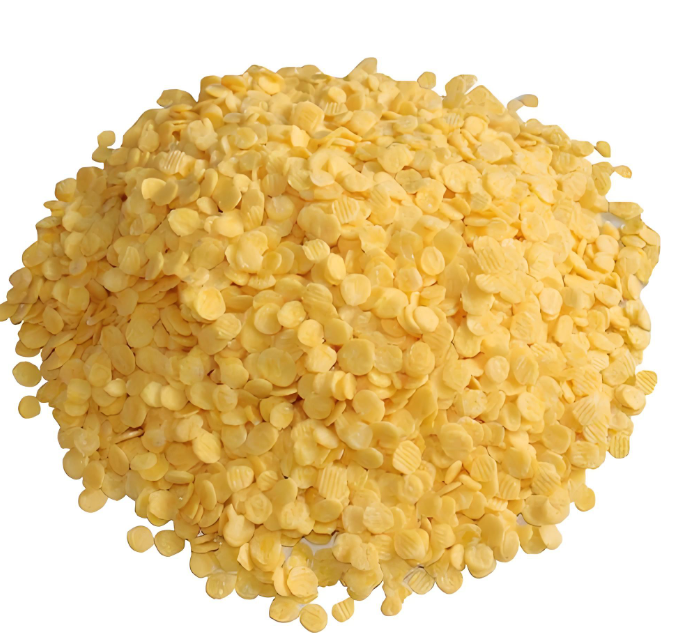
- The Flavor & Sugar Coating: Flakes are tumbled in a rotating drum while a fine mist of a coating mixture is sprayed. This “flavor slurry” is often composed of:
- Additional Sugar or Corn Syrup: To enhance sweetness and palatability. This is how “plain” corn flakes can contain significant hidden sugars.
- Vitamin & Mineral Powder: A synthetic “vitamin-mineral premix” is added here. This is fortification—an attempt to add back (and often exceed) the nutrients stripped out during degermination and destroyed by high-heat processing. This allows the box to claim “Excellent Source of Vitamins & Minerals!”
- Salt & Flavor Enhancers: (e.g., maltodextrin) to boost the savory notes.
- A Wax-Like Coating: Sometimes a minimal amount of a food-grade oil or hydrogenated oil is used to seal the flake, provide a sheen, and delay milk penetration to maintain crunch. The industry term for this is often “hydroxypropylmethylcellulose” or other stabilizers.
5. Packaging in a Modified Atmosphere
To preserve the deceptive crunch and prevent the added oils from turning rancid, the finished flakes are packed not just in a wax-lined box with a plastic bag, but often in a modified atmosphere—where the air inside the bag is replaced with inert gases like nitrogen.
The Nutritional Paradox of the Modern Corn Flake
The final product is a paradox engineered by the food industry:
- Whole Grain to Refined Carbohydrate: It begins as a whole grain (corn) and is systematically refined into a fast-digesting carbohydrate.
- Nutrient Destruction & Artificial Restoration: Its natural nutrients are removed or destroyed, only to be replaced with a synthetic vitamin blend, allowing for bold health claims.
- Hyper-Palatable Design: Through precise combinations of sugar, salt, and fat (in the coating), and an engineered texture that provides an appealing “crunch” and slow sogginess, the flake is designed for maximum consumption appeal, not necessarily for nutritional satiety or health.
- Glycemic Impact: The processing results in a high glycemic index food, causing a rapid spike in blood sugar and insulin levels after consumption.
Conclusion: Beyond the Marketing Halo
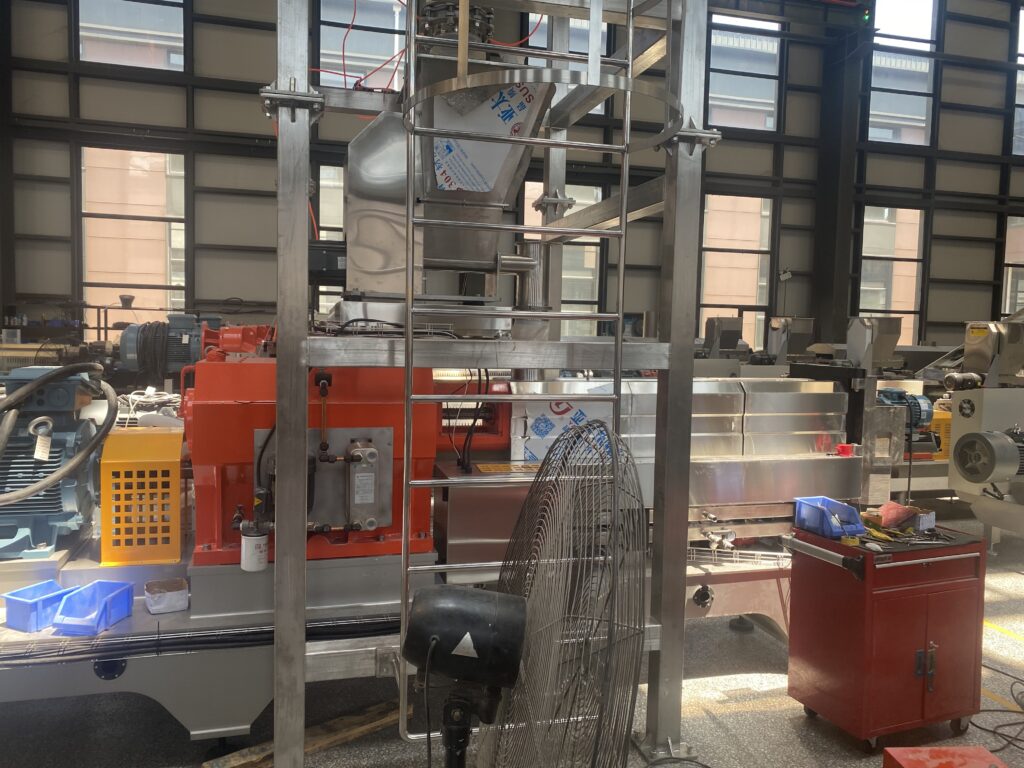
The story of the corn flake is a classic example of food industrialization. It’s a product transformed from a simple grain into a shelf-stable, highly palatable, and aggressively marketed commodity. While convenient and liked by many, understanding its true manufacturing process—characterized by degermination, high-heat toasting, and strategic coating—allows consumers to see past the “wholesome” branding.
It reveals a product that is more a feat of food science and engineering than a simple gift from nature, prompting a more critical look at the breakfast table and the choices we make to start our day.
 English
  Russian
  Spanish
  Italian
  Arabic
  Portuguese
  German
  French
  Japanese
  Moroccan Arabic
  Persian
  Belarusian