
Introduction: From Niche Ingredient to Mainstream Staple
Textured Soy Protein (TSP), often marketed as Textured Vegetable Protein (TVP), has evolved from a specialty health food item into a critical component of global food systems. With its unique combination of nutritional benefits, functional properties, and economic advantages, TSP has found applications across diverse culinary traditions and food manufacturing sectors. This article explores the extensive applications of this remarkably versatile ingredient.
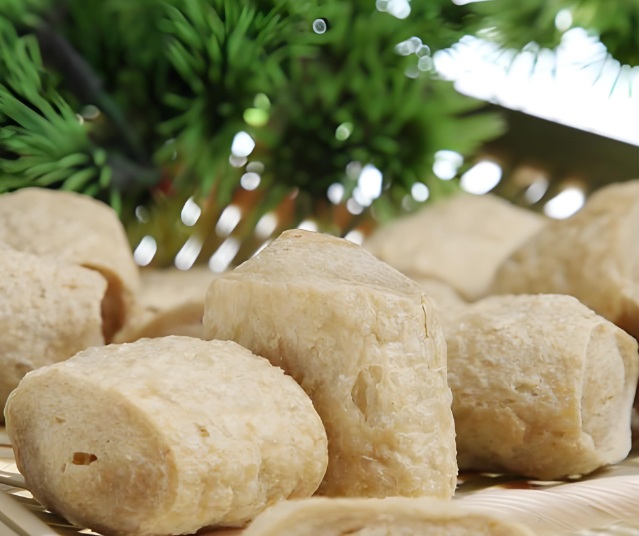
Nutritional Profile: The Foundation of Its Appeal
Before examining applications, it’s essential to understand why TSP has become so widely adopted:
- High-Quality Protein: Contains approximately 50-55% protein with all essential amino acids
- Low in Fat & Cholesterol-Free: Typically contains <1% fat, with zero cholesterol
- Rich in Fiber: Provides both soluble and insoluble dietary fiber
- Mineral Content: Good source of iron, magnesium, and phosphorus
- Economical: Cost per gram of protein is significantly lower than animal proteins
Primary Application Areas
1. Direct Meat Alternatives & Analogs
TSP forms the structural foundation for most plant-based meat products:
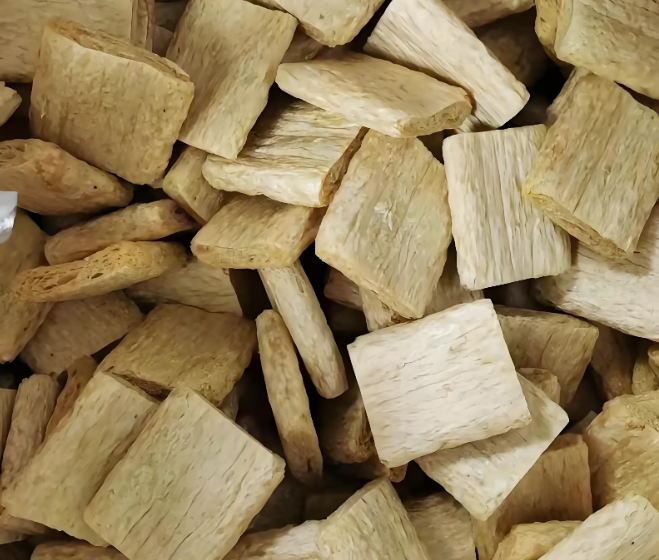
- Ground Meat Substitutes: Rehydrated TSP granules perfectly mimic the texture of cooked ground beef, turkey, or chicken. This application dominates in:
- Vegetarian chili, spaghetti sauce, and tacos
- Plant-based burger patties and meatballs
- Stuffings for peppers, mushrooms, and baked dishes
- Chunk-Style Products: Larger TSP pieces (chunks or strips) serve as:
- Stew and curry components resembling beef or chicken pieces
- Fajita and stir-fry strips
- Sandwich fillings (akin to pulled pork or shredded chicken)
- Specialty Analogs: Through specialized extrusion and flavoring, manufacturers create:
- Breakfast sausage crumbles
- Pepperoni-style pizza toppings
- “Bacon” bits for salads and baked potatoes
2. Meat Extenders in Blended Products
One of TSP’s most significant economic applications is as a cost-effective protein extender:
- Industrial Food Production: Blended with ground meat (typically 20-30%) in:
- School lunch programs and institutional feeding
- Commercial sausages, hot dogs, and deli meats
- Canned meat products and prepared frozen foods
- Benefits to Manufacturers:
- Reduces production costs while maintaining protein content
- Improves moisture retention and yield
- Lowers fat content of final products
- Enhances freeze-thaw stability
3. Nutritional Enhancement & Functional Foods
Beyond mimicking meat, TSP serves as a nutritional fortifier:
- Protein Boosting: Added to:
- Breads, pastas, and baked goods
- Soups and instant noodles
- Snack foods and cereal products
- Special Dietary Formulations:
- Senior nutrition products requiring easy-to-chew, high-protein options
- Sports nutrition bars and supplements
- Medical foods for patients with specific nutritional needs
4. Global & Regional Culinary Adaptations
TSP’s neutral flavor and texture-absorbing properties have led to worldwide adoption:
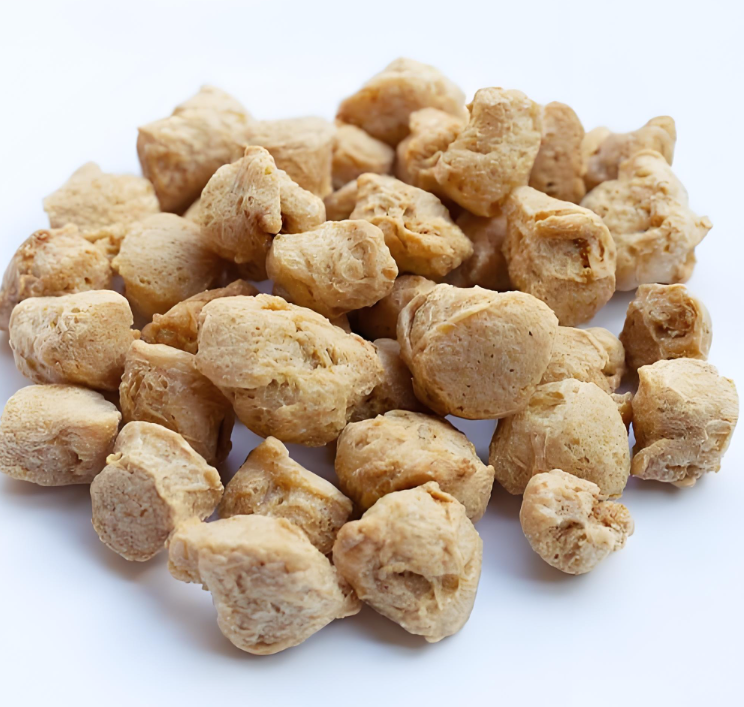
- Asian Cuisines:
- Buddhist vegetarian cooking as mock duck, chicken, and pork
- Korean kongbul (soy protein bulgogi)
- Chinese dim sum and stir-fry dishes
- Latin American Applications:
- Meat extenders in empanadas and tamales
- Base for vegetarian versions of traditional dishes like picadillo
- Western Adaptations:
- Meatless loaf and shepherd’s pie
- Plant-based versions of classic comfort foods
5. Emergency & Humanitarian Food Supplies
TSP’s shelf stability (1-2 years when properly stored) and nutritional density make it ideal for:
- Disaster relief rations
- Long-term food storage programs
- Military field rations
- Humanitarian aid in food-insecure regions
Functional Advantages Driving Adoption
Texture & Mouthfeel
- Absorbs 2-3 times its weight in liquid, creating a satisfying, meat-like chew
- Maintains structure through prolonged cooking, freezing, and reheating
- Available in multiple sizes (granules, chunks, flakes, strips) for different applications
Flavor Carrying Capacity
- Neutral baseline flavor readily accepts seasonings, spices, and marinades
- Can be pre-flavored during manufacturing or customized during preparation
- Effectively carries savory, umami, and meat-like flavor systems
Processing Advantages
- Requires minimal preparation—simple rehydration before use
- Consistent quality and composition batch-to-batch
- Compatible with most food processing equipment and methods
Economic & Supply Chain Benefits
- Lower price volatility compared to animal proteins
- Longer shelf life reduces waste throughout distribution
- Efficient transportation (lightweight when dry, rehydrated at point of use)
Innovation Frontiers: Next-Generation Applications
3D-Printed Foods
TSP-based pastes serve as bio-inks for creating precisely structured meat analogs with customized texture profiles.
Cultivated Meat Scaffolding
Porous TSP structures are being explored as edible scaffolds for cultivated (lab-grown) meat cell growth.
Personalized Nutrition
TSP’s neutral base makes it ideal for customized nutrient fortification based on individual dietary requirements.
Sustainable Seafood Analogs
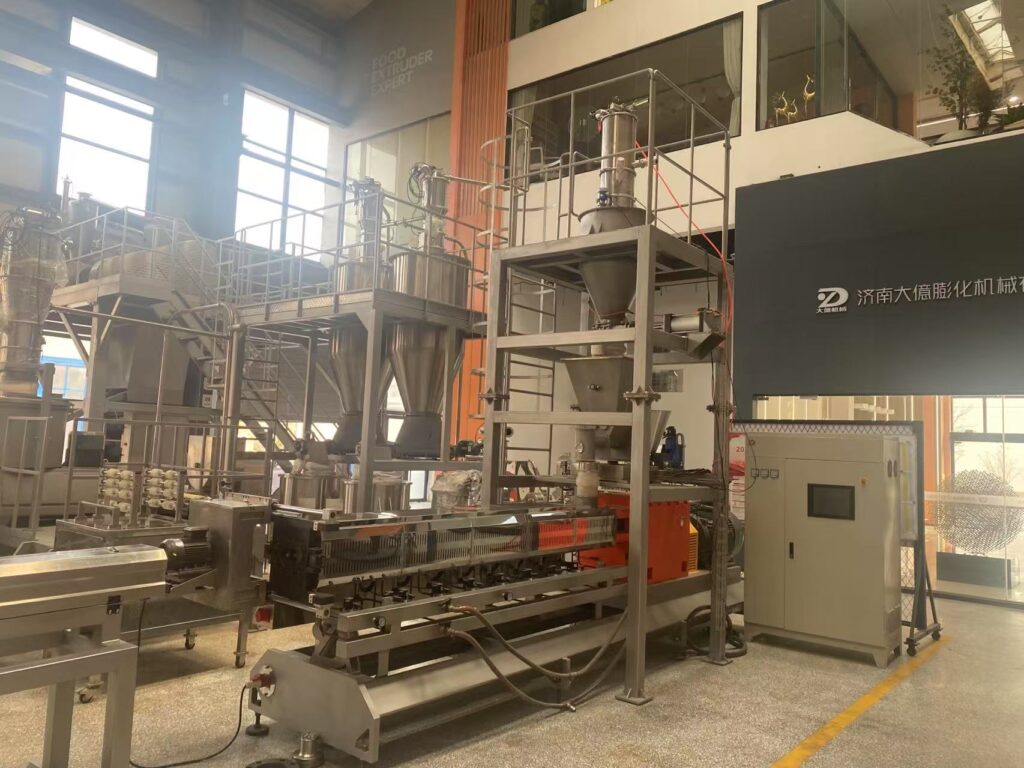
Advanced extrusion techniques are creating TSP-based products that mimic the flaky texture of fish and shellfish.
Challenges & Considerations in Application
While versatile, successful TSP application requires addressing:
- Flavor Masking: Some consumers detect slight “beany” or “bitter” notes requiring effective flavor systems
- Color Control: Natural TSP is tan/beige, often requiring coloring agents for specific applications
- Allergen Labeling: Soy is a major allergen requiring clear labeling
- Non-GMO Demand: Many markets increasingly demand identity-preserved, non-GMO sources
- Texture Optimization: Matching the exact texture of specific meat types remains an ongoing technical challenge
Sustainability Impact: Beyond Nutritional Applications
TSP’s applications contribute significantly to sustainability goals:
- Land & Water Efficiency: Producing TSP requires approximately 90% less land and water than equivalent beef protein
- Greenhouse Gas Reduction: Soy cultivation generates substantially lower emissions than livestock farming
- Circular Economy: Often utilizes by-products (soy okara) from tofu and soy milk production
- Food Security: Extends limited animal protein supplies to feed more people
Conclusion: An Ingredient Shaping Food’s Future
Textured Soy Protein has transcended its origins as a simple meat extender to become a multifaceted ingredient addressing some of the most pressing challenges in modern food systems. Its applications span from everyday home cooking to sophisticated industrial food design, from economic necessity to ethical choice, from traditional cuisines to futuristic food technologies.
As consumer demand for sustainable, affordable, and healthy protein continues to grow—projected to increase by 60% by 2050—TSP’s role is poised to expand further. Ongoing innovation in processing, flavoring, and texturization will likely unlock even more sophisticated applications, solidifying TSP’s position not merely as a meat substitute, but as a foundational ingredient category in its own right.
The story of TSP’s application is ultimately a story of adaptation and innovation—how a simple processed ingredient has learned to speak the culinary languages of cultures worldwide while addressing global nutritional, economic, and environmental needs. Its continued evolution will undoubtedly play a significant role in shaping how the world eats in the decades to come.
 English
  Russian
  Spanish
  Italian
  Arabic
  Portuguese
  German
  French
  Japanese
  Moroccan Arabic
  Persian
  Belarusian