
The Process of Making Puffed Breadcrumbs: From Flour to Final Product
Puffed breadcrumbs, also known as puffed breadcrumbs, are a popular ingredient in the food industry. They are widely used in coatings for fried foods, bread crumb machine for sale as well as in baked goods and processed foods. Their light and crispy texture make them an ideal choice for creating crunchy layers in products like chicken nuggets, fish fillets, and even as a topping for casseroles. But how exactly are these expanded breadcrumbs made? Let’s take a step-by-step look at the production process.
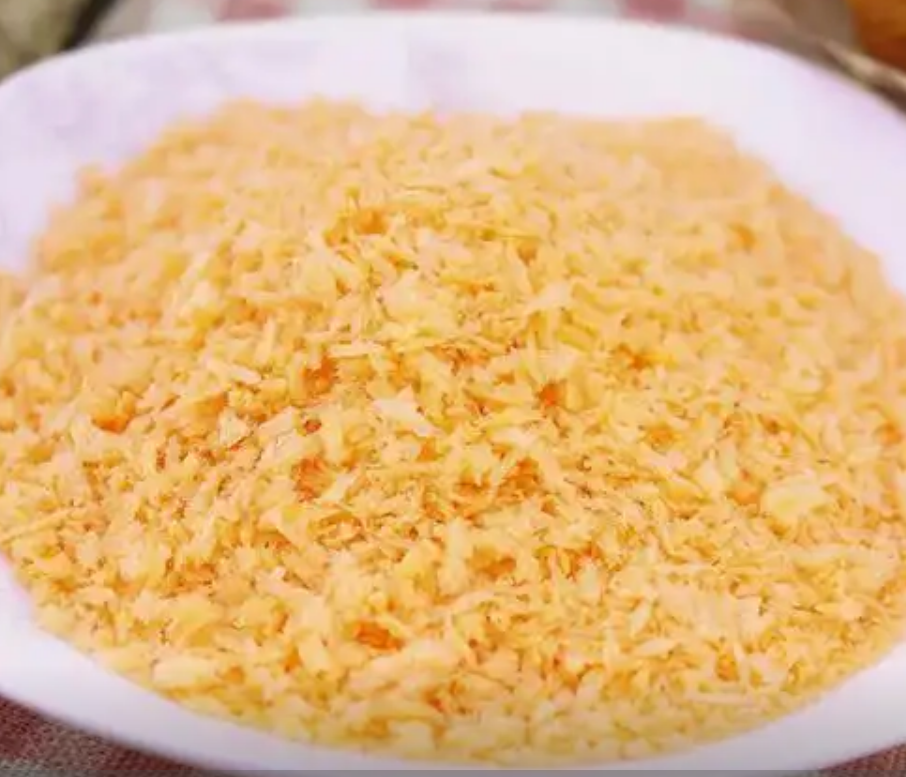
1. Selecting the Raw Ingredients
The production of puffed breadcrumbs begins with selecting high-quality raw ingredients. The main components typically include:
- Wheat flour: The primary ingredient used to create the base dough for the breadcrumbs.
- Starch: Often added to enhance the texture and help the breadcrumbs expand during cooking.
- Yeast: For leavening, which helps the breadcrumbs puff up when heated.
- Salt: For flavor enhancement.
- Other additives: These can include spices, sugar, or additional flavoring agents depending on the desired final taste or texture.
Some manufacturers may also use additional ingredients such as egg powder or milk powder to enhance flavor or nutritional value.
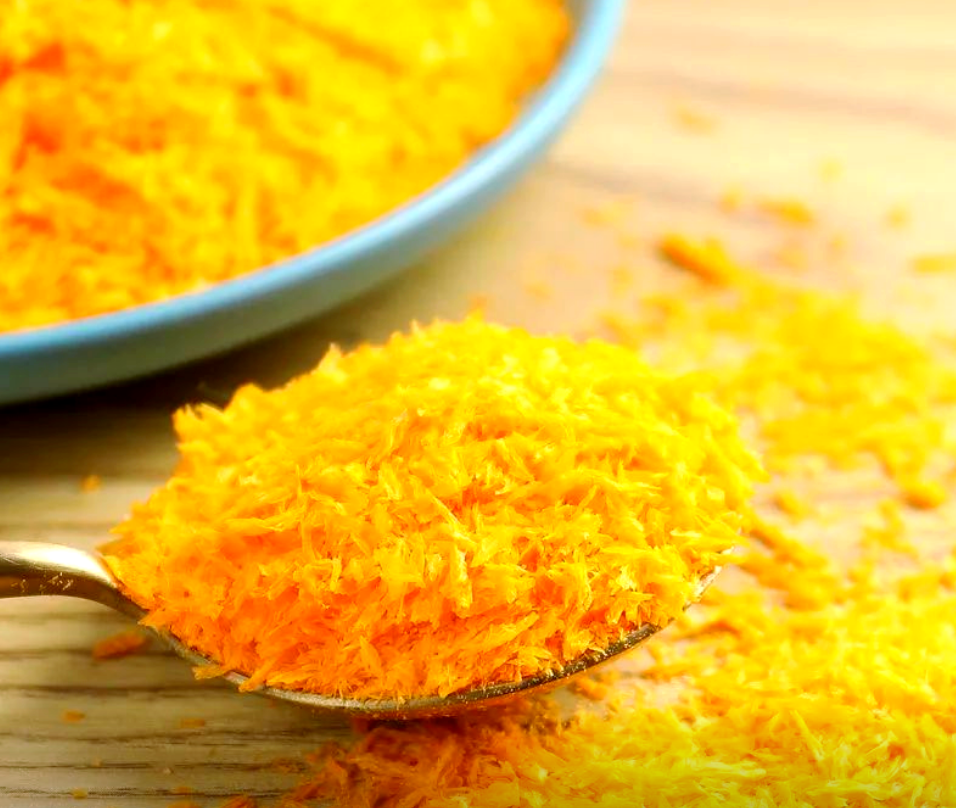
2. Mixing and Dough Preparation
Once the raw ingredients are selected, the next step is mixing them together to form a dough. The wheat flour, starch, salt, and yeast are combined in large industrial mixers to create a uniform dough. bread crumb machine for saleThe dough is usually quite stiff and dense at this stage, as it needs to be strong enough to hold the structure required for the expanded breadcrumbs.
Water is added gradually to hydrate the mixture, achieving the desired dough consistency. The dough is then kneaded for a specific time to ensure that the gluten develops and the ingredients are evenly distributed. This step is critical for ensuring that the final product has the right texture.
3. Extrusion and Puffing
The key feature of expanded breadcrumbs is their light, airy texture, which is created during the extrusion and puffing process. This is the most important step in the production.
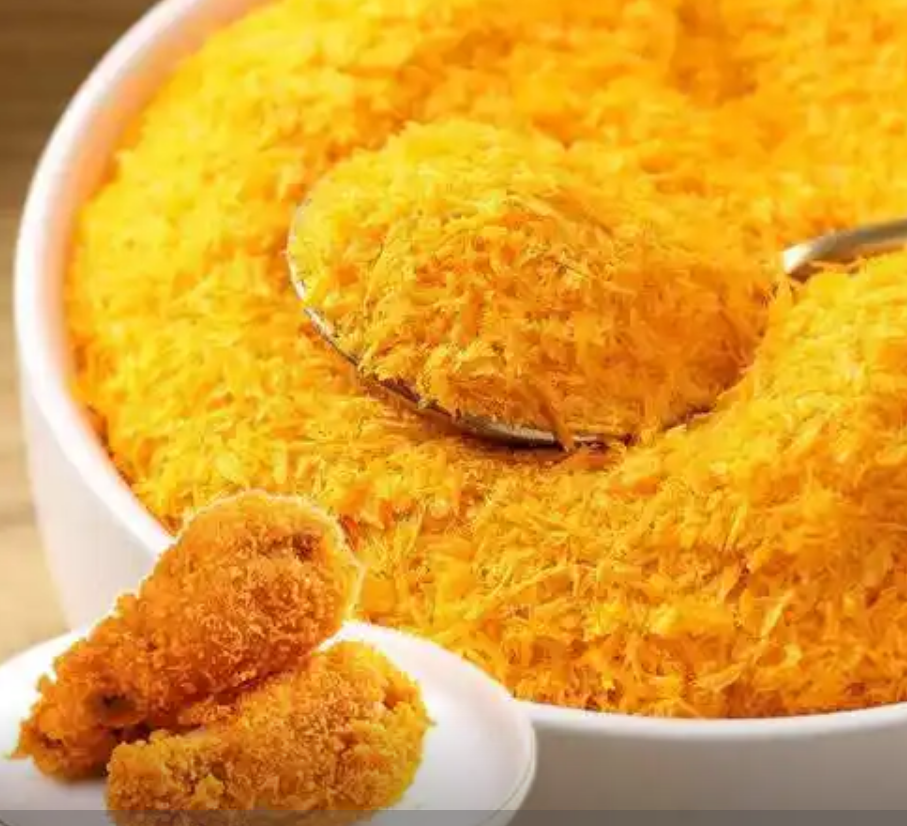
- Extrusion: The dough is placed into an extruder machine, where it is forced through a die under high pressure. The extruder uses heat and pressure to cook the dough as it is pushed through the machine. The dough comes out of the die in a continuous form, which is often cut into small pieces resembling small pellets or granules.
- Puffing: As the dough exits the extruder and moves through a high-temperature environment (usually in a puffing oven), the moisture inside the dough rapidly turns into steam. bread crumb machine for sale The rapid steam expansion causes the dough to puff up and expand, creating the airy and crispy texture that defines expanded breadcrumbs. The high heat also helps to create a golden-brown color on the surface of the dough.
This puffing process is crucial because it determines the final size, texture, and crispiness of the breadcrumbs.
4. Drying and Cooling
After the puffing process, the expanded breadcrumbs are still warm and moist. To ensure that they remain crispy and have a long shelf life, they must be dried. This step is typically done in drying tunnels or rotary dryers, where the breadcrumbs are exposed to controlled heat and air circulation to reduce moisture content.
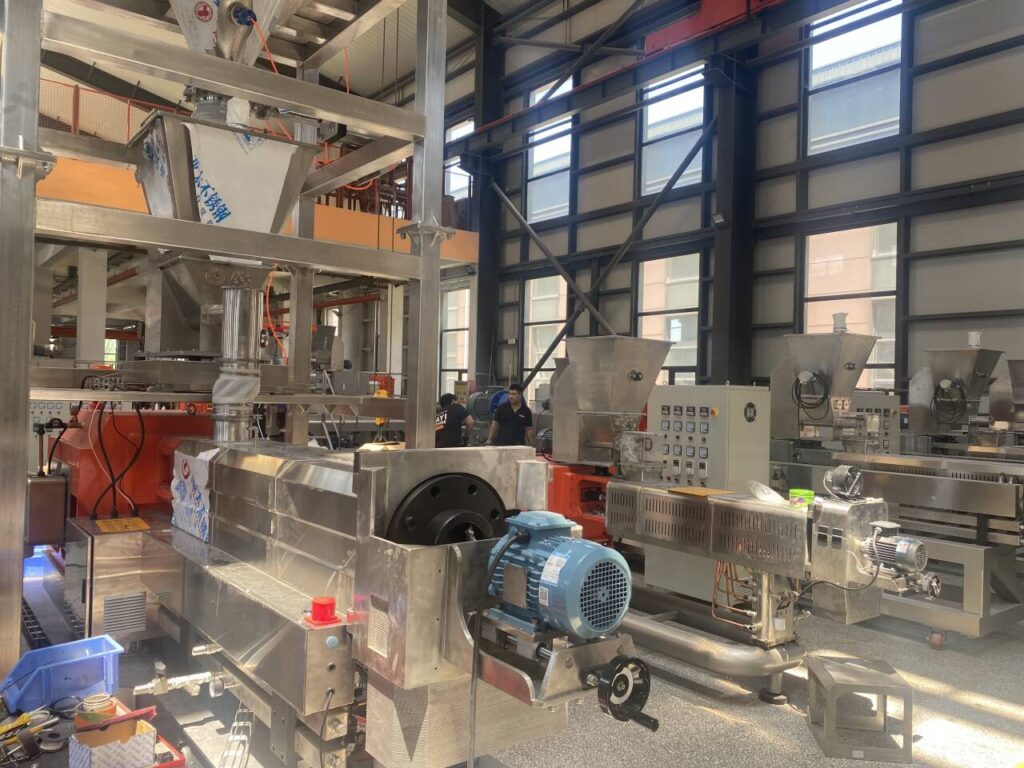
- The drying process helps to remove excess water, ensuring that the breadcrumbs remain crispy and shelf-stable.
- The temperature and drying time are carefully controlled to prevent over-drying, which could make the breadcrumbs too brittle or cause them to lose their expanded texture.
Once dried, the breadcrumbs are cooled down to room temperature. This cooling process helps prevent them from becoming too soft or sticky.
5. Sieving and Grading
After cooling, the expanded breadcrumbs are passed through sieving machines to remove any small or irregularly sized particles. This step helps to ensure that the breadcrumbs have a consistent size and shape, which is important for both quality control and packaging.
The sieving process sorts the breadcrumbs into different grades, depending on their size. Some may be larger, ideal for breading larger pieces of food, while smaller crumbs are perfect for use in recipes that require fine breadcrumbs or as fillers in processed foods.
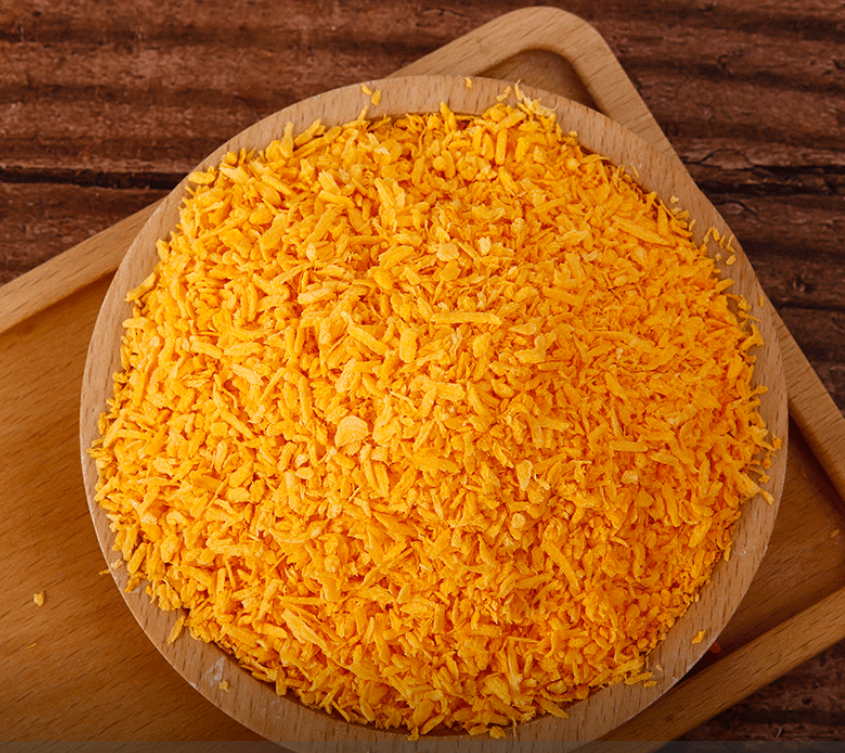
6. Flavoring and Coating (Optional)
Depending on the intended use of the breadcrumbs, some manufacturers may choose to flavor or coat the breadcrumbs with additional ingredients. This could include:
- Herbs and spices: For breadcrumbs that will be used as a topping for casseroles, or for breading items like chicken or fish, herbs like oregano, garlic powder, or paprika can be added.
- Cheese or other seasonings: Cheese powder or seasoning blends may be added to give the breadcrumbs extra flavor.
These flavoring agents are usually mixed with the breadcrumbs in large tumblers or drum mixers, bread crumb machine for sale where the crumbs are gently coated with the seasonings.

7. Packaging
Once the expanded breadcrumbs are perfectly cooked, dried, and possibly flavored, they are ready for packaging. The breadcrumbs are typically packed in air-tight, moisture-resistant bags or boxes to ensure freshness and prevent contamination.
- Packaging: The breadcrumbs are weighed and sealed into standard-sized packages for retail or bulk distribution. Some packages may be vacuum-sealed to extend shelf life.
- Labeling: Each package is labeled with the product name, ingredients, nutritional information, and usage instructions. This is particularly important if the breadcrumbs are flavored or intended for specific recipes.
8. Distribution
Once packaged, the breadcrumbs are ready to be distributed to retailers, wholesalers, or food manufacturers. The product can be shipped to supermarkets, restaurants, or directly to consumers via online orders.
The production of expanded breadcrumbs is a carefully controlled process that combines technology, precision, and quality ingredients to create a light, crispy, and versatile product. From selecting the right flour to the puffing and drying processes, each step plays a critical role in ensuring that the final product has the right texture, flavor, and shelf life.
Expanded breadcrumbs are a staple in many kitchens and food industries around the world, and understanding how they are made can give us a greater appreciation for their role in making our meals crispy and delicious!
 English
  Russian
  Spanish
  Italian
  Arabic
  Portuguese
  German
  French
  Japanese
  Moroccan Arabic
  Persian
  Belarusian