
Producing high-quality puffed snacks and breakfast cereals requires a meticulous balance of science, engineering, and sensory evaluation. corn puffed snack machine line supply Quality is defined by consistent texture, appealing flavor, proper expansion, structural integrity, and shelf stability. Here is a comprehensive guide to achieving excellence.
1. Foundation: Ingredient Selection and Recipe Formulation
The journey to quality begins long before the extruder.
- Raw Material Consistency: Use high-quality, consistent raw materials. Variations in flour protein content, starch type (e.g., amylose/amylopectin ratio in corn grits), particle size, and moisture can cause significant process fluctuations and inconsistent final product density and texture.
- Recipe Science: Formulate with purpose.
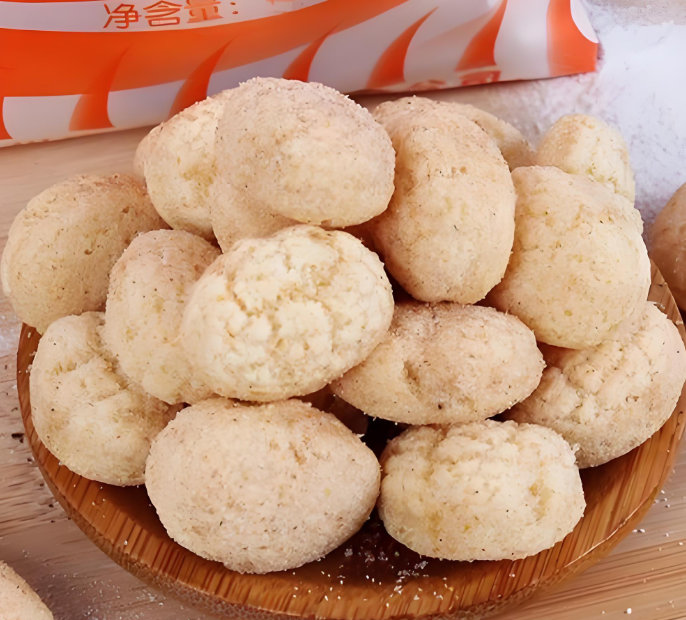
- Starch Source: This is the primary structural component. Different grains (corn, rice, wheat, oats) expand differently. Rice typically gives very white, light, crisp expansion; corn yields a stronger yellow color and robust crunch.
- Protein Content: High protein (e.g., from soy) can inhibit expansion but adds nutritional value. It must be carefully balanced.
- Fat/Oil Content: Internal fat (in the recipe) lubricates the extruder but can severely limit expansion if too high (>8-10%). It is often added externally as a coating post-extrusion.
- Sugar: Adds flavor and color (via caramelization) but can lower melt temperature and cause burning if not controlled. It also hygroscopic and can affect crispiness over time.
- Moisture Content: The single most critical in-process variable. It acts as a plasticizer and impacts viscosity, shear, and expansion.
2. Process Control: Mastering the Extrusion Parameters
Precise control over the thermo-mechanical environment is non-negotiable.
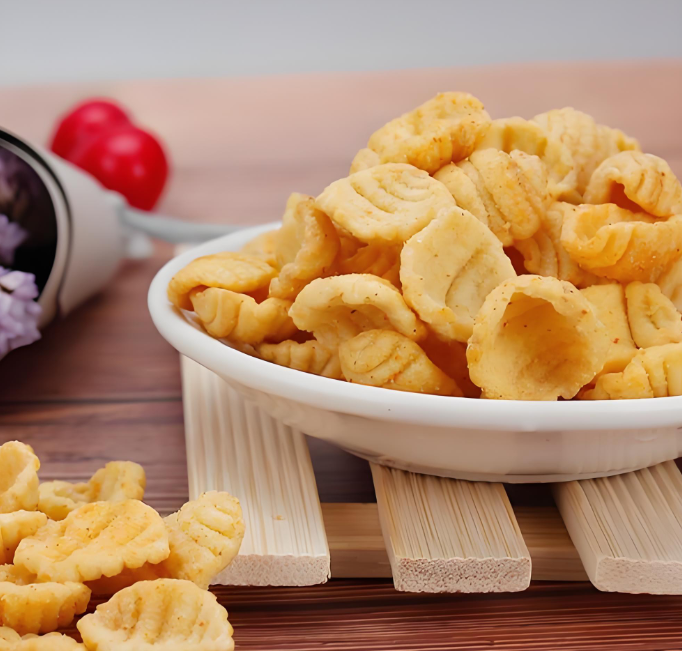
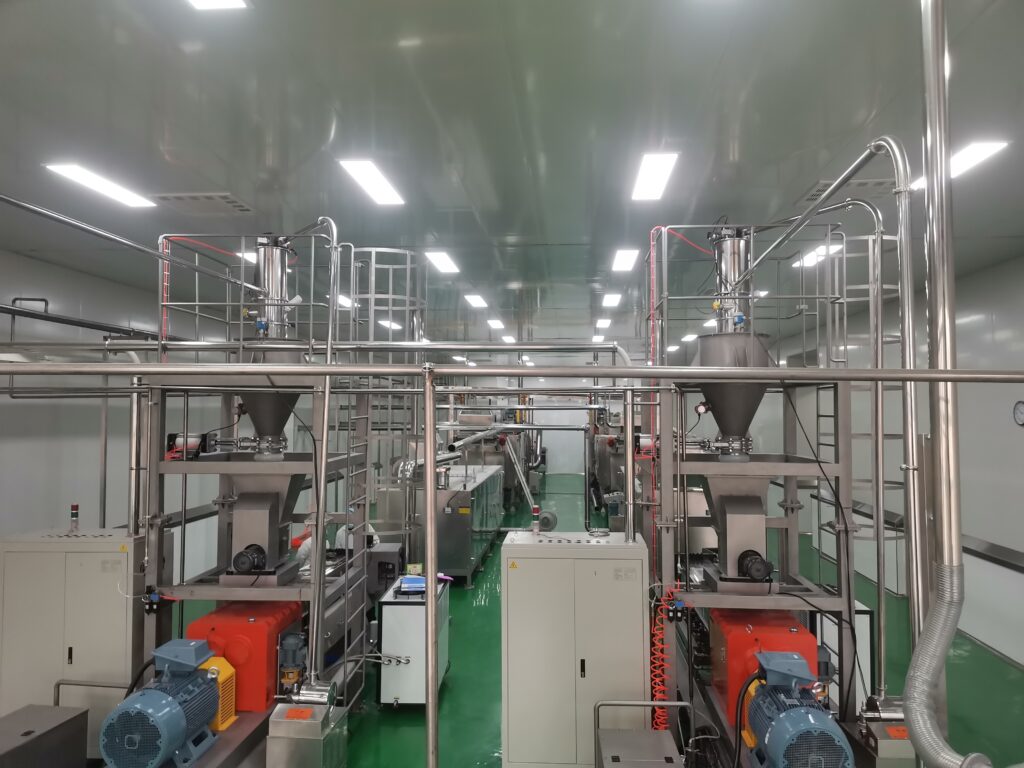
- Specific Mechanical Energy (SME): This is the key metric. SME = (Motor Energy Input) / (Mass Throughput). It quantifies the “cooking” energy from mechanical shear.
- Too Low SME: Under-cooked product, corn puffed snack machine line supply poor expansion, dense texture, raw flavor.
- Optimal SME: Full starch gelatinization, controlled bubble formation, ideal expansion, and crisp texture.
- Too High SME: Over-cooked product, burnt flavor, dark color, small, rigid bubbles, and potential degradation.
- Control SME by adjusting: Screw Speed (primary), Screw Configuration (kneading blocks increase shear), Moisture Content (lower moisture increases SME), and Recipe.
- Moisture-Temperature Balance: These two factors are inversely related in controlling viscosity and expansion.
- Low Moisture, High Temperature: Creates low-viscosity melt that expands dramatically upon exiting the die, but can be fragile and have a glassy texture.
- High Moisture, Lower Temperature: Creates a higher-viscosity melt, leading to denser, harder products with smaller bubbles.
- Die Design and Pressure: The die is not just a shape; it’s the final control point.
- Die Pressure: Must be stable. Erratic pressure causes uneven expansion and density variations (“checkerboarding”).
- Land Length: A longer die land length increases back-pressure and shear, leading to a more uniform, less “explosive” expansion and smoother surface.
3. Post-Extrusion Processing: Setting the Quality
What happens after the die is equally critical.
- Drying and/or Toasting:
- Goal: Reduce moisture to 2-4% for optimal crispness and shelf stability.
- Process: Use a multi-zone dryer/toaster. Gentle initial drying prevents case-hardening (a hard shell trapping moisture inside). Final high-temperature zones set color and flavor via Maillard reactions.
- Uniformity: Even air flow and product bed depth are essential to prevent moisture gradients.
- Coating and Seasoning:
- Fat/Oil Spray: Applies a thin, even layer to act as a glue for seasonings and enhance mouthfeel. Oil temperature and spray nozzle design are critical for uniformity.
- Seasoning Application: Use a tumbling drum with baffles. The residence time and tumbling action must be calibrated to achieve a perfectly even coating without breaking the delicate puffed product.
- Seasoning Particle Size: Seasoning powders must be fine enough to adhere but not so fine that they become dusty.
4. Packaging: Locking in Quality
Packaging is the final barrier against quality loss.
- Moisture Barrier: Use high-barrier films (e.g., metallized OPP, aluminum foil laminates) to prevent the product from absorbing ambient humidity and becoming soggy.
- Light and Oxygen Barrier: Protects fats from oxidative rancidity and prevents flavor degradation.
- Gas Flushing: Nitrogen (N₂) flushing is standard. corn puffed snack machine line supply It displaces oxygen from the package, dramatically slowing oxidation and staleness, and provides cushioning to protect against physical breakage.
5. Continuous Improvement: Measurement and Feedback
You cannot control what you do not measure.
- In-Process QC:
- Expansion Ratio: Measure bulk density or specific volume.
- Texture Analysis: Use a texture analyzer (e.g., TA.XT Plus) to measure hardness, crispiness (peak force and number of force peaks), and fracturability objectively.
- Moisture Analysis: Use rapid moisture analyzers at the dryer exit.
- Color Measurement: Use a colorimeter (Lab* values) to ensure consistent browning.
- Sensory Evaluation: Regular panel testing for flavor, aroma, and overall mouthfeel is irreplaceable.
Producing premium puffed foods rests on three interconnected pillars:
- Consistent Inputs: Rigorous specification and testing of raw materials.
- Precise Process Control: Mastery of the SME, moisture, temperature, and pressure relationship within the extruder and dryer.
- Protective Packaging: Employing packaging science to preserve the fragile quality achieved in processing.
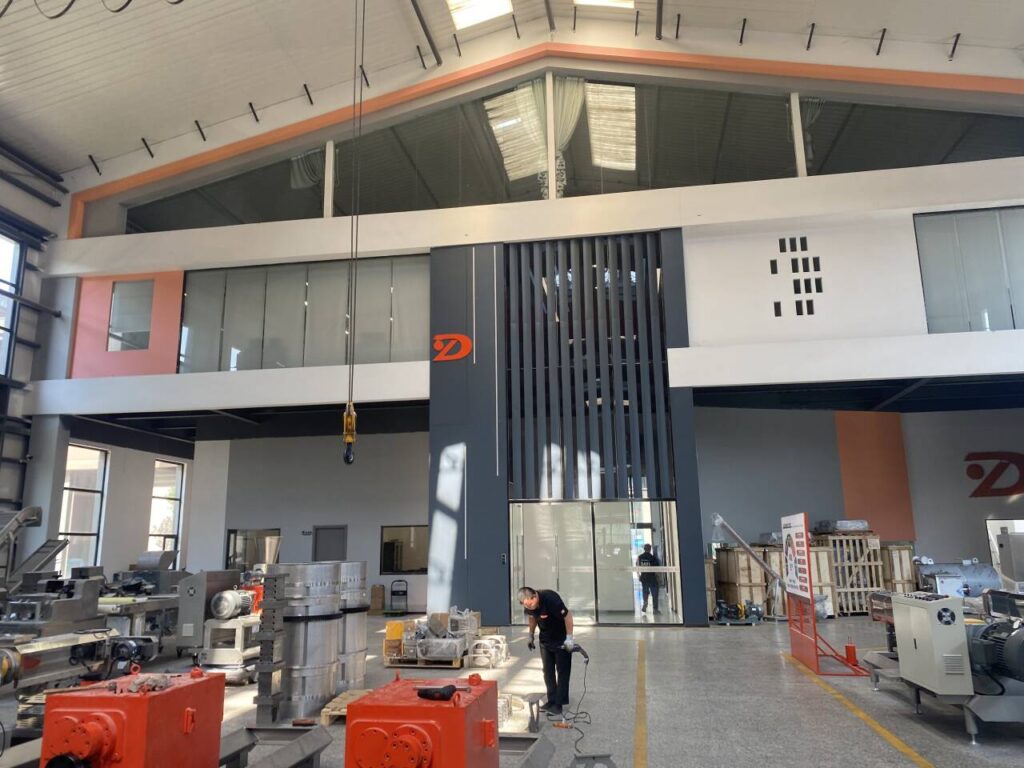
By treating extrusion as a precise engineering system—where recipe, machine parameters, and post-process handling are all optimized in harmony—manufacturers can reliably produce high-quality puffed foods that deliver exceptional sensory experience and consumer satisfaction.
 English
  Russian
  Spanish
  Italian
  Arabic
  Portuguese
  German
  French
  Japanese
  Moroccan Arabic
  Persian
  Belarusian